
Review · ANGKOR WAT TOURS
2-Day Angkor Wat with Temples On Small Circle & Kulen Waterfall
Sunrise at Angkor changes everything. This tight 2-day Angkor Wat and Kulen plan strings together the big sights on the Small Circle and then adds the Kulen National Park contrast. I like that you get early starts for the best light, plus a logical route that hits major temples like Ta Prohm, Bayon, and Banteay Srei without feeling like you are just rushing point to point. One thing to consider is the pace, especially the very early pickup and the climbing involved at Phnom Bakheng.
What makes this tour especially appealing is how it balances iconic ruins with a nature break. You start at Angkor Wat, move through Angkor Thom highlights like the Victory Gate, Bayon, and terraces, then end day one with a sunset viewpoint from Phnom Bakheng. Day two goes even earlier for sunrise at Angkor Wat, then trades temple crowds for the Kulen setting with carved riverbed features and the Big Reclining Buddha. The main drawback is simple, the days are long and hot, and you will be walking on uneven temple ground.
In This Review
- Key points to know before you go
- Why this 2-day Angkor Wat and Kulen plan makes sense
- Day 1 at Angkor Park: Angkor Wat, Ta Prohm roots, and Angkor Thom faces
- Angkor Wat: start with the main stage
- Ta Prohm: tree roots that make it feel alive
- Ta Nei: quieter, smaller, and good for avoiding crowds
- Victory Gate and Bayon: the faces of Angkor Thom
- Baphuon, Phimeanakas, and the Royal Enclosure Wall
- Terrace stops: elephants and the Leper King
- Phnom Bakheng sunset: the climb, the payoff, and how to manage time
- Day 2 at dawn: sunrise at Angkor Wat before the heat
- Phnom Kulen National Park: 60 km out, and a different kind of Angkor
- Big Reclining Buddha built from big stone
- Waterfall time included in the Kulen outing
- Banteay Srei, Banteay Samre, and Pre Rup: the pink sandstone and Hindu temple details
- Banteay Srei: pink sandstone and detailed feel
- Banteay Samre: simpler architecture, shorter stop
- Pre Rup: turn the body, funerary context
- Price and value: what you pay, what you still need to budget
- The guide factor: what you can expect from Chhay
- Logistics and comfort tips that make this itinerary easier
- Who should book this tour, and who should reconsider
- Should you book this 2-day Angkor Wat and Kulen tour?
- FAQ
- What time is pickup on day one?
- What time is pickup on day two for sunrise?
- Is the Angkor temple admission included in the price?
- Is the Phnom Kulen National Park admission included?
- Are meals included?
- What is included in the tour besides the guide?
- Is this tour private or shared?
- Which temples are included on the main Angkor circuit day?
- Is there a cancellation option if plans change?
Key points to know before you go
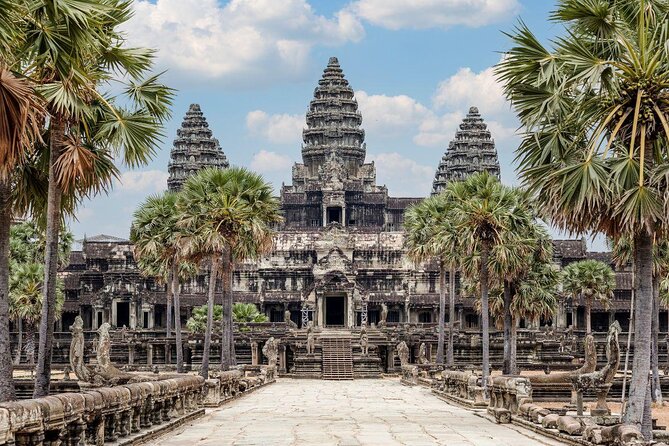
- Early sunrise and sunset timing so you see Angkor Wat in morning light and catch Phnom Bakheng for sunset views
- Small Circle temple order that layers history and layout, from Ta Prohm roots to Angkor Thom faces at Bayon
- Kulen National Park focus on carved riverbed sculptures (1000 Lingas) plus the Big Reclining Buddha
- Pink sandstone stop at Banteay Srei later in the day when the ruins look especially sharp
- Private group setup with an English speaking licensed guide, plus pickup and drop-off at your hotel
- Water and wet towels included, a real help when you are out in the sun all day
Why this 2-day Angkor Wat and Kulen plan makes sense
This tour is built around two ideas: hit the most memorable Angkor temple experiences efficiently, then add one day that feels like a change of pace. Day one is the temple work, with a route that covers Angkor Wat and then flows into Angkor Thom, including the spots most people consider essential. Day two starts with sunrise at Angkor Wat, then shifts outward to Kulen National Park, which is not just another temple stop.
I also like that the tour is designed for actual viewing time. Some Angkor schedules cram in too much and you end up taking photos instead of looking. Here, you get longer blocks at key points, like Angkor Wat and the Phnom Bakheng sunset climb, so you can pause, orient yourself, and enjoy the atmosphere.
More Angkor Wat tours in Siem Reap:
- Angkor Wat Sunrise or Sunset Tour with Guide from Siem Reap
★ 5.0 · 12,109 reviews - Siem Reap: Angkor Wat: Small-Group Sunrise or Sunset Tour
★ 5.0 · 9,444 reviews - Siem Reap: Angkor Wat 2-Day Tour with Sunrise and Sunset
★ 4.9 · 4,429 reviews
Day 1 at Angkor Park: Angkor Wat, Ta Prohm roots, and Angkor Thom faces
Day one starts with pickup at 8:00am from your hotel or guest house. You will also buy the temples pass along the way, before the main temple visits. That matters because it keeps you from losing time at the ticket gates once you are already near the park.
Angkor Wat: start with the main stage
You begin at Angkor Wat for about 2 hours 30 minutes. This is the moment to get your bearings. The temple complex can feel overwhelming on a first visit, so having a chunk of time helps you notice patterns, bas-relief details, and the way the different levels guide your eye.
This is also where the tour’s morning rhythm pays off. Even though you are not doing sunrise on day one, you still arrive early enough that the experience feels more breathable than late-day sightseeing.
Ta Prohm: tree roots that make it feel alive
Next is Ta Prohm, a standout stop famous for gigantic tree roots crossing temple structures. The stop is about 2 hours, which is important because Ta Prohm rewards slow looking. You do not just want to grab your must-see photos. You want to track the way the roots have grown around doorways and stone surfaces.
If you enjoy cinematic ruins, you will recognize why this is a big Hollywood filming site for many people. The tour language points to Tomb Raider, and even if you are not a film person, the connection helps explain why Ta Prohm looks so dramatic.
More Kulen Mountain trips:
- Kulen Waterfall Join-in Tour (local Picnic lunch)
★ 5.0 · 2,434 reviews - Kulen Mountain: Small-Group Tour and Picnic lunch
★ 4.9 · 1,802 reviews - Siem Reap: Kulen Mountain, Beng Mealea and Tonle Sap Tour
★ 5.0 · 1,483 reviews - Phnom Kulen Waterfall & the Sacred 1000 Lingas (with Lunch)
★ 4.8 · 974 reviews
Ta Nei: quieter, smaller, and good for avoiding crowds
Then you go to Ta Nei, listed at about 45 minutes. This one is smaller and described as having less restoration, plus it is surrounded by large trees. Translation for your feet: it is a calmer break from the busiest areas, with a different feel than the showpiece temples.
Victory Gate and Bayon: the faces of Angkor Thom
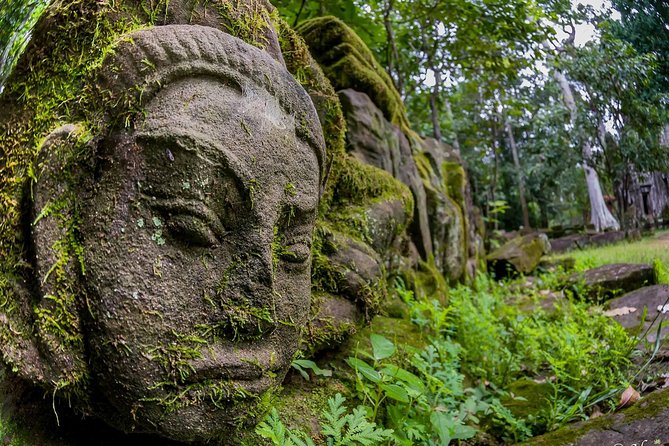
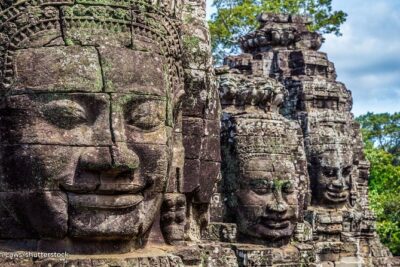
You then visit the Victory Gate for a quick photo stop, around 10 minutes. After that, it is Bayon Temple, about 45 minutes. Bayon is the center of Angkor Thom, with 49 towers, each showing four faces. The tour’s description connects those faces to Avalokiteshvara, which gives you a clearer reason for why the temple is built the way it is. It is not random decoration. The faces are the whole point.
This segment is also a good time to slow down and take in the structure. When you know where the “face towers” sit, the rest of Angkor Thom starts to click.
Baphuon, Phimeanakas, and the Royal Enclosure Wall
After Bayon, you visit Baphuon (about 15 minutes). The tour notes it is a Hindu temple built in the 11th century, while a big reclining Buddha behind it is from the 16th century. That mix of periods is part of what makes Angkor fascinating: layers of belief and reused sacred spaces.
Then you visit Phimeanakas, also around 15 minutes, described as a pyramid Hindu temple built in the 10th century in the center of the old Royal Palace area, plus you also see the ancient Royal Enclosure Wall nearby.
Terrace stops: elephants and the Leper King
Two more quick-but-interesting stops follow:
- Terrace of the Elephants (about 10 minutes) with elephant carvings and a platform once used by kings
- Terrace of the Leper King (about 10 minutes) on the north side, another platform area
These are shorter, but they help you understand that Angkor Thom was not only about temples. It was also a ceremonial stage.
Phnom Bakheng sunset: the climb, the payoff, and how to manage time
Day one ends with Phnom Bakheng. The schedule calls it a sunset viewpoint, with up to 2 hours for the stop and climb. It explicitly notes that if you do not want to wait for sunset, you can skip it.
This is the moment to be realistic about your energy. You are traveling through one of the largest temple zones on earth, then you are asked to climb to a hilltop. If you get motion sick or hate heights, pace yourself and take breaks. If you are doing great, this is where you will understand why people chase the light at Angkor. From above, the temple geometry spreads out, and the whole park takes on a different mood.
Practical note: wear shoes you trust on uneven ground. Temple stairs can be slick or dusty, and you do not want to spend your sunset watching your footing.
Day 2 at dawn: sunrise at Angkor Wat before the heat
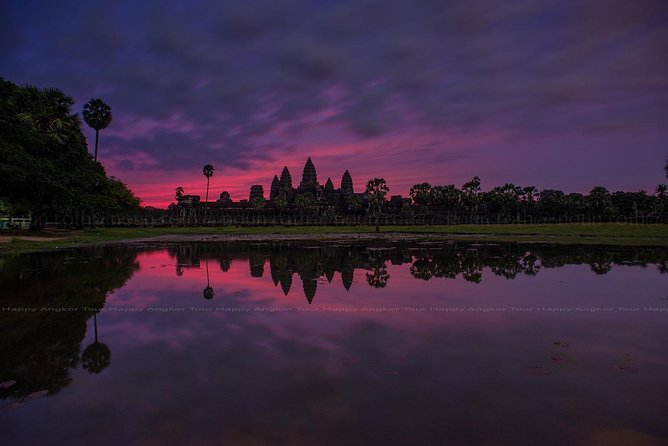
Day two starts very early, with pickup at 5:00am. The guide will take you to watch sunrise at Angkor Wat, and the stop is about 1 hour 45 minutes. This is one of the highest-value parts of the itinerary because it changes how you see the place. The temple silhouettes and shadows are part of the “read” of the monument, not just pretty scenery.
The tour timing also suggests you are getting ahead of the heaviest crowds. Even if crowds are not your main concern, early light helps with contrast and reduces the harsh glare you get later in the day.
Phnom Kulen National Park: 60 km out, and a different kind of Angkor
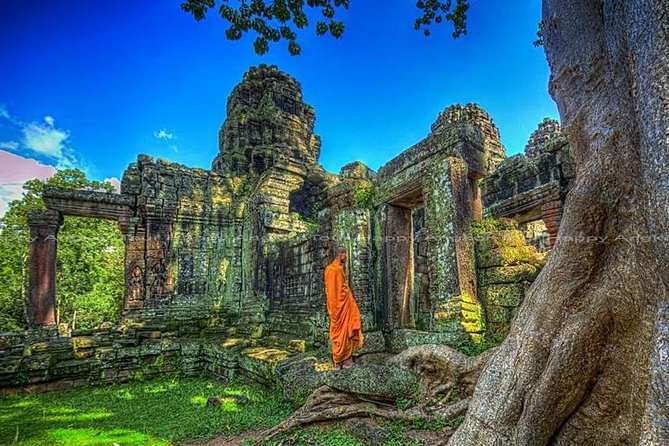
After sunrise and breakfast, you head to Phnom Kulen National Park, located more than 60 km from Angkor Park. The visit is listed at about 5 hours. This longer block matters because you are leaving the temple zone and moving into a natural setting, so you will need time to travel and then explore on foot.
The tour description explains that Kulen is not a temple complex in the same way Angkor Park is. Instead, you see the riverbed covered with sculptures of Lingas, often referred to as the 1000 Lingas, connected to the symbol of Shiva. That is a key shift in experience. You are not just walking through buildings. You are reading sacred marks embedded in the stone and water context.
Big Reclining Buddha built from big stone
You also see the Big Reclining Buddha, described as built from the big stone at the site. This stop gives you a physical anchor during the excursion, something dramatic enough to remember even days later.
Waterfall time included in the Kulen outing
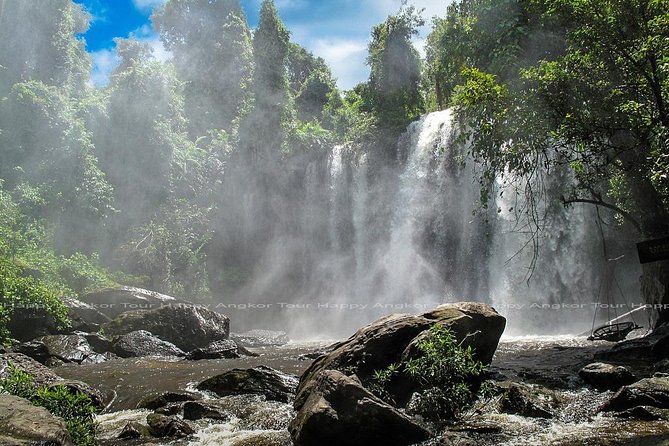
The tour also includes a waterfall in the Kulen section. Since the itinerary does not break down the waterfall time separately, you should plan for it as part of that 5-hour block. For many people, this is the moment that makes the second day feel like more than a second round of temples.
Banteay Srei, Banteay Samre, and Pre Rup: the pink sandstone and Hindu temple details
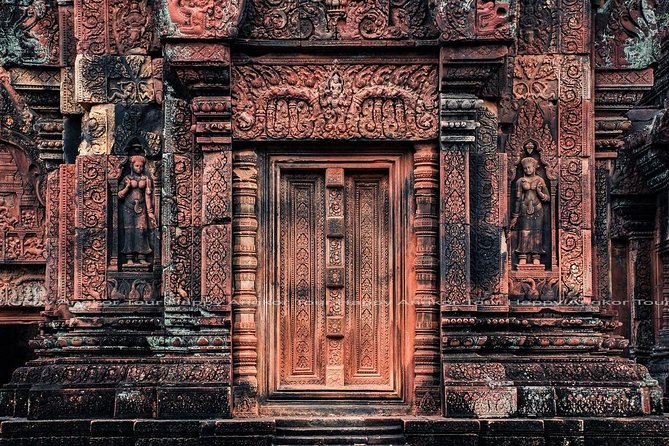
After lunch, the afternoon shifts back to temples. The plan includes Banteay Srei (called the Lady Temple), plus Banteay Samre and Pre Rup.
Banteay Srei: pink sandstone and detailed feel
Banteay Srei is one of the most photogenic stops on this schedule. It is built from pink sandstone and described as dating to the half of the 10th century, dedicated to the Hindu trinity gods, mainly Shiva, by King Rajendravarman II. The stop is about 1 hour.
What you will like here is the contrast after Kulen. You go from sacred carvings along a stone riverbed and a big Buddha to a temple where the material and fine architectural details feel made for close inspection.
Banteay Samre: simpler architecture, shorter stop
Next is Banteay Samre, about 45 minutes. The tour notes that its architecture does not have many obvious features that make it easy to identify at first glance, though it is believed to follow a similar model to Angkor Wat.
This one is a good palate cleanser. If you are temple-fatigued, it gives you just enough time to appreciate the design logic without forcing you into another long, intense climb.
Pre Rup: turn the body, funerary context
Finally, you visit Pre Rup for about 30 minutes. The tour connects the name to funerary rites, with the belief that funerals were conducted at the temple. Pre Rup is described as a Hindu temple built in the late 10th century dedicated to Hindu gods.
Because your time here is shorter, I recommend treating it as a place to connect dots. Compare it with what you saw earlier, and use the short time to notice how the temple’s purpose shows up in its layout.
Price and value: what you pay, what you still need to budget
The price listed is $181.75 per person for this 2-day experience. On average, it is booked about 60 days in advance, which is a hint that people take this route seriously and plan ahead.
Here is the value equation I see:
- Included: private A/C vehicle with driver, English speaking licensed guide, parking fees and road tolls, and cool drinking water and wet towels, plus pickup and drop-off at your hotel
- Not included: temple admission, Angkor plus all temples $62 per person, and Phnom Kulen National Park $20 per person
Meals are also not fully included. Lunch is listed as depending on the menu at about $5 per person.
So your real budget is the tour price plus the admission fees, then add meals. When you compare that to typical Angkor day tours, the big value is the guide and the way the schedule pairs iconic Angkor with Kulen in one smooth package. You are not doing solo logistics, and you are not spending your vacation time solving the puzzle of timing.
One more value note: the tour is described as private, meaning it is only your group. That can matter for comfort and pacing, especially with an early pickup schedule.
The guide factor: what you can expect from Chhay
The reviews you provided highlight a guide named Chhay as informative and friendly, with a strong knowledge of the sites and interesting facts. He is also described as happy to help with photos, which is especially helpful if you are traveling alone and do not want to rely on strangers.
Even without naming every guide, this is what you should look for in a good Angkor day tour: someone who can explain what you are seeing in plain language, and someone who can keep the flow moving while still giving you time to look.
Logistics and comfort tips that make this itinerary easier
This plan works best if you set yourself up for heat and walking. The included cool drinking water and wet towels help, but you still need to handle sun exposure and temple dust.
A few practical things to bring:
- Shoes you can walk on uneven stone with
- A hat and sunscreen for sunrise and the afternoon temple circuit
- A small light layer for early mornings (5:00am can feel chilly before the sun rises)
Also, manage your expectations about crowds. This tour is timed to reduce friction, but Angkor is Angkor. Your best strategy is to arrive mentally ready to pause often and not treat every stop like a photo race.
Who should book this tour, and who should reconsider
This tour is a great fit if you want:
- Two focused days that cover core Angkor hits plus a meaningful outside excursion to Kulen
- A route that mixes showpiece temples with quieter stops like Ta Nei
- Early starts for better light and calmer sightseeing rhythms
You might reconsider if you:
- Hate early mornings or long travel days
- Have trouble with stairs and climbing, since Phnom Bakheng involves a climb and more effort than most flat temple areas
If you are strong on your feet and you like structure, this itinerary feels efficient. If you prefer slow, flexible temple wandering, you may find it a bit tight.
Should you book this 2-day Angkor Wat and Kulen tour?
I think this is a smart booking if you want the best mix of Angkor spectacle and a real nature break in one package. The early sunrise at Angkor Wat and the sunset viewpoint option at Phnom Bakheng are the kinds of moments that you remember, not just photos you store.
Book it when you want:
- Guided timing for major temples
- A licensed guide who can explain what you are looking at
- Kulen National Park added so your second day feels different
Skip it if you want total flexibility or you know you do not handle climbing well. In that case, you might prefer a more flexible plan that lets you adjust in the moment.
FAQ
What time is pickup on day one?
Pickup is at 8:00am from your hotel or guest house.
What time is pickup on day two for sunrise?
Pickup is at 5:00am on day two.
Is the Angkor temple admission included in the price?
No. Angkor plus all temples is $62.00 per person and is not included.
Is the Phnom Kulen National Park admission included?
No. Phnom Kulen National Park is $20.00 per person and is not included.
Are meals included?
Meals are not included. Lunch depends on the menu and is listed at about $5.00 per person.
What is included in the tour besides the guide?
The tour includes a private A/C vehicle with driver, an English speaking licensed guide, parking fees and road tolls, and cool drinking waters and wet towels, plus pickup and drop-off to your hotel.
Is this tour private or shared?
It is described as private, meaning only your group participates.
Which temples are included on the main Angkor circuit day?
Day one covers Angkor Wat, Ta Prohm, Ta Nei, Victory Gate, Bayon, Baphuon, Phimeanakas, Terrace of the Elephants, Terrace of the Leper King, and Phnom Bakheng.
Is there a cancellation option if plans change?
Yes. Free cancellation is offered, and you can cancel up to 24 hours in advance for a full refund.
Newly listed around Siem Reap
- Sambor Prei Kuk Off Beaten Track★ 5.0 · 3 reviews
- Siem Reap Airport Taxi Transfer – City Center Hotels★ 5.0 · 5 reviews
- Short Cycling at Countryside★ 5.0 · 29 reviews
- Unveiling the Mystical Beauty of Phnom Kulen National Park★ 5.0 · 6 reviews
- Angkor Wat at Sunrise★ 4.0 · 7 reviews
- Bakong Temples & Floating Village Tour★ 4.5 · 3 reviews
- Rooftop Romantic Dinner – 4 Courses Set Meal & Wine★ 3.5 · 5 reviews
- Khmer Cooking Class in Cambodia★ 5.0 · 36 reviews
Angkor Wat Tours, compared.
Angkor Wat Sunrise or Sunset Tour with Guide from Siem Reap
Read our review →
Angkor Wat: Small-Group Sunrise or Sunset Tour
Read our review →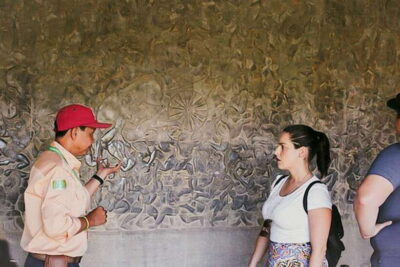
Angkor Wat 2-Day Tour with Sunrise and Sunset
Read our review →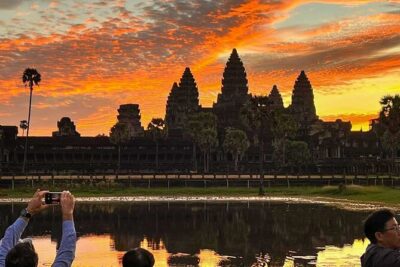
Angkor Wat Sunrise tour with Small – Group and Guide tours
Read our review →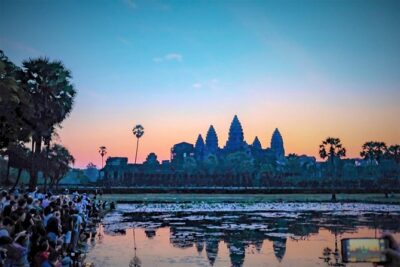
Angkor Wat Highlights and Sunrise Guided Tour from Siem Reap
Read our review →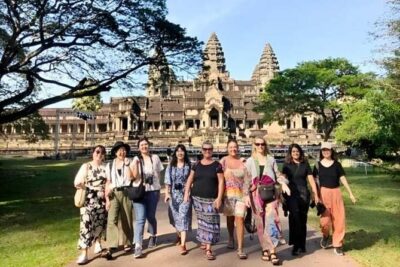
Angkor Wat Sunset Small Group Tour with Lunch Included
Read our review →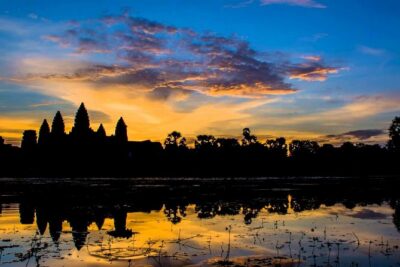
Full-Day Angkor Wat Sunrise Private Tour with Guide from Siem Reap
Read our review →Browse the lists this tour appears in