
Review · ANGKOR WAT TOURS
2 Day Cambodia Private Guided Tour in Angkor Temples
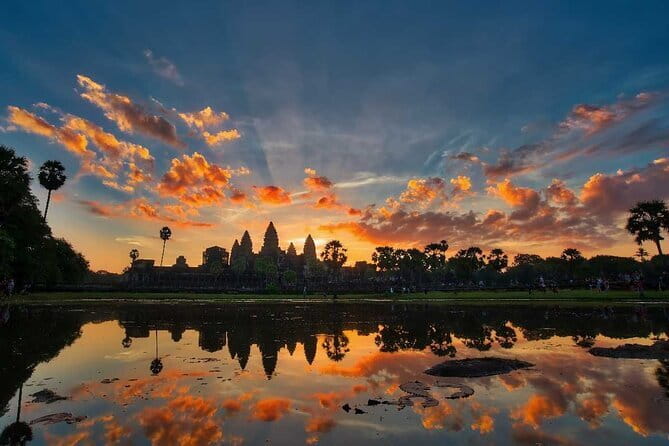
Sunset at Angkor hits different. This private 2-day plan balances the big classics like Angkor Wat with calmer temple moments, and I especially like the hotel pickup plus private air-conditioned vehicle that keeps you moving without the hassle. The licensed English-speaking guide also helps you connect what you see to the Khmer Empire story, and you’ll get water and fresh tissue along the way. One thing to consider: the Angkor Pass and meals are extra, and with lots of stone steps, heat can turn your pace into a slow-and-steady game.
I also like how the schedule is built around the key visual “payoffs.” Day 1 ends with Phnom Bakheng sunset, while day 2 adds the pink sandstone detail work at Banteay Srei and then spreads out through the quieter Grand Circuit temples. In the past, guides such as Mr Lorn Leap (with driver Sophal) and Sara (with a tight, well-timed routine) have been singled out for making the temples easier to understand, not just harder to pronounce.
If you want a private experience that feels thoughtful, not rushed, this is a strong fit. Just go in knowing you are trading “lots of free time” for “maximum temple variety in two days,” and you’ll get the best results by dressing for sun and wearing shoes you can walk in for hours.
In This Review
- Key things to know before you go
- Why this 2-day private Angkor plan works
- Price and what you actually get for the money
- Comfort and logistics: hotel pickup to AC rides
- Day 1: Angkor Thom South Gate, Bayon, terraces, Ta Prohm, Angkor Wat, and sunset at Phnom Bakheng
- Angkor Thom South Gate
- Bayon Temple
- Royal terraces at Angkor Thom
- Ta Nei and Ta Prohm
- Angkor Wat
- Phnom Bakheng sunset
- Day 2: Banteay Srei, Pre Rup, Ta Som, Neak Pean, Preah Khan, and Banteay Prei
- Banteay Srei
- Banteay Samre and Pre Rup
- Ta Som and Neak Pean
- Preah Khan and Banteay Prei
- Quick food break
- Guides, drivers, and why their style changes your day
- The Angkor Pass, meals, and budget checklist
- Timing, heat, and what to wear for temple walking
- Who this tour is best for
- Should you book this 2-day private Angkor tour?
- FAQ
- What is included in the price?
- Do I need to buy the Angkor Pass?
- Are meals included?
- How long is the tour?
- Is this tour private?
- What temples are covered across the two days?
- Can I cancel for a full refund?
Key things to know before you go
- Private pickup, AC driving, and included water: hotel-to-temple logistics are handled for you, with cool drinks and tissue during the day.
- Official licensed English-speaking guide: you get commentary that explains why each temple looks the way it does, not only what it’s called.
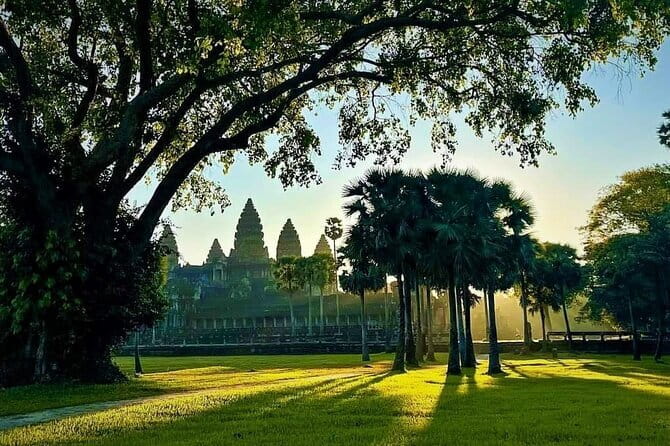
- Real sunset focus at Phnom Bakheng: the day is paced so you can land at the best viewpoint window for panoramic photos.
- A mix of major and lesser-seen temples: Angkor Wat and Bayon sit beside Ta Prohm, terraces at Angkor Thom, and more spread-out stops.
- Angkor Pass is required, but the guide helps: entrance fees are not bundled in the price, yet purchase at the park is supported.
Why this 2-day private Angkor plan works
Angkor can feel like a blur if you do it on your own. Roads, ticketing, and “which temple is next” can eat up your energy, especially when the heat starts stacking up. This tour’s real value is that it organizes the day into a logical route, so you spend time looking, not figuring.
Two days also gives you a better rhythm than a one-day sprint. You get the headline monuments early, then the second day leans into variety, including temples with very different stone colors and layouts. That matters because Angkor is not one style. It shifts between Hindu and Buddhist influences, and you notice it faster when you can compare temples side by side.
The private format is another practical win. Your guide can steer you toward what you care about most, whether that means faster photo time or slower walking through the carvings. Past experiences with guides like Leap and Sara have also highlighted how much “small timing choices” can improve your day, like when to pause and when to keep moving.
More Angkor Wat tours in Siem Reap:
- Angkor Wat Sunrise or Sunset Tour with Guide from Siem Reap
★ 5.0 · 12,109 reviews - Siem Reap: Angkor Wat: Small-Group Sunrise or Sunset Tour
★ 5.0 · 9,444 reviews - Siem Reap: Angkor Wat 2-Day Tour with Sunrise and Sunset
★ 4.9 · 4,429 reviews
Price and what you actually get for the money
This costs $113.05 per person for about 2 days. That sounds like a bargain when you consider what’s included: hotel pickup and drop-off, an official licensed guide, and private air-conditioned transportation between sites. You also get cool drink water and fresh tissue during the tour, which is not just a nice touch. In Siem Reap heat, it keeps you functional.
What’s not included is equally important. You’ll pay for tips for the guide and driver, and you’ll need an Angkor Pass for temple access. Meals are also on you. Lunch is available at local restaurants with vegetarian and non-vegetarian choices, with typical menu prices around $3 to $10 per dish.
So the way to think about value is simple. You are paying for the guide’s time, the private vehicle convenience, and the smooth temple-to-temple flow. You are not paying for park entry or your meals. If you’re the kind of person who wants your day handled end to end, this price can feel very fair.
Comfort and logistics: hotel pickup to AC rides
Your day starts with pickup from your Siem Reap hotel. You’ll meet the guide and driver at the hotel lobby, then shift straight into the private vehicle. This is a small thing that makes a big difference. You do not waste the morning hauling bags, tracking directions, or waiting around.
During the tour, you travel by private air-conditioned vehicle, and you get water and fresh tissue. The guide-led pace also helps you avoid the classic Angkor problem where you get to a temple tired, sweaty, and irritated, then you rush through because you feel behind.
If you’re traveling with a partner or small group, the private format is especially handy. One review experience described how a small group of three benefited from private freedom to explore at your own pace. That is what you want at Angkor, because the “right” pace changes depending on where you’re standing and what you’re photographing.
Day 1: Angkor Thom South Gate, Bayon, terraces, Ta Prohm, Angkor Wat, and sunset at Phnom Bakheng
Day 1 is the heavy visual day. You start at Angkor Thom South Gate, then move through Bayon and the royal-area temples, then shift into Ta Prohm and Angkor Wat, and finally end with sunset at Phnom Bakheng.
A few more Siem Reap trips to compare
- Full-Day Angkor Wat Sunrise Private Tour with Guide from Siem Reap
★ 5.0 · 2,920 reviews - Siem Reap: Angkor Wat Private Tuk-Tuk Tour
★ 4.9 · 2,222 reviews - Angkor Wat Private Day Tour from Siem Reap
★ 5.0 · 834 reviews - Angkor Wat Private Tuk-Tuk Tour (sunrise Option) & more
★ 5.0 · 439 reviews
Angkor Thom South Gate
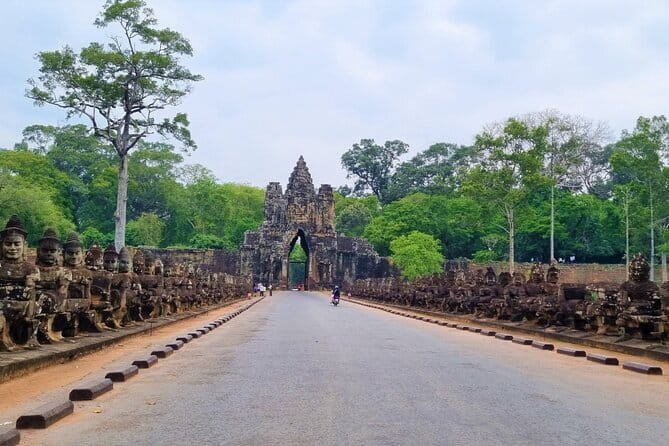
The South Gate is a popular starting point because it’s well restored. Many of the stone faces remain in place, and the gate is on the main road into Angkor Thom from Angkor Wat. This is a smart first move because it gives you orientation fast: you see the scale of the city layout immediately.
A good consideration here is time and sun. You may spend short blocks at multiple places back to back. Wear a hat, and don’t underestimate how quickly morning glare can fatigue you.
Bayon Temple
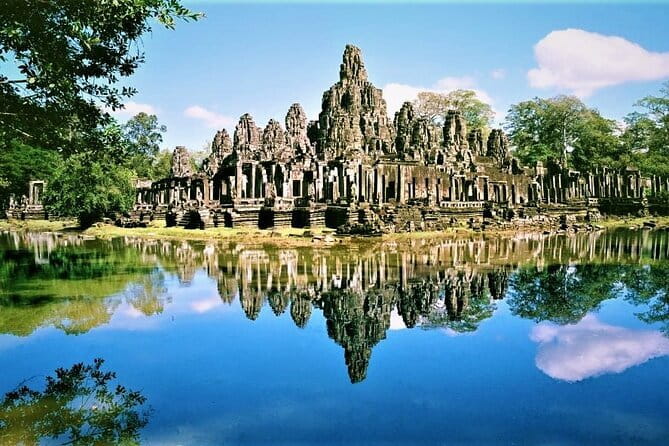
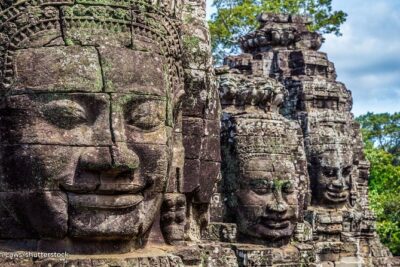
Next is Bayon Temple, built during Jayavarman VII’s reign. It’s special for two reasons: it’s the only Buddhist state temple in the Angkor Empire and it was also the last major temple to be built in that phase. The iconic stone faces make this an easy “you get it instantly” stop, but your guide can help you notice deeper details in the bas-reliefs and arrangement.
Royal terraces at Angkor Thom
You’ll then visit key structures connected to the royal complex, including Baphuon, Phimeanakas, the Terrace of the Elephants, and the Terrace of the Leper King. These are the stops that turn “I saw photos online” into “I understand the theater of power.”
The Terrace of the Elephants focuses on movement and processions, while the Terrace of the Leper King is known for dramatic bas-reliefs both inside and out. If you like architecture that shows daily life, not only gods and kings, these terraces are a real highlight.
A practical drawback is that these sites can be visually crowded. The trick is to pause for a few minutes at one strong viewing angle instead of hopping everywhere. Let your eyes adjust.
Ta Nei and Ta Prohm
After the royal zone, the itinerary shifts to Ta Nei Temple and then Ta Prohm. Ta Nei is a late 12th-century stone temple dedicated to Buddha, near the East Baray. It’s a nice change of pace because it gives you a calmer, quieter feel between the larger headline monuments.
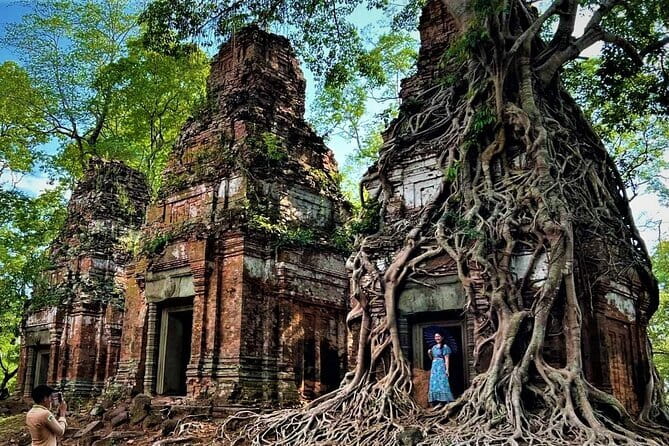
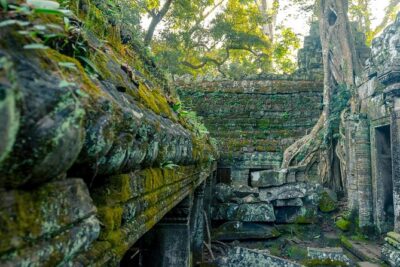
Ta Prohm is next, and it’s famous because the jungle still interacts with the ruins. It was left largely untouched by archaeologists except for paths for visitors and strengthening to preserve structures. That means you see the “temple meeting nature” look, and you get lots of strong photo compositions.
Angkor Wat
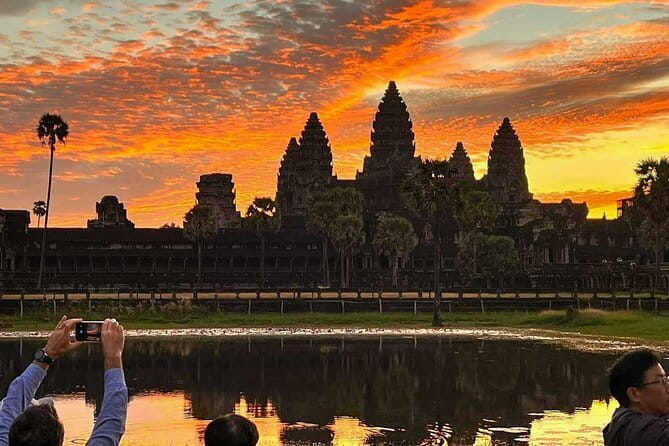
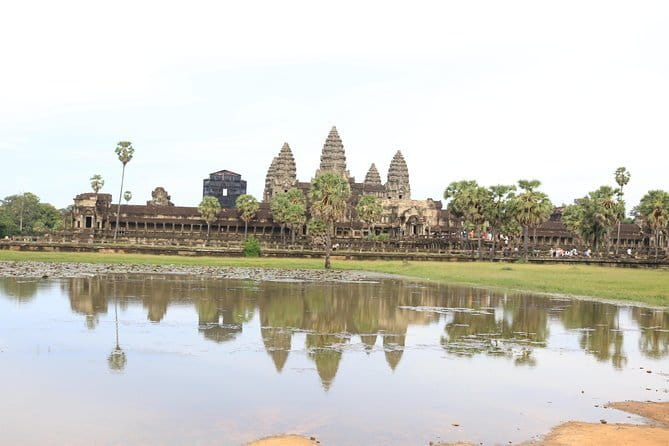
Then comes Angkor Wat, the best preserved and the largest religious monument in the Angkor group. What I like about doing it on day 1 is that it gives you a foundation. Once you’ve seen the scale and symmetry here, the rest of the day feels more legible.
Phnom Bakheng sunset
Finally, you reach Phnom Bakheng, the highest temple in the park, and a temple mountain honoring Shiva. The big payoff is the panoramic view over the whole Angkor area at sunset. This stop works best when you treat it like a slow moment, not a photo sprint.
A heads-up: sunset options draw strong crowds at major viewpoints. Going in with patience pays off. If you’re a “sit and wait” person, you’ll enjoy this more than if you want constant forward motion.
Day 2: Banteay Srei, Pre Rup, Ta Som, Neak Pean, Preah Khan, and Banteay Prei
Day 2 is where the tour stretches out. You get fewer of the biggest mega-sites and more temples that reward close looking: pink sandstone carvings, small peaceful ruins, and distinctive water and pond features.
Banteay Srei
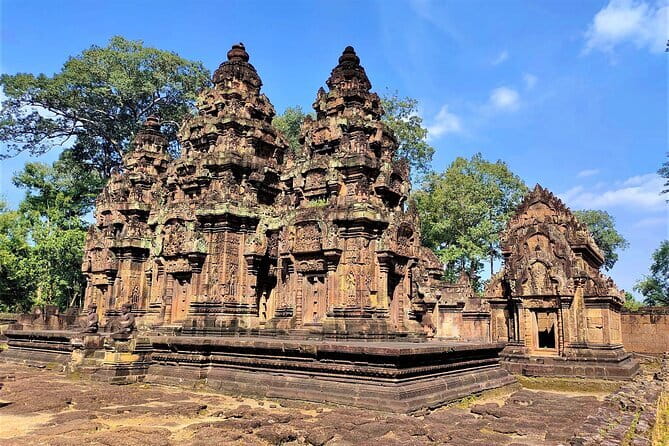
Start with Banteay Srei, famous for its pink sandstone carvings. It’s often described as a precious work of Khmer art, and the appeal is that the stonework feels intricate compared to the bulkier temples. If you enjoy details, this is one of the best places to focus your attention.
The two-hour block here makes sense. This is the kind of site where you want time to walk the paths and look at carving panels without rushing.
Banteay Samre and Pre Rup
Then you’ll go to Banteay Samre, restored using an anastylosis method. That restoration approach matters because it helps preserve the temple’s original parts, but the lack of maintenance over time can still show. The result is a place where you can sense both the care and the weathering.
Next is Pre Rup, known for bold architectural design and its balance and proportion. It’s similar in style to the East Mebon, but built several years later. That style comparison is a great thing for your guide to point out, because once you see similarities, you start understanding why rulers built what they built.
Ta Som and Neak Pean
You’ll visit Ta Som next, a small temple that is not restored. That lack of restoration is part of the charm. If you like quieter stops, Ta Som is the kind of place where you can hear your own footsteps and focus on the layout rather than the polish.
After that comes Neak Pean, with its large square man-made pond, bordered by steps and surrounded by four smaller structures. The pond detail is a nice change from purely temple-front views, and it gives you a different kind of “wow,” tied to how the Khmer designed water as part of spiritual space.
Preah Khan and Banteay Prei
Then it’s Preah Khan, located about 2 kilometers northeast of Angkor Thom on the Grand Circuit. It was built in the second half of the 12th century by King Jayavarman VII and dedicated to his father Dh. That kind of lineage detail helps you see the temple not as an isolated monument, but as part of a political and spiritual message.
Finally, Banteay Prei appears, a rarely visited minor temple near another small temple called Prasat Prei. It’s the kind of stop that’s best for people who enjoy going beyond the main list and don’t mind a quieter, less dramatic experience.
Quick food break
The tour also includes a stop with Om Pich steamed Toddy Palm Cake in the Prashdak Village area. It’s a short break, and it’s a good way to try something local without turning lunch into a whole production.
Guides, drivers, and why their style changes your day
Angkor is big, but it’s also repetitive in a good way. You see stone faces again, reliefs again, sanctum shapes again. The guide’s job is to keep you from mentally tuning out. That’s why licensed English commentary matters.
In multiple experiences linked to this tour, guides like Mr Lorn Leap and Sara were praised for being friendly and passionate, and for explaining without turning it into a lecture. One practical note also came up: keeping people hydrated. Guides paired with drivers such as Sophal and Ry made sure water and cool breaks were part of the rhythm.
What you should look for in your own day is simple. Ask yourself whether you feel like you’re learning something with each stop, even if it’s just one clear idea. A good guide can do that quickly, then get you back to seeing.
Also remember you’re in private mode. If you need an extra photo moment or want a bathroom stop, you can usually adjust more easily than on a group bus.
The Angkor Pass, meals, and budget checklist
Entrance fees aren’t included, and that means you need the Angkor Pass to cover temple access. The tour guide will assist you in purchasing it right at the entrance of Angkor Park before starting your day’s temple route.
This is one of those areas where planning saves stress. Bring your passport or the ID you need for ticketing. Wear comfortable clothing you can take in and out of the heat. And keep an eye on time because you do want to start temple walking with energy.
Meals are flexible. Lunches are available at local restaurants with vegetarian and non-vegetarian options, typically $3 to $10 per dish. In practice, I recommend treating lunch as a reset, not a delay. You’ll feel better if you eat something simple, then get moving again.
Finally, tips for the guide and driver are separate. Even if it’s easy to forget, plan a small budget so you do not have to scramble at the end.
Timing, heat, and what to wear for temple walking
Siem Reap weather can turn a good plan into a survival test. One past timing note pointed out how hot it can be in April, so this is not the day for fancy shoes or thin socks.
You’ll be walking between multiple temples, often with stair sections. So go with breathable clothes, a hat, and shoes with solid grip. Bring sunscreen. Even if you rely on shade, you will still stand in open light for photos, especially at viewpoints.
Also, when you plan your photo strategy, don’t stand in one spot for too long at the end of the day. Heat builds. Take your shots, then rotate to find a cooler angle or a brief pause under any available cover.
If rain happens, it can change the feel of Angkor, sometimes making surfaces dramatic for photos. In any weather, your best move is to stay patient and follow your guide’s pace so you don’t rush through the wrong moments.
Who this tour is best for
This is best for you if you want:
- Private, licensed guidance through the main Angkor highlights and supporting temples
- A plan that includes sunset time at Phnom Bakheng
- A comfortable pace using hotel pickup and AC transport
- A good mix of big names like Angkor Wat and more detailed stops like Banteay Srei
It may not be ideal if you want total freedom to wander for hours with no structure. This itinerary is packed with many sites, and while the “private” part helps you adjust, the route still aims to hit a lot in two days.
Should you book this 2-day private Angkor tour?
I think this is a smart booking if you want Angkor organized for you, with a real guide behind the wheel. The included private AC transfers, the official English-speaking guide, and the Phnom Bakheng sunset focus give you a “best use of two days” feel.
Book it if you’re the type who likes understanding what you’re seeing, not just collecting stamps. If you’re traveling with only two people or a small group, the private format makes the price feel even more reasonable because you’re paying for comfort and clarity, not splitting a crowded experience.
Skip it or consider something more flexible if you hate packed schedules, dislike paying extras like the Angkor Pass, or want long solo time at each site without time pressure. Otherwise, this tour is a solid, practical way to see a lot of Angkor while keeping your day manageable.
FAQ
What is included in the price?
The price includes hotel pickup and drop-off in Siem Reap, an official licensed tour guide with excellent English skills, private air-conditioned vehicle transfers, and cool drink water plus fresh tissue during the tour.
Do I need to buy the Angkor Pass?
Yes. Entrance fees are not included, and the Angkor Pass covers the temples in the itinerary. Your guide will assist you with purchasing it at the entrance of Angkor Park before starting.
Are meals included?
No. Meals are at your own expense. Lunches are available at local restaurants with vegetarian and non-vegetarian options, typically around $3 to $10 per dish.
How long is the tour?
It is a 2-day tour, approximately.
Is this tour private?
Yes. It is a private tour, meaning only your group will participate.
What temples are covered across the two days?
The tour includes Angkor Thom South Gate, Bayon Temple, Baphuon Temple, Phimeanakas, Terrace of the Elephants, Terrace of the Leper King, Ta Nei Temple, Ta Prohm, Angkor Wat, Phnom Bakheng sunset, plus Banteay Srei, Banteay Samre, Pre Rup, Ta Som, Neak Pean, Preah Khan, and Banteay Prei. A stop for Om Pich steamed Toddy Palm Cake is also included.
Can I cancel for a full refund?
You can cancel for a full refund if you cancel up to 24 hours in advance. If you cancel less than 24 hours before the experience start time, the amount paid is not refunded.
Newly listed around Siem Reap
- Sambor Prei Kuk Off Beaten Track★ 5.0 · 3 reviews
- Siem Reap Airport Taxi Transfer – City Center Hotels★ 5.0 · 5 reviews
- Short Cycling at Countryside★ 5.0 · 29 reviews
- Unveiling the Mystical Beauty of Phnom Kulen National Park★ 5.0 · 6 reviews
- Angkor Wat at Sunrise★ 4.0 · 7 reviews
- Bakong Temples & Floating Village Tour★ 4.5 · 3 reviews
- Rooftop Romantic Dinner – 4 Courses Set Meal & Wine★ 3.5 · 5 reviews
- Khmer Cooking Class in Cambodia★ 5.0 · 36 reviews
Angkor Wat Tours, compared.
Angkor Wat Sunrise or Sunset Tour with Guide from Siem Reap
Read our review →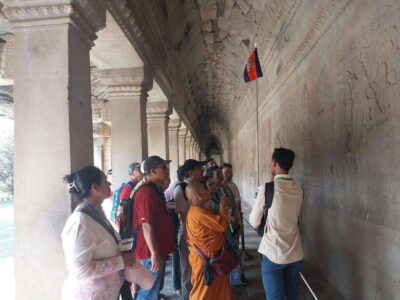
Angkor Wat: Small-Group Sunrise or Sunset Tour
Read our review →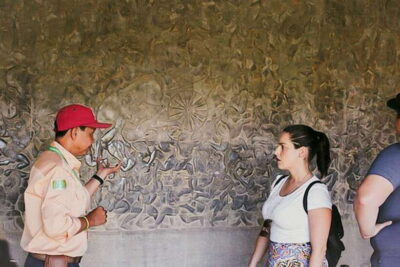
Angkor Wat 2-Day Tour with Sunrise and Sunset
Read our review →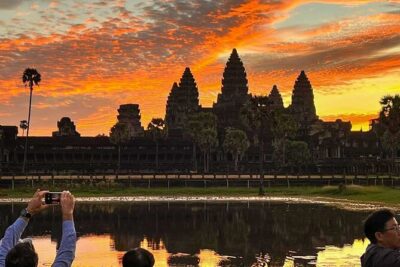
Angkor Wat Sunrise tour with Small – Group and Guide tours
Read our review →
Angkor Wat Highlights and Sunrise Guided Tour from Siem Reap
Read our review →
Angkor Wat Sunset Small Group Tour with Lunch Included
Read our review →
Full-Day Angkor Wat Sunrise Private Tour with Guide from Siem Reap
Read our review →Browse the lists this tour appears in