
Review · ANGKOR WAT TOURS
2 Days Angkor temples with Sunrise & Sunset
Angkor at sunrise feels like hitting replay. This 2-day Angkor temples tour is built around the big light moments, with Sunrise at Angkor Wat plus an evening sunset plan at South Gate of Angkor Thom or Phnom Bakheng, while still covering a long list of classic sites. I love how focused it is on the major temples, and I love that it comes with an English-speaking guide and AC transport. One drawback to plan for: entrance fees are not included, and you must also follow the strict temple dress code.
On the people side, I like that the tour is private, so you only share the schedule with your group. In past tours with guides like Bunpheng, Pheng, and Bupheng, punctuality and professionalism showed up, and it also sounds like they can adjust the plan if you have a tight timeline, like a short stay in Siem Reap.
The other consideration is the timing. The sunrise start is early, usually 4:30am or 5am depending on the season, so you need an early night and realistic expectations about sleepy mornings.
In This Review
- Key Highlights to Know Before You Go
- What You’re Really Buying With This $115 Two-Day Tour
- The Day 1 Temple Circuit: From Small Towers to Big-Scene Angkor Thom
- Prasat Kravan, a quiet start with brick towers
- Banteay Kdei, a Buddhist citadel of chambers
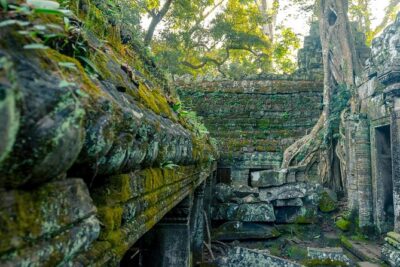
- Ta Prohm, the temple with the jungle embrace
- Ta Keo, the unfinished state temple
- Angkor Thom, the capital area and its famous viewpoints
- Phnom Bakheng, a Shiva temple mountain for golden light
- Day 2 Sunrise at Angkor Wat, then the Smaller Temples You Remember
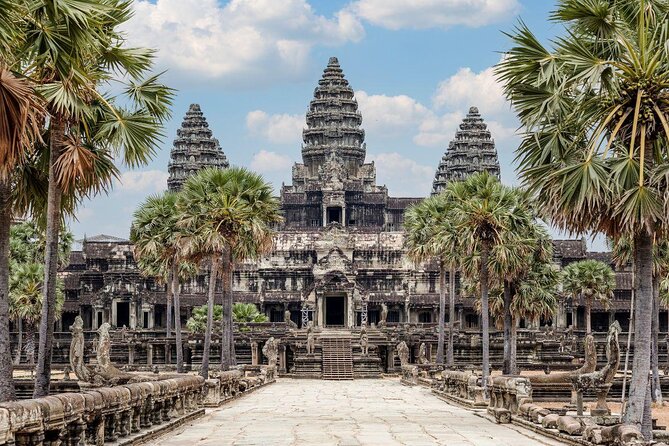
- Angkor Wat at first light
- Pre Rup, another classic Khmer moment
- East Mebon and Banteay Srei, where the carvings feel close
- Banteay Samre, a smaller replica feeling
- Ta Som and Neak Pean, Buddhist spaces with a quieter rhythm
- Preah Khan, Royal Sword and the later-day temple atmosphere
- The Sunset Component: South Gate or Phnom Bakheng
- Tickets, Dress Code, and Timing Tips That Keep You From Losing Time
- The 3-day Angkor Pass is your main ticket
- Strict temple dress code means you need a plan
- The early morning start is real
- Private Guide Energy: Why the Best Part Might Be the Person With You
- Who This Tour Fits Best
- Should You Book This 2 Days Angkor Temples Tour?
- FAQ
- What time do you start for sunrise at Angkor Wat?
- What is included in the price?
- Are temple entrance fees included?
- Do I need the correct clothing for the temples?
- How does the sunset work on this tour?
- Can I cancel if my plans change?
Key Highlights to Know Before You Go
- Sunrise at Angkor Wat with an early departure time (4:30am or 5am)
- Sunset choice between South Gate of Angkor Thom and Phnom Bakheng
- A wide temple sweep across Angkor World Heritage, including Ta Prohm and Ta Keo
- Banteay Srei is free for this tour, which helps your ticket budget
- Private group experience with an English guide and AC vehicle
- Cold drinking water provided, so you can focus on walking and photos
What You’re Really Buying With This $115 Two-Day Tour
At $115 per person, this tour is paying for the day structure, the guide, and the logistics inside the Angkor park. That matters because Angkor is spread out, and the route planning is half the battle. You’re also getting AC transportation or a similar vehicle setup, plus cold drinking water, which is a small thing that makes a noticeable difference when you are out for hours.
Do budget for what is not included. Entrance fees require an Angkor Pass, and the tour specifies a 3-day pass at $62 per person. On top of that, food and drinks and your accommodation are on you. So a realistic “all-in” starting point is $115 + $62 for the pass, then add meals.
Value-wise, I see the best fit for travelers who want sunrise and sunset, but do not want to piece everything together themselves. If you are comfortable DIY planning and already have your pass lined up, you might save money elsewhere. But if you want a clear route, an English guide, and reliable transportation, this format is easy to say yes to.
More Angkor Wat tours in Siem Reap:
- Angkor Wat Sunrise or Sunset Tour with Guide from Siem Reap
★ 5.0 · 12,109 reviews - Siem Reap: Angkor Wat: Small-Group Sunrise or Sunset Tour
★ 5.0 · 9,444 reviews - Siem Reap: Angkor Wat 2-Day Tour with Sunrise and Sunset
★ 4.9 · 4,429 reviews
The Day 1 Temple Circuit: From Small Towers to Big-Scene Angkor Thom
Day 1 is a classic Angkor day, built to cover several distinct temple vibes without making you bounce around too much. It also includes fairly tight visit windows, which is good for keeping momentum, even if you end up wanting more time at a couple of stops.
Prasat Kravan, a quiet start with brick towers
You begin with Prasat Kravan, a small 10th-century temple made of five reddish brick towers sitting on an elevated terrace. The modern Khmer name is Prasat Kravan. This is not the loudest temple on the circuit, but that is exactly why it works early in the day. You get a slower start and time to reset your eyes before the bigger, more crowded scenes.
Admission is not included for this stop, so plan on relying on your Angkor Pass for entry.
Banteay Kdei, a Buddhist citadel of chambers
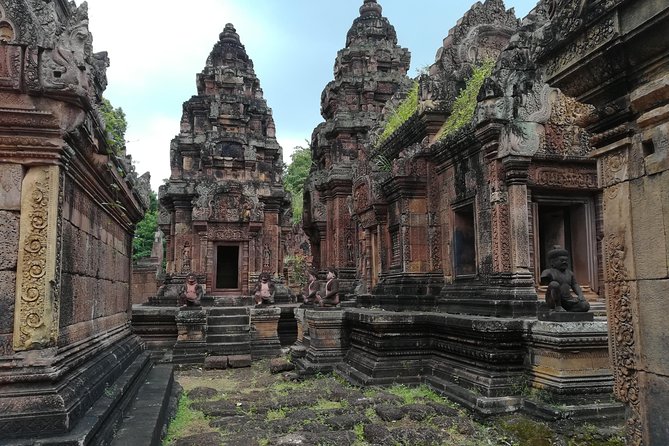
Next is Banteay Kdei, which means a citadel of chambers. It was built in the late 12th and early 13th century by King Jayavarman VII. The temple is Buddhist, and the layout is often the kind of place where you can lose track of time because of the repeating corridors and chambers.
The tour gives it about 40 minutes. That is a good length for walking the main areas and still having time to notice carvings and doorways.
A different kind of day in Cambodia:
- From Siem Reap: Kampong Phluk Floating Village Tour by Boat
★ 4.9 · 6,979 reviews - Sunset tour of Kampong Phluk stilts home village on the Tonle Sap
★ 5.0 · 4,865 reviews - Siem Reap: Kampong Phluk Floating Village Tour with Boat
★ 4.9 · 3,843 reviews - Siem Reap: Full-Day Angkor Wat Guided Tour with Sunset
★ 4.9 · 3,803 reviews
Ta Prohm, the temple with the jungle embrace
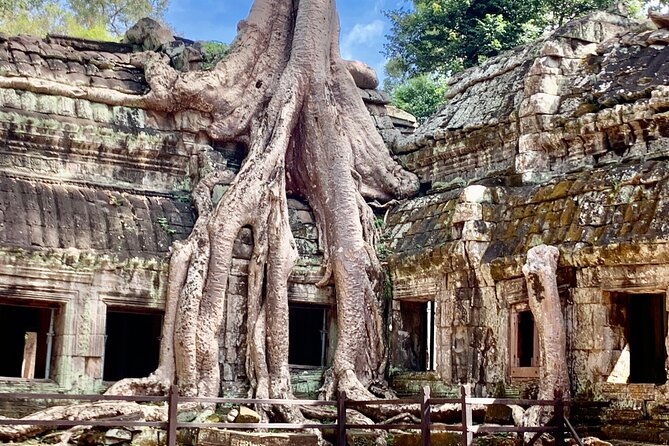
Then comes Ta Prohm, built in the Bayon style in the late 12th and early 13th century. It was originally a Buddhist monastery and university. What you likely picture when you think of Ta Prohm, the surviving roots and the way trees frame the stone, is a big reason this stop is famous.
You get about 1 hour here. If you like photos, Ta Prohm is one of the places where a good guide helps you find angles fast, so you do not spend the hour wandering aimlessly.
Ta Keo, the unfinished state temple
After Ta Prohm, the tour heads to Ta Keo, the state temple for Jayavarman V. Construction began in 975 AD, and the temple was never finished. Stories exist about why it stayed unfinished, but the bigger takeaway for your visit is that you see ambition without completion, which gives the ruins a different texture than temples that feel fully formed.
Plan for about 30 minutes. It is enough to climb and look outward, then step back to take in the temple silhouette.
Angkor Thom, the capital area and its famous viewpoints
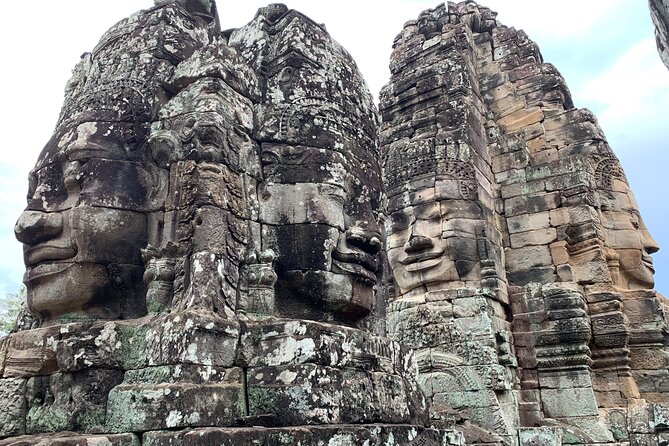
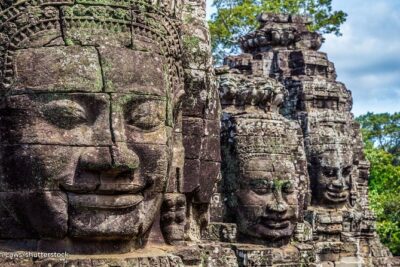
Angkor Thom is where the day starts feeling like a grand set. This ancient capital city of the Khmer Empire includes the Royal Palace area, the Terrace of the Elephants, the Terrace of the Leper King, the Bayon temple, and the South Gate. The tour also includes time for the South Gate bridge area.
You get around 2 hours. That is a fair amount, but Angkor Thom can still tempt you to linger. A guide helps you prioritize so you do not end up spending all your time near one viewpoint.
Phnom Bakheng, a Shiva temple mountain for golden light
Day 1 ends with Phnom Bakheng, a temple mountain dedicated to Shiva, built by King Yasovarman in the late 9th century. Phnom means hill or mountain in English, and the design is about going upward to reach the top.
The tour lists about 40 minutes here. Even if you are not treating it as a full sunset stop on Day 1, Phnom Bakheng is the kind of place that rewards timing, since the light changes as the day cools down.
Day 2 Sunrise at Angkor Wat, then the Smaller Temples You Remember
Day 2 is where the tour earns its keep. You start early to watch sunrise at Angkor Wat, with a departure around 4:30am or 5am depending on the season. After sunrise, you move on to the main temple complex.
That early start is the big trade-off. You might feel sleepy at check-in time, but the whole point is to catch Angkor Wat in the calm hours when the temple feels like it is holding its breath.
Angkor Wat at first light
Angkor Wat is the largest religious monument in the area, and this visit is built around the experience of being there right as the day begins. The tour gives about 3 hours total time for the sunrise experience and then the main temple visit.
If you like photography, sunrise is the moment people obsess over for a reason. If you do not, you can still love the difference in atmosphere, and the fact that you get to walk the site without the day heat pushing you around.
Admission is not included for this stop, so your 3-day pass is key.
Pre Rup, another classic Khmer moment
After sunrise time, the tour goes to Pre Rup. It is listed as Stop 2. This is a temple visit with about 30 minutes allotted in the schedule. Even with limited time, Pre Rup works well because it is a viewpoint-style stop, and you can take in the stonework and the layout without needing to memorize every architectural detail.
East Mebon and Banteay Srei, where the carvings feel close
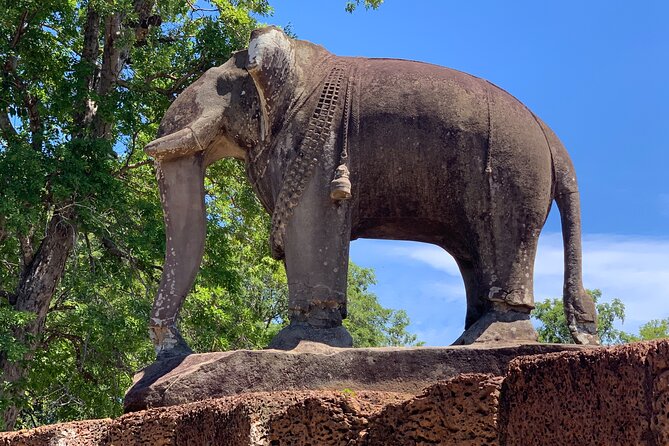
Next is East Mebon. It is described as an early Khmer architecture example built in the 10th century. The visit window is about 20 minutes.
Then comes Banteay Srei, known as the Citadel of Women. This temple is famous for fine carvings, and the lore says the carvings were done by a woman due to their delicate nature. The schedule gives about 1 hour.
Here is one cost advantage: Banteay Srei is listed as admission free for this tour. That means you can spend more of your budget on actually being in the park, rather than worrying about adding another extra ticket line.
Banteay Samre, a smaller replica feeling
Banteay Samre is next. It is a Hindu temple built in the early 12th century by Kings Suryavarman II and Yasovarman II, dedicated to Vishnu. The tour notes it feels like a smaller replica of Angkor Wat. It gets about 40 minutes.
This is a good mid-day pacing stop. You still get the temple drama, but it does not demand the same level of time pressure as some of the bigger names.
Ta Som and Neak Pean, Buddhist spaces with a quieter rhythm
After Banteay Samre, you visit Ta Som, a Buddhist temple built by King Jayavarman VII in the end of the 12th century dedicated to Lokesvara Buddha. The visit is about 20 minutes.
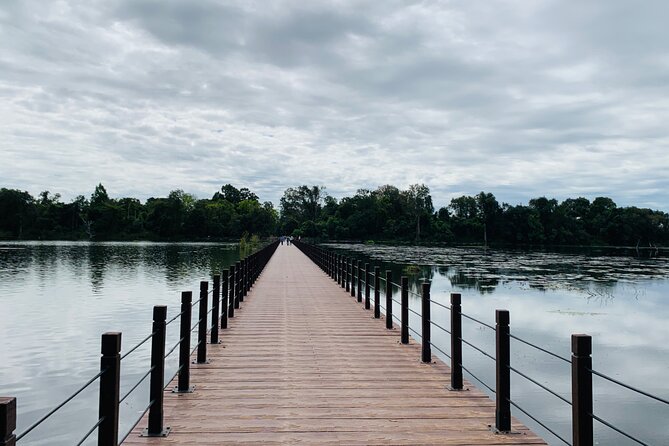
Then comes Neak Pean, built in the 12th century by Jayavarman VII. The name means entwined serpents, and it is a Buddhist temple built on a man-made island in the middle of man-made lake. You get about 30 minutes.
If you like slowing down and watching how people move through the temple paths, these two stops give you a different tempo than the major hub areas.
Preah Khan, Royal Sword and the later-day temple atmosphere
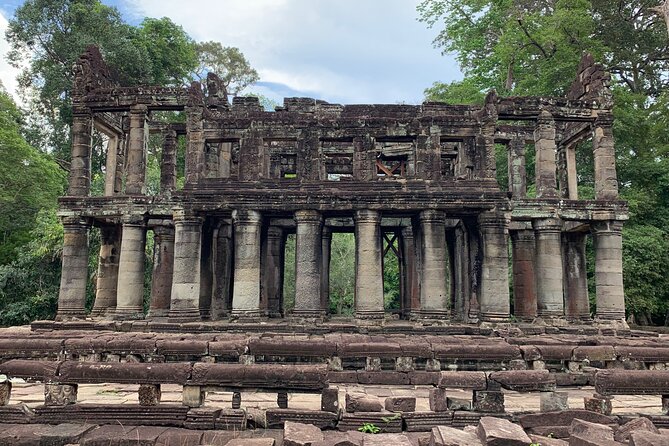
The final stop listed for Day 2 is Preah Khan. The tour says it translates into Royal Sword and was built by King Jayavarman VII dedicated to his late father. It is located about 1 km north of the ancient city of Angkor Thom, and the schedule gives about 50 minutes.
This ending time is helpful because it gives you enough breathing room to see the temple without rushing right into the next event. It is also a solid place to connect themes across the circuit, since you have already seen a range of styles and religions across multiple reigns.
The Sunset Component: South Gate or Phnom Bakheng
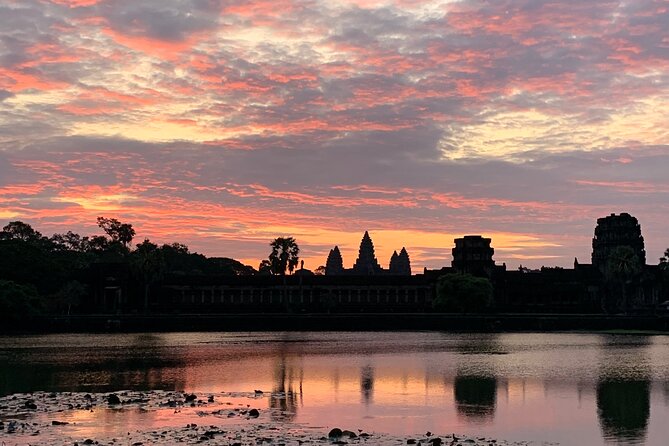
The tour overview promises sunset at either the South Gate of Angkor Thom or Phnom Bakheng. That matters because both locations give different moods.
South Gate of Angkor Thom ties your sunset to the capital-city theme. Phnom Bakheng adds the temple mountain viewpoint feeling. If your priority is stone geometry and gateway framing, South Gate tends to fit that. If you want the climb-and-view payoff, Phnom Bakheng is usually the draw.
Since sunset timing can shift with season, crowds, and light levels, the key practical tip is simple: wear comfortable shoes that you trust on stone, and bring layers. Evening at Angkor can cool down faster than you expect.
Tickets, Dress Code, and Timing Tips That Keep You From Losing Time
This tour is built for temple access, but it runs into two common trip-killers: entry tickets and clothing rules.
The 3-day Angkor Pass is your main ticket
Entrance fees are not included, and the tour specifically calls out that you need an Angkor Pass, listed as a 3-day pass at $62 per person. One important nuance: you might be tempted to think that a 2-day tour means you only need 2 days of tickets. The tour is clear that you need the 3-day pass, so plan your budget accordingly.
Strict temple dress code means you need a plan
The tour states strict dress code rules: you must cover thighs and shoulders when entering the temple complex. If you are not properly dressed, you may be refused entrance to the temples. That is not a warning to ignore.
If you want to be practical, pack or wear:
- long pants or a long skirt that covers thighs
- a shirt or top that covers shoulders
The early morning start is real
Day 2 sunrise starts around 4:30am or 5am, depending on season. Even if you are a morning person, the logistics of being ready on time matters. If you are staying in town, aim to be fully prepared before pickup so you are not rushing in daylight you cannot afford.
Private Guide Energy: Why the Best Part Might Be the Person With You
This is a private tour for your group, with an English-speaking guide and an AC vehicle. That combination is more than comfort. It changes how the day feels.
When guides like Bunpheng are punctual and professional, you spend less time waiting and more time seeing. When guides like Bupheng show strong photography instincts, you get better shots without standing around asking strangers for help. When guides like Pheng are able to adapt and share Cambodia context in a way that works for a range of visitors, the sites become more than stone and brick. You start noticing patterns across kings, styles, and purposes.
Also, the tour experience is described as customizable, which is useful if your schedule is unusual. If you have a short stay in Siem Reap, or you care about a specific temple order, ask about adjusting the routing before you lock it in.
Who This Tour Fits Best
This is a strong match if you:
- want sunrise and sunset without planning every step yourself
- like an organized route with fixed stop windows
- want an English-speaking guide for context at the major temples
- prefer a private setup over shared group buses
It may be less ideal if you:
- want lots of free time at each temple with no structure
- hate early mornings, since sunrise is scheduled around 4:30am to 5am
- already have your own transportation, guide, and ticket plan and just need a flexible itinerary
Should You Book This 2 Days Angkor Temples Tour?
I would book this if your priority is a complete Angkor hit in two days, with the light moments handled for you. The price is reasonable for what you are getting, especially the guide, the AC transport, and the structured temple sweep that hits everything from Ta Prohm to Angkor Thom.
I would think twice if you are on a tight budget and do not want to add the 3-day pass cost on top of the tour price. The dress code requirement can also be a pain if you show up in the wrong clothes, so take that seriously.
If you are the kind of traveler who wants the big names plus a thoughtful route, this works. If you want maximum free-form wandering, you might prefer a DIY plan. For most first-timers, though, this strikes a practical balance between time, access, and real guide value.
FAQ
What time do you start for sunrise at Angkor Wat?
The sunrise start time is listed as around 4:30am or 5am, depending on the season. After sunrise, the tour continues to the main Angkor Wat temple area.
What is included in the price?
The tour includes an English-speaking guide, transportation in an AC car or minivan or minibus, and bottles of cold drinking water. Pickup is also offered.
Are temple entrance fees included?
No. Entrance fees are not included, and you need an Angkor Pass. The tour notes that a 3-day Angkor Pass is required, listed at $62 per person.
Do I need the correct clothing for the temples?
Yes. The tour specifies a strict dress code. You must cover your thighs and shoulders when entering the temple complex, or you may be refused entrance.
How does the sunset work on this tour?
Sunset is scheduled at either the South Gate of Angkor Thom or Phnom Bakheng, depending on the tour plan.
Can I cancel if my plans change?
Yes, free cancellation is available up to 24 hours in advance for a full refund. If you cancel less than 24 hours before the start time, the amount paid is not refunded.
Newly listed around Siem Reap
- Sambor Prei Kuk Off Beaten Track★ 5.0 · 3 reviews
- Siem Reap Airport Taxi Transfer – City Center Hotels★ 5.0 · 5 reviews
- Short Cycling at Countryside★ 5.0 · 29 reviews
- Unveiling the Mystical Beauty of Phnom Kulen National Park★ 5.0 · 6 reviews
- Angkor Wat at Sunrise★ 4.0 · 7 reviews
- Bakong Temples & Floating Village Tour★ 4.5 · 3 reviews
- Rooftop Romantic Dinner – 4 Courses Set Meal & Wine★ 3.5 · 5 reviews
- Khmer Cooking Class in Cambodia★ 5.0 · 36 reviews
Angkor Wat Tours, compared.
Angkor Wat Sunrise or Sunset Tour with Guide from Siem Reap
Read our review →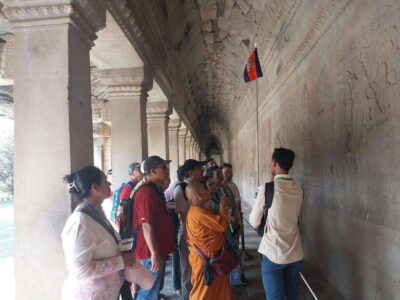
Angkor Wat: Small-Group Sunrise or Sunset Tour
Read our review →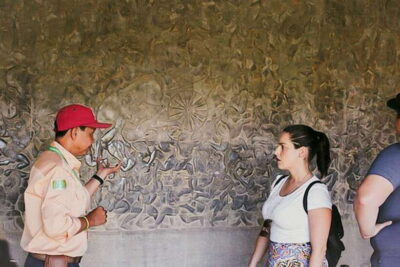
Angkor Wat 2-Day Tour with Sunrise and Sunset
Read our review →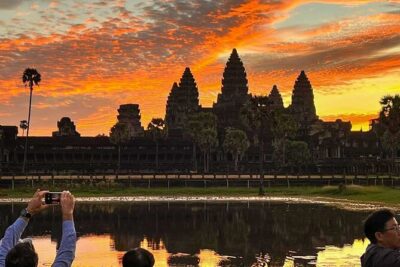
Angkor Wat Sunrise tour with Small – Group and Guide tours
Read our review →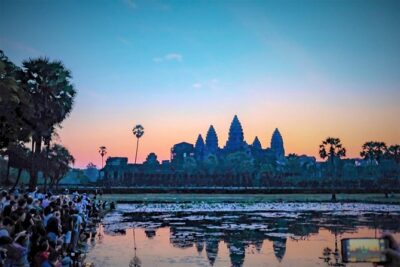
Angkor Wat Highlights and Sunrise Guided Tour from Siem Reap
Read our review →
Angkor Wat Sunset Small Group Tour with Lunch Included
Read our review →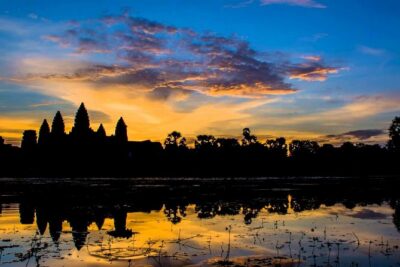
Full-Day Angkor Wat Sunrise Private Tour with Guide from Siem Reap
Read our review →Browse the lists this tour appears in