
Review · ANGKOR SUNRISE TOURS
2 Days Angkor Wat Sunrise and Sunset Private Tour
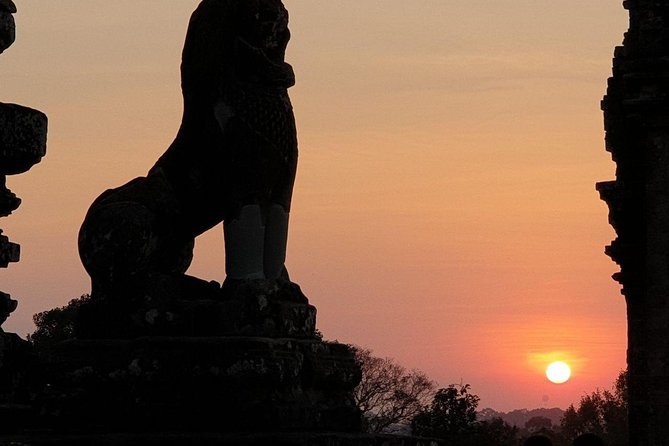
Sunrise at Angkor changes everything. This 2-day private tour is built around that golden light, and it packs in major sights across Angkor Wat, Angkor Thom, and the temple circuit. I love the way you get both sunrise and sunset instead of picking just one, and I also like the focused pacing between big-photo temples and smaller, quieter sites. One thing to consider is that the big temples ticket, the 3 Days Angkor Pass, is not included, so you’ll need to factor that into your total cost.
You’ll be traveling with an English-speaking guide in an air-conditioned vehicle, with free pickup and drop-off at city hotels, plus bottled water. The route also follows a smart mix of what people call the big and small temple circuits, so you cover more than the usual short checklist.
The other practical watch-out is the temple dress code and timing. You’ll want shoulders and knees covered, and they note that a real scarf counts for this, while a wrong kind won’t. Plan for early mornings, and bring layers for the hours before the sun fully shows up.
In This Review
- Key highlights you’ll feel on the ground
- Why this 2-day sunrise and sunset plan works
- Day 1 Angkor Wat, South Gate, Bayon, Ta Prohm, and more
- Angkor Wat: the golden hour centerpiece
- Angkor Thom South Gate: a strong opening into the city
- Bayon Temple: faces and symbolism
- Ta Prohm: trees, ruins, and a different mood
- Ta Nei and Terrace of the Elephants: smaller stops, big payoffs
- Day 2 Banteay Srei, Preah Khan, Neak Pean, Ta Som, East Mebon, and sunset at Bakheng
- Banteay Srei: delicate and worth the effort
- Preah Khan: a father’s memorial with lots to notice
- Neak Pean: an artificial island temple on Jayatataka Baray
- Ta Som: small temple, calm momentum
- Eastern Mebon: the island temple on dry land
- Phnom Bakheng: sunset views and the big finish
- Private guide quality and how it changes your day
- Price and tickets: what $134 really buys you
- What you should do to make the sunrise and sunset easier
- Drones, mobile tickets, and temple etiquette that matters
- Who should book this tour, and who might not love it
- Should you book this 2-day Angkor Wat sunrise and sunset tour?
- FAQ
- FAQ
- What is included in the $134 per person price?
- Do I need to buy the Angkor temple entrance fee separately?
- Can I buy the temple pass on the day of the sunrise?
- Is breakfast included?
- Is tipping expected?
- Do they pick you up from your hotel?
- Is this tour private?
- What should I wear to enter the temples?
- Are drones allowed at Angkor?
- What is the cancellation policy?
Key highlights you’ll feel on the ground
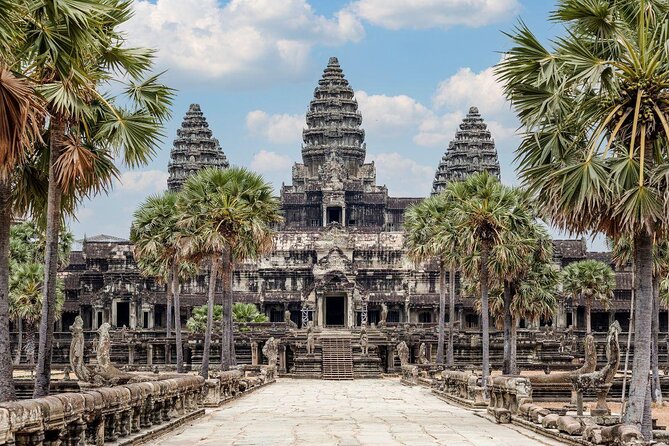
- Sunrise at Angkor Wat, then sunset from Phnom Bakheng, so you hit two very different atmospheres
- Hotel pickup and drop-off plus air-conditioned transport that keeps the long temple days manageable
- A tight mix of Angkor Wat, Angkor Thom, and Ta Prohm on Day 1, then Banteay Srei and small circuit temples on Day 2
- Stops that balance big monuments with smaller, calmer sites like Ta Nei, Neak Pean, and Ta Som
- A guide-led flow that helps you understand what you’re looking at, and where to stand for the best views
Why this 2-day sunrise and sunset plan works
Angkor is huge, and trying to do it alone can turn into a lot of driving and guesswork. This plan is interesting because it’s structured around the two times of day when the temples look like a different world. Day 1 is your heavy-hitter day, with Angkor Wat in the spotlight, then the Angkor Thom complex, and finally Ta Prohm with those famous tree roots.
Day 2 shifts gears. You start with Banteay Srei, then keep moving through several smaller temple sites that feel more personal because you usually spend less time on the obvious photo targets. The day ends at Phnom Bakheng for sunset, which is where you’ll get that dramatic, wide view feeling people chase in Siem Reap.
What I like is that the experience is private, meaning it’s only your group in the itinerary. That matters, because sunrise days can be stressful if you’re waiting for a big mix of people. With a dedicated setup, your guide can steer you through the day’s rhythm.
More Angkor Wat tours in Siem Reap:
- Angkor Wat Sunrise or Sunset Tour with Guide from Siem Reap
★ 5.0 · 12,109 reviews - Siem Reap: Angkor Wat: Small-Group Sunrise or Sunset Tour
★ 5.0 · 9,444 reviews - Siem Reap: Angkor Wat 2-Day Tour with Sunrise and Sunset
★ 4.9 · 4,429 reviews
Day 1 Angkor Wat, South Gate, Bayon, Ta Prohm, and more
This is your classic “greatest hits” day, but it’s not just one temple after another. It’s a sequence that helps you see how the Khmer empire organized space and meaning in the stone.
Angkor Wat: the golden hour centerpiece
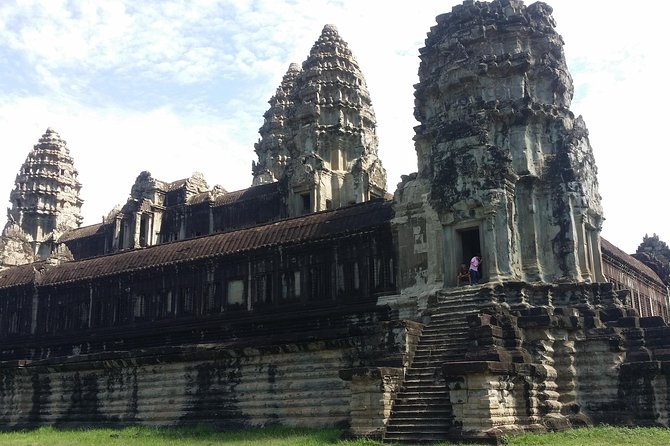
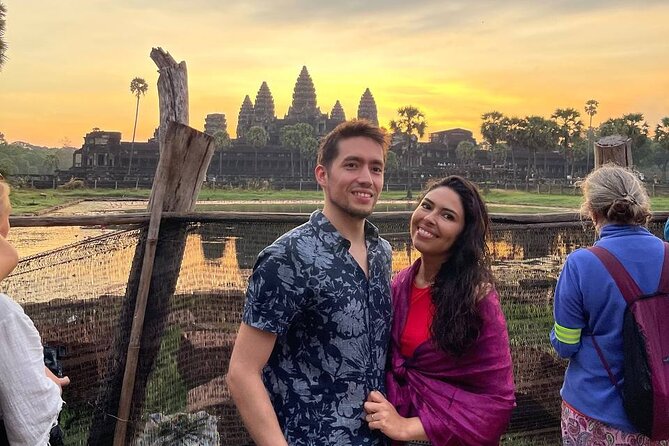
You’re scheduled at Angkor Wat for sunrise, and that’s the move. This temple complex is the largest religious monument in the world, dedicated originally to Vishnu, and it’s built on an enormous scale. In the early light, you’re not just seeing carvings. You’re seeing geometry, reflections, and the way the causeways and towers hold color as the sky warms up.
Practical tip: sunrise means you’ll be out before the day feels fully awake. Comfortable shoes and a light layer make a difference, especially if morning air is cooler than you expect.
Admission is not included, but they do note that the Angkor Pass is required (with Visa cards accepted and available on the day just before sunrise). So, you should plan that you may need to handle that before you’re fully committed to viewing time.
Angkor Thom South Gate: a strong opening into the city
After Angkor Wat, you head to Angkor Thom South Gate. This is the gateway into the last enduring capital of the Khmer empire, established in the late 12th century by King Jayavarman VII. Gate stops matter because they set the stage. You get a sense of how this was designed to be entered, not just photographed.
More Angkor sunrise starts:
- Angkor Wat Sunrise tour with Small – Group and Guide tours
★ 5.0 · 3,655 reviews - Full-Day Angkor Wat Sunrise Private Tour with Guide from Siem Reap
★ 5.0 · 2,920 reviews - Angkor Wat Sunrise & 3 Main Temples with Breakfast – Small Group
★ 5.0 · 2,857 reviews - Siem Reap: Angkor Wat Sunrise and Full-Day Sightseeing Tour
★ 4.9 · 2,828 reviews
Bayon Temple: faces and symbolism
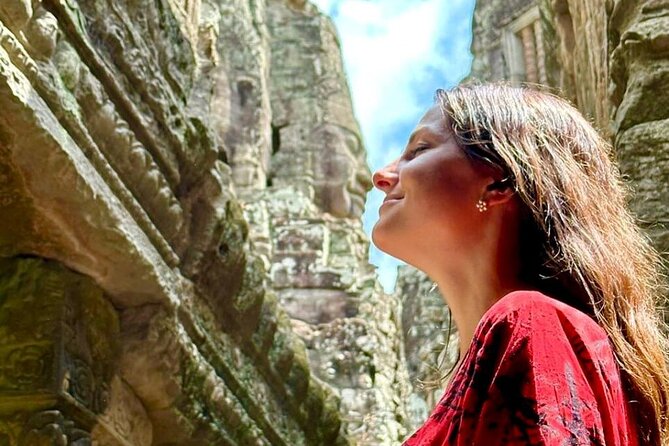
Bayon is where the temple experience turns emotional. It’s a richly decorated Khmer temple built as the state temple of King Jayavarman VII, and it’s centered in the Angkor Thom complex. If Angkor Wat is about grand symmetry, Bayon is about attention, because the sculpted faces pull your eye every time you change your angle.
The nice part about doing Bayon on Day 1 is that you’re still in full “wow mode.” Your brain hasn’t maxed out yet.
Ta Prohm: trees, ruins, and a different mood
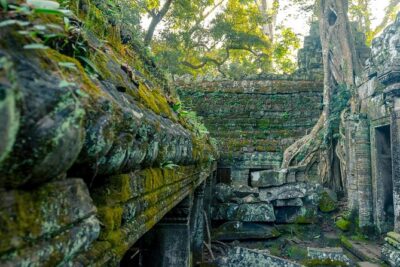
Ta Prohm is the stop most people recognize instantly. It was built in the Bayon style in the late 12th and early 13th centuries and originally called Rajavihara. Today, the modern name is attached to the visual drama of the overgrown ruins.
I like Ta Prohm as a breather after the denser carvings. It’s still impressive, but the vibe is more atmospheric. You’ll likely walk slowly here, because the roots and stone create so many angles.
Ta Nei and Terrace of the Elephants: smaller stops, big payoffs
Ta Nei is a late 12th-century stone temple dedicated to the Buddha, and it sits near the northwest corner of the East Baray. This kind of stop is a good reminder that Angkor isn’t only the headline temples. The carvings can feel more intimate because the crowds may be thinner depending on the timing.
Then you briefly pass by the Terrace of the Elephants inside Angkor Thom. It’s a quick stop, but it adds context about how ceremonial life was staged here.
Overall, Day 1 feels like you’re building a story: from a massive religious complex into a capital city, then into a set of temples that show different interpretations of spiritual life.
Day 2 Banteay Srei, Preah Khan, Neak Pean, Ta Som, East Mebon, and sunset at Bakheng
Day 2 has a different feel because it mixes a very famous temple with a set of smaller circuit sites that connect to each other.
Banteay Srei: delicate and worth the effort
Banteay Srei is a 10th-century temple dedicated to Shiva. The big reason it’s on your list is that it’s visually detailed, and it often feels more refined than some of the larger, more monumental structures.
This is also a good day to pace yourself. You’ll be out for multiple temples, and Banteay Srei helps keep the experience from feeling repetitive because it looks distinct from the Angkor Thom stone styles.
Preah Khan: a father’s memorial with lots to notice
Preah Khan is a 12th-century temple built by King Jayavarman VII to honor his father. It’s located northeast of Angkor Thom, near the Jayatataka baray. What helps is that Preah Khan connects the geography. You’re not only walking through ruins, you’re also seeing how water features and temple placement worked together.
Neak Pean: an artificial island temple on Jayatataka Baray
Neak Pean is described as an artificial island with a Buddhist temple on a circular island in Jayatataka Baray. It’s associated with Preah Khan temple. Even if you don’t know the full symbolism before you arrive, the setting helps you understand why it was built where it was.
This is one of those stops that feels like a pause button. It’s short on the schedule, so you’ll want your camera ready, but you also want a moment to look beyond the first photo.
Ta Som: small temple, calm momentum
Ta Som is a small temple built in the late 12th century, dedicated to a Hindu devotion under Jayavarman VII. It’s located north east of Angkor Thom and just east of Neak Pean.
I like Ta Som because it’s less frantic than the headline sights. If you want a quieter couple of minutes where the stonework does the talking, it’s a good fit.
Eastern Mebon: the island temple on dry land
Eastern Mebon is a 10th-century temple that originally sat on an artificial island in the center of what is now dry land. That shift is a big part of how Angkor still teaches you something. You’re seeing how the landscape and the water system mattered, even when the water isn’t there today.
Phnom Bakheng: sunset views and the big finish
The final stop is Phnom Bakheng at sunset. This temple mountain is dedicated to Shiva and was built at the end of the 9th century, during the reign of King Yasovarman. Sunset here is special because you’re at the end of the day, and you can finally slow down with the sky shifting.
I also appreciate that this tour gives you both directions of light, sunrise and sunset. One shows the temples when the air feels fresh and the surfaces soften. The other shows them when the whole area glows and your photos look warmer.
Private guide quality and how it changes your day
The guide is a big part of why this tour gets strong ratings. One name that comes up is Tann, and the main theme is that he’s prepared and attentive. That matters because Angkor can be confusing if you’re only chasing landmarks. A good guide helps you connect what you’re seeing to the story of the site, and it also helps with timing so you don’t feel rushed.
You also get transportation by air-conditioned vehicle and free pickup and drop-off at city hotels. On temple days, that alone can make the trip feel more relaxed, because you’re not negotiating rickshaws or trying to figure out routes between distant stops.
Bottled water is included, which is a small thing that saves you from constantly scanning for convenience stores.
Dress code is enforced in many ways at Angkor, and this tour specifically notes shoulders and knees must be covered, and only a real dress scarf is accepted. That means you should pack a scarf or light wrap before you go.
Price and tickets: what $134 really buys you
The price is $134.00 per person for the 2-day private tour. That includes:
- Professional English-speaking tour guide
- Transportation by air-conditioned vehicle
- Sightseeing as specified
- Free pickup and drop-off
- Bottled water
What’s not included:
- Breakfast, lunch, and drinks
- Guide and driver tipping (recommended)
- Travel insurance
- Entrance fee via the 3 Days Angkor Pass listed at $62.00 per person
So the value equation is simple. You’re paying for the guide and the logistics, and you handle the pass. For many people, the pass is the big variable, but it’s consistent because you’re using it for multiple days.
One extra cost-saving idea is breakfast planning. If your hotel includes breakfast, they recommend requesting a breakfast pack so you can eat after sunrise at Angkor Wat. This helps you avoid buying food in a hurry during the morning window.
What you should do to make the sunrise and sunset easier
Sunrise and sunset at Angkor are not difficult physically, but they do require smart prep. The tour data highlights timing around sunrise, and that’s your clue to pack like you’re going out for early hours.
Here’s what I recommend based on the realities of the schedule:
- Bring a layer. Temples plus early morning can feel cooler than midday.
- Wear shoes you can walk in comfortably. Stone surfaces and long walks add up.
- Plan your temple clothing the night before so you’re not scrambling in the morning. Shoulders and knees matter.
- Use your pass at the right time. They note the entrance fee accepts Visa cards and can be purchased on the day just before sunrise, which is useful if you didn’t buy in advance.
Also, keep your expectations realistic. A two-day plan is packed by design, so you won’t have unlimited downtime between stops. The payoff is that you see far more than you would with a half-day approach.
Drones, mobile tickets, and temple etiquette that matters
This tour notes a few rules that are worth taking seriously. Drones are not allowed at the temples. Permission is only considered by APSARA, so don’t show up assuming you can fly just because you have the gear.
They also mention mobile ticket use, which can help if you prefer keeping things on your phone. Still, since ticket details like purchase timing and pass rules are important, you should make sure you understand what you personally need before you head out for sunrise.
Finally, follow the dress code even if you see people pushing boundaries. A scarf that meets the real criteria is the safe move.
Who should book this tour, and who might not love it
This tour is a great match if you want:
- Both sunrise and sunset temples, not just one
- A private setup so you can move at your group’s pace
- A route that hits the big names and also includes smaller sites like Neak Pean and Ta Som
- An English guide who helps you interpret what you’re looking at
It might feel less perfect if:
- You’re on a super tight budget and don’t want to add the 3 Days Angkor Pass cost
- You hate very early starts, since sunrise at Angkor Wat means you’ll be up well before the sun
- You’re not willing to follow the shoulder and knee coverage rule
Also, because the tour is private and only your group participates, it’s ideal when you want attention and pacing. If you prefer meeting lots of strangers for social energy, a different format could fit better, but that’s a taste thing.
Should you book this 2-day Angkor Wat sunrise and sunset tour?
If you’re deciding between a scattered approach and a structured one, I’d lean toward booking this. The reason is simple: it organizes your time around the moments that make Angkor feel magical, sunrise and sunset, while still covering the key temples most people actually want to see.
You also get strong practical value from the setup: hotel pickup, air-conditioned transport, bottled water, and a guide who is specifically noted for being prepared and providing excellent service, with a guide name like Tann coming up in feedback.
Just remember to budget for the 3 Days Angkor Pass and pack the right clothing so you’re not stuck dealing with coverings at the gate.
FAQ
FAQ
What is included in the $134 per person price?
The price includes a professional English-speaking tour guide, air-conditioned transportation, sightseeing as listed, free hotel pickup and drop-off, and bottled water.
Do I need to buy the Angkor temple entrance fee separately?
Yes. The entrance fee is not included. The tour lists the 3 Days Angkor Pass at $62.00 per person.
Can I buy the temple pass on the day of the sunrise?
Yes. The info says the temples entrance fee accepts Visa cards and is available to purchase on the day of the tour just before sunrise.
Is breakfast included?
No. Breakfast is not included. If your hotel provides breakfast, they recommend requesting a breakfast pack and eating it after sunrise at Angkor Wat.
Is tipping expected?
Tipping for the guide and driver is recommended, since it is not included in the price.
Do they pick you up from your hotel?
Yes. Free pickup and drop-off at city hotels is included.
Is this tour private?
Yes. It is described as a private tour/activity, meaning only your group participates.
What should I wear to enter the temples?
You need respectful dress with shoulders and knees covered. The tour notes that only a real dress scarf is allowed for this purpose.
Are drones allowed at Angkor?
No. Drones are not allowed at the temples. You can only ask permission from APSARA.
What is the cancellation policy?
Free cancellation is available up to 24 hours in advance for a full refund. If you cancel less than 24 hours before the start time, the amount paid is not refunded.
Newly listed around Siem Reap
- Sambor Prei Kuk Off Beaten Track★ 5.0 · 3 reviews
- Siem Reap Airport Taxi Transfer – City Center Hotels★ 5.0 · 5 reviews
- Short Cycling at Countryside★ 5.0 · 29 reviews
- Unveiling the Mystical Beauty of Phnom Kulen National Park★ 5.0 · 6 reviews
- Angkor Wat at Sunrise★ 4.0 · 7 reviews
- Rooftop Romantic Dinner – 4 Courses Set Meal & Wine★ 3.5 · 5 reviews
- Khmer Cooking Class in Cambodia★ 5.0 · 36 reviews
- Bakong Temples & Floating Village Tour★ 4.5 · 3 reviews
Angkor Sunrise Tours, compared.
Angkor Wat Sunrise or Sunset Tour with Guide from Siem Reap
Read our review →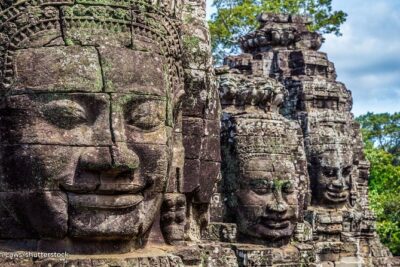
Angkor Wat Sunrise tour with Small – Group and Guide tours
Read our review →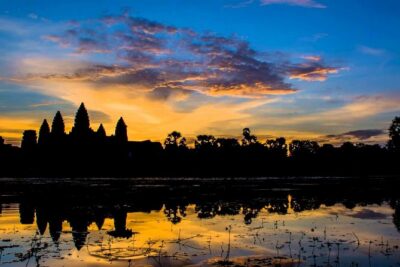
Full-Day Angkor Wat Sunrise Private Tour with Guide from Siem Reap
Read our review →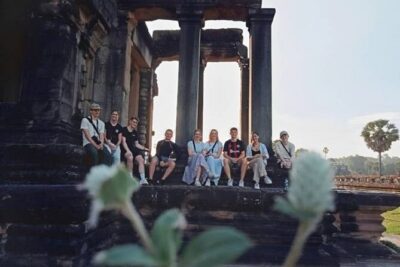
Angkor Wat Sunrise & 3 Main Temples with Breakfast – Small Group
Read our review →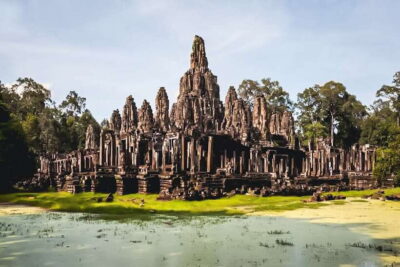
Angkor Wat Sunrise and Full-Day Sightseeing Tour
Read our review →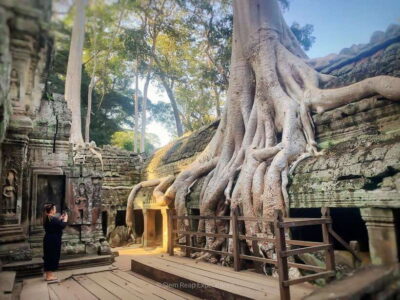
Angkor Wat Sunrise or Sunset Guided Group Tour
Read our review →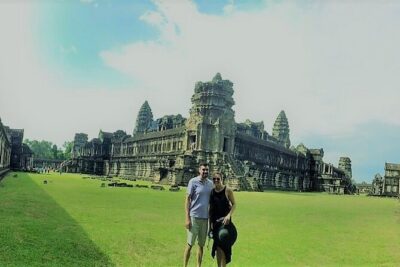
Siem Reap Tour: Angkor Wat Sunrise, Bayon, Ta Prohm, Banteay Srei
Read our review →
Angkor Wat Sunrise Explore The Most Iconic Temples
Read our review →Browse the lists this tour appears in