
Review · BANTEAY SREI TOURS
3-Days Discovery Of Angkor: Waterfalls,Floating Village and Banteay Srei temple
Sunrise and sunset at Angkor set the tone fast. I love that this tour mixes iconic temples with quieter stops, plus private transport with hotel pickup so you do not waste time shuffling around.
Two highlights stand out: the chance to see Angkor Wat at sunrise and sunset, and the day out beyond the main circuit to Kulen National Park and Tonle Sap’s floating village. The only real catch is that several costs are extra on the day, and the pacing includes long, hot walking.
In This Review
- Key takeaways before you go
- What three days around Siem Reap really looks like
- Price and value: what you are paying for
- Day 1: Angkor Thom heart stops and the Bakheng sunset climb
- Day 2: Phnom Kulen waterfalls, Kbal Spean lingas, and Banteay Srei
- Day 3: Angkor Wat sunrise plus the quieter temple chain
- Guides and drivers: why the experience feels personal
- Tickets, passes, and what to budget for on the day
- Temple etiquette and the heat reality check
- Who this tour fits best
- Should you book this 3-day Angkor tour?
- FAQ
- What is included in the tour price?
- Do I need to pay for temple and park admissions?
- Is the floating village visit included?
- Can I go swimming at Phnom Kulen waterfalls?
- What time is pickup on the sunrise day?
- Is there free cancellation?
- Quick verdict: book it or skip it
Key takeaways before you go
- Angkor at both ends of the day: sunrise one morning and sunset another evening, with a hilltop option that starts late afternoon.
- A real change of scenery: Kulen National Park waterfalls, then Kbal Spean’s riverbed lingas, before heading to the lake.
- Tonle Sap on the water: you get a private boat ride as part of the Kampong Phluk floating village visit.
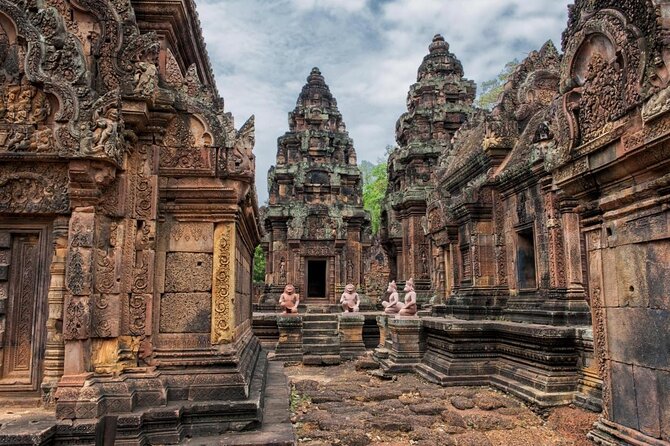
- Banteay Srei for the artsy side of Angkor: smaller scale, lots of intricate carvings, and a big payoff for photo lovers.
- Guides who manage timing and crowd flow: names like Sam, Seila, and Sean show up in feedback for good route choices and clear explanations.
What three days around Siem Reap really looks like
This is a focused Angkor and greater Siem Reap combo tour, built for first-timers who want the big hits without feeling trapped in a giant bus herd. You get picked up from your hotel, driven in an air-conditioned car or minivan, and guided through a temple-heavy itinerary across three days.
What makes this tour work for many people is the rhythm. You do the hardest Angkor moments when conditions are best, meaning earlier light for the major sites and planned timing to reduce time lost in heat and crowds. And when you are temple’d out, the schedule gives you a landscape break: Kulen’s waterfalls and Kbal Spean’s carved riverbed, then Tonle Sap and Kampong Phluk.
More Banteay Srei trips:
- Full-Day Banteay Srei & 4 Temples – Grand Tours Join-in Tour
★ 5.0 · 1,155 reviews - Siem Reap Tour: Angkor Wat Sunrise, Bayon, Ta Prohm, Banteay Srei
★ 5.0 · 931 reviews - 2-Day Angkor Wat With Small, Big Circuit and Banteay Srei Tour
★ 5.0 · 545 reviews
Price and value: what you are paying for
At about $183.08 per person for the three days, the price feels reasonable if you value two things: transport plus a guide who helps you see more than just the postcard version of Angkor.
Here is the value math in plain terms. The tour includes:
- a professional English-speaking guide and driver
- hotel pickup and drop-off
- air-conditioned private transport
- cool water and cold towels during the drive
- breakfast on Day 3 only
But tickets and site fees are not included, and those add up. Expect to budget separately for:
- the Angkor pass (you buy it first before entering the park on Day 1)
- Tonle Sap pass with the private boat ride (listed at $15 per person)
- Phnom Kulen National Park entry ($20 per person)
- Kulen Mountain pass ($20 per person)
So the tour price is mainly paying for your time, your guide, and smooth logistics. If you hate coordinating guides and rides yourself, or you want the sunrise and sunset planning handled, this package can feel like a win. If you are on a tight budget and happy to do everything independently, those add-ons could push the total higher than you expect.
Day 1: Angkor Thom heart stops and the Bakheng sunset climb
Day 1 is the Angkor Thom and Angkor Wat combo day, starting early from your hotel lobby around 8:00 am.
You begin at Angkor Thom South Gate, then move into the core of the walled city with:
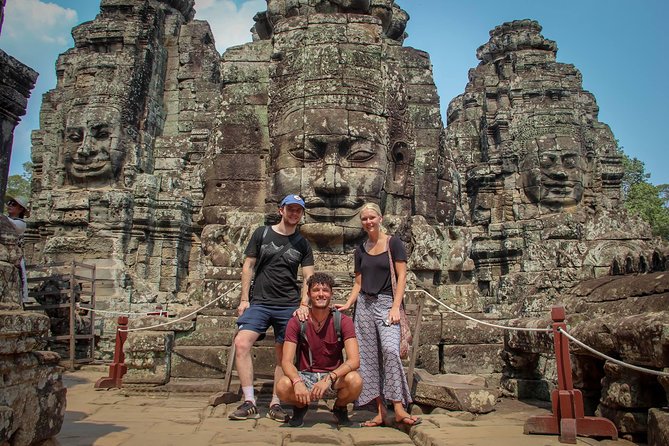
- Bayon Temple: known for its dense cluster of faces in Khmer style
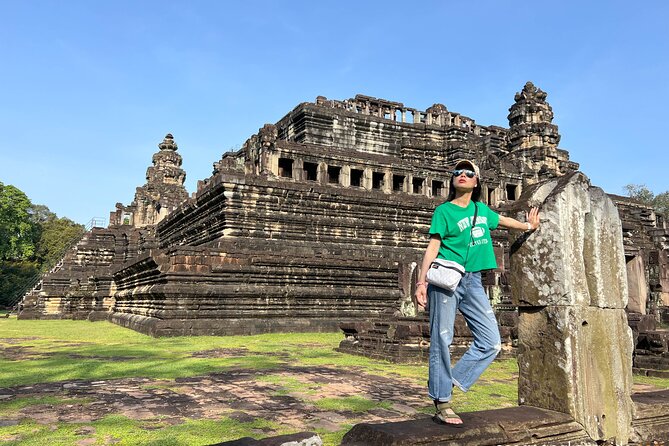
- Baphuon: a layered temple mountain inside Angkor Thom
- the Terrace of the Elephants and Terrace of the Leper King, short stops that help you read how this royal city worked
These stops matter because Angkor Thom is where the story feels most “designed.” You are not just walking into one temple, you are moving through a planned royal space: gates, squares, terraces, and major religious architecture.
Then you break for lunch in the Angkor park area (you pay for your own food and drinks). After that comes your big anchor moment, Angkor Wat itself, with enough time to explore and reset before the day’s next element.
Late in the day, you have the Bakheng Mountain sunset option. The schedule notes that climbing usually starts around 4:00 pm, which is crucial. That means you should plan for stairs and uneven ground while the sun is still intense. If you tend to overheat or you have mobility limits, you may want to pace yourself early, use your cool towel, and decide whether that climb still feels worth it when you are there.
Why I like Day 1: it compresses major Angkor Thom icons into one coherent route, then caps the day with a sunset plan.
What to watch: the day is “temple after temple,” and admission fees are separate, so do not assume the tour price covers everything you see.
Day 2: Phnom Kulen waterfalls, Kbal Spean lingas, and Banteay Srei
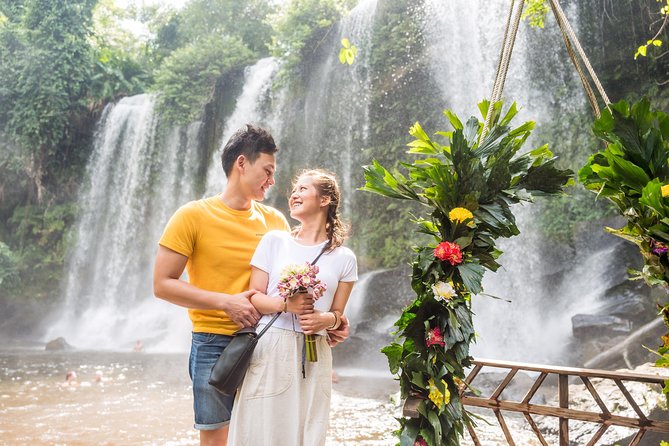
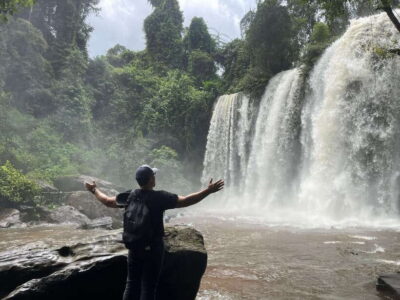
Day 2 is your out-of-town day, starting around 8:00 am at Phnom Kulen National Park.
A key detail here is water levels. The tour info says you can swim at the waterfalls, but during the dry season from March to July, waterfalls may not have much water. That is not a dealbreaker, but it is something to keep in mind so you are not disappointed if you go in hotter months and the falls are more scenic than splashy.
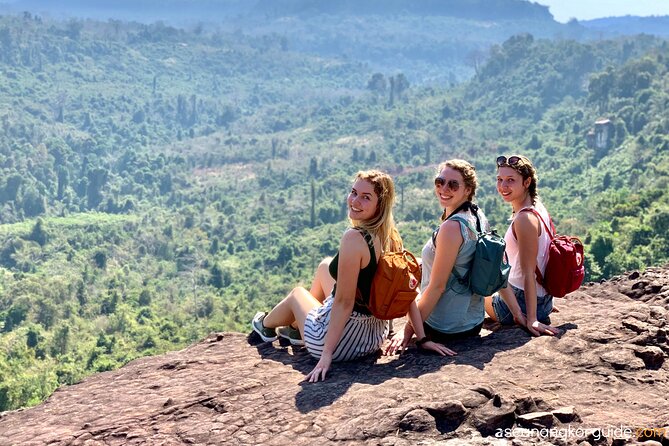
Within Kulen, the highlights you came for include Kbal Spean’s riverbed lingas. These are carvings in the riverbed area, and they are unique because they are not “standing on land” temple art. They are part of a natural feature that becomes a sacred space.
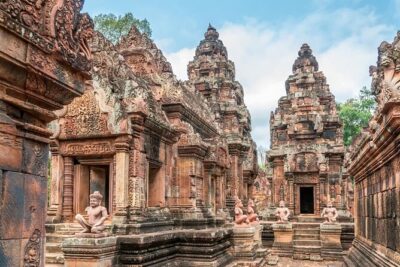
After the park time, the tour heads to Banteay Srei, a 10th-century temple famed for intricate sculptures dedicated to Shiva. This is one of the best stops for people who want a different Angkor flavor: less massiveness, more fine detail. Even if you already saw bigger temples in your first two stops, Banteay Srei often feels like a relief because it is visually busy in a careful way.
The afternoon moves again toward water, ending with:
- Kampong Phluk Floating Village
- and a private boat ride on Tonle Sap Lake
Tonle Sap is the big freshwater lake in Southeast Asia, and the boat ride is the part that turns the visit from “look at houses” into “actually understand how the community lives with the water.” On the day, your boat and floating village time is usually the most memorable “off Angkor” moment.
Why I like Day 2: it breaks up the temple pattern with nature and the lake, plus it includes Banteay Srei’s carving-heavy charm.
What to watch: Kulen and the lake day can mean more travel time and sun exposure than you expect, so you’ll want your sunscreen and a hat.
More floating village trips in Siem Reap:
- From Siem Reap: Kampong Phluk Floating Village Tour by Boat
★ 4.9 · 6,979 reviews - Sunset tour of Kampong Phluk stilts home village on the Tonle Sap
★ 5.0 · 4,865 reviews - Siem Reap: Kampong Phluk Floating Village Tour with Boat
★ 4.9 · 3,843 reviews - Siem Reap Floating Village Kampong Phluk Sunset with Boat
★ 5.0 · 1,962 reviews
Day 3: Angkor Wat sunrise plus the quieter temple chain
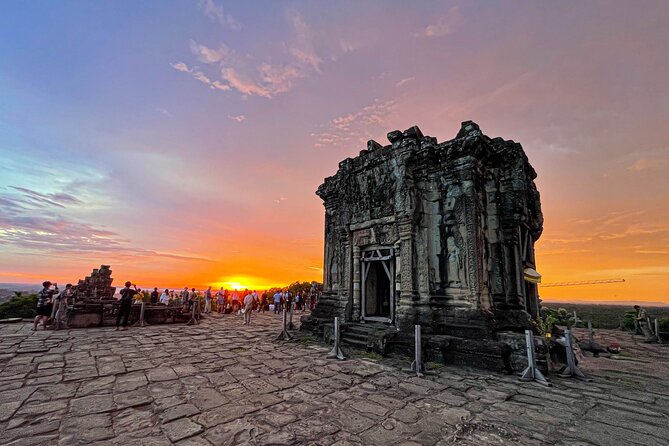
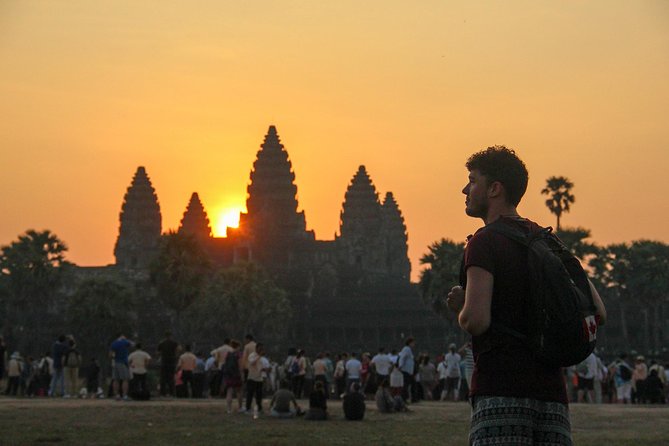
Day 3 is built around sunrise at Angkor Wat. You get picked up before sunrise, around 4:40 am, and then head to the temple viewing area for the light show.
This is the day that many people remember most because Angkor Wat at sunrise feels like the temple is awake while the world is still sleepy. It also helps with crowds, since you are starting early.
After the sunrise time, the day continues with a classic temple sequence that also has a “choose your vibe” feel:
- Ta Prohm Temple: famous from the film Tomb Raider, but it also stands on its own as a dramatic, roots-and-stone place
- Pre Rup: a pyramid-like temple mountain dedicated to Shiva, giving you a sense of how Angkor staged religious space
- Ta Som and Neak Pean: smaller stops that can feel more personal because they are not the headline every visitor asks for
- Preah Khan: a large temple linked to Jayavarman VII’s era, good for a longer wandering moment
This is where the private guide angle matters. A one-size itinerary can make you rush. A good guide helps you decide how long to stay in the best-feeling spots, and it also helps with route choices so you spend less time stuck in slow-moving crowd zones.
One practical note: you get breakfast on Day 3 only, so Day 1 and Day 2 rely on what you can buy during breaks. If you have dietary needs, it is worth planning ahead and keeping expectations realistic for temple-day meal options.
Guides and drivers: why the experience feels personal
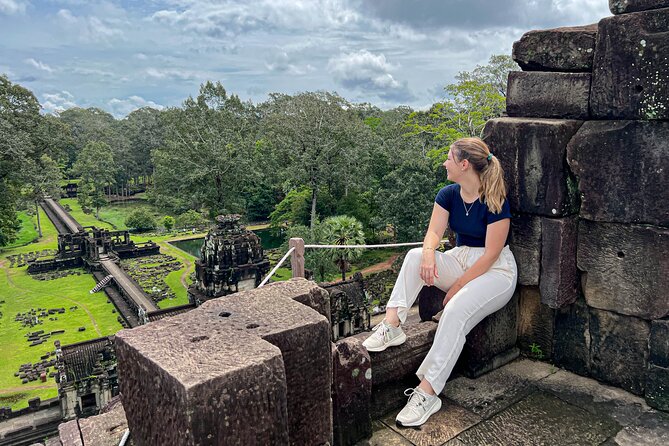
The strongest theme in feedback about this tour is not just that you hit the right temples. It is that the guide and driver teamwork makes the day run smoothly and feel thoughtful.
Names that come up include Sam, Seila, Sean, Samath, and Saroun, with drivers like Tha, Leap, Sophat, Khim, and Kim. In the comments, people repeatedly mention:
- clear explanations of what you are looking at
- timing help, including when to arrive so the site feels less crowded
- cold water and cold towels offered back in the van after hot walking
- patience for different group speeds, including elders
That last one matters. Angkor is not a “walk in the park” kind of place. It is hot, it is uneven in spots, and it can be a lot if you like slower pacing. The private format means you are not forced to keep up with strangers.
If you are a photography person, you might also appreciate the way some guides suggest photo angles and the timing of when to shoot. Sunrise and sunset are perfect examples where a good guide can save you from missing the best light.
Tickets, passes, and what to budget for on the day
Do not plan on this tour price covering every single entry fee. Here is the most important breakdown you can use to estimate your total trip cost.
You will need:
- Angkor pass purchased before entering the archaeological park on Day 1
- Phnom Kulen National Park admission: $20 per person
- Kulen Mountain pass: $20 per person
- Tonle Sap pass + private boat ride: $15 per person
Food and soft drinks are on you. Lunch at Angkor is scheduled as a break, but you pay for what you eat. Same for other meals across the three days.
Also note that the tour includes cool water and a cool towel, which helps a lot in Cambodia’s heat. Still, you should carry your own water habits too, especially if you get thirsty quickly.
Temple etiquette and the heat reality check
Angkor temples are generous with beauty, but strict about respect. The tour notes a clear dressing standard: cover shoulders and knees for both men and women. Loose, lightweight clothing tends to work best in heat.
Good footwear is also a must, because stone steps and uneven paths can be rough. If your clothes are too revealing, entry areas may refuse you.
For weather, the tour clearly warns that it gets very hot. Bring sunscreen and mosquito spray. You can buy both in town, but you will waste time if you are unprepared. And yes, plan on a lot of sun exposure, especially for sunrise and late-afternoon climbs.
If you want a simple checklist:
- modest shirt plus shorts or long pants that cover knees
- comfortable shoes with good grip
- sunscreen and mosquito spray
- a hat and sunglasses for sunrise and mid-day walking
- a small day bag to keep your basics organized
Who this tour fits best
This is a strong choice if:
- you want sunrise and sunset at Angkor in a planned way
- you like having your guide manage the hard logistics, including hotel pickup
- you want more than just Angkor Wat, with Tonle Sap and Kulen on the calendar
- you are visiting for the first time and want a smooth hit list that still includes variety
It may be less ideal if:
- you are extremely budget-sensitive once you add passes and entry fees
- you hate early mornings, because Day 3 pickup is before sunrise
- you need strict vegetarian meals. The tour schedule shows food is mostly paid on your own, and breakfast is only included on Day 3.
Should you book this 3-day Angkor tour?
If you want the main Angkor icons plus real “outside the city” days on Kulen and Tonle Sap, I think this is a sensible book. The private transport, hotel pickup, and well-timed sunrise and sunset plans can save you effort and reduce stress, which matters when the heat is doing its own sightseeing.
If you dislike extra ticket costs or you are sure you want two full buffet-style breakfast days, you might prefer a different setup. But for most people, the mix of Angkor Wat light shows, Banteay Srei’s carvings, and Tonle Sap by boat makes the overall package feel like good use of three days.
FAQ
What is included in the tour price?
The tour includes a professional English-speaking guide and driver, hotel pickup and drop-off, private air-conditioned transport, cool water and cool towels, and breakfast on Day 3 only.
Do I need to pay for temple and park admissions?
Yes. Admission fees are not included. The Angkor pass is purchased separately before entering the archaeological park, and other paid entries include Phnom Kulen National Park and the Kulen Mountain pass.
Is the floating village visit included?
You visit Kampong Phluk Floating Village and you get a private boat ride as part of that experience. The Tonle Sap pass with the private boat ride is listed as an extra cost of $15 per person.
Can I go swimming at Phnom Kulen waterfalls?
The tour says you can swim at the waterfalls, but during the dry season from March to July there may be not much water at the waterfalls.
What time is pickup on the sunrise day?
The pickup for the Angkor Wat sunrise on Day 3 is listed as before sunrise, at about 4:40 am.
Is there free cancellation?
Yes, you can cancel for a full refund up to 24 hours in advance of the experience start time.
Quick verdict: book it or skip it
Book if you want a well-paced three-day plan that includes both Angkor Wat light shows, plus Kulen and Tonle Sap. Skip or shop alternatives if you want full meals covered every day or you are very sensitive to extra entry fees once you arrive.
Newly listed around Siem Reap
- Sambor Prei Kuk Off Beaten Track★ 5.0 · 3 reviews
- Siem Reap Airport Taxi Transfer – City Center Hotels★ 5.0 · 5 reviews
- Unveiling the Mystical Beauty of Phnom Kulen National Park★ 5.0 · 6 reviews
- Angkor Wat at Sunrise★ 4.0 · 7 reviews
- Short Cycling at Countryside★ 5.0 · 29 reviews
- Bakong Temples & Floating Village Tour★ 4.5 · 3 reviews
- Rooftop Romantic Dinner – 4 Courses Set Meal & Wine★ 3.5 · 5 reviews
- Khmer Cooking Class in Cambodia★ 5.0 · 36 reviews
Banteay Srei Tours, compared.
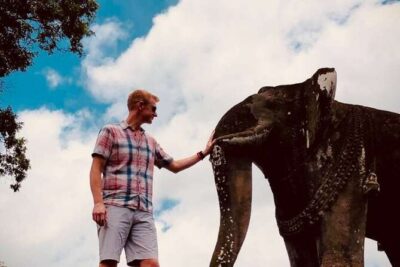
Full-Day Banteay Srei & 4 Temples – Grand Tours Join-in Tour
Read our review →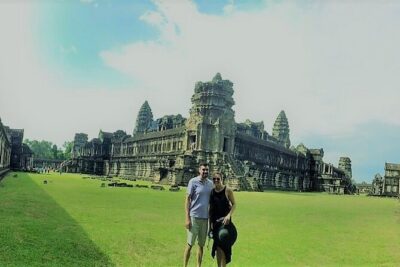
Siem Reap Tour: Angkor Wat Sunrise, Bayon, Ta Prohm, Banteay Srei
Read our review →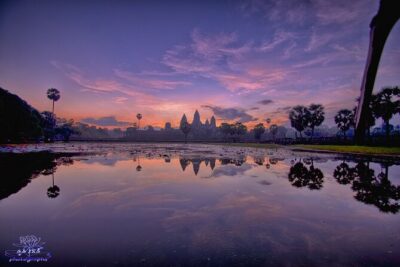
2-Day Angkor Wat With Small, Big Circuit and Banteay Srei Tour
Read our review →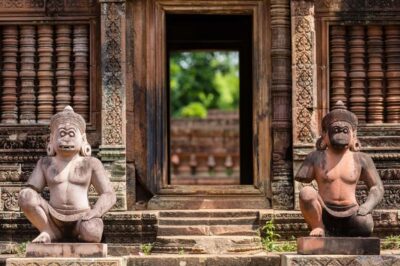
Banteay Srei, Kulen Waterfall & Beng Mealea Exploration
Read our review →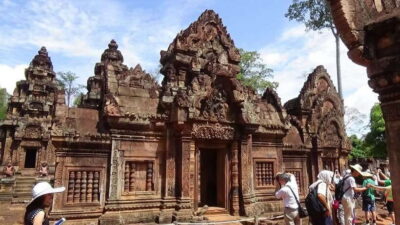
Banteay Srei and Grand Circuit Heritage Tour from Siem Reap
Read our review →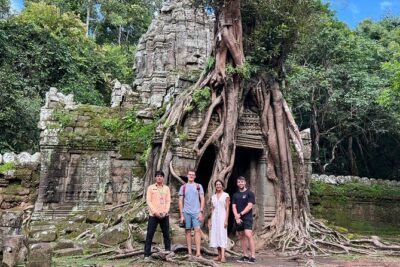
2-Day Angkor Wat Tour with Banteay Srei and Floating Village
Read our review →Browse the lists this tour appears in