
Review · 3-HOUR EXPERIENCES
3 Hours Dessert Cooking Activity in Cambodia
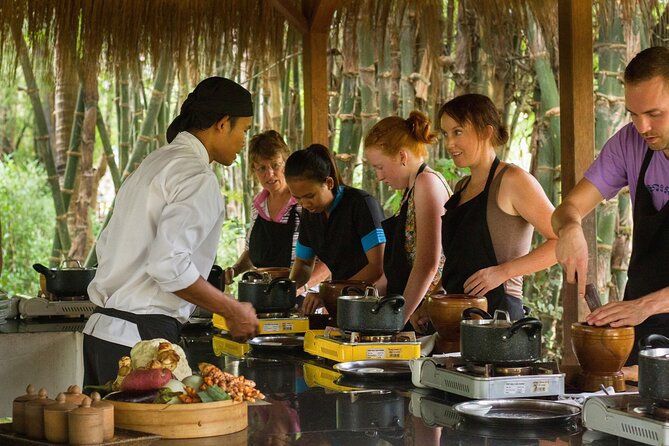
Sweet lessons start at 12:30. This small-group Cambodian dessert cooking class in Siem Reap turns a simple afternoon into real food knowledge, with a hands-on setup where you cook and learn palm sugar from the sugar palm tree to the finished sweets. It is built for interaction, not sitting and watching, with a maximum of 12 travelers.
I particularly like that each person works from their own station, not a shared station or a standing-only demo. I also like the focus on techniques you can repeat later, including traditional methods like making fresh coconut cream, plus the practical tips for getting the same results at home.
One possible drawback: it is a fixed 3-hour block focused on cooking and tasting, so if your ideal afternoon is roaming and snapping photos nonstop, this will feel more like work than sightseeing.
In This Review
- Key Things I’d Watch For
- Palm Sugar 101, and Why It Shapes Cambodian Desserts
- The 3-Hour Flow, From Start Time to Sweet Payoff
- Hands-On Stations Mean You Actually Learn the Techniques
- Three Desserts, One Skill Set You Can Recreate
- Village-Setting Cooking, and What That Means for the Experience
- Ingredients You Will Actually Recognize (Then Use Better)
- Tasting, Feedback, and Why Patient Instruction Matters
- Pickup and Small-Group Size: Comfort Adds Up
- Value for $32: Is It Worth It?
- Who Should Book This Dessert Class in Siem Reap
- Quick FAQ
- FAQ
- What is the duration of the Cambodian dessert cooking class?
- Where does the class take place?
- What time does the activity start?
- Is pickup included?
- How many people are in each class?
- What will I learn to cook?
- Does the class focus on any specific ingredient?
- Do I get a recipe card?
- Is tasting included?
- Can I cancel for a full refund?
- Should You Book It or Skip It?
Key Things I’d Watch For
- Palm sugar, from tree to table: You learn what palm sugar is, where it comes from, and why it behaves the way it does in desserts.
- Fully hands-on stations: You cook at your own station with equipment provided, so you are not just observing.
- Coconut cream practice: Expect to work with coconut milk and make coconut cream as part of the class methods.
- Tasting is the point: You spend real time sampling what you make, not just eating a token bite.
- Small group size: With up to 12 people, there is room for questions and patient help.
- Recipe card for home: You leave with written guidance so your next attempt is easier.
Palm Sugar 101, and Why It Shapes Cambodian Desserts
If you like the idea of learning Cambodian food without guessing, this class gives you a clear anchor ingredient: palm sugar. Cambodian desserts often rely on that deep, caramel-like sweetness, and once you understand it, the whole flavor map gets easier to read. That is the value here. You do not just make sweets, you learn the system behind them.
The best part is that the lesson is not treated like a trivia break. You get a true ingredient walkthrough, starting with the sugar palm tree and moving through to how the finished product behaves when it hits heat, mixes with coconut, and balances with aromatics. That matters because palm sugar is not just sweet. It has its own smell, color, and texture changes as it cooks. When you know that, recreating the desserts at home stops being random luck.
And yes, the class also leans into the usual Cambodian dessert teammates: coconut (cream and milk), plus fragrant aromatics like ginger and lemongrass. You will taste how those scents show up in the final dessert, and you will understand how they fit together instead of treating them as interchangeable pantry items.
Others in Siem Reap worth putting side by side:
- Angkor Wat Sunrise or Sunset Tour with Guide from Siem Reap
★ 5.0 · 12,109 reviews - Siem Reap: Angkor Wat: Small-Group Sunrise or Sunset Tour
★ 5.0 · 9,444 reviews - From Siem Reap: Kampong Phluk Floating Village Tour by Boat
★ 4.9 · 6,979 reviews
The 3-Hour Flow, From Start Time to Sweet Payoff
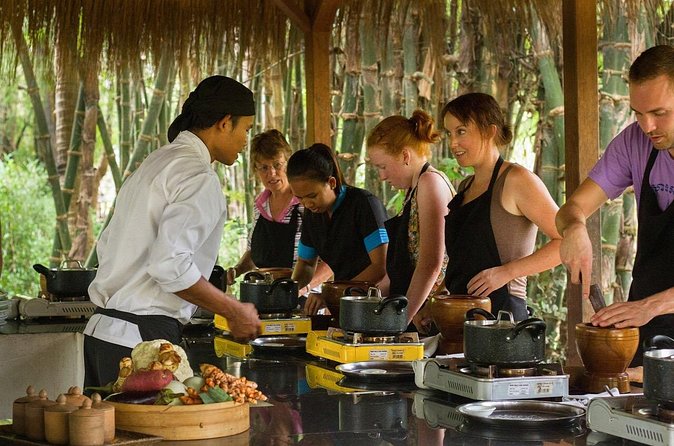
This experience runs about 3 hours, starting at 12:30 pm. The schedule is built around doing, tasting, and correcting as you go. You start in a setting that feels like a village-style kitchen, then settle into your station. Each participant has the tools and space to work, which keeps things moving and makes the class feel personal.
What you can expect during the cooking time:
- You follow steps while preparing ingredients and mixing components.
- You learn techniques as you cook, not after you finish.
- You taste along the way so you can connect flavor and texture to the exact technique.
The pacing is a big deal. Cooking classes that rush can leave you overwhelmed. Here, the tone seems designed for patience, with friendly, supportive instruction. One of the most positive notes from past participants is how comfortable they felt during the process, including when they were learning something they already liked as a diner but never understood as a cook.
By the end, you are not leaving with just a food memory. You are leaving with an understanding of what went right, what to watch, and what to do if your first attempt at home does not match your expectations.
Hands-On Stations Mean You Actually Learn the Techniques
I love cooking classes where you get your own workspace. This one does that. You have your own station and equipment, so you can repeat motions, control timing, and ask questions without waiting for someone else to finish.
That setup makes a difference with desserts, because desserts punish shortcuts. Simple things like stirring, heating gently, or waiting for the right texture can change the final taste. When you do it yourself, you build muscle memory. When someone just tells you the steps, you might remember the words but still miss the feel.
Traditional methods are part of the teaching too. The class includes learning how to make fresh coconut cream, which is one of those steps that sounds straightforward until you actually try it. Coconut cream can behave differently depending on temperature, mixing speed, and how the ingredients are handled. Practicing it here helps you understand what you need to recreate later.
So when the class shifts into tips for cooking at home, it is not just motivational advice. You have already felt the process, and now you are getting guidance for repeating it.
Three Desserts, One Skill Set You Can Recreate
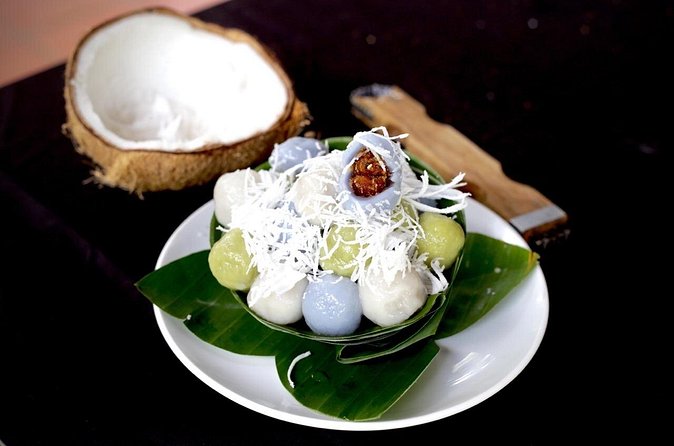
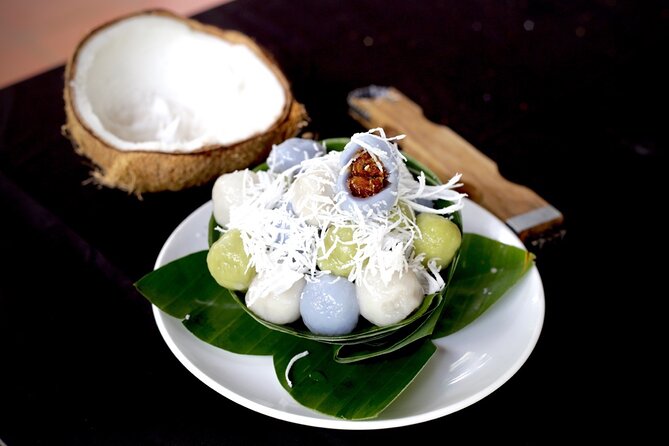
The class promises three delicious Cambodian desserts. The exact desserts are not listed in the details you provided, but the structure is consistent: you cook multiple sweets, you learn how the key ingredient palm sugar works across preparations, and you use coconut plus aromatics like ginger and lemongrass to build the flavors.
Here is the practical value for you: once you understand how palm sugar turns from raw to cooked sweetness, you can adapt the dessert method to different recipes at home. The same idea applies to coconut cream and how it contributes texture. You start noticing how Cambodian desserts balance sweetness with scent and richness.
Also, the class does not end at the stove. You get a recipe card, which is a big deal if you want to cook again later instead of just collecting photos. The card helps you avoid the most common problem after cooking classes: you remember that it tasted amazing, but you forget the exact ratios or key steps.
Past participants also singled out tasting as a highlight, which makes sense. Desserts are not theoretical. You get to taste the final results, so you learn what success should feel like.
A different kind of day in Cambodia:
- Sunset tour of Kampong Phluk stilts home village on the Tonle Sap
★ 5.0 · 4,865 reviews - Siem Reap: Angkor Wat 2-Day Tour with Sunrise and Sunset
★ 4.9 · 4,429 reviews - Siem Reap: Kampong Phluk Floating Village Tour with Boat
★ 4.9 · 3,843 reviews - Siem Reap: Full-Day Angkor Wat Guided Tour with Sunset
★ 4.9 · 3,803 reviews
Village-Setting Cooking, and What That Means for the Experience
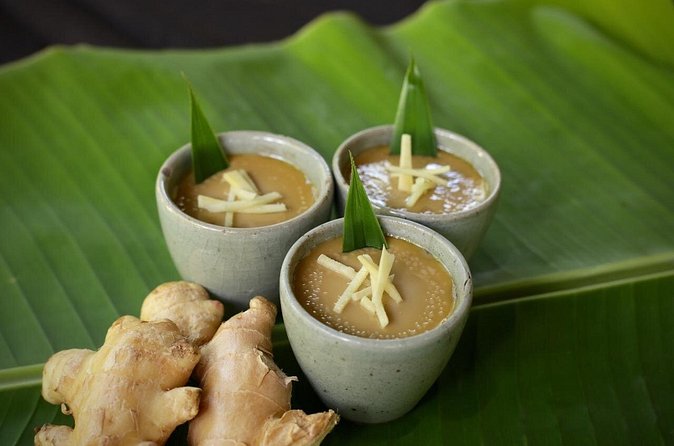
The class is described as happening in a beautiful village setting. That matters more than you might think, especially in Siem Reap where you can spend every day in a history or temple loop.
A village-style setting often means the pace is slower and the focus stays on the kitchen. You are not navigating crowds or slipping between attractions. You settle into a food rhythm. The result is a more grounded experience, and it is easier to pay attention to smell, texture, and technique.
If you like authentic, everyday food culture, this format usually hits the sweet spot. Desserts can feel less intimidating than cooking savory meals because the ingredients are familiar to many people, even if the methods are new. Here, you also get that extra ingredient story around palm sugar and how Cambodian sweets connect to the sugar palm tree.
Ingredients You Will Actually Recognize (Then Use Better)
Cambodian desserts in this class use ingredients like palm sugar, creamy coconut milk, fresh ginger, and lemongrass. You may have had ginger and lemongrass in other contexts, but you will likely learn how they work in dessert form and how they are balanced against sweetness.
The ingredient focus is a practical advantage. If you ever try to cook Cambodian desserts at home and something tastes off, it is usually one of these:
- sweetness is wrong (often palm sugar specifics)
- coconut flavor is muted or too thin
- aromatics are too strong or not cooked long enough
Cooking with these ingredients in a guided way helps you calibrate your senses. You start learning what you should smell during cooking, not just what you should taste at the end.
Tasting, Feedback, and Why Patient Instruction Matters
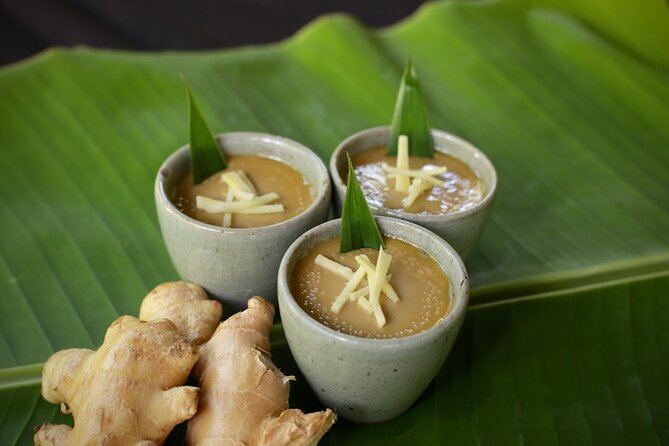
You come to a class to learn. But dessert cooking has an extra layer: you are relying on your palate to guide you. When you are tasting your own work, you can adjust in real time.
This experience appears built around that feedback loop. Reviews mention a chef or host who was friendly, knowledgeable, and patient. Even without naming individuals, the takeaway is clear for you as a reader: you can ask questions and get help when something is not turning out the way you expected.
That is especially helpful if you already enjoy Cambodian desserts but have never cooked them before. The class seems designed so that the gap between what you think will happen and what actually happens in the pan is treated as part of the learning, not a failure.
Pickup and Small-Group Size: Comfort Adds Up
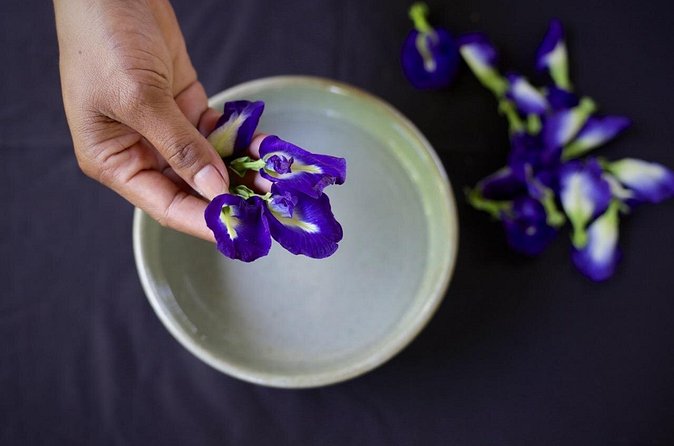
You have pickup offered, and the tour uses a mobile ticket. Those are not glamorous details, but they matter in Siem Reap. You want an activity that does not eat your day in transit stress.
The group size cap, up to 12 travelers, is also a practical quality signal. When a class is small, instructors can spend time with each person. You are more likely to get hands-on help and fewer long waiting gaps between steps.
If you are traveling solo, a small group can be a relief too. It is easier to settle into the experience and strike up conversations without feeling like you are stuck in a crowd.
Value for $32: Is It Worth It?
At $32 per person for about 3 hours, this is value if you care about learning techniques you can repeat. You are paying for:
- a hands-on cooking setup (not just a food tasting)
- instruction tied to an ingredient lesson (palm sugar from origin to use)
- practical methods like making fresh coconut cream
- a recipe card to take home
If you compare it to a simple dessert tasting, the difference is clear. Tasting teaches your palate. This class teaches your hands. And because it is small-group, you also get a better chance at personalized guidance.
The value is even better if you plan to cook at home afterward. The recipe card helps, but the real advantage is the technique memory you build while cooking at your own station.
Who Should Book This Dessert Class in Siem Reap
This is a great fit if you:
- want something different from temple days
- love dessert, especially coconut and palm sugar flavors
- want a hands-on souvenir that turns into real future meals
- enjoy learning from practical cooking lessons rather than lecture-style tours
It might be less ideal if you:
- want a pure sightseeing outing with lots of roaming and photo stops
- dislike messy, hands-on activities
- have a schedule that cannot spare about 3 hours in the early afternoon
Quick FAQ
FAQ
What is the duration of the Cambodian dessert cooking class?
The class runs for about 3 hours.
Where does the class take place?
It is in Siem Reap, Cambodia, with the cooking class described as happening in a village setting.
What time does the activity start?
The start time is 12:30 pm.
Is pickup included?
Pickup is offered.
How many people are in each class?
The class has a maximum of 12 travelers.
What will I learn to cook?
You will make three Cambodian desserts in a fully hands-on cooking class.
Does the class focus on any specific ingredient?
Yes. Each class includes a deep dive into palm sugar, from the sugar palm tree to the finished product.
Do I get a recipe card?
Yes, recipe cards are provided.
Is tasting included?
Yes. The experience includes tasting the desserts you make.
Can I cancel for a full refund?
Yes. Cancellation is free up to 24 hours in advance of the experience start time.
Should You Book It or Skip It?
If you want a memorable Siem Reap experience that gives you something practical, I would book this. The combination of hands-on stations, a clear palm sugar lesson, and the promise of three desserts you can recreate is exactly the kind of food activity that keeps paying off after your trip.
I would skip it only if you are looking for mostly sightseeing or you cannot spare a focused 3-hour block. If dessert cooking sounds fun, and you like learning how flavors work instead of just buying a treat, this is a solid choice.
Newly listed around Siem Reap
- Sambor Prei Kuk Off Beaten Track★ 5.0 · 3 reviews
- Siem Reap Airport Taxi Transfer – City Center Hotels★ 5.0 · 5 reviews
- Angkor Wat at Sunrise★ 4.0 · 7 reviews
- Short Cycling at Countryside★ 5.0 · 29 reviews
- Unveiling the Mystical Beauty of Phnom Kulen National Park★ 5.0 · 6 reviews
- Bakong Temples & Floating Village Tour★ 4.5 · 3 reviews
- Rooftop Romantic Dinner – 4 Courses Set Meal & Wine★ 3.5 · 5 reviews
- Khmer Cooking Class in Cambodia★ 5.0 · 36 reviews
3-Hour Experiences, compared.

Sunrise at Angkor Wat Temple: 3-Hour Private Tour
Read our review →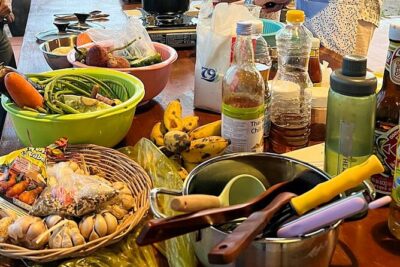
3-Hour Siem Reap Guided Cooking Class and Market with Pick up
Read our review →

Browse the lists this tour appears in