
Review · PREAH VIHEAR TOURS
5 Days | Angkor Sunrise & Preah Vihear Explorers
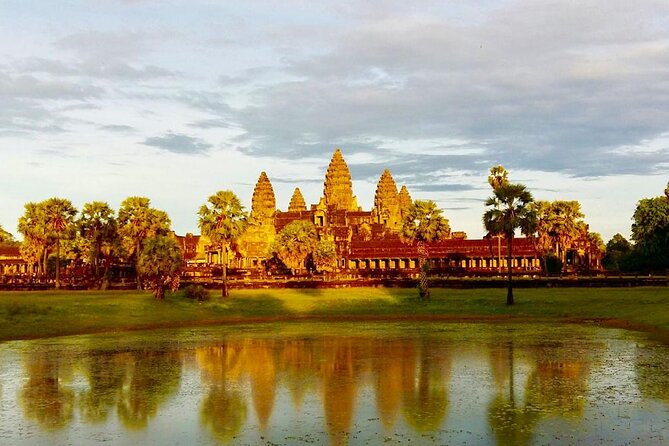
Sunrise over Angkor changes your whole mood. This 5-day Siem Reap trip strings together the big Angkor sights, then pushes farther out to Phnom Kulen, Preah Vihear, and Koh Ker, with history stops like the Killing Fields and Angkor National Museum.
I really like the way the schedule mixes early temple time with slower, quieter breaks, so you get both the wow-factor views and moments to breathe. I also like having Hok Cambodia Journeys guide the group, with clear English explanations and practical help for photos, which makes the long days feel more manageable. The main drawback to plan around is that the mornings are early, and some major entry tickets are not included.
In This Review
- Key highlights worth packing for
- Why this 5-day mix feels smart in Siem Reap
- Price and what you really pay for ($640 per person)
- Day 1: Angkor Wat classics, Ta Nei quiet time, and Ta Prohm’s jungle mood
- Angkor Wat (2 hours)
- Angkor Thom South Gate (30 minutes)
- Bayon Temple (45 minutes)
- Ta Nei Temple (30 minutes)
- Ta Prohm (1 hour)
- Siem Reap Night Market and an optional Apsara evening (1 hour)
- Day 2: 4:30 AM Angkor Wat sunrise, then Lady Temple and roots at Preah Khan and Ta Som
- Angkor Wat sunrise timing tip
- Banteay Srei, the Lady Temple (45 minutes)
- Preah Khan, the Holy Sword Temple (1 hour)
- Ta Som (45 minutes)
- Neak Pean (45 minutes)
- Bodia Spa Pub Street massage option (1.5 hours)
- Day 3: Phnom Kulen holy sites, then Beng Mealea’s untouched jungle ruins
- Phnom Kulen Mountain (2 hours)
- Beng Mealea (1 hour)
- Day 4: Anlong Veng breakfast boxes, Preah Vihear near Thailand, then Koh Ker’s former capital
- Anlong Veng and Ta Mok’s House
- Preah Vihear Temple (3 hours total with travel time)
- Lunch break and Koh Ker’s capital (2 hours)
- Day 5: Wat Thmey Killing Fields, Angkor National Museum, Tonle Sap floating village, then monk water blessing and Phare
- Wat Thmey (Killing Fields) (1 hour)
- Angkor National Museum (1.5 hours)
- Chong Kneas Floating Village and Tonle Sap Great Lake tour (90 minutes)
- Wat Bo Temple monk’s water blessing (1 hour, included)
- Optional Phare, The Cambodian Circus (evening)
- What’s included that you’ll actually feel on the ground
- Good-fit travelers, and who might want to adjust expectations
- Should you book this 5-day Angkor Sunrise & Preah Vihear Explorers tour?
- FAQ
- What does the tour price include?
- Which major tickets are not included?
- What are the main pickup times?
- Is this tour private or shared with strangers?
- Does the tour include a water blessing ceremony?
- How much notice do I need for a full refund?
Key highlights worth packing for
- Angkor Wat sunrise at 4:30 AM with a strong chance to use the reflecting pool for photos.
- A full first-day Angkor circuit: Angkor Wat, Angkor Thom, Bayon, Ta Nei, and Ta Prohm.
- Phnom Kulen plus the remote jungle ruins of Beng Mealea, including sacred sites and mine-cleared access.
- Preah Vihear and Koh Ker for a change of scenery, big viewpoints near the Thai border, and the Khmer empire capital of Jayavarman IV.
- Day 5 history and local life: Wat Thmey Killing Fields, Angkor National Museum, Chong Kneas floating village, and a Wat Bo monk’s water blessing.
- Supportive small comforts like an air-con vehicle, cold water and towels, plus local fruits and coconut.
Why this 5-day mix feels smart in Siem Reap
This tour is built for people who want more than a single Angkor day. You get sunrise and sunset energy at Angkor, yes, but you also get Cambodia beyond the temple core: Phnom Kulen’s sacred mountain sites, Preah Vihear’s dramatic cliff setting, Koh Ker’s quieter kingdom capital, and then the sobering context of the Khmer Rouge era.
What you should love most is the balance of emotions. Temple mornings bring awe. Later days add perspective, from the museum to the Killing Fields. Then Day 5 ends with community life on Tonle Sap and a spiritual ceremony at Wat Bo. It’s a lot, but it’s not one-note.
The other practical win is transport and pacing. With an air-con vehicle and regular scheduled stops, you spend less time figuring things out on your own. Still, you should treat this as a busy, early-start plan, not a relaxed vacation with long hotel mornings.
More Preah Vihear trips:
- Preah Vihear: Full-Day Preah Vihear and Koh Ker Temple Tour
★ 4.9 · 263 reviews - Full-Day Preah Vihear, Koh Ker and Beng Mealea Private Tour
★ 4.4 · 101 reviews - Preah Vihear temple – Koh Ker & Other temple with Small Group
★ 5.0 · 96 reviews
Price and what you really pay for ($640 per person)
At $640 per person for about 5 days, the value depends on how you handle extra tickets and how much you want everything organized end to end. The tour price covers real on-the-ground work: an English tour guide, an air-con vehicle, and in-route comforts like cold water and towels, plus local fresh fruits and coconut.
Here’s what matters most for budgeting. The Angkor Temple Pass and several other site tickets are not included. That means your total spend will be higher once you add those entries. Also, hotel accommodation is on you, so compare this price with what you’d spend on your own guide plus transport.
If you’re traveling as a small group, you may also benefit from the tour’s group discount approach. But because the schedule is tightly packed, the main value is convenience and continuity, not just getting a low price.
Day 1: Angkor Wat classics, Ta Nei quiet time, and Ta Prohm’s jungle mood
Your Day 1 starts with pickup at 8:00 AM. A key detail here is that you go to buy the three-day Angkor Temple Pass with the group. That pass matters because Angkor sites are spread out, and this tour is designed to hit multiple locations efficiently.
Angkor Wat (2 hours)
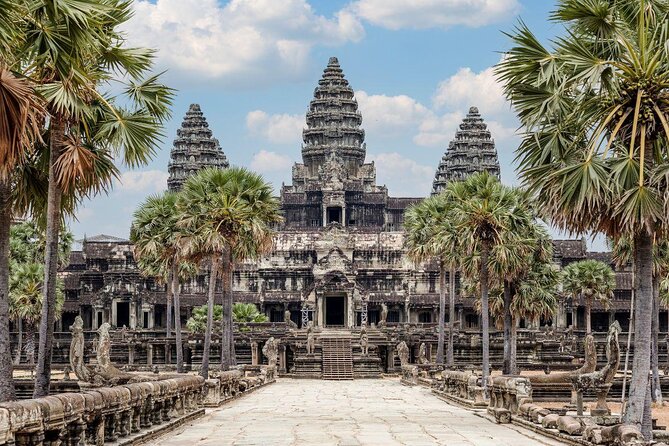
You’ll visit Angkor Wat, Cambodia’s best-known temple and the largest religious monument in the world. It’s exceptionally well-preserved, and you’ll feel the Khmer design logic in the balance of the temple-mountain style and the later galleried temple features. This is your anchor stop, so don’t rush it.
Practical note: midday light can be harsh. Wear breathable clothes, and take breaks when you can. If you’re doing sunrise elsewhere, you may not need every photo angle here, but the scale is worth slowing down for.
A different kind of day in Cambodia:
- Angkor Wat Sunrise or Sunset Tour with Guide from Siem Reap
★ 5.0 · 12,109 reviews - Siem Reap: Angkor Wat: Small-Group Sunrise or Sunset Tour
★ 5.0 · 9,444 reviews - From Siem Reap: Kampong Phluk Floating Village Tour by Boat
★ 4.9 · 6,979 reviews - Sunset tour of Kampong Phluk stilts home village on the Tonle Sap
★ 5.0 · 4,865 reviews
Angkor Thom South Gate (30 minutes)
Next comes the South Gate of Angkor Thom, with the dramatic bridge flanked by 54 statues of gods and 54 statues of demons. It’s also where you’ll see the tower with four serene faces representing Brahma, a strong symbol of protection for the city.
This is a great stop for orientation. Even if you’ve seen photos, standing there helps you understand the layout you’ll walk later.
Bayon Temple (45 minutes)
Bayon is known for the face towers and the way it mixes Hindu and Buddhist elements. The temple bas-reliefs reflect that cultural overlap during the Khmer era, and it’s one of the places where you can read the empire’s story through carvings more than through guide storytelling alone.
A small drawback: it can get crowded. If you want quieter viewing, keep your pace brisk here and save long pauses for the less busy sites on the same day.
Ta Nei Temple (30 minutes)
Ta Nei is your reset. It sits deeper in the jungle and tends to feel calmer than the headline temples. You’re in for natural quiet, plus a better chance to notice jungle birds and small animals moving through the trees.
This stop is short, but it’s strategically placed to break the density of the main Angkor circuit.
Ta Prohm (1 hour)
Then you hit Ta Prohm, famous for the massive trees with roots spreading over ancient stone. It’s the Tomb Raider temple connected in pop culture, but beyond the name, it’s a strong example of how nature and architecture interact here.
Because this is a top photo spot, expect more people. If you don’t love crowds, go with a simple plan: shoot your main angles, then focus on the quieter side paths and details.
Siem Reap Night Market and an optional Apsara evening (1 hour)
Evening time is flexible. You can head to the Siem Reap Night Market area, and there’s an optional dinner with Apsara dance. Apsara performances come from Khmer royal traditions and often tell stories tied to Khmer mythology and history.
If you’re trying to keep your energy up for early starts tomorrow, consider a lighter dinner and leave space for sleep. Also, street food is part of the fun here, but eat slowly and stick to places that look clean and busy.
Day 2: 4:30 AM Angkor Wat sunrise, then Lady Temple and roots at Preah Khan and Ta Som
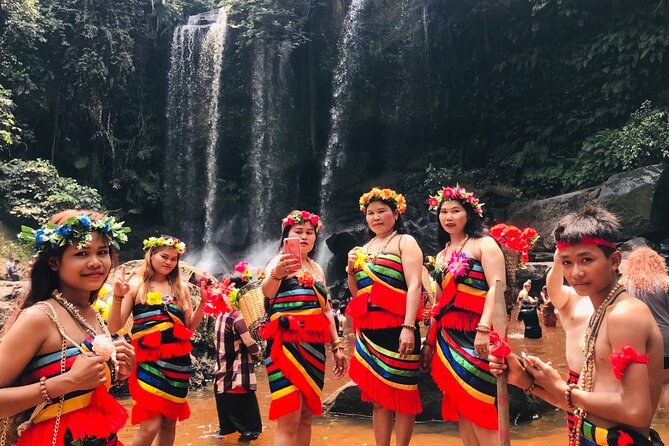
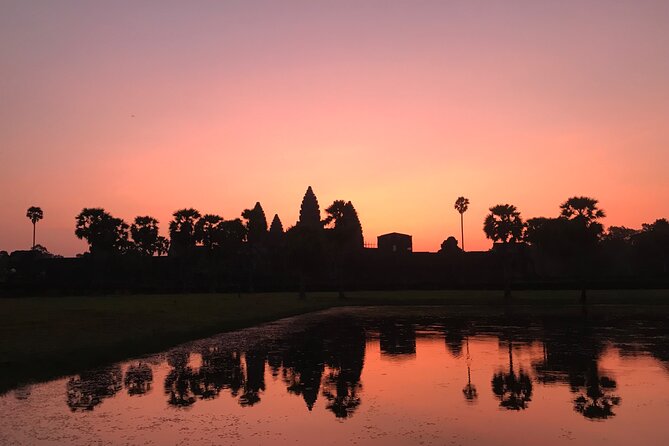
Day 2 is built around an early pickup at 4:30 AM for Angkor Wat sunrise. The payoff is real: you get the sky colors and the reflecting pool view close to the main temple.
Angkor Wat sunrise timing tip
You’ll want to position yourself near the reflecting pool in front of the main temple area for the best mirrored water effect. This is the kind of moment where being early beats being perfect with your camera settings.
After sunrise, the rest of the day becomes a temple marathon, but at least you already got the big emotional hit first.
Banteay Srei, the Lady Temple (45 minutes)
Banteay Srei is known for intricate carvings and pink sandstone. It’s often called the Lady Temple, and the carvings have a level of fine detail that feels special compared with some larger stone-heavy complexes.
If you enjoy craftsmanship, this is one of the most satisfying stops.
Preah Khan, the Holy Sword Temple (1 hour)
Preah Khan is a large complex with plenty of well-preserved carving work. It’s dedicated to the father of King Jayavarman VII, represented through Lokesvara, tied to compassion.
It also functioned as a royal school. That means the site is not just temples and corridors. It’s a place with an educational role baked into its purpose, which helps the architecture feel more human.
Ta Som (45 minutes)
Ta Som adds the East Gate focus, with trees and roots intertwining into stone over time. This is another stop where nature does the heavy lifting for the visuals.
If your feet are tired, this is a good place to slow down and notice less obvious angles.
Neak Pean (45 minutes)
Neak Pean, meaning entwined serpents, was designed for medical purposes based on ancient beliefs about balancing elements in the body. The layout includes pools connected by stone conduits, representing Water, Earth, Fire, and Wind.
This is a different kind of temple experience because it feels like a place of treatment rather than just worship.
Bodia Spa Pub Street massage option (1.5 hours)
Later, you can take time for a massage or spa treatment on Pub Street. It’s a practical choice after two big temple days. If you’re sensitive to heat and walking fatigue, book this as your “recover now” moment.
Day 3: Phnom Kulen holy sites, then Beng Mealea’s untouched jungle ruins
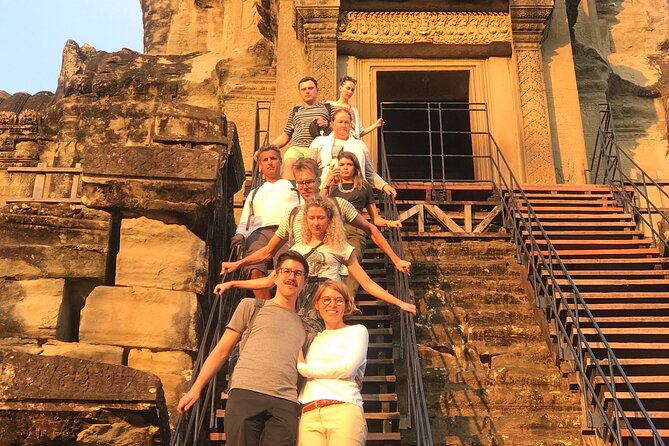
Day 3 has pickup at 8:00 AM and heads to Phnom Kulen National Park.
Phnom Kulen Mountain (2 hours)
Phnom Kulen is sacred mountain country, tied to the birthplace story of the Khmer empire. The name is Lychee Mountain, and you’ll see holy waterfalls, a reclining Buddha, and the sacred river with thousand Lingas.
You may also visit Srash Damrei and the Bat Cave area, depending on the flow of the day. The point is that this is not just another temple. It’s a whole sacred landscape with religious meaning.
Beng Mealea (1 hour)
After Phnom Kulen, you continue to Prasat Beng Mealea, about 66 km from Siem Reap by road. This is Cambodia’s popular remote jungle temple, where the ruins remain in their original ruined condition and are not heavily restored.
A major detail to respect: Beng Mealea was reopened to visitors after land mines were cleared in the early 2000s, and you should use caution inside the ruins. That means uneven ground, loose stone, and dark galleries can be part of the experience.
This stop is shorter than the big Angkor days, but it feels like a reset from crowds. You’re walking ruins that still feel raw.
Day 4: Anlong Veng breakfast boxes, Preah Vihear near Thailand, then Koh Ker’s former capital
Day 4 starts extremely early, with pickup at 5:30 AM. The tour asks you to request breakfast boxes from your hotel, and you stop at Anlong Veng small town for breakfast and refreshment.
Anlong Veng and Ta Mok’s House
Anlong Veng was the last stronghold capital city of the Khmer Rouge Army before 1998, tied to Pol Pot’s story. You also visit Ta Mok’s House, now a popular historical site.
This is where you move from temple aesthetics into the political reality that shaped Cambodia. It’s not a casual stop.
Preah Vihear Temple (3 hours total with travel time)
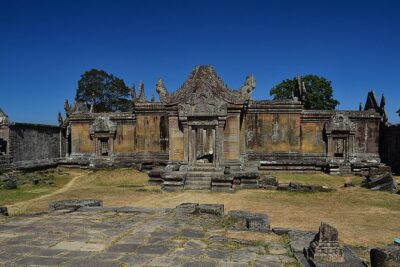
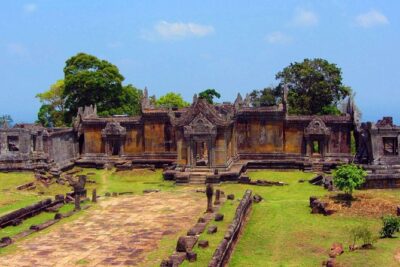
Then comes the big jump to Preah Vihear, on top of the Dang Rek Mountain Range near the Thailand border. The setting is the headline: you can see the Thai army from the cliff edge area.
Preah Vihear is also a Hindu temple, and this tour’s framing focuses on how the temple’s position and viewpoint create a natural sense of drama. Expect walking and some exposure, so pace yourself.
Lunch break and Koh Ker’s capital (2 hours)
After Preah Vihear, you have about an hour for lunch near the park, then continue to Koh Ker.
Koh Ker was the ancient capital under King Jayavarman IV, who ruled from 921 to 944. The important detail for your understanding is that Jayavarman IV moved his court from Angkor to Koh Ker, bringing royal family members and a larger population. That helps explain why Koh Ker has multiple temple groupings with a sense of “court center” energy.
A drawback on this day is simply fatigue. The schedule is long, and you’ll go from emotional history to big temple scale. If you tend to get motion sick, sit back in the air-con vehicle and take it easy during transitions.
Day 5: Wat Thmey Killing Fields, Angkor National Museum, Tonle Sap floating village, then monk water blessing and Phare
Day 5 starts at 9:00 AM. It’s the most emotionally demanding day of the whole trip, but it’s also one of the most meaningful.
Wat Thmey (Killing Fields) (1 hour)
You visit Wat Thmey Killing Field, where Khmer Rouge victims’ skulls are placed, and you learn about Cambodian lives during 1975 to 1979. The tour notes the Pol Pot genocide government killed about 3 million Cambodians, including some foreigners.
You’ll also learn the site’s history, including that Wat Thmei was originally a government primary school and later used as a prison for interrogation, torture, and punishment. Confessions were documented, and prisoners were killed afterward.
This isn’t sightseeing. You need mental space for it. Dress respectfully and allow extra time for your own thoughts after you leave.
Angkor National Museum (1.5 hours)
Next is the Angkor National Museum, where you’ll see ancient artifacts. A useful context point: you cannot view as many original artifacts inside the temples today because many are safely stored at places like the Angkor Conservation Center and other museums.
That’s why the museum can feel like a “second Angkor” experience. You get a clearer sense of what the empire produced and why conservation matters.
Chong Kneas Floating Village and Tonle Sap Great Lake tour (90 minutes)
Then you go to Tonle Sap Great Lake and do a 90-minute local experience with fishermen families around floating houses in Chong Kneas. The focus is real life on the lake, not staged tourist sets.
This is your tone shift day. The lake experience can be paired with sunset in some cases, and it’s simply a good reminder that Cambodia is not only temples and tragedy.
Wat Bo Temple monk’s water blessing (1 hour, included)
Your final major activity is the monk’s water blessing ceremony at Wat Bo Temple. The stated purpose is safe travel and more prosperity and good fortune. It’s described as popular locally and available to few tourists unless you join a tour like this.
This is a spiritual moment, so keep your attention on the ceremony rather than treating it as a photo stop. If you’re unsure what to do, follow your guide’s pace.
Optional Phare, The Cambodian Circus (evening)
The evening option is Phare Cambodian Circus, with show times typically 8:00 PM to 9:00 PM. It includes Cambodian storytelling with acrobatics and live music, and ticket purchases support the artists and their families.
If you choose it, arrive at least half an hour early for seating and atmosphere.
What’s included that you’ll actually feel on the ground
The tour includes more than just a guide.
- Air-con vehicle for long transfers between temple clusters and out-of-town sites.
- English tour guide support, plus cold water and towels during the day.
- Local fresh fruits and coconut, a small but welcome break in heat.
- Monk’s water blessing ticket on Day 5 is included.
- The Tonle Sap floating village stop is marked as included in the stop details.
And because the activity is private for your group, you should expect less hassle than a packed public bus setup.
Good-fit travelers, and who might want to adjust expectations
This tour is best for you if you:
- Want both famous Angkor and lesser visited Khmer sites like Ta Nei, Preah Vihear, and Koh Ker.
- Can handle early mornings, especially 4:30 AM sunrise and 5:30 AM day 4.
- Like guided interpretation. Having Hok Cambodia Journeys explain what you’re seeing, and help with photo timing, makes a big difference when you’re juggling multiple temples.
It may not be ideal if you:
- Prefer slow travel. The schedule is full, and you’re moving through several major sites each day.
- Don’t want heavier history. Wat Thmey Killing Field and the museum are emotionally intense parts of the itinerary.
Should you book this 5-day Angkor Sunrise & Preah Vihear Explorers tour?
I’d book it if you want a structured Cambodian experience that reaches beyond Angkor in a single week. The early Angkor Wat sunrise is the star for photos and mood, and the rest of the route adds genuine variety with Phnom Kulen, Beng Mealea, Preah Vihear, and Koh Ker. Then Day 5 ties it all together with the Killing Fields, Angkor National Museum, Tonle Sap life, and a monk water blessing ceremony.
Before you commit, I’d budget for the extra entry tickets you’ll need, especially the Angkor Temple Pass and the Preah Vihear and Koh Ker tickets. Also, take early starts seriously. If you can handle mornings, this tour is a strong value for organized temples plus real-world Cambodia context.
FAQ
What does the tour price include?
The tour includes an air-con vehicle, an English tour guide, cold water and towels, and local fresh fruits and coconut. It also includes tickets for the monk’s water blessing ceremony on Day 5, and the Tonle Sap floating village stop is marked as ticket included in the Day 5 itinerary details.
Which major tickets are not included?
The Angkor Temple Pass is not included. Also not included are the Preah Vihear ticket, the Koh Ker Temple ticket, boat trip and lake entrance fees (listed under exclusions), and the Phare circus ticket. Hotel accommodation is not included either.
What are the main pickup times?
Pickup is at 8:00 AM on Day 1. Day 2 pickup is 4:30 AM for sunrise. Day 4 pickup is 5:30 AM (with breakfast boxes requested from your hotel). Day 5 pickup is 9:00 AM.
Is this tour private or shared with strangers?
It is private for your group only, so you are not sharing with other groups.
Does the tour include a water blessing ceremony?
Yes. The monk’s water blessings ceremony at Wat Bo Temple is scheduled on Day 5, and the ticket is marked as included.
How much notice do I need for a full refund?
You can cancel up to 3 days in advance of the experience for a full refund. For a full refund, you must cancel at least 3 full days before the experience start time.
Newly listed around Siem Reap
- Twilight Tastes of Siem Reap Include Dinner★ 5.0 · 13 reviews
- Ultimate Sunrise to Angkor Wat, Angkor Thom and Bayon Temple★ 5.0 · 3 reviews
- Trekking Tour at Phnom Kulen National Park from Siem Reap★ 5.0 · 3 reviews
- Angkor 2-Day Sunset & Sunrise Small-Group Tour★ 4.5 · 6 reviews
- 2-Day Siem Reap Angkor Bicycle Experience★ 5.0 · 7 reviews
- Unique Private Day Tours To Kompong Khleang Village & Tonle Sap Lake★ 5.0 · 5 reviews
- 6-hour Angkor Sunrise & Private Tour (Solo, Couple & Family )★ 5.0 · 5 reviews
- Professional Photo Shoot in Angkor Archaeological Park, Siem Reap★ 5.0 · 42 reviews
Preah Vihear Tours, compared.
Preah Vihear: Full-Day Preah Vihear and Koh Ker Temple Tour
Read our review →
Full-Day Preah Vihear, Koh Ker and Beng Mealea Private Tour
Read our review →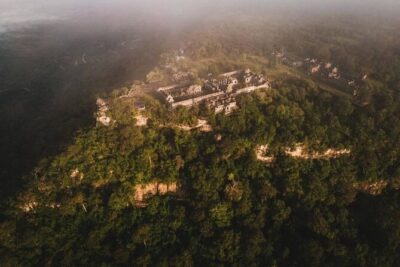
Preah Vihear temple – Koh Ker & Other temple with Small Group
Read our review →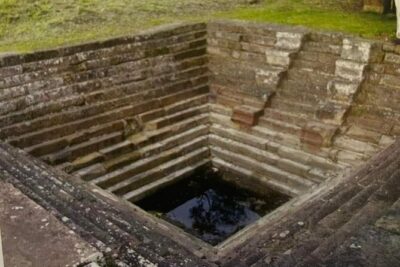
Full Day Private Remote Tour to Preah Vihear Temple + Koh Ker
Read our review →
Private Day Tour of Preah Vihear Off the Beaten track
Read our review →Full-Day Preah Vihear, Koh Ker and Beng Mealea Private Tour
Read our review →Browse the lists this tour appears in