Review · TOURS
A Day Tour to Magnificent Angkor
Quiet Angkor beats the usual stampede. This private day tour is paced to feel calm, with a reverse itinerary that helps you hit the big spots when others are easing off. I like that it also mixes three very different temple vibes, then gives you a breather before the afternoon circuit.
You’ll spend about three hours at Angkor Wat for clear, considered sightseeing, then an hour at Ta Prohm with the famous tree roots doing their thing. One possible drawback to plan around is the temple pass cost, since the tour price does not include the Angkor day ticket.
In This Review
- Key Highlights to Know Before You Go
- Why This Reverse-Order Angkor Day Feels So Much Calmer
- Price, Temple Pass, and What You Really Spend
- Entering Angkor Wat After 7am, Without the Usual Traffic
- Ta Prohm and the Tree-Root Moment People Actually Remember
- Angkor Thom at 2:00pm, When the Face Towers Take Over
- Small Comforts That Matter in Siem Reap Heat
- Where You Meet, and How to Think About the Flow
- Who This Tour Fits Best
- Should You Book This Magnificent Angkor Day Tour?
- FAQ
- How long is the Magnificent Angkor day tour?
- Does the tour include pickup from my hotel?
- Where does the tour start and end?
- Which temples are included in the itinerary?
- How much time do you spend at each temple?
- Are the temple passes included in the price?
- Are meals included?
- Is a guide included?
- What is included with the tour besides transportation?
- What is the cancellation policy?
Key Highlights to Know Before You Go
- Reverse-order timing for a quieter feel at the main temples
- Angkor Wat after 7am, when crowds are shifting back toward town
- Ta Prohm’s tree-root drama in a short, focused stop
- A true afternoon relaunch at 2:00pm with Angkor Thom’s face towers
- Private group, max 2 comfort, plus bottled water, cold towel, and an umbrella
Why This Reverse-Order Angkor Day Feels So Much Calmer
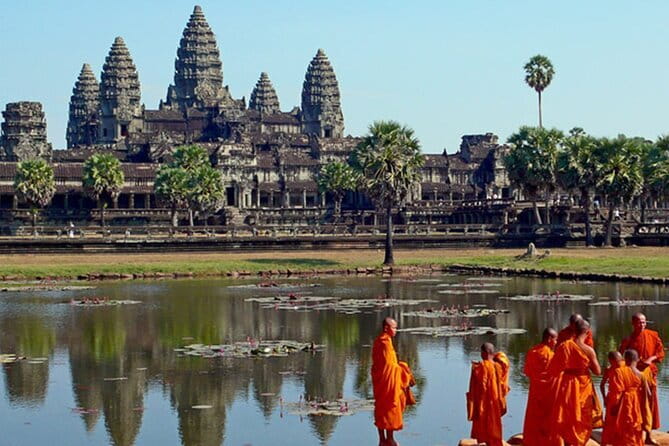
Angkor can be sensory overload, even if you love temples. The trick here is how the day is arranged. Instead of following the most common crowd pattern, the tour runs in reverse to help you visit each place when it is less packed. That means your photos have more breathing room, and your walking does not feel like you are constantly squeezing between people.
I also like the way the day is built for real pacing. You are not racing. You are moving temple to temple in short hops, then pausing long enough to actually look up, notice carvings, and absorb the scale without feeling rushed.
The day still includes the three headline sites, but the emphasis is on comfort. You get transportation, plus practical extras like bottled water, a cold towel, and an umbrella for sun or unexpected showers. Those small comforts matter in Siem Reap, because a long day in heat and humidity is tiring even when you are excited.
Others in Siem Reap worth putting side by side:
- Angkor Wat Sunrise or Sunset Tour with Guide from Siem Reap
★ 5.0 · 12,109 reviews - Siem Reap: Angkor Wat: Small-Group Sunrise or Sunset Tour
★ 5.0 · 9,444 reviews - From Siem Reap: Kampong Phluk Floating Village Tour by Boat
★ 4.9 · 6,979 reviews
Price, Temple Pass, and What You Really Spend
This tour is $20 per group (up to 2 people), which is a good setup if you are traveling as a couple or with a friend. The big thing to understand is that you will also need the temple ticket. The Angkor 1-day pass costs US$37 per person, and it is not included.
Meals are also on you. The tour lists typical meal spending in the US$5 to US$15 range. If you plan to buy lunch and maybe a snack, you can budget this pretty comfortably.
There is also the question of a guide. A licensed English-speaking guide is listed at $40 per day, with a $10 sunrise surcharge (if you add that type of service). If you go without an added guide, you can still enjoy the temples, but a guide can help you connect symbols, Khmer terms, and the layered meaning behind what you see.
Put simply, the tour price buys you the timing, the vehicle, and the logistics support. Your temple pass buys access. Your meals buy your energy.
Entering Angkor Wat After 7am, Without the Usual Traffic
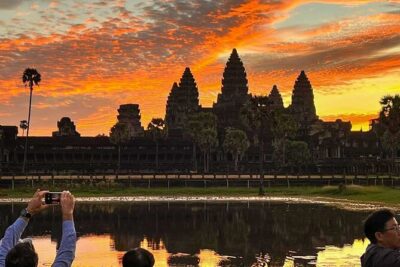
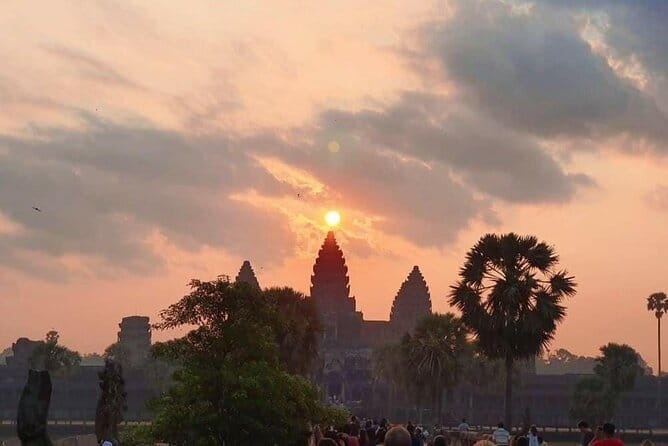
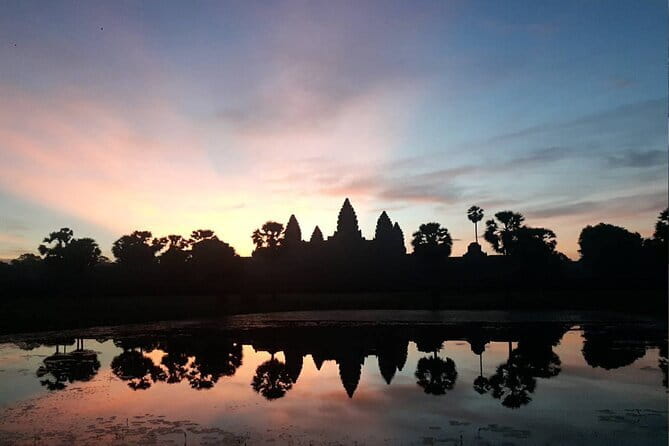
The day starts at Angkor Wat sometime after 7:00am. The idea is straightforward: go when many crowds are already working their way back toward town. That shift makes a real difference. You still get that iconic first sight, but the experience feels more like careful sightseeing than a nonstop stampede.
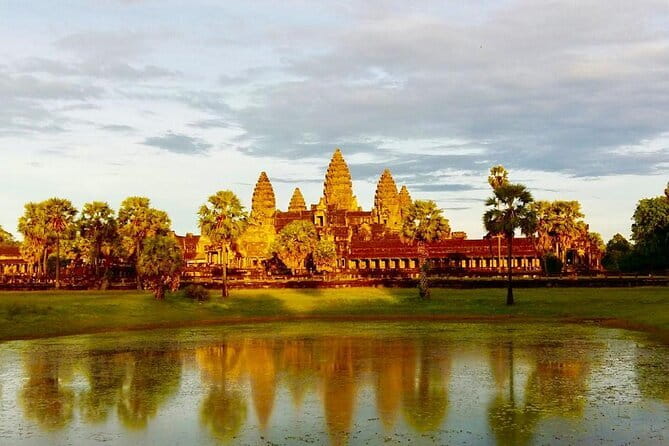
You will spend about three hours here, long enough to do more than the quickest checklist route. Angkor Wat was built in the early 12th century for King Suryavarman II as a state temple and the center of royal power. It’s also known as the best preserved temple complex in Angkor. One reason it is so compelling is that it changed hands religiously while still staying in use: it began as a Hindu temple dedicated to Vishnu, then later became used by Buddhists.
As you walk the grounds, pay attention to the balance and symmetry people talk about. Angkor Wat is often described as the fusion of symbolism and symmetry, and you can feel it when you compare the way structures line up across courtyards. It is also the world’s largest religious structure, and the scale can surprise you even if you have seen pictures.
What I like about this timing is simple: you get enough quiet to look. If you arrive later, the light can be harsher for photography and you might feel rushed. If you arrive much earlier, the site can feel like you are sharing it with everyone trying to beat the same crowds. After 7:00am hits a middle ground.
Important note: Angkor Wat admission is not included, so keep the day pass in mind before you arrive.
Ta Prohm and the Tree-Root Moment People Actually Remember
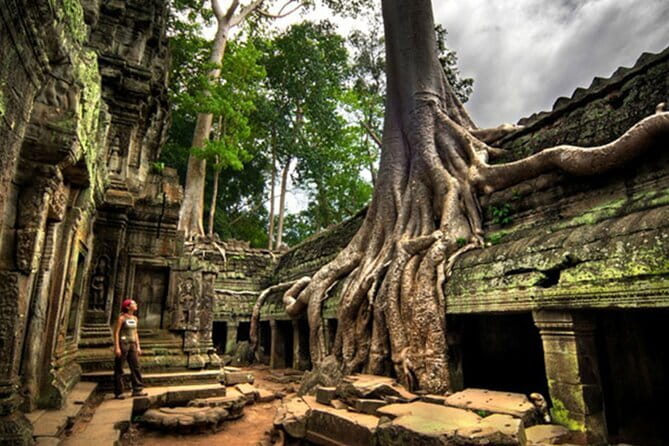
After Angkor Wat, you move on to Ta Prohm. This stop is about one hour, which is just right if you want the signature images without turning it into a marathon. Ta Prohm is famous for the massive roots and fig trees that grow around and through the stone. Hollywood put it on the map for many people, with the Tomb Raider connection, but the real draw is the slow conflict between nature and architecture.
The temple is known for being left open to the elements, like a paused page from a bigger story. The roots are not just scenic. They are a reminder that empires rise and fall, and then nature continues its own timeline. Ta Prohm is also tied to its modern rediscovery story. It was left largely as it was, until the French explorer Henri Mouhot documented it around 1860. That is why the site feels so raw compared with temples that were rebuilt more heavily.
What to expect in practice: you will walk through uneven sections, and you’ll want to look up as much as you look forward. If you only look from ground level, you miss half the effect. The roots become a kind of ceiling, framing doorways and carving natural borders around the ruins.
This is also the stop that benefits most from the tour’s pacing. Instead of sprinting through, you get a focused visit. Then you go back to your hotel to relax.
If you like photos, this is the best place to slow down and wait for a few groups to shuffle past. The crowd level can vary by day, but the overall flow of this tour is designed to keep the pressure lower than many standard circuits.
A different kind of day in Cambodia:
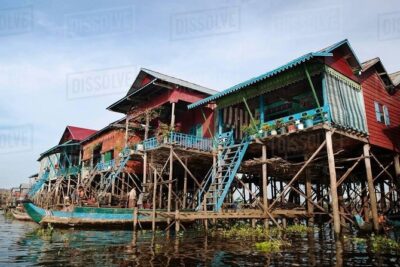
- Sunset tour of Kampong Phluk stilts home village on the Tonle Sap
★ 5.0 · 4,865 reviews - Siem Reap: Angkor Wat 2-Day Tour with Sunrise and Sunset
★ 4.9 · 4,429 reviews - Siem Reap: Kampong Phluk Floating Village Tour with Boat
★ 4.9 · 3,843 reviews - Siem Reap: Full-Day Angkor Wat Guided Tour with Sunset
★ 4.9 · 3,803 reviews
Angkor Thom at 2:00pm, When the Face Towers Take Over
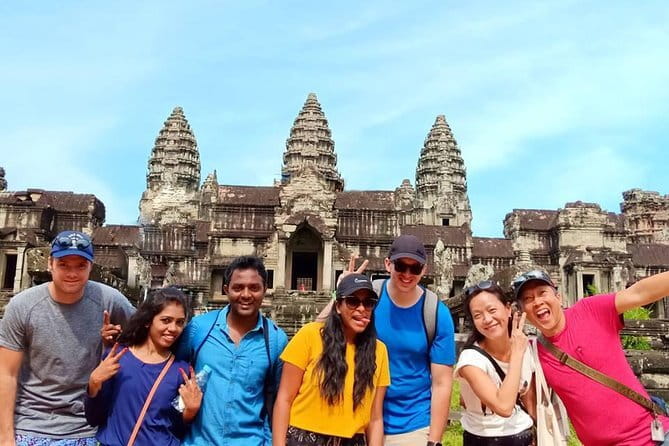
After Ta Prohm, the schedule sends you back to the hotel for a break, then you return to the temples at 2:00pm. That afternoon shift is a smart move for two reasons. First, it gives you a cooldown window. Second, you avoid getting stuck in the peak mid-day crush for a long stretch.
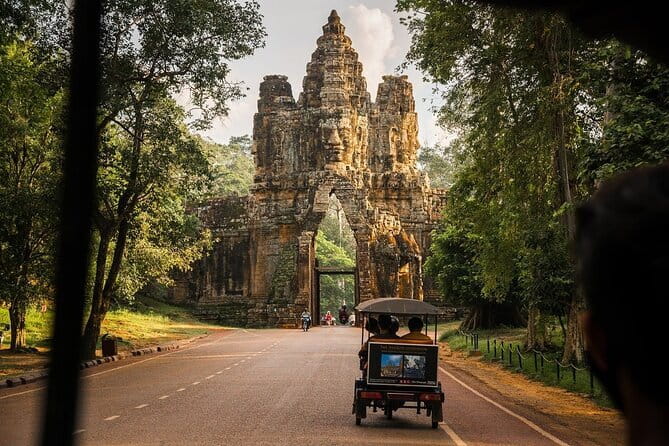
Then it is Angkor Thom, the walled city and major complex tied to King Jayavarman VII and his successors. You will spend about three hours here, which helps you cover multiple key structures instead of just passing one highlight.
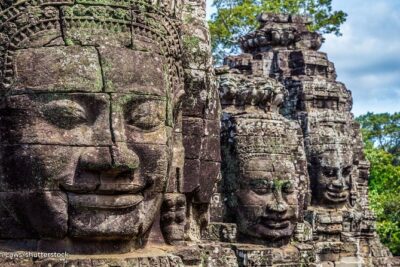
Angkor Thom includes the central temple area with Bayon, plus nearby sights such as the Terrace of the Elephants, Baphuon, the Royal Palace, and Phimeanakas. The star feature for many people is Bayon, with its mass of face towers. They create that stone mountain effect, a series of ascending peaks made of expressions carved into towers.
This site is also fascinating because of its layered religious use. The complex is described as extremely complex in both structure and meaning, passing through different religious phases. It moved from a pantheon-of-the-gods phase to Hindu worship, and later into Buddhism. So when you’re looking at carvings and layout, you are seeing more than one set of beliefs written into stone.
Practical tip: because this stop is longer, keep your walking rhythm steady. Angkor Thom involves more going between sections. If you try to force speed, you might feel it in your legs by the end. The longer you stay calm and spaced out, the more you notice details like posture in carvings, layout changes from one terrace to the next, and how the face towers work from different angles.
Small Comforts That Matter in Siem Reap Heat
This tour comes with simple, useful comfort items: bottled water, a cold towel, and an umbrella. It might not sound glamorous, but in Cambodia weather it makes the difference between enjoying the day and counting minutes until you can sit down.
Transport time between temples is listed at about 10 to 15 minutes. That is short enough that you feel the day stays connected, but not so short that you are stuck in constant traffic. The schedule is built to prevent long dead stretches.
It is also a private setup. Your group is kept separate, so you are not dealing with the typical group chaos of everyone yelling over each other for the same photo angle. You still get the sense of a guided route, but without the feeling of being herded.
One service detail that people tend to love is the punctual, smooth nature of the local driver and guide work. If you are paired with someone like Chea, you can expect consistent timing and practical care, including cold water ready right after you finish the more active bits of walking.
Where You Meet, and How to Think About the Flow
The start point is the Electric Vehicle Charging Station on River Rd, Krong Siem Reap. The tour ends back at that same meeting point. Also, pickup is offered, so your confirmation should clarify how they handle the handoff for your exact spot.
This matters for planning because you may not end directly at your hotel. If your hotel is not near the meeting area, think about how you will get back after the tour ends. The tour is designed as a full outing with that loop back.
The day runs roughly 5 to 7 hours. That window is long enough to see the big three, but short enough that you are not losing your entire day to temple time. The hotel break is a key part of that balance. If you use that time to cool down and reset, the afternoon will feel easier.
Who This Tour Fits Best
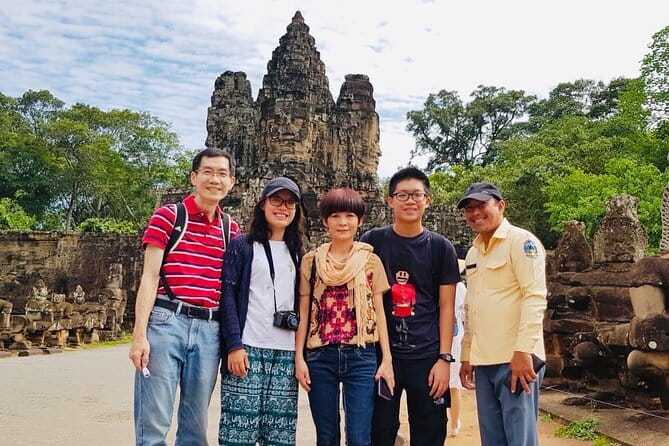
This is a strong fit if you want an Angkor day that feels like a plan, not a sprint.
You will like it most if:
- You prefer a relaxing pace and less crowd energy at each stop
- You are traveling as a couple or small group, since it is private with price set for up to 2
- You want enough time at Angkor Wat to do more than a quick photo lap
- You like structure, including the midday break before Angkor Thom
You might want to think twice if:
- You only have a strict schedule and cannot handle the break and afternoon timing
- You want everything included end-to-end, because temple tickets and meals are separate
- You strongly prefer a full-time guide, since a guide is an add-on cost
Should You Book This Magnificent Angkor Day Tour?
If you are aiming for a calmer Angkor day, I would book it. The reverse-order idea is the heart of the value, because it directly targets what most people struggle with at Angkor: crowd pressure. The pacing also makes the day feel more human, especially with that hotel reset before Angkor Thom.
Just do the math before you decide. You will pay $20 for the tour service for your group of up to 2, plus US$37 per person for the temple pass. Add meals if you want them on the spot. If that extra cost fits your budget, you get a well-paced itinerary that hits the main temples without feeling like you are constantly in line.
If your goal is to see Angkor Wat, Ta Prohm, and Angkor Thom in one day while keeping the atmosphere quieter and the timing smoother, this is a smart choice.
FAQ
How long is the Magnificent Angkor day tour?
It runs about 5 to 7 hours.
Does the tour include pickup from my hotel?
Pickup is offered.
Where does the tour start and end?
It starts at the Electric Vehicle Charging Station on River Rd in Siem Reap and ends back at the same meeting point.
Which temples are included in the itinerary?
You visit Angkor Wat, Ta Prohm, and Angkor Thom.
How much time do you spend at each temple?
Angkor Wat is about 3 hours, Ta Prohm is about 1 hour, and Angkor Thom is about 3 hours.
Are the temple passes included in the price?
No. The Angkor 1-day pass is not included and is listed at US$37 per person.
Are meals included?
No. Meals are not included, and the listed typical range is US$5 to US$15.
Is a guide included?
Guide service is not included. An English-speaking guide is listed at $40 per day, with a $10 surcharge for sunrise.
What is included with the tour besides transportation?
Bottled water, cold towel, and an umbrella are included.
What is the cancellation policy?
You can cancel up to 24 hours in advance for a full refund.
Newly listed around Siem Reap
- Sambor Prei Kuk Off Beaten Track★ 5.0 · 3 reviews
- Siem Reap Airport Taxi Transfer – City Center Hotels★ 5.0 · 5 reviews
- Unveiling the Mystical Beauty of Phnom Kulen National Park★ 5.0 · 6 reviews
- Angkor Wat at Sunrise★ 4.0 · 7 reviews
- Short Cycling at Countryside★ 5.0 · 29 reviews
- Bakong Temples & Floating Village Tour★ 4.5 · 3 reviews
- Rooftop Romantic Dinner – 4 Courses Set Meal & Wine★ 3.5 · 5 reviews
- Khmer Cooking Class in Cambodia★ 5.0 · 36 reviews
Tours, compared.
Angkor Wat Sunrise or Sunset Tour with Guide from Siem Reap
Read our review →
Angkor Wat: Small-Group Sunrise or Sunset Tour
Read our review →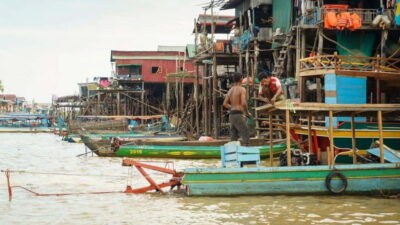
Sunset tour of Kampong Phluk stilts home village on the Tonle Sap
Read our review →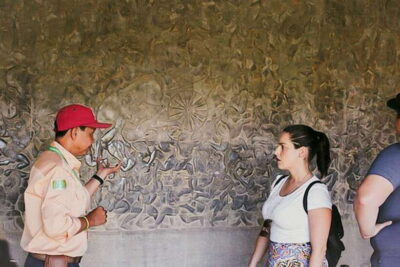
Angkor Wat 2-Day Tour with Sunrise and Sunset
Read our review →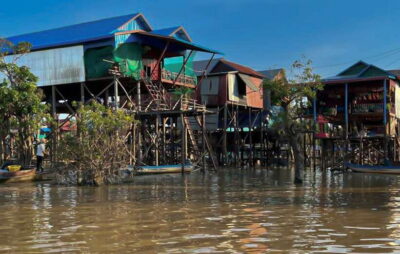
Kampong Phluk Floating Village Tour with Boat
Read our review →