
Review · FARMS
Angkor Silk Farm & Lotus Silk Farm: Siem Reap Discovery Tour
Silk starts in mud and ends in cloth. In four hours, you compare silkworm silk and lotus fiber with real demos in the Siem Reap countryside. You also get an easy downtown pickup, guided explanations in English or French, and time to browse products at both farm boutiques.
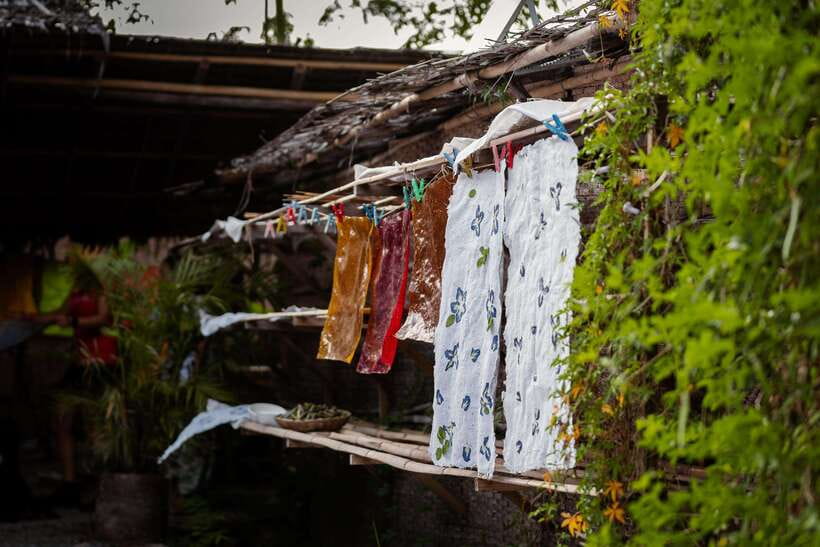
I especially like the step-by-step story at Angkor Silk Farm, from mulberry to cocoons to delicate thread. I also love the way the Lotus Silk Farm focuses on the science and the people behind the process, showing lotus fiber extraction and how the model empowers local women through ethical work.
One consideration: the drive between farms can feel long, and depending on the day, the heat can add up. Bring sun protection and comfortable shoes, because you will do some walking even though it is not a strenuous tour.
In This Review
- Key highlights to look for
- Biolab Café pickup: the smooth start you want before learning gets intense
- Angkor Silk Farm: from mulberry leaves to thread you can almost touch
- The silkworm life cycle part: why it feels less like a lecture
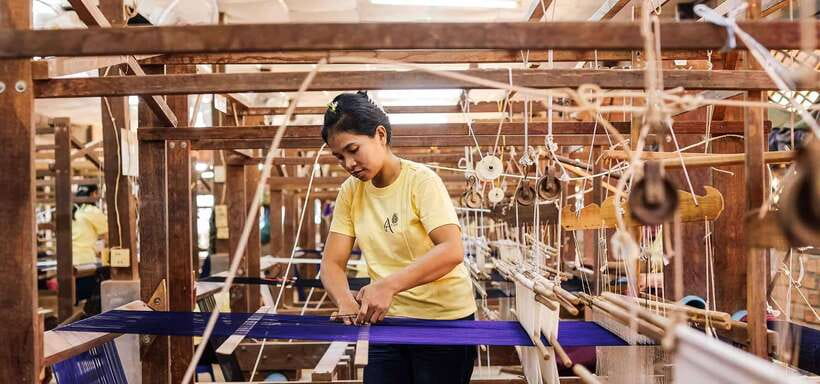
- Weaving on traditional wooden looms
- The 15-minute shopping window
- The countryside drive: scenic, but manage the time and the sun
- Lotus Silk Farm by Samatoa: where lotus stems become wearable fiber
- Lotus tea in the garden: a smart reset
- Supporting local women through ethical work
- Shopping at both boutiques without turning it into a rush
- Why this tour can be a smart use of 4 hours
- Best moments for culture nerds and practical souvenir shoppers
- Who should do Angkor Silk and Lotus Silk, and who might skip
- Should you book this Siem Reap silk experience?
- FAQ
- Where is the pickup and meeting point?
- What time does the tour run?
- How long does the tour take?
- Is hotel pickup included?
- What stops are included during the tour?
- Do I get tea or snacks during the tour?
- Is the tour guide available in English or French, and can I take photos?
Key highlights to look for
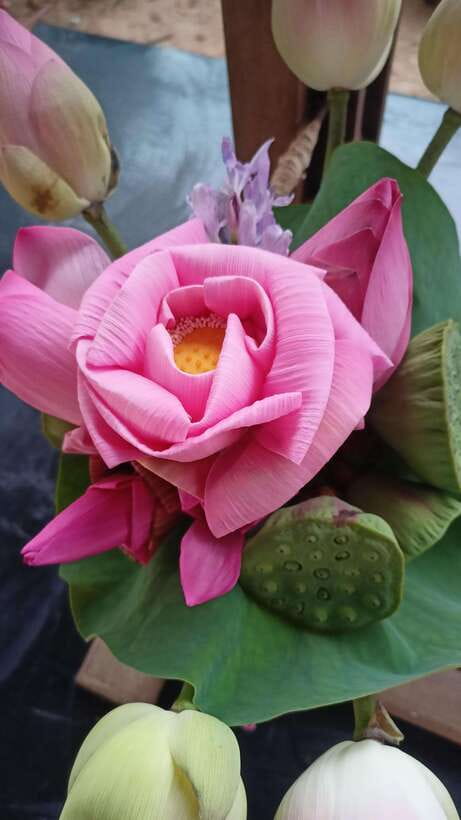
- Two farms, two different textile origins: silkworm silk versus lotus fiber cloth
- Live demonstrations you can watch closely: cocoons and thread making, then lotus stem processing
- Traditional wooden looms in action at Angkor Silk Farm
- Lotus tea break at Lotus Silk Farm, plus a calmer garden setting
- Ethical social enterprise focus supporting local women
- Boutique shopping time at both stops, with purchases separate from the tour price
Biolab Café pickup: the smooth start you want before learning gets intense
Your tour begins at Biolab Café in downtown Siem Reap. You will want to arrive about 10 minutes early, then look for a lotus-colored flag marked PICKUP – Lotus Silk Farm. A grey van handles transportation, and you wait in the café’s comfortable garden space with seating, restrooms, and free WiFi.
This matters because the tour itself is designed to be efficient. Once the van leaves, you will move through demonstrations on a tight but unhurried schedule, and you do not want to be scrambling for meeting-point details in the heat.
The tour runs with morning departure options at 8:30 AM and 10:00 AM. It can also be shared, so the group size may vary, but the route and timing stay the same for everyone.
Others in Siem Reap worth putting side by side:
- Angkor Wat Sunrise or Sunset Tour with Guide from Siem Reap
★ 5.0 · 12,109 reviews - Siem Reap: Angkor Wat: Small-Group Sunrise or Sunset Tour
★ 5.0 · 9,444 reviews - From Siem Reap: Kampong Phluk Floating Village Tour by Boat
★ 4.9 · 6,979 reviews
Angkor Silk Farm: from mulberry leaves to thread you can almost touch
Angkor Silk Farm is your first deep look at how Cambodian silk starts. You get a 45-minute guided visit where the production process is laid out from raw material to finished thread. Plan on seeing the full chain: mulberry cultivation, silkworm life stages, cocoons, and then thread extraction.
Even if you already know silk is made from cocoons, this is where it clicks into a real, visual workflow. You are not just hearing that silk is delicate, you are seeing where that delicacy comes from, step by step.
The silkworm life cycle part: why it feels less like a lecture
A big part of the experience is the silkworm life cycle presentation, which keeps the whole operation grounded. You also get live demonstrations that translate the biology into practical textile-making. In a few hours, it turns from an abstract product into something you can picture happening in front of you.
Weaving on traditional wooden looms
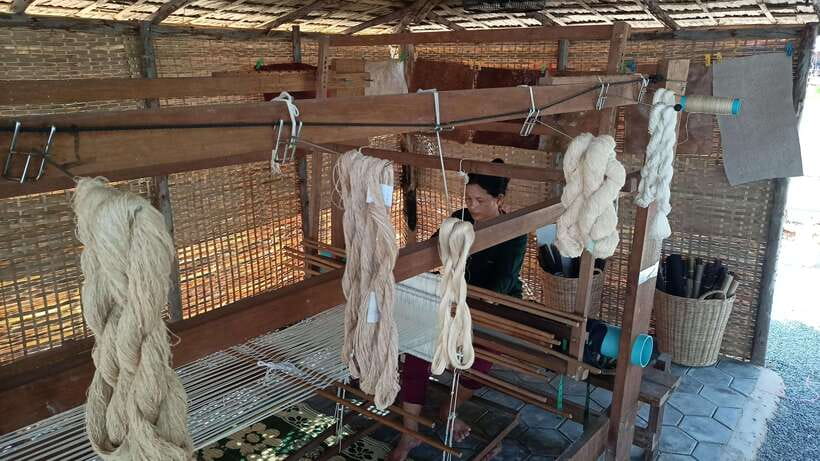
After the production sequence, the tour highlights weaving techniques on traditional wooden looms. This is where you see how patterns are formed and how the work stays tied to Khmer craft tradition. There is time for photos, and you will have plenty of moments where you can stop and really look at the mechanics.
One useful expectation: this is mainly observational. The tour includes demonstrations and guided explanations, but it does not include hands-on weaving workshops. If you want to literally put your hands on the loom, you might need to arrange that separately at the farm.
A different kind of day in Cambodia:
- Sunset tour of Kampong Phluk stilts home village on the Tonle Sap
★ 5.0 · 4,865 reviews - Siem Reap: Angkor Wat 2-Day Tour with Sunrise and Sunset
★ 4.9 · 4,429 reviews - Siem Reap: Kampong Phluk Floating Village Tour with Boat
★ 4.9 · 3,843 reviews - Siem Reap: Full-Day Angkor Wat Guided Tour with Sunset
★ 4.9 · 3,803 reviews
The 15-minute shopping window
You also get 15 minutes for shopping at the Angkor Silk Farm shop. This is short, so go with a clear plan. If you want scarves, small textile gifts, or fabric to take home, focus on what catches your eye first, then check pricing before you get carried away.
The countryside drive: scenic, but manage the time and the sun
Between farms, you travel by car and get the chance to see rural Siem Reap beyond the most tour-heavy zones. This “in-between” time does two jobs. It gives you a breather between two different textile systems, and it helps you feel how these farms fit into the real geography of Cambodia.
Here is the practical downside: the ride can feel long, and it can be hot. If you are sensitive to heat, pack light protection. Think hat, sunscreen, and water you buy before departure. Also wear shoes you can walk in comfortably because the visits involve some moving around even at a relaxed pace.
If you photograph often, bring a lens cloth. Dust and glare can happen on country roads, and quick wipe-downs save you from blurry shots.
Lotus Silk Farm by Samatoa: where lotus stems become wearable fiber
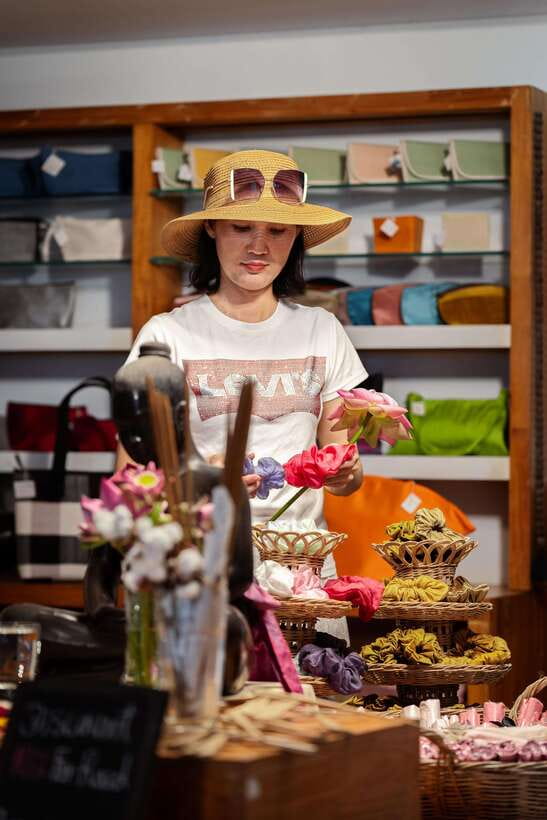
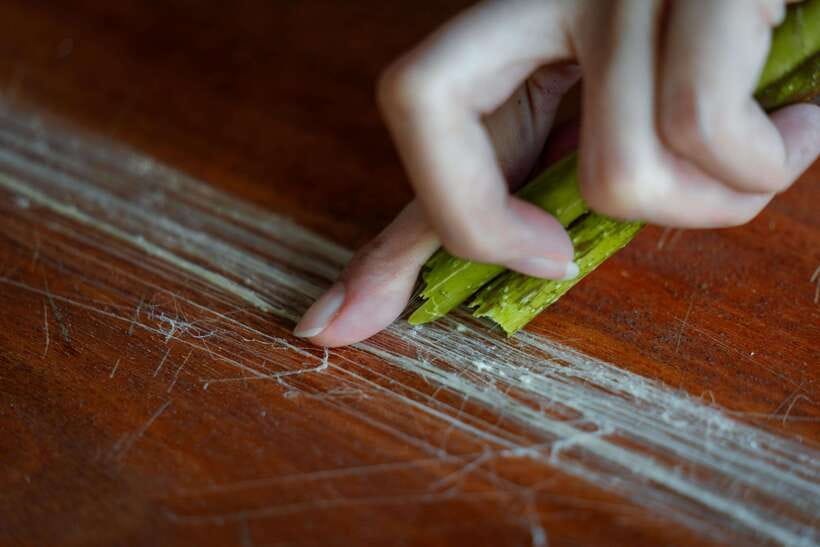
Lotus Silk Farm is where the tour shifts from classic silk to something truly different. You join a 30-minute guided visit focused on lotus fiber extraction. Expect to watch master artisans work with the lotus stems and learn how this fiber becomes textile material.
This part is especially interesting if you like “how it’s made” stories. The process links sustainability to daily craft work, and you can see how the raw plant material becomes the beginning of the cloth.
Lotus tea in the garden: a smart reset
After the guided portion, you get 15 minutes of lotus tea and biscuits. It’s a simple break, but it helps you digest what you just learned, and it gives you a calmer setting to take a breath before you shop.
The Lotus farm also lists free WiFi, which is handy if you want to check messages or map your next stop in town.
Supporting local women through ethical work
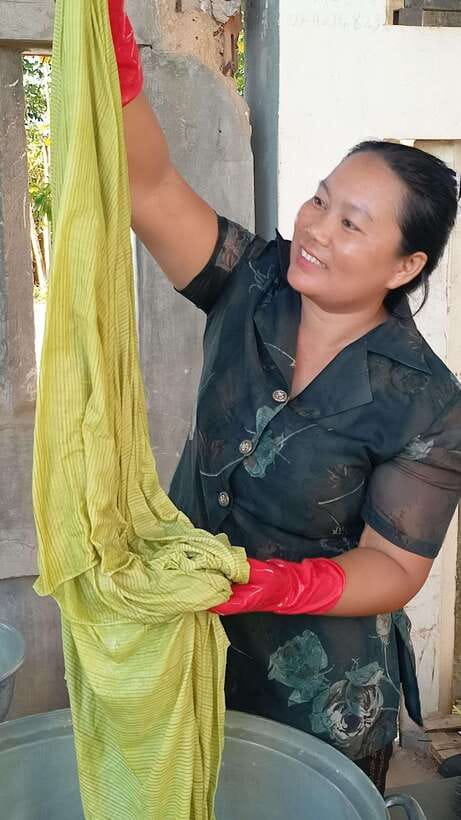
Both farms connect to craftsmanship, but Lotus places extra emphasis on the social enterprise model. The tour highlights that the project empowers local women and supports ethical, community-based employment. That does not mean every product is automatically “cheap,” but it does explain why the value is not only in the fabric. You are paying for labor, training, and a sustainable production approach.
One more expectation to set: the tour experience is built around demonstrations and guided explanations, not guaranteed hands-on crafting. Some extra activities may be offered onsite, but those are not part of the standard included package.
Shopping at both boutiques without turning it into a rush
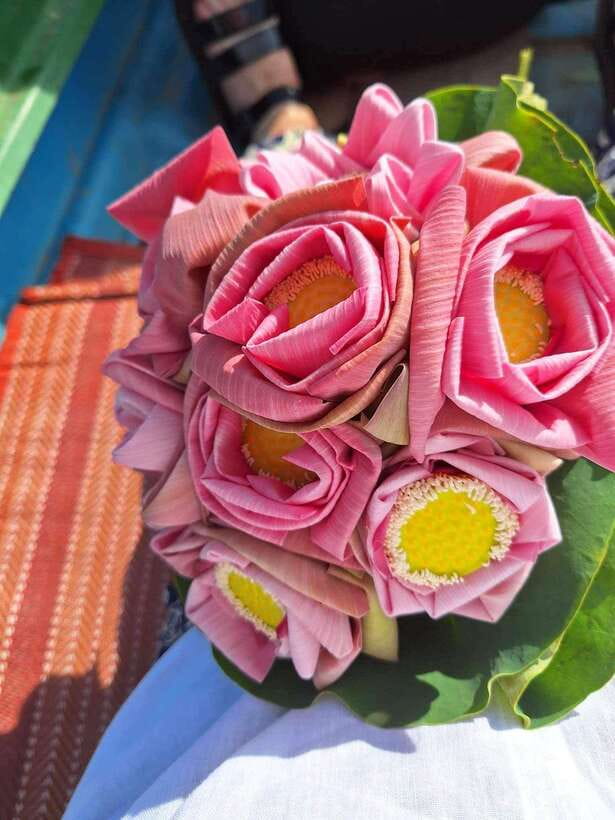
You get access to boutiques at both farms, and that is part of the point. These aren’t just gift shops stuck on the side of a show. The intent is that your purchases help support the artisan communities and the production model at each farm.
Still, keep your decisions practical.
- If you want to buy, bring cash, because purchases are separate from the tour price and USD is accepted.
- If you do not buy, that is fine. You can still leave with photos and a clearer understanding of how each textile system works.
- If you shop, decide whether you want silk (from Angkor) or lotus-based products (from Lotus), then compare within each farm’s selection.
Also, remember the tour does not include personal spending. So treat boutiques like a bonus, not a requirement.
Why this tour can be a smart use of 4 hours
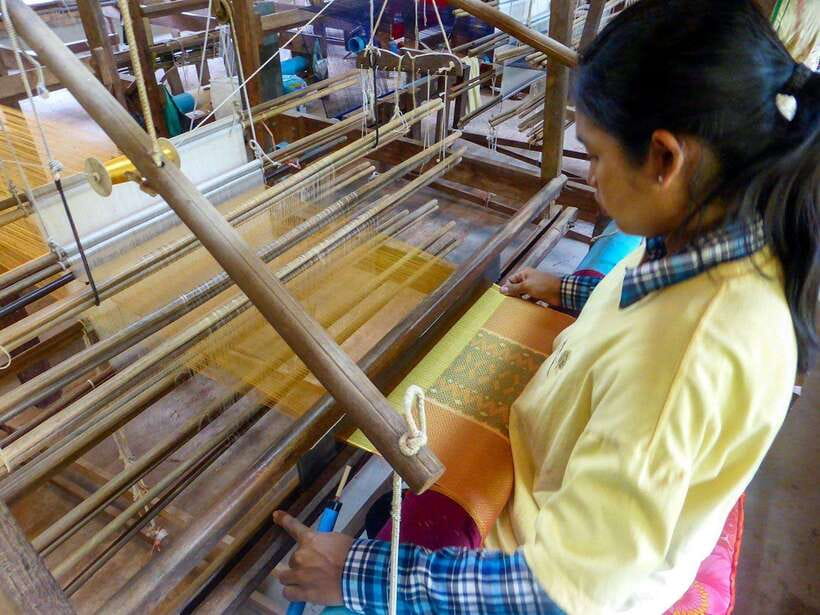
At $25 per person for a 4-hour experience, you are paying for three things: guided time, two separate farm visits, and the transportation connection from central Siem Reap.
In many markets, you can spend more than that to get one guided craft stop. Here, you get a comparison experience: one farm teaches the traditional silkworm-to-thread workflow, and the other explains an alternative approach rooted in lotus fiber. If you care about textiles, that comparison is the real value.
And because the schedule is structured, you do not have to coordinate transport between locations yourself. You start at Biolab Café, then the day moves farm to farm, with set times for guided tours, shopping, and tea. That makes it a good choice when you want something cultural but not logistically stressful.
Best moments for culture nerds and practical souvenir shoppers
I like the fact that this tour rewards both kinds of visitors. If you want craft detail, you get production steps and loom technique. If you want souvenirs, you can buy directly from the businesses you saw working, instead of hoping something is locally made at a random market.
Also, the photos can be genuinely useful. Between silkworm stages, thread extraction demonstrations, lotus fiber work, and loom action, you leave with more than pretty pictures. You leave with a sense of the process you can show later.
Who should do Angkor Silk and Lotus Silk, and who might skip

This is a strong fit if you fall into any of these categories:
- You like craft and production processes, not just end results.
- You want a two-farm comparison that connects traditional practice and sustainable innovation.
- You care about ethical enterprises, especially ones that create employment for local women.
- You are traveling with kids or older relatives who can handle short guided walks and sitting breaks.
It may be less ideal if you want heavy hands-on training. The tour includes demonstrations and guided explanations, but hands-on weaving workshops are listed as not included. If your dream is to weave your own fabric, you will likely need an add-on elsewhere.
Should you book this Siem Reap silk experience?
Book it if you want an efficient, guided look at two different textile worlds without the hassle of planning transport. The $25 price makes sense when you think of it as paying for guided clarity, live demos, and the ethical and sustainable context behind the products.
Skip or adjust expectations if you are only interested in buying. The shopping time is limited, and purchases are not included, so you may feel rushed if you try to do serious shopping during short windows.
If your priority is understanding how Cambodian textiles get made, this one is a solid choice. You walk away knowing the story behind silkworm silk and lotus fiber, and you also understand why the work and the community effort matter.
FAQ
Where is the pickup and meeting point?
You meet at Biolab Café in downtown Siem Reap. Look for a lotus-colored flag marked PICKUP – Lotus Silk Farm, and a grey van will be waiting outside.
What time does the tour run?
Morning departures are listed at 8:30 AM and 10:00 AM. Arrive about 10 minutes before your scheduled departure.
How long does the tour take?
The total duration is 4 hours, including transportation time between farms.
Is hotel pickup included?
No. Transportation is only provided to and from the Biolab Café meeting point. Hotel pickup and drop-off are not included.
What stops are included during the tour?
You visit Angkor Silk Farm and Lotus Silk Farm by Samatoa. Each stop includes a guided visit, plus time for boutique shopping, and Lotus includes complimentary lotus tea and biscuits.
Do I get tea or snacks during the tour?
Yes. At Lotus Silk Farm, you get complimentary lotus tea and biscuits. Meals are not included beyond that.
Is the tour guide available in English or French, and can I take photos?
Yes, the tour guide works in English or French. Photography is allowed at both farms.
Newly listed around Siem Reap
- Sambor Prei Kuk Off Beaten Track★ 5.0 · 3 reviews
- Siem Reap Airport Taxi Transfer – City Center Hotels★ 5.0 · 5 reviews
- Short Cycling at Countryside★ 5.0 · 29 reviews
- Unveiling the Mystical Beauty of Phnom Kulen National Park★ 5.0 · 6 reviews
- Angkor Wat at Sunrise★ 4.0 · 7 reviews
- Bakong Temples & Floating Village Tour★ 4.5 · 3 reviews
- Rooftop Romantic Dinner – 4 Courses Set Meal & Wine★ 3.5 · 5 reviews
- Khmer Cooking Class in Cambodia★ 5.0 · 36 reviews
Farms, compared.

Siem Reap Lotus Silk Farm Discovery tour & Lake experience
Read our review →
Pepper Farm Tour, Salt Field, Cave & Secret Lake
Read our review →
Full-day Countryside Tour with Pepper Farm and Kep
Read our review →
Tuk Tuk Trip to Pepper Farm, Kep, Crab Market & More
Read our review →
Kampot Countryside include Pepper farm, Salt field & Lake
Read our review →
KAMPOT TRAVEL-Pepper farm. Cave.Secret lake-Crab market & Salt…
Read our review →
Browse the lists this tour appears in