
Review · ANGKOR WAT TOURS
Angkor Wat 2-Day Tour
Angkor feels huge, even before sunrise. This private 2-day plan strings together the big hitters and a few underrated temple mood switches, with an English speaking guide and a mobile ticket for easy entry.
What I like most is the smart pacing, you get both the main Angkor highlights and the outer temples without feeling like you are speed running history. I also like the practical comfort touches like cold towels and drinking water during the long hot sessions.
One thing to think about: temple tickets are not included, and the temple dress code is real. Start early, plan for warm weather, and you will have a much smoother time.
In This Review
- Key highlights
- What You Get for $360 in a Private Angkor 2-Day Plan
- 8:00 AM Start in Siem Reap, Then Straight to Angkor Wat
- Angkor Wat: More Than a Big Name on the Map
- South Gate of Angkor Thom: The Entry Scene That Sets the Tone
- Bayon Temple and Those 54 Towers of Smiling Faces
- Baphuon: When the Temple Shape Does Most of the Work
- Terrace of Elephants and Terrace of the Leper King: Royal Viewing Stages
- Chau Say Tevoda, Thommanon, and Takeo: The Outer Temples Worth Your Time
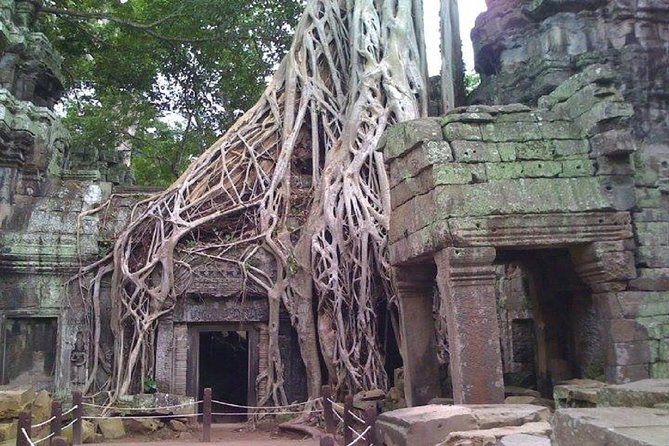
- Day 2 Starts to Change the Mood: Ta Prohm’s Tree Through Stone
- Banteay Kdei: Restored, Still Mysterious
- Srah Srang: Reservoir Views at Sunrise or Sunset
- Sunset at Angkor Wat or Bakheng Mountain: Choose Your Ending
- The Comfort Stuff That Makes Angkor Feel Easier
- English Guides, Helpful Drivers, and Photo-Friendly Thinking
- Tips to Make This 2-Day Temple Circuit Feel Smooth
- Who This Tour Fits Best
- Should You Book This 2-Day Angkor Wat Tour?
- FAQ
- What time does the tour start?
- Where is the meeting point?
- How long is the tour?
- Is the tour private?
- What is included in the price?
- Are temple tickets included?
- What about lunch?
- What should I wear to the temples?
- Is there a mobile ticket?
- Can I cancel for a full refund?
Key highlights
- Mobile ticket convenience for simpler entry days
- Day 1 circuit focus on Angkor Wat plus Angkor Thom’s core temples
- Day 2 temple variety with Ta Prohm, Banteay Kdei, and Srah Srang
- Sunset choice at Angkor Wat or Bakheng Mountain
- Comfort for heat with cold towels and drinking water during breaks
- Private flexibility since only your group participates, with helpful English guidance
What You Get for $360 in a Private Angkor 2-Day Plan
For $360, you are not just buying temple entry. You are buying transport, timed temple wandering with a guide, and the little comfort items that make Angkor feel manageable. The tour includes transportation, cold towels, drinking water, and an English speaking guide, so you are not stuck figuring things out mid-day.
The main extra cost to budget for is temple tickets. Lunch near temples is also not included, so plan to either eat where the stops are convenient or add lunch on your own. If you want to maximize value, think of this as paying for time and guidance, not just sightseeing.
Private is the big deal here. Only your group participates, which means you can move at the pace that fits your energy level, photography style, and how often you want short explanations.
More Angkor Wat tours in Siem Reap:
- Angkor Wat Sunrise or Sunset Tour with Guide from Siem Reap
★ 5.0 · 12,109 reviews - Siem Reap: Angkor Wat: Small-Group Sunrise or Sunset Tour
★ 5.0 · 9,444 reviews - Siem Reap: Angkor Wat 2-Day Tour with Sunrise and Sunset
★ 4.9 · 4,429 reviews
8:00 AM Start in Siem Reap, Then Straight to Angkor Wat
The tour begins at 8:00 am from Siem Reap, and the morning start matters. You’ll drive to Angkor Wat, the largest religious building in the world, and that early timing helps you get your bearings before the day gets loud and hot.
You start with Angkor Wat and then work through a small circuit of nearby temples. That structure is helpful because the sites are close enough that you can keep your mental map straight, without spending the day trapped in traffic.
Dress code matters right away at temple sites, so bring a plan. If your outfit is borderline, fix it before you arrive, because temple rules do not bend for travel convenience.
Angkor Wat: More Than a Big Name on the Map
Angkor Wat is where many people’s Angkor story begins, and it earns that attention. You’ll explore the main complex and then continue to other temples in this tighter circuit approach, so it feels like a connected walk rather than separate random stops.
What makes Angkor Wat special for a two-day tour is how it sets the visual language for the rest of the trip. You start seeing the same stone logic again and again, symmetry, courtyards, and the way the design funnels you toward the next viewpoint.
If you are the type who likes context, this is where your guide can really earn their keep. Expect clear explanations that help you understand what you are looking at, not just where to stand for a photo.
South Gate of Angkor Thom: The Entry Scene That Sets the Tone
After Angkor Wat, the tour shifts to Angkor Thom, starting with the South Gate. This gate is a popular entry into Angkor Thom, and it was built to protect the capital.
The causeway decorations are a highlight. You’ll see two rows of devas and asuras tied to the Hindu myth of Churning of the Sea of Milk, which adds story to what might otherwise feel like just another impressive entrance.
This is also a good spot for a reset moment. Gates and causeways are great for slowing down and noticing the layout, because once you walk deeper into Angkor Thom, the scale can still surprise you.
A different kind of day in Cambodia:
- From Siem Reap: Kampong Phluk Floating Village Tour by Boat
★ 4.9 · 6,979 reviews - Sunset tour of Kampong Phluk stilts home village on the Tonle Sap
★ 5.0 · 4,865 reviews - Siem Reap: Kampong Phluk Floating Village Tour with Boat
★ 4.9 · 3,843 reviews - Siem Reap: Full-Day Angkor Wat Guided Tour with Sunset
★ 4.9 · 3,803 reviews
Bayon Temple and Those 54 Towers of Smiling Faces
Bayon is the heart of Angkor Thom. It sits about 1 km from the South Gate, and it is strongly tied to King Jayavarman VII as the state temple.
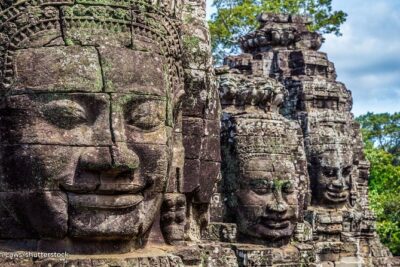
The famous look comes from the 54 towers and the 216 smiling faces of Avalokiteshvara. From a distance, it feels almost otherworldly. Up close, you can start noticing how the stone faces repeat in patterns across angles, so your eyes keep finding new details as you move.
This is one of the stops that most helps a two-day itinerary feel complete. It connects the grand scale of Angkor Wat to the more character-rich, human-feeling scenes you get throughout Angkor Thom.
Baphuon: When the Temple Shape Does Most of the Work
Next up is Baphuon, the second biggest temple of Angkor Thom. It dates to the mid-11th century and was built as a state temple for King Udayadityavarman II for the Hindu god Shiva.
Baphuon is pyramid-shaped with three tiers, and that geometry is a big part of its appeal. Even if you are tired, the structure helps you understand where to look and how to read the complex without needing a map in your hand.
This is also a good moment to slow down on the climb and take in how the tiers frame the rest of the compound. Your photos will look better when you stop rushing your footing.
Terrace of Elephants and Terrace of the Leper King: Royal Viewing Stages
These terraces sit at the front of the Angkor Royal Palace area, and they feel like different eras of public life carved into stone.
The Terrace of Elephants is about 350 m long, built as a large viewing stage for public ceremonies and as a base for the king to watch military training. It’s one of those places where you can almost feel the movement of crowds and pageantry, even though today it is mostly visitors and the sound of your own footsteps.
Next to it is the Terrace of the Leper King, which stands north of the elephants terrace. The carvings inside can make you pause, because the detail is the point here, not just the size.
If your feet are starting to complain, this is still a strong stop. You can pace yourself and get the best value by taking 10 minutes in a shady spot while you study the carvings up close.
Chau Say Tevoda, Thommanon, and Takeo: The Outer Temples Worth Your Time
After the core Angkor Thom cluster, you’ll head to temples outside the capital area. Chau Say Tevoda, Thommanon, and Takeo are described as impressive and not to miss.
This part of the itinerary is valuable because it gives you a change in texture. You’re not only repeating the same courtyard pattern. These sites can feel quieter, more open, and better for moving at a comfortable pace.
It also helps you avoid the common Angkor problem: seeing too many similar-looking buildings in a row. This section spreads the experience out just enough that the next stops still feel fresh.
Day 2 Starts to Change the Mood: Ta Prohm’s Tree Through Stone
Day 2 brings Ta Prohm, the temple that many people associate with the Tomb Raider look. It was used as a Buddhist monastery and a university during the Angkor period, which adds depth to the dramatic visuals.
Ta Prohm is also a top photo stop because a large tree grows through the temple. That alone makes it feel alive, like nature did not just invade, it was invited to coexist with the architecture.
For a better experience, keep your eyes moving. Look up at the branches, then tilt down to the stone corridors, and then step back to see how the tree changes the way you frame the whole scene.
If you like photos, you might enjoy how some guides help with positioning and storytelling so your pictures actually show the temple rather than just a random angle.
Banteay Kdei: Restored, Still Mysterious
Banteay Kdei is a strong next stop. It has been recently restored, but it is still open to tourists, and it carries a quieter feel.
What makes it compelling is the surrounding forest. That wooded setting adds a calm, slightly eerie mood that is a nice contrast to the brighter, more iconic spots.
Restoration means some surfaces may look cleaner than you expect. That is not a bad thing, it just changes how you perceive the carvings. Use it as an opportunity to notice craftsmanship without worrying that everything is too worn to read.
Srah Srang: Reservoir Views at Sunrise or Sunset
Srah Srang is a baray, a reservoir linked to the Banteay Kdei area. It’s known for stunning views, especially during sunrise and sunset.
This is a smart inclusion for a two-day tour because it gives you a break from temples. Even if you spend only a short time here, the water and open sky help reset your eyes and your energy.
If sunrise is your thing, you can take advantage of the early light concept here. If you prefer later timing, sunset views can be just as satisfying.
Sunset at Angkor Wat or Bakheng Mountain: Choose Your Ending
At the end of the trip, you will aim for sunset at one of two major options: Angkor Wat or Bakheng Mountain.
Angkor Wat is the biggest religious monument, so the experience can feel like a grand finale. Bakheng Mountain, on the other hand, is about height and viewpoints, with the most impressive angle coming from being on top.
This is where your guide’s timing helps. Sunset requires focus, not wandering. It’s worth choosing the option that matches your mood: do you want iconic monument scale, or do you want a viewpoint climb and a more panoramic feel?
The Comfort Stuff That Makes Angkor Feel Easier
Angkor is not hard because the temples are complicated. It is hard because the day is long and the heat can wear you down. That is why the included details matter.
You get cold towels and drinking water, and those are not tiny perks. They are the difference between a day that drags and a day that still feels fun near the end of the afternoon.
Also, transportation is included. That means you are not coordinating rides while your head is full of temple names and your phone battery is dying.
From what you can learn from how guides work on this tour, English communication is a priority, and guides can add context that helps you connect the dots. I’ve seen how that shifts the experience from impressive to meaningful.
English Guides, Helpful Drivers, and Photo-Friendly Thinking
The tour uses an English speaking guide, and the quality of that role shows up in small ways: pace, explanations, and how well you understand what you are seeing while walking.
Names you may recognize from experience on this route include Mr Ly, Seng, Lucky, and Vutha. You might also be assigned other friendly team members depending on availability. The common thread is responsiveness and friendliness, plus a professional attitude with punctual driving.
Some guides and drivers are also flexible. For example, one tour included a boat ride at Tonle Sap Lake and a fishing village stop, which is not guaranteed for every schedule but is a good reminder to ask about extra time if you want variety beyond temples.
If you care about photos, Lucky-style support can be especially useful. Not everyone needs it, but it can help you get better framing and understand where to stand.
Tips to Make This 2-Day Temple Circuit Feel Smooth
Here are the practical things that will help you enjoy the full two days instead of just surviving them.
Plan for temple tickets. They are not included, so set aside budget and time for that part of the day.
Follow the dress code. Temple rules are enforced, and you do not want to waste time scrambling for solutions on site.
Bring a simple day kit. Sunscreen, a hat, and comfortable shoes help more than you think for long walking sessions.
Stay hydrated even when you do not feel thirsty. The included drinking water and cold towels help, but your body still needs steady support.
Choose your sunset option based on your energy. Angkor Wat is monument scale, Bakheng is viewpoint style, and both can be worth it.
Also, this is a private tour, so you can adjust your pace. If you want extra time at Bayon faces, tell your guide. If you prefer shorter breaks, say so early.
Who This Tour Fits Best
This works well if you want the Angkor highlights in a tight two-day schedule without the stress of sorting transport and explanations.
It is especially good for:
- First-time Angkor visitors who want a logical route and clear guidance
- People who like photo stops but still want context
- Anyone who values comfort items during long temple days
If you are the kind of traveler who loves to wander alone and build your own route, you could DIY Angkor. But with only two days, a planned circuit and an English guide can save you from decision fatigue.
Should You Book This 2-Day Angkor Wat Tour?
If you have two days and you want an organized, private way to see both Angkor Wat and Angkor Thom, I think this is a strong choice. The value comes from the full package: transportation, cold towels, drinking water, and an English speaking guide, plus a sunset plan at Angkor Wat or Bakheng Mountain.
I would only hesitate if you strongly prefer fully self-guided travel, or if you want lunch included in the price, since lunch near temples is not part of the package. Also, if you hate early mornings, the 8:00 am start might feel like a wake-up call.
My advice: book it if you want to spend your time looking at stone instead of negotiating logistics. Ask your guide about timing for sunrise-style views at Srah Srang and the sunset option you prefer, and then just enjoy the ride.
FAQ
What time does the tour start?
The tour starts at 8:00 am, with meeting in Siem Reap, Siem Reap Province.
Where is the meeting point?
Your meeting point is in Siem Reap (Siem Reap, Siem Reap Province).
How long is the tour?
The duration is approximately 2 days.
Is the tour private?
Yes. Only your group will participate.
What is included in the price?
Included features are transportation, cold towels, drinking water, and an English speaking guide.
Are temple tickets included?
No. Temple tickets are not included.
What about lunch?
Lunch near temples is not included.
What should I wear to the temples?
Guests need to follow the dress code rules when visiting the temples.
Is there a mobile ticket?
Yes, the tour uses a mobile ticket.
Can I cancel for a full refund?
You can cancel for a full refund if you cancel at least 24 hours in advance of the experience start time. If you cancel less than 24 hours before, it is not refunded.
Newly listed around Siem Reap
- Sambor Prei Kuk Off Beaten Track★ 5.0 · 3 reviews
- Siem Reap Airport Taxi Transfer – City Center Hotels★ 5.0 · 5 reviews
- Short Cycling at Countryside★ 5.0 · 29 reviews
- Unveiling the Mystical Beauty of Phnom Kulen National Park★ 5.0 · 6 reviews
- Angkor Wat at Sunrise★ 4.0 · 7 reviews
- Rooftop Romantic Dinner – 4 Courses Set Meal & Wine★ 3.5 · 5 reviews
- Khmer Cooking Class in Cambodia★ 5.0 · 36 reviews
- Bakong Temples & Floating Village Tour★ 4.5 · 3 reviews
Angkor Wat Tours, compared.
Angkor Wat Sunrise or Sunset Tour with Guide from Siem Reap
Read our review →
Angkor Wat: Small-Group Sunrise or Sunset Tour
Read our review →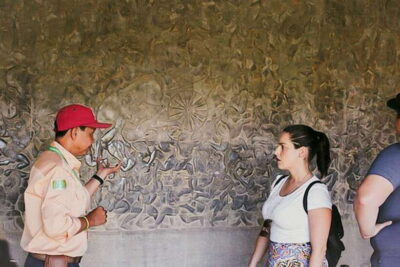
Angkor Wat 2-Day Tour with Sunrise and Sunset
Read our review →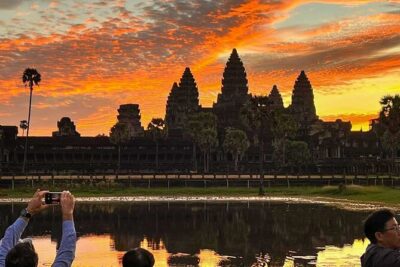
Angkor Wat Sunrise tour with Small – Group and Guide tours
Read our review →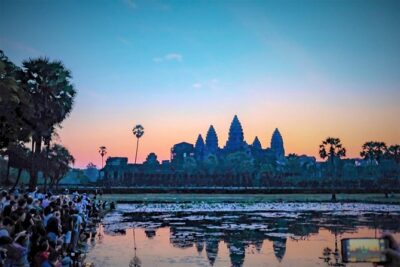
Angkor Wat Highlights and Sunrise Guided Tour from Siem Reap
Read our review →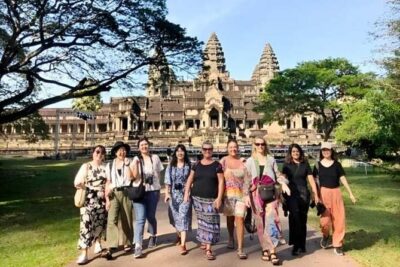
Angkor Wat Sunset Small Group Tour with Lunch Included
Read our review →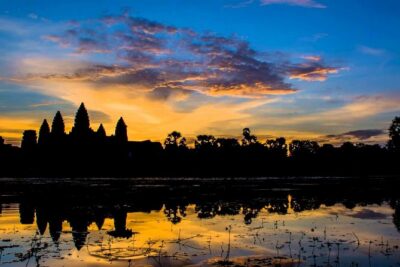
Full-Day Angkor Wat Sunrise Private Tour with Guide from Siem Reap
Read our review →Browse the lists this tour appears in