
Review · ANGKOR WAT TOURS
Angkor Wat Private Tour by Tuk-Tuk with English Speaking Driver
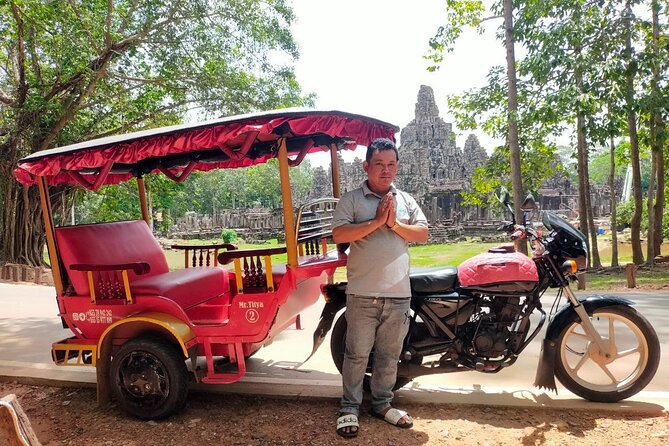
Sunrise tuk-tuks beat the big tour bus. This private Angkor Wat experience in Siem Reap is built around hotel pickup and temple-to-temple touring by traditional tuk-tuk, so you get fresh air and zero waiting for the slowest person. I like that the driver stays with you at each site for an easy, smooth day, and I also like that you can choose timing options like sunrise or sunset depending on what you care about most. The main thing to plan for is that entrance tickets are not included, so you’ll still need to buy the Angkor Pass before you start.
Because it’s private, your day can run at your pace. A few stops take longer than you expect, like Bayon and Ta Prohm, and having a driver who doesn’t rush you helps. One practical consideration: if you add the optional English-speaking licensed guide, the focus shifts more toward history and meaning, while the base service is driver-focused, not commentary-focused.
In This Review
- Key things I’d pay attention to before you book
- Private tuk-tuk in Siem Reap: why this tour model works
- Price and value: what you’re getting for $13.50
- Picking the right option: sunrise, classic day, sunset, or Banteay Srei
- Your practical route through Angkor: what each stop feels like
- Angkor Wat: the anchor, and the reason you came
- Angkor Thom South Gate: big entry energy
- Bayon Temple: faces everywhere (and the time is worth it)
- Baphuon Temple: strong structure, shorter visit
- Ta Nei Temple: small scale, good for a quieter moment
- Ta Prohm: the temple that feels alive
- Banteay Kdei: big walls, big monastery feel
- Prasat Kravan: smaller Hindu temple, quick but interesting
- What makes the day feel smooth: driver skills and real flexibility
- Timing, tickets, and lunch: the stuff that can make or break the day
- Who this tuk-tuk Angkor Wat tour suits best
- Should you book this Angkor Wat private tour by tuk-tuk?
Key things I’d pay attention to before you book
- Hotel pickup and drop-off by private tuk-tuk means less logistics stress
- English-speaking driver helps you navigate the Angkor Park route smoothly
- Driver waits at temples so you can explore without sprinting back on a schedule
- You can customize the style with sunrise, sunset, or adding Banteay Srei
- Angkor Pass is essential for budget planning since entry fees are separate
- Lunch is on your own with casual local spots near the park
Private tuk-tuk in Siem Reap: why this tour model works
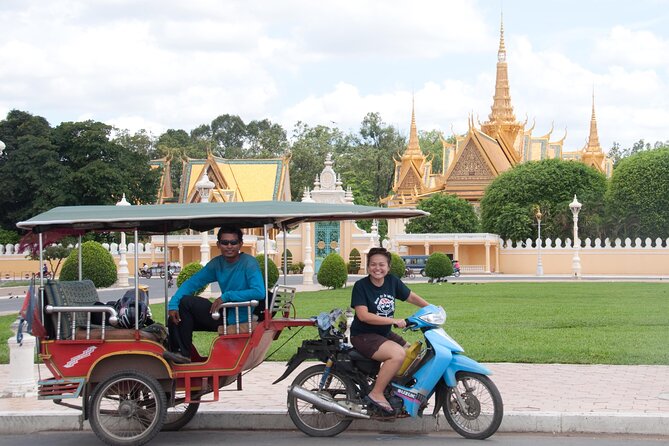
I’m a big fan of tours that respect your time and attention. Here, the format is simple: you get picked up from your hotel in Siem Reap, then you’re transported around the Angkor Archaeological Park by tuk-tuk, with your driver keeping things moving between stops.
That “moving” part matters at Angkor. The sites are spread out, the heat can be real, and crowds can be unpredictable. A tuk-tuk gives you that quick, flexible travel rhythm, plus you’re not locked into the kind of tight group pacing that makes temple photos feel like homework.
Also, you’re not just buying a ride. The driver is set up to wait at every temple stop. In practice, that means you can take a slower walk through courtyards, linger at viewpoints, and step out for shade when you need it.
More Tuk-Tuk Tours in Siem Reap
- Siem Reap: Angkor Wat Private Tuk-Tuk Tour
★ 4.9 · 2,222 reviews - Siem Reap Countryside Bike Tour / E-Bike or Tuk Tuk
★ 5.0 · 935 reviews - Angkor Sunrise Bike Tour / E-Bike or Tuk Tuk
★ 5.0 · 615 reviews
Price and value: what you’re getting for $13.50
Let’s talk value in real terms. The listed price is $13.50 per person, and what you get for that money is the hard part most budget options cut corners on: private roundtrip tuk-tuk service with an English-speaking driver, plus pickup and drop-off at your hotel.
What’s not included is equally important. You’ll pay for sightseeing tickets separately. The Angkor Pass is described as covering all temples in the itinerary, and your driver helps you purchase it at the entrance before starting the tour. That’s good, because it prevents the usual first-morning confusion of figuring out which ticket counter, which line, and which pass you actually need.
Then there’s lunch. Meals during the tour are at your own expense, with local restaurant options (vegetarian and non-vegetarian) typically listed in the $3 to $10 per dish range. So the total day cost depends on your choices, but the major ticket planning is handled cleanly.
Bottom line: at this price point, you’re paying for convenient private transport and English support. If you want deeper temple storytelling, look at the option that adds a professional English-speaking guide.
Picking the right option: sunrise, classic day, sunset, or Banteay Srei
This experience is flexible in how you can structure your day. You can choose based on your priorities:
- Angkor Wat Sunrise by Tuk-Tuk: built around catching the famous sunrise, then continuing through a small-circle circuit of Angkor temples. Early mornings are tiring, but the payoff is that iconic light and fewer crowds than later hours.
- Angkor Wat Tour by Tuk-Tuk: the classic, full-day Angkor Park route.
- Angkor Temples & Banteay Srei: adds the pink sandstone look of Banteay Srei, which changes the visual feel of the day compared to the larger stone complexes.
- Sunset at Angkor Wat Tour by Tuk-Tuk: shifts your timing to the afternoon and evening glow.
- Include English Tour Guide (optional): if you select this, you get a professional English-speaking licensed guide for more context as you go.
If you’re traveling with older family members or you simply hate rushing, sunrise or sunset can still work well because the schedule is purposeful. If you don’t care about golden-hour photo moments and you want variety and walking, a classic full-day option is usually the best match.
Your practical route through Angkor: what each stop feels like
The day is structured as a series of temple stops, and the time at each one gives you a sense of what to expect. Here’s how I’d think about the route and what’s worth your attention.
More Angkor Wat tours in Siem Reap:
- Angkor Wat Sunrise or Sunset Tour with Guide from Siem Reap
★ 5.0 · 12,109 reviews - Siem Reap: Angkor Wat: Small-Group Sunrise or Sunset Tour
★ 5.0 · 9,444 reviews - Siem Reap: Angkor Wat 2-Day Tour with Sunrise and Sunset
★ 4.9 · 4,429 reviews - Siem Reap: Full-Day Angkor Wat Guided Tour with Sunset
★ 4.9 · 3,803 reviews
Angkor Wat: the anchor, and the reason you came
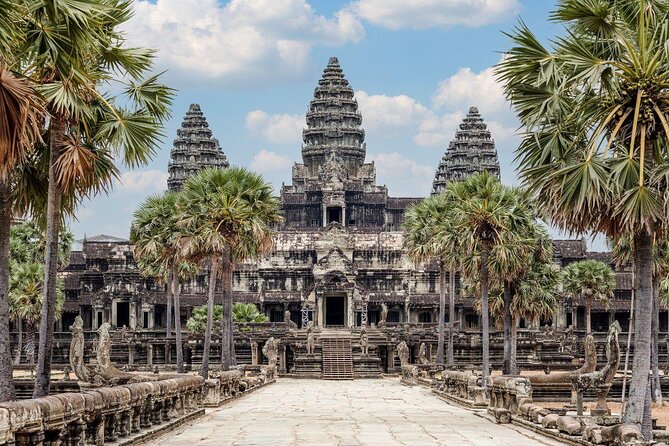
You start at Angkor Wat, and you’ll have about 3 hours here. This is the grand centerpiece, the one people recognize from posters and postcards, but it’s more than an impressive silhouette. You’re looking at a monumental layout that reflects the organization of the Khmer Empire, with successive capitals and sacred architecture tied to power and belief.
Plan for a mix of wide open views and detailed carvings. If the light is good, you’ll see the stone tones shift as you move. If you’re sensitive to heat, Angkor Wat is a good place to slow down, pause in shaded areas, and take breaks before you move on.
Angkor Thom South Gate: big entry energy
Next is the Angkor Thom South Gate for about 30 minutes. This gate is part of Angkor Thom, or the Great City, and it acts like a transition from outside the main story to inside it.
Even with a shorter stop, this is a strong photo and orientation moment. If you arrive with an open mind, you’ll start seeing the larger plan of the complex: gates, roads, and the sense that you’re stepping into a former capital.
Bayon Temple: faces everywhere (and the time is worth it)
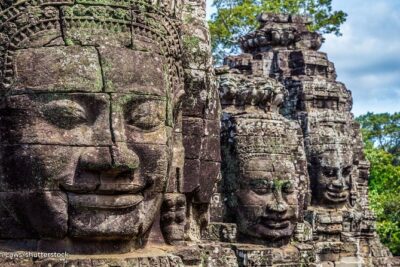
Then comes Bayon Temple for about 1 hour. Bayon’s defining look is those countless serene, smiling stone faces carved into towers, likely modeled on King Jayavarman VII. The effect isn’t just visual. It also makes you slow down, because you keep catching a new angle as you move around the structure.
One practical tip: don’t try to “see it all” in one quick walk. Give yourself time to circle and check different viewing points. That’s where the place changes from a landmark to something more personal.
Baphuon Temple: strong structure, shorter visit
Baphuon Temple is on the list for about 30 minutes. This stop gives you a feel for the era and influences behind Bayon and Angkor Thom, including references to Udayadityavarman II and the central role of Bayon in Jayavarman VII’s city planning.
This one is ideal if you want variety without burning your whole day on one site. It also pairs well with Bayon, because you’ll already be in the right “headspace” for Khmer temple architecture.
Ta Nei Temple: small scale, good for a quieter moment
Ta Nei Temple is a smaller stop, about 30 minutes, and it’s described as rarely visited. That matters because sometimes Angkor can feel like you’re constantly sharing space with crowds. A quieter temple gives your photos more breathing room and helps you hear the sound of the park instead of constant chatter.
If you like off-the-beaten-track moments inside major destinations, this is the stop that usually wins people over.
Ta Prohm: the temple that feels alive
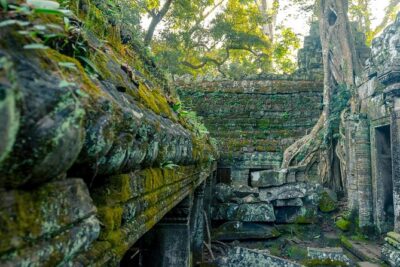
Ta Prohm is next, around 1 hour. Built in the late 12th century and originally known as Rajavihara, it’s associated with Jayavarman VII and dedicated to the mother of the king. It’s also famous for the way the temple atmosphere can feel untamed, especially with large tree roots integrated into the scene.
This is the kind of stop where the extra time helps. You’ll want to move slowly, because the view changes dramatically from one doorway to the next.
Banteay Kdei: big walls, big monastery feel
Then you’ll head to Banteay Kdei for about 30 minutes. This is a massive Buddhist monastery with four concentric walls, plus entrances decorated with garudas. Even in a shorter time window, it gives you a different temple rhythm than the more instantly recognizable faces and iconic structures.
If you’re the type who likes “read the shape of the place” sightseeing, Banteay Kdei is a good one to include.
Prasat Kravan: smaller Hindu temple, quick but interesting
Finally, Prasat Kravan takes about 30 minutes. It’s a 10th-century Hindu temple dedicated to Vishnu. It’s described as relatively small compared to other sites, which can actually be a plus if you’re tired from long days of big monuments.
This is a nice closing stop because it adds variety to the religious and architectural mix you’re seeing across the circuit.
What makes the day feel smooth: driver skills and real flexibility
The tour works best when the driving and waiting are handled well. That’s where the English-speaking driver makes a real difference. You avoid the annoying back-and-forth of where to stand, what gate to use, and when to leave.
In the best versions of this tour, the driver does more than drive. I saw notes about guides and drivers providing practical help like water and especially chilled towels after temple visits. I love details like that because the park can drain you fast, and small comfort upgrades make you enjoy the next stop more.
The other high point is flexibility. Some people mention being able to set the pace, doing stops for longer or shorter based on what they felt like that day. That kind of flexibility is great if it’s raining, hot, or you just want extra time at Bayon and less time somewhere else.
A small caution: one review-style lesson here is to know the difference between driver service and guided interpretation. If you want the story, add the official English-speaking licensed guide option. If you only need transport support, the driver-only approach can still be totally fine.
Timing, tickets, and lunch: the stuff that can make or break the day
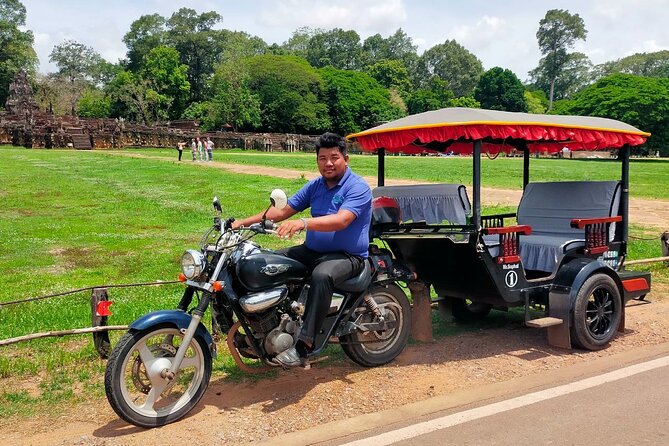
Angkor works on ticket timing and sensible planning. The Angkor Pass covers the temples in the itinerary, and your tuk-tuk driver helps you buy it at the entrance of Angkor Park before you start.
So your day looks like this: pickup, tuk-tuk route, ticket purchase setup at entry, then temple hopping. That reduces friction. Still, you should plan to budget time for that initial entry step, especially if lines are moving slowly.
Lunch is not included, and you eat at local restaurants near the temples. That means you can choose what fits your stomach and your interests, and you can keep it simple. Expect casual menu options with both vegetarian and non-vegetarian meals listed roughly in the $3 to $10 per dish range.
If you hate making choices while traveling, eat early or pick a spot that looks busy and clean. Angkor days are long. Fuel helps.
Who this tuk-tuk Angkor Wat tour suits best
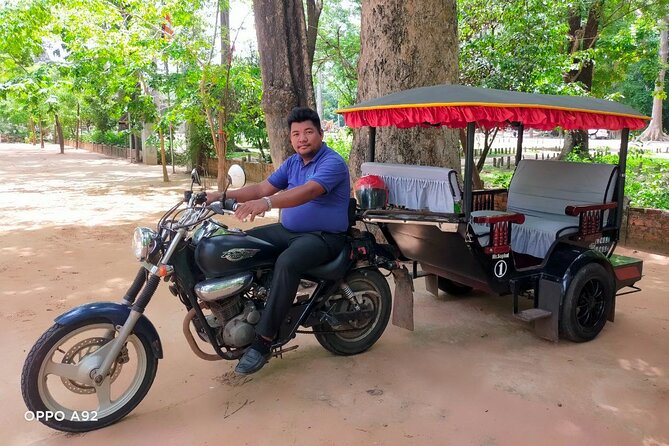
This is a strong match if you want:
- Private, flexible transportation instead of a rigid group schedule
- An English-speaking driver to reduce navigation stress
- A route that includes both iconic highlights and a few quieter stops like Ta Nei
- Options to tailor the day with sunrise, sunset, or Banteay Srei
It’s also a good fit for travelers who have already read some basics and just want an efficient, well-paced circuit. If you’re newer to Khmer temple history and you want meaning on the spot, pay attention to the option that includes a licensed English-speaking guide.
If your priority is pure cost-savings and you’re comfortable with complex public transport or non-English guidance, this might feel pricier than the lowest-cost options. But you’re paying for convenience and comfort.
Should you book this Angkor Wat private tour by tuk-tuk?
I’d book it if you want a straightforward way to see a lot of Angkor without turning your day into logistics. For a modest per-person rate, you get private roundtrip tuk-tuk from Siem Reap, pickup and drop-off, and English support, plus a route that includes both the heavy hitters and a quieter temple stop.
I wouldn’t book it as-is if you expect guided temple narration included by default. The driver is there to transport and assist, and the optional licensed English-speaking guide is what shifts the experience into deeper history mode.
One more smart move: decide your timing first. If sunrise or sunset is your priority, choose the option built around that light. If you just want the classic Angkor circuit and a calm, flexible pace, the standard day tour format is likely the better fit.
If you’re planning your Angkor day in Siem Reap, this is one of those services that makes the temples the main event, not the stress leading up to them.
Newly listed around Siem Reap
- Siem Reap Airport Taxi Transfer – City Center Hotels★ 5.0 · 5 reviews
- Sambor Prei Kuk Off Beaten Track★ 5.0 · 3 reviews
- Short Cycling at Countryside★ 5.0 · 29 reviews
- Unveiling the Mystical Beauty of Phnom Kulen National Park★ 5.0 · 6 reviews
- Angkor Wat at Sunrise★ 4.0 · 7 reviews
- Bakong Temples & Floating Village Tour★ 4.5 · 3 reviews
- Rooftop Romantic Dinner – 4 Courses Set Meal & Wine★ 3.5 · 5 reviews
- Khmer Cooking Class in Cambodia★ 5.0 · 36 reviews
Angkor Wat Tours, compared.
Angkor Wat Sunrise or Sunset Tour with Guide from Siem Reap
Read our review →
Angkor Wat: Small-Group Sunrise or Sunset Tour
Read our review →
Angkor Wat 2-Day Tour with Sunrise and Sunset
Read our review →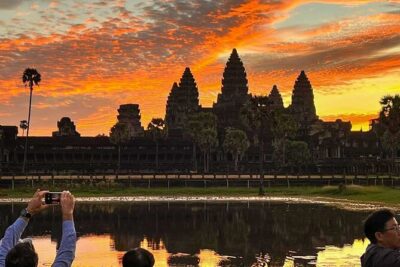
Angkor Wat Sunrise tour with Small – Group and Guide tours
Read our review →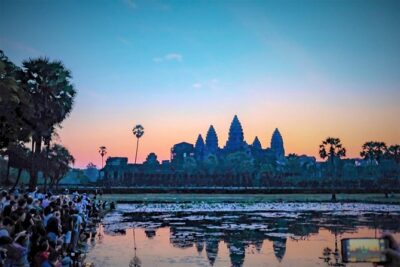
Angkor Wat Highlights and Sunrise Guided Tour from Siem Reap
Read our review →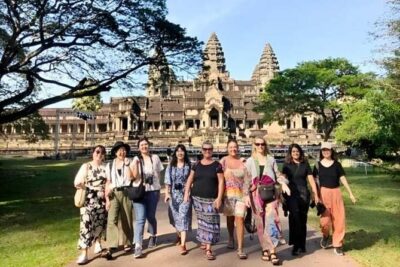
Angkor Wat Sunset Small Group Tour with Lunch Included
Read our review →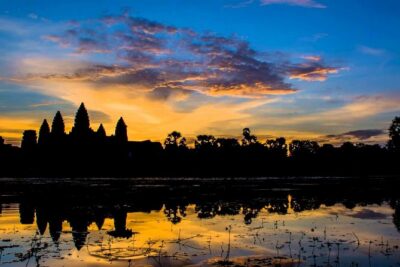
Full-Day Angkor Wat Sunrise Private Tour with Guide from Siem Reap
Read our review →Browse the lists this tour appears in