
Review · ANGKOR WAT TOURS
Angkor Wat: Sunrise 2.5 Days Temples & Tonle Sap-Small Group
Sunrise at Angkor Wat is a moving target. This sunrise-centered, torchlight-led small-group tour gets you into Angkor while it is still dark, then helps you spot the details before the place fills up.
I love two things most: the way your licensed English guide explains what you are seeing, with standout guides named in recent tours like Pi, Sam, Pireak, and Pal Saruon, and the steady care from the driver, including chilled water and cold towels at temple stops.
One drawback to plan for is cost, the Angkor temple entrance pass is not included (3-day pass is listed at $62 per person), and breakfast is also not included, so your final budget will be higher than the headline price.
In This Review
- Key highlights before you go
- Why Angkor Wat sunrise works best with a small-group plan
- A practical note on sunrise expectations
- Day 1, the temple loop outside Angkor Thom that feels more personal
- What Day 1 does well
- Possible Day 1 drawback
- Day 2, torchlit Angkor Wat to Bayon, then Ta Prohm when the day softens
- The torchlight entry and the rarely visited eastern side
- Angkor Thom highlights: southern gate and Bayon faces
- Ta Prohm after lunch, a smarter timing choice
- Day 2 takeaway
- Day 3 on Tonle Sap, plus the Phare Circus backup during dry season
- Tonle Sap vs Cambodia Phare Circus
- A small planning heads-up
- Guides and drivers, the real reason the trip feels smooth
- Price and what you really get for $69
- What to pack and wear for an Angkor-heavy schedule
- Who this 2.5-day tour is best for
- Should you book this Angkor Wat sunrise and Tonle Sap tour?
- FAQ
- How long is the Angkor Wat sunrise and Tonle Sap small-group tour?
- Where does the tour take place?
- What is included in the price?
- Are the Angkor temple entrance fees included?
- Is breakfast included?
- When is Tonle Sap replaced by Cambodia Phare Circus?
- What time do you leave for the Angkor Wat sunrise?
- What should I bring for the tour?
- Are there any clothing rules?
- Is this tour suitable for people with mobility impairments?
Key highlights before you go
- Pre-dawn Angkor Wat eastern side viewing, with torchlight and focus on bas-relief stories
- Major temples outside Angkor Thom in a logical loop: Pre Rup, Banteay Srei, Neak Pean, Preah Khan
- Angkor Thom essentials plus Bayon’s faces, and the southern gate with gods and demons
- Ta Prohm in the jungle after lunch and rest, when you can take your time in the shade
- Tonle Sap by boat to Kampong Phluk, or the Phare Circus substitute in the dry season
Why Angkor Wat sunrise works best with a small-group plan
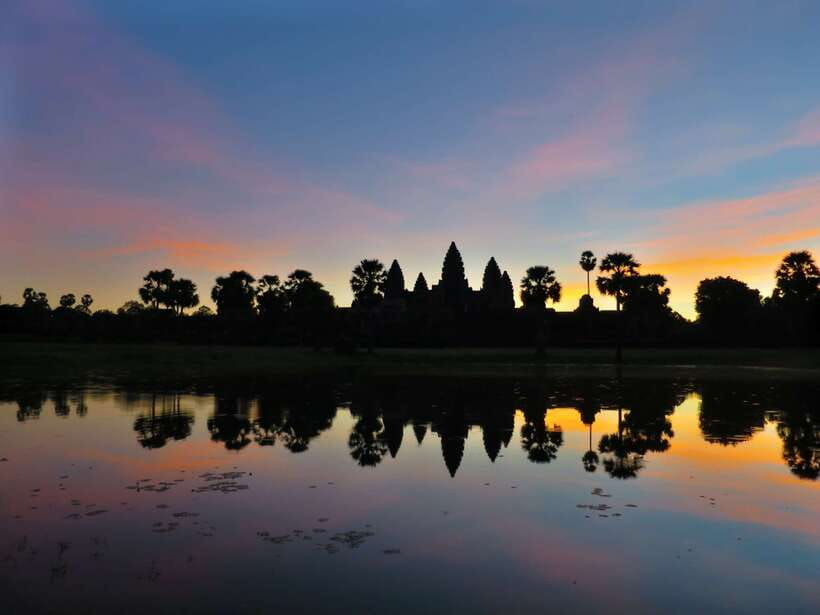
If you only remember one thing from this part of Cambodia, make it the timing. This tour starts with a pre-dawn hotel departure, so you arrive while the temple is still quiet and the morning light is not yet doing all the work. That matters because Angkor is huge, and your best photos and best understanding happen when you can actually walk, stop, and look.
The key trick here is how the sunrise is handled. Instead of rushing straight to a viewpoint, you enter Angkor Wat in darkness and move through the corridors with torchlight. In other words, you get your bearings first, then the carvings and layout make sense as the light slowly changes. You are walking the rarely visited eastern side, plus cloistered corridors known for some of the longest stretches of bas-relief carving in the world. With a good guide, those carvings stop being wall decoration and start reading like a storybook.
Because the group is limited to 15 people, you are not lost in a sea of bodies. You still need patience, but you move with a rhythm that feels human, especially in the early hours when everyone is focused on the same moment. Guides on these tours have been praised for translating the Khmer Empire era into plain language you can actually remember, which is exactly what you want at sunrise.
More Angkor Wat tours in Siem Reap:
- Angkor Wat Sunrise or Sunset Tour with Guide from Siem Reap
★ 5.0 · 12,109 reviews - Siem Reap: Angkor Wat: Small-Group Sunrise or Sunset Tour
★ 5.0 · 9,444 reviews - Siem Reap: Angkor Wat 2-Day Tour with Sunrise and Sunset
★ 4.9 · 4,429 reviews
A practical note on sunrise expectations
Sunrise at Angkor is not a slow, cozy breakfast scene. It is a fast shift from dark to bright, and the ground is uneven. You will want comfortable shoes you can trust. Also, bring clothing that fits the tour rules, short skirts are not allowed.
Day 1, the temple loop outside Angkor Thom that feels more personal
Day 1 is designed like a warm-up with variety. You go to temples outside Angkor Thom city first, then work your way through a set of sites that show different sides of Khmer architecture.
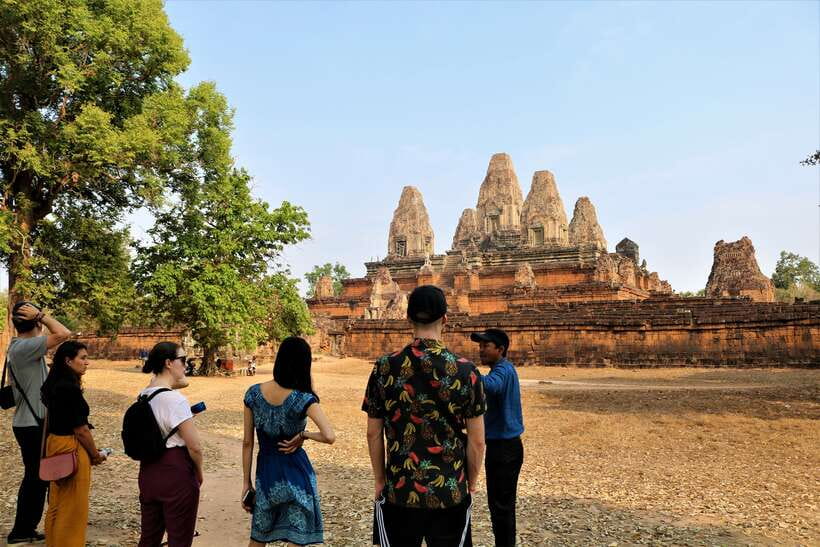
Your first stop is Pre Rup, a Hindu temple that works like a state temple, built in the style of a mountain temple using brick, laterite, and sandstone. It is the kind of place where the structure helps you understand the Khmer approach to sacred geography: the temple is meant to feel like a staged ascent.
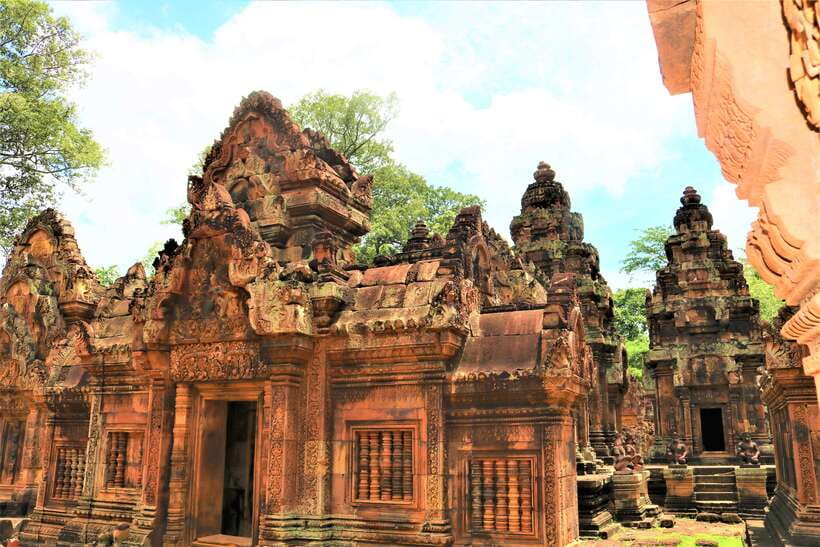
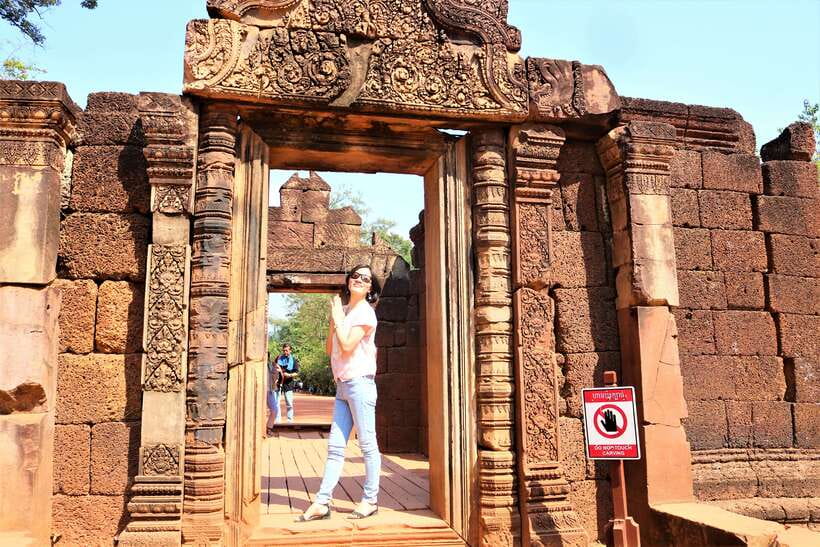
Next comes Banteay Srei, and this stop often steals the show because it is smaller but extremely detailed. You get intricate carvings on a sandstone structure, and the scale makes it feel more intimate than the big giants in Angkor Wat. There is also an important historical angle. Banteay Srei has been accessible since the late 1990s after the Khmer Rouge left the area, so it has a different feel than temples that have been open for decades.
On the return journey, you visit Neak Pean, an artificial island with a Buddhist temple on a circular island. It is a clever change of pace from the Hindu sites earlier in the day. Even if you do not remember technical religious labels later, you will remember the setting: a small, crafted island feeling surrounded by water.
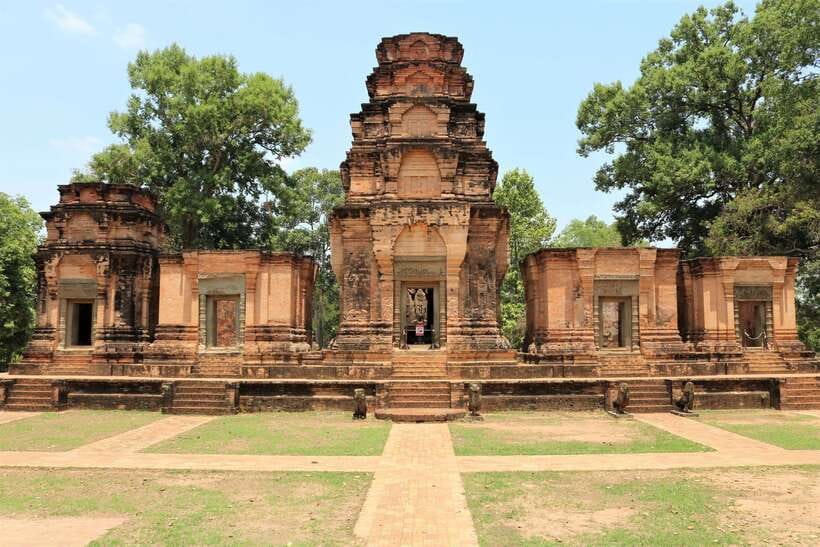
You finish Day 1 at Preah Khan, described as ruined but highly atmospheric. This is one of those places where tree roots and crumbling stone create the drama for you, so you can focus on what it means rather than the perfect reconstruction. The atmosphere also helps you absorb the bigger story of how Angkor has lived through cycles of abandonment and return.
What Day 1 does well
- It avoids stacking only the most famous Angkor sites back-to-back.
- It gives you variety in religious styles and building shapes.
- It starts building context before you hit the big hitters next day.
More floating village trips in Siem Reap:
- From Siem Reap: Kampong Phluk Floating Village Tour by Boat
★ 4.9 · 6,979 reviews - Sunset tour of Kampong Phluk stilts home village on the Tonle Sap
★ 5.0 · 4,865 reviews - Siem Reap: Kampong Phluk Floating Village Tour with Boat
★ 4.9 · 3,843 reviews - Siem Reap Floating Village Kampong Phluk Sunset with Boat
★ 5.0 · 1,962 reviews
Possible Day 1 drawback
You will be doing a lot of walking and moving. Since breakfast is not included, plan to eat early the first morning before pickup, because you will likely be in temple mode for hours.
Day 2, torchlit Angkor Wat to Bayon, then Ta Prohm when the day softens
Day 2 is the center of gravity for the whole trip. You start again with a pre-dawn departure to catch the sunrise outside Angkor Wat.
The torchlight entry and the rarely visited eastern side
This is one of those experiences where the choreography matters. You enter in darkness, and the guide helps you interpret what you see by explaining the stories behind the bas-reliefs while you are still oriented. Then you move along cloistered corridors, including a very long stretch of carvings. If you have ever walked through a temple without understanding what the scenes meant, this is the fix. You are not just looking, you are learning how to read.
After the sunrise-focused portion, the morning ends at Angkor with breakfast outside the temple and a short rest. That break is not a random add-on. It is what makes the next part survivable, since Bayon and Ta Prohm are best experienced slowly, not with your stomach and energy crashing at the same time.
Angkor Thom highlights: southern gate and Bayon faces
Next you visit the southern Gate of Angkor Thom. The gate is flanked by 54 stone figures of gods and demons. That detail matters because it sets up the Bayon you will see right after. You are not walking into a mystery wall of faces. You are walking into a themed entry point.
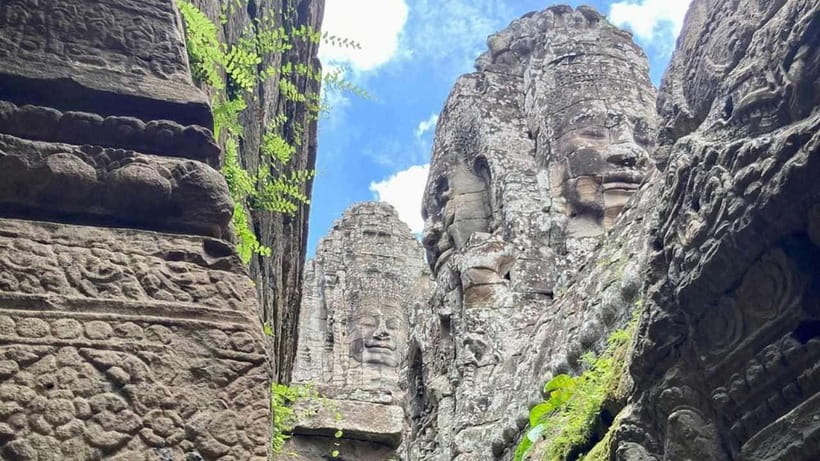
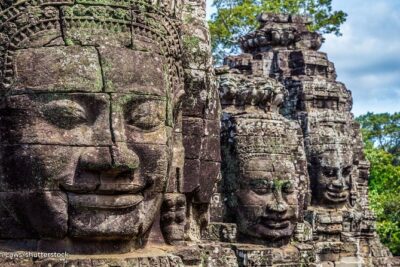
Then you move on to Bayon, famous for beautifully crafted central towers covered in more than 200 enormous faces. The faces can feel repetitive if you just look at them from one angle. With a guide explaining symbolism and context, you can start noticing how the towers and surrounding layout create meaning.
Ta Prohm after lunch, a smarter timing choice
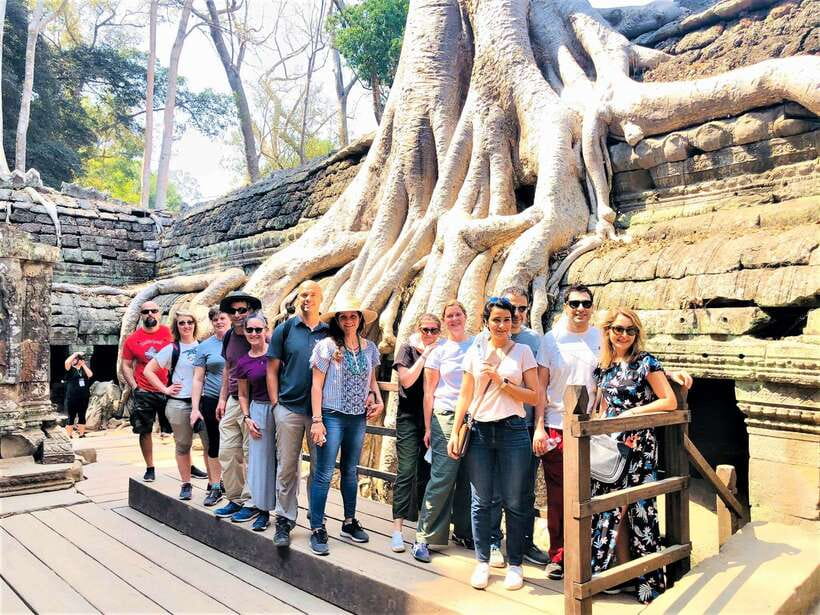
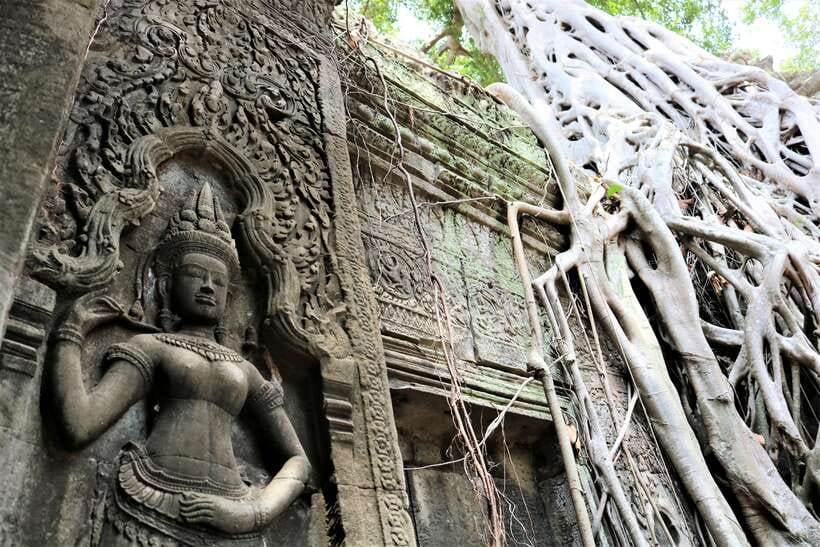
After lunch and a rest break, you go to Ta Prohm, the jungle-enveloped temple often associated with dramatic roots and crumbling stone. The timing here helps. Going after a midday pause means you can slow down, keep your focus, and enjoy the shade and textures instead of forcing the visit while you are running on fumes.
Day 2 takeaway
By the end of Day 2, you will have seen Angkor in layers: meaning first (bas-reliefs), power and myth at the gates and faces, then nature reclaiming stone at Ta Prohm. That sequence makes the whole complex feel coherent.
Day 3 on Tonle Sap, plus the Phare Circus backup during dry season
Day 3 moves you from temples to water and daily life. You head through the countryside to Tonle Sap Lake, known as the world’s second-largest freshwater lake. Then you take a boat trip to Kampong Phluk, described as a collection of three small fishing villages in an atmospheric flooded forest setting.
This is the part of the trip that adds perspective. Angkor is sacred stone and empire stories. Tonle Sap is livelihood, seasonal change, and communities adapted to flooding. On the boat cruise, you see unique houses on stilts, plus locals at work in the floating forest. The experience is usually what makes the trip feel well-rounded instead of being only temples and more temples.
Tonle Sap vs Cambodia Phare Circus
The itinerary is flexible based on season. During the dry season from March 1 to June 31, the tour swaps Tonle Sap for Cambodia Phare Circus. The tour listing notes seat C for the circus. That substitution is important if your dates fall in that window, because it changes your Day 3 from water life to performance.
Either way, the tour keeps Day 3 as a single main activity so you are not trying to cram too much before you head back.
A small planning heads-up
Tonle Sap boat time involves being out and about. The tour includes mineral water, and multiple driver reviews mention cold towels and chilled water at stops. I still recommend treating the heat seriously, wear your most comfortable walking shoes, and follow the tour clothing rules.
Guides and drivers, the real reason the trip feels smooth
This tour’s small-group size is helpful, but the biggest difference is the human factor. Recent feedback repeatedly points to guides doing the heavy lifting, explaining not just what a temple is, but what you are supposed to notice and why.
Names you may encounter in this experience include Saruon Pal and Pal Saruon, Pireak, Pi, and Sam, plus others listed in recent accounts like AJ. The consistent theme is clear explanations in English and answers to questions, not just a recital of dates.
Drivers are praised just as often. Specific names in recent feedback include Keal, Mao, and Usa as part of the guiding and driving team. People highlight practical care like water and cold towels when you return to the vehicle after temple stops. That may sound like a small thing, but it is the kind of detail that keeps you from turning the day into a slog.
For you, that means:
- You spend more time looking at what matters.
- You waste less time figuring out where to stand, when to move, and how long things take.
- You can handle the heat better because you are not constantly fighting dehydration.
Price and what you really get for $69
The headline price is $69 per person for 2.5 days. That sounds like a bargain until you look at what is actually included and what is not.
What you get:
- A licensed English speaking guide
- Hotel pickup and drop off in an air-conditioned vehicle
- Mineral water
- Tonle Sap entrance fee and boat cruise, or Cambodia Phare Circus (seat C)
- Entrance is partially handled for Day 3 activity through the included fee for the lake or the circus option
What is not included:
- The temple entrance fee, listed as a 3-day pass for $62 per person
- Breakfast
So your likely baseline cost becomes about $69 + $62, plus breakfast. Even if you account for that, this still tends to feel like good value because you are paying for logistics and interpretation, not just transport. Angkor is complicated, and doing it solo costs you time, planning stress, and often fewer moments of good understanding.
Also, $69 for a small group capped at 15 is usually about the level where you get a real guide-led experience instead of a generic bus-and-drop tour.
What to pack and wear for an Angkor-heavy schedule
The essentials are simple, and they are actually important here. You are told to bring comfortable shoes, because you will be moving over uneven temple ground across multiple sites.
Dress rules matter too. Short skirts are not allowed. That is the kind of rule that can shut down a visit fast if you forget. I suggest planning to wear breathable clothing that covers properly for temple days.
You will also be doing pre-dawn departures for the sunrise day. Even though the tour provides mineral water, bring your own calm approach: arrive ready to walk early, and expect the day to ramp up quickly.
Who this 2.5-day tour is best for
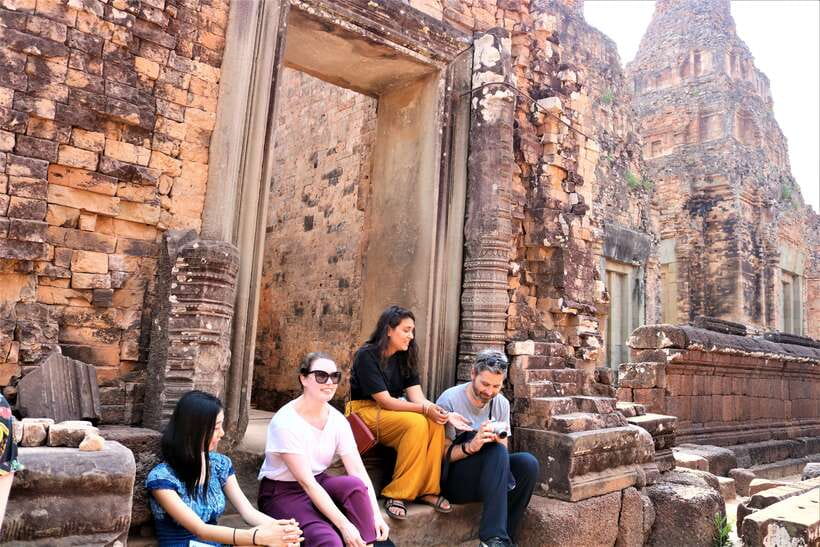
This is a strong fit if you want:
- A focused Angkor Wat sunrise experience
- A complete circuit of major temples without running your own logistics
- A small group cap at 15, so you can ask questions and keep pace
- A Day 3 that goes beyond temples into Tonle Sap or a cultural alternative
It is less of a fit if:
- You need mobility-friendly pacing. The tour is not suitable for people with mobility impairments, based on the tour information provided.
If you are the kind of traveler who likes to understand what you are looking at, this tour has the structure to do it. The bas-relief explanations at Angkor Wat and the context provided around temple meanings are the difference between seeing Angkor and actually reading it.
Should you book this Angkor Wat sunrise and Tonle Sap tour?
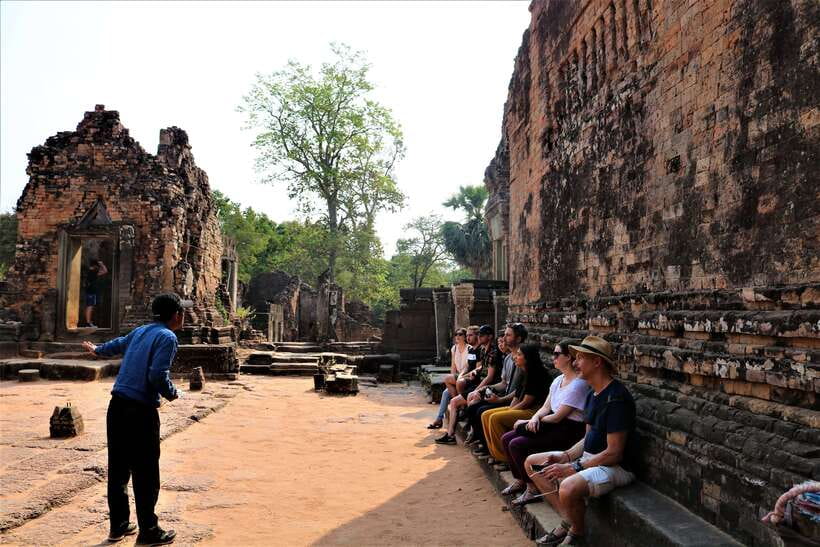
I would book it if your priority is a smooth, guide-led Angkor experience with a real sunrise moment and a Day 3 that feels like life in Cambodia, not just more stone.
Do it especially if:
- You want the sunrise timed with an entry plan that includes torchlight and a rarely visited eastern route
- You value interpretation, and you like getting your questions answered in English
- You prefer a small group, not a crowded stampede
Skip it or at least rework expectations if:
- You hate additional costs after booking. The temple pass and breakfast are not included, so budget for those up front.
- You are not comfortable with early mornings and lots of walking.
If you match those points, Journey Cambodia’s Angkor Wat sunrise plus temples and Tonle Sap plan is a smart way to get the most memorable parts of Siem Reap in 2.5 days, without turning the trip into a logistical puzzle.
FAQ
How long is the Angkor Wat sunrise and Tonle Sap small-group tour?
It runs for 2.5 days.
Where does the tour take place?
The tour is in Siem Reap Province, Cambodia.
What is included in the price?
The tour includes an English speaking licensed guide, hotel pickup and drop off in an air-conditioned vehicle, mineral water, and exploring the major temples plus Tonle Sap Lake entrance and boat cruise, or Cambodia Phare Circus (seat C), depending on the season.
Are the Angkor temple entrance fees included?
No. You need an Angkor 3-day pass, listed as $62 per person.
Is breakfast included?
No. Breakfast is not included.
When is Tonle Sap replaced by Cambodia Phare Circus?
From March 1 to June 31 (the dry season), the tour uses Cambodia Phare Circus instead of Tonle Sap.
What time do you leave for the Angkor Wat sunrise?
You have a pre-dawn departure from your hotel to see the sunrise outside Angkor Wat.
What should I bring for the tour?
You should bring comfortable shoes.
Are there any clothing rules?
Short skirts are not allowed.
Is this tour suitable for people with mobility impairments?
No, the tour is not suitable for people with mobility impairments.
Newly listed around Siem Reap
- Sambor Prei Kuk Off Beaten Track★ 5.0 · 3 reviews
- Siem Reap Airport Taxi Transfer – City Center Hotels★ 5.0 · 5 reviews
- Short Cycling at Countryside★ 5.0 · 29 reviews
- Unveiling the Mystical Beauty of Phnom Kulen National Park★ 5.0 · 6 reviews
- Angkor Wat at Sunrise★ 4.0 · 7 reviews
- Bakong Temples & Floating Village Tour★ 4.5 · 3 reviews
- Rooftop Romantic Dinner – 4 Courses Set Meal & Wine★ 3.5 · 5 reviews
- Khmer Cooking Class in Cambodia★ 5.0 · 36 reviews
Angkor Wat Tours, compared.
Angkor Wat Sunrise or Sunset Tour with Guide from Siem Reap
Read our review →
Angkor Wat: Small-Group Sunrise or Sunset Tour
Read our review →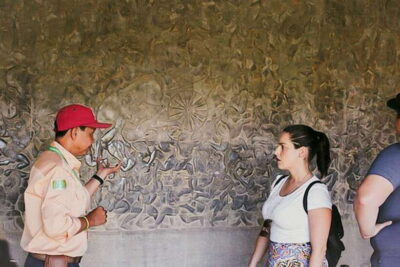
Angkor Wat 2-Day Tour with Sunrise and Sunset
Read our review →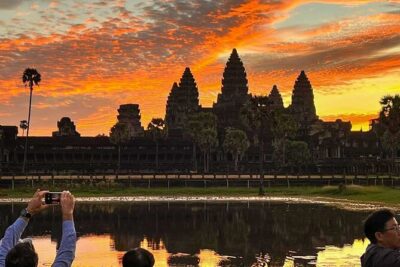
Angkor Wat Sunrise tour with Small – Group and Guide tours
Read our review →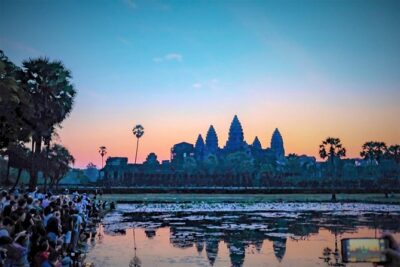
Angkor Wat Highlights and Sunrise Guided Tour from Siem Reap
Read our review →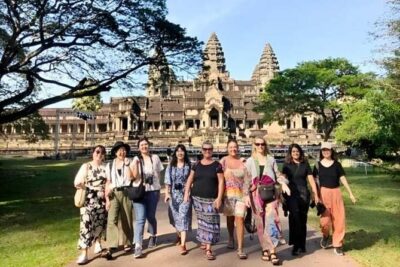
Angkor Wat Sunset Small Group Tour with Lunch Included
Read our review →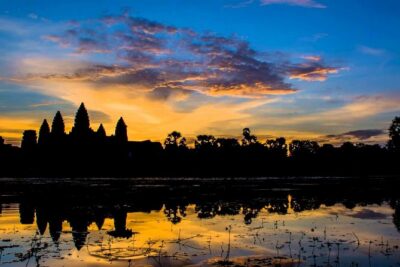
Full-Day Angkor Wat Sunrise Private Tour with Guide from Siem Reap
Read our review →Browse the lists this tour appears in