
Review · ANGKOR WAT TOURS
Angkor Wat: Sunrise 2.5 Days with Tonle Sap Lake Tour
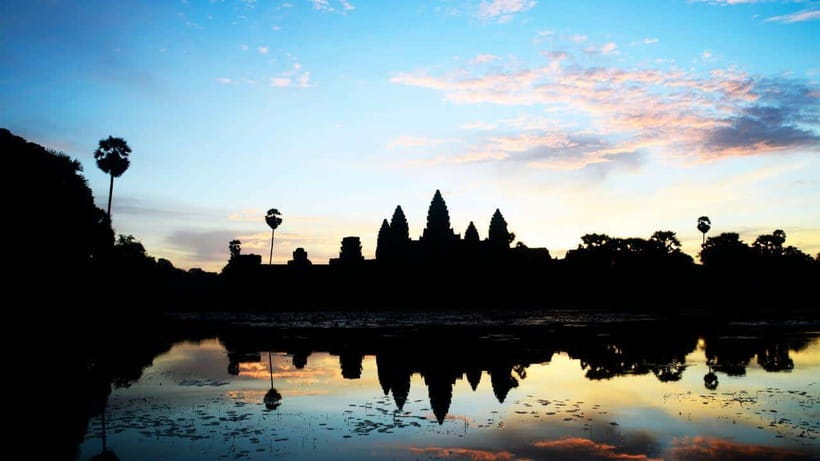
Sunrise at Angkor shifts your whole day. This 2.5-day tour strings together Angkor Wat sunrise and Bakheng sunset with guided temple stops, plus a Tonle Sap ride that connects you to everyday Cambodia, often with English guides like Sopheap Rath.
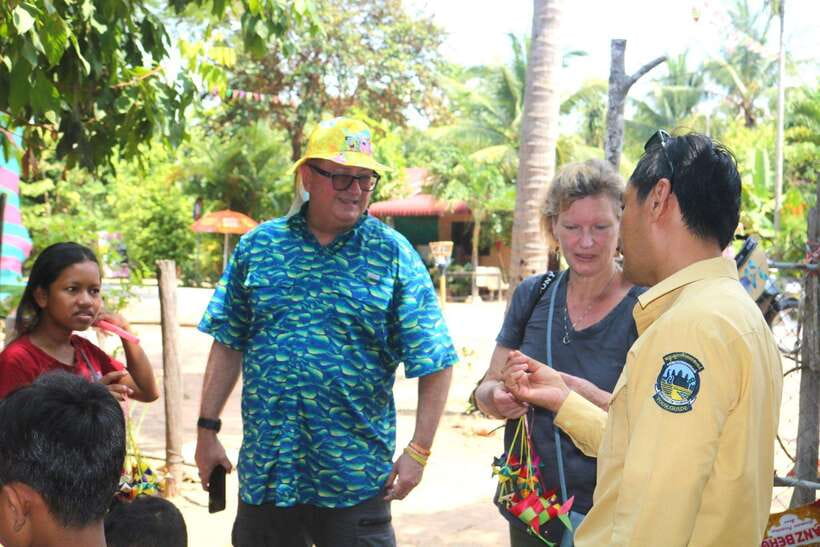
I really like the Kampong Pluk boat visit and the chance to meet people in the flooded forest setting. I also like how guides such as Sokpee or Chhay turn the temples into something you can actually understand, with a pace that keeps you moving but not rushed.
The only catch is that temple entrance tickets are not included, so you’ll need to budget $62 per person for covers over 2 to 3 days, and meals are on you.
In This Review
- Key things I’d zoom in on
- Angkor Wat sunrise plus Tonle Sap, why this combo works
- Day 1: Pre Rup, Banteay Srei, Neak Pean, Preah Khan, then Bakheng sunset
- Day 2 dawn at Angkor Wat: sunrise outside, then a 2-hour interior plan
- Angkor Thom and Bayon: fit it into your mental map
- Tonle Sap Lake and Kampong Pluk: the real-world contrast day
- Guides, drivers, and why you feel taken care of
- Price and logistics: what $69 really buys you
- Practical tips that make the difference on temple days
- Should you book this Angkor Wat sunrise and Tonle Sap tour?
- FAQ
- How long is the Angkor Wat sunrise and Tonle Sap tour?
- How much does it cost per person?
- What is included in the tour price?
- Are temple entrance tickets included?
- How much are temple entrance tickets?
- Is lunch included on the Tonle Sap day?
- What is the hotel pickup timing for the Tonle Sap day?
- What is the cancellation policy?
- What should I bring and how should I dress?
- Is the tour wheelchair accessible?
- What happens to the Tonle Sap lake part in the dry season?
Key things I’d zoom in on
- Depart before dawn for Angkor Wat sunrise, then see more than just the main silhouette
- Sunset at Bakheng Temple, timed for that atmospheric golden-hour feeling
- Banteay Srei’s standout reliefs, often described as the finest and most skillfully crafted in Cambodia
- A mix of temple moods from Pre Rup and Neak Pean to tree-root drama at Preah Khan
- Ta Prohm and Ta Nei in one day, pairing the famous ruined glow with a Buddha-dedicated stop
- Tonle Sap to Kampong Pluk by boat, plus a dry-season substitute at Cambodia Phare Circus (seat C)
Angkor Wat sunrise plus Tonle Sap, why this combo works
Angkor can be overwhelming. You can feel the clock ticking, you can get temple-fatigue, and suddenly you are just walking from pile of stone to pile of stone. This tour’s value is that it builds a rhythm: early light, long enough temple time to make sense of shapes, then a very different day on the water at Tonle Sap.
The itinerary also respects attention span. Instead of tossing every famous name at you, it pairs sites with the right vibe. You get the mood of Angkor at sunrise and sunset, then you get contrast with real-life communities at Tonle Sap Lake.
And the small-group setup plus the “private tour at your own pace” option matters. If you like photos, you want stops that feel intentional. If you like questions, you want a guide who can answer without rushing you off to the next dot on the map.
More Angkor Wat tours in Siem Reap:
- Angkor Wat Sunrise or Sunset Tour with Guide from Siem Reap
★ 5.0 · 12,109 reviews - Siem Reap: Angkor Wat: Small-Group Sunrise or Sunset Tour
★ 5.0 · 9,444 reviews - Siem Reap: Angkor Wat 2-Day Tour with Sunrise and Sunset
★ 4.9 · 4,429 reviews
Day 1: Pre Rup, Banteay Srei, Neak Pean, Preah Khan, then Bakheng sunset
Day 1 is where you start assembling the Angkor “feel.” It’s not just big temples. It’s a sequence of different styles and different moods, so by sunset you have context.
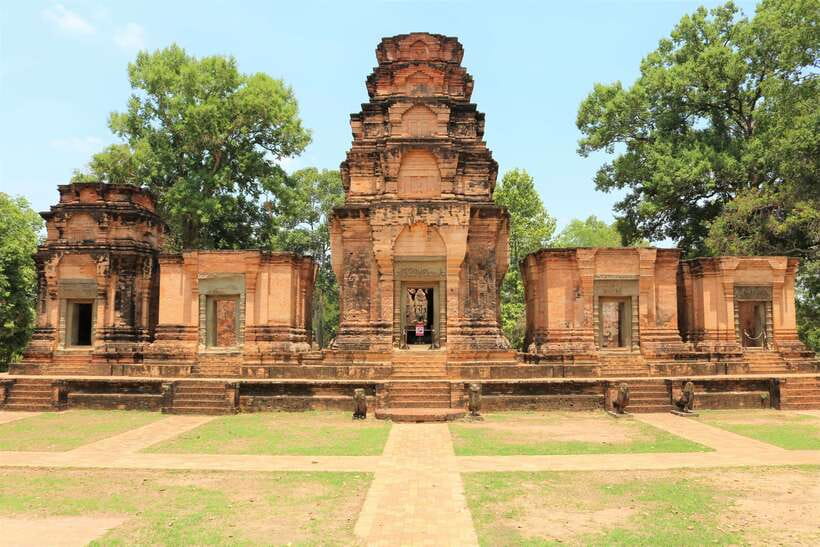
You begin at Pre Rup, a Hindu temple that served as the state temple for Khmer King Rajendravarman and was dedicated in 961 or early 962. The structure is described as a temple mountain made from combined brick, laterite, and sandstone. That material mix is part of what makes Pre Rup visually interesting, and a good guide helps you notice those layers instead of treating it like a generic stop.
Next comes Banteay Srei, the smaller sandstone temple that stands out for its extremely detailed reliefs. The tour highlights these reliefs as some of the finest and most skillfully crafted in Cambodia. Translation for your visit: you will want to slow down here. A good rule is to spend time looking at one panel or scene at a time before you move on.
Then you head to Neak Pean, an artificial island with a Buddhist temple on a circular island in Jayatataka Baray. Neak Pean has a calmer, more reflective feel than the flashier ruins. If you like temples that feel like they were made for pause, this stop gives you breathing space.
After that, the tone turns dramatic at Preah Khan. It’s described as ruined but highly atmospheric, with tree roots and crumbling stone structures doing most of the work for you. It’s the kind of place where photos turn out better when you let the guide point out composition spots first, then you take your time.
Finally, you finish with sunset at Bakheng Temple on the mountain. This is where timing does the heavy lifting. The tour is set up so you are there for the atmospheric light, not for midday heat. The practical upside: after a full day of walking, sunrise and sunset pacing gives your body a clear goal, and your brain feels like it is “ending” something rather than just continuing endlessly.
Day 2 dawn at Angkor Wat: sunrise outside, then a 2-hour interior plan
If Day 1 gives you the story, Day 2 gives you the payoff.
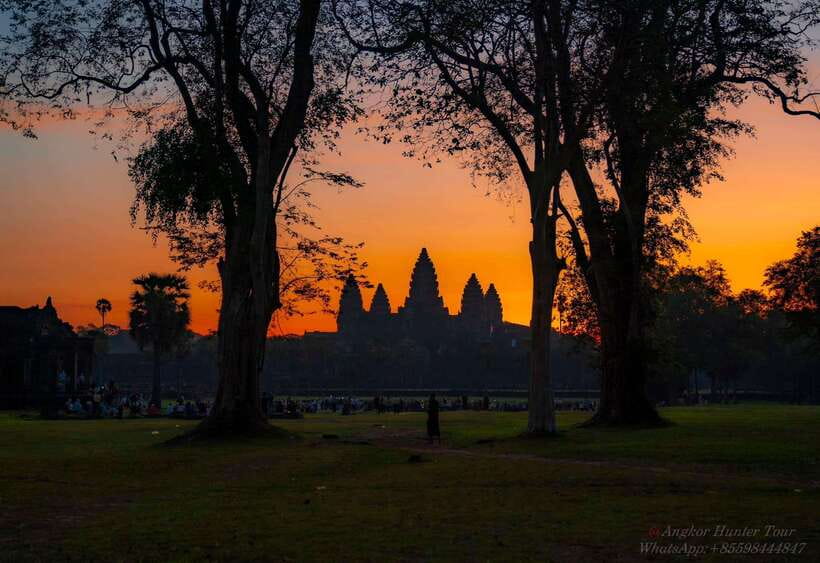
You depart before dawn to see sunrise outside Angkor Wat. The tour specifically mentions soaking up the atmosphere from the edge of one of the ancient library pools. That matters. If you only rush to the first viewpoint, you can miss the more interesting composition moments. Starting at a pool edge gives a different perspective on the temple setting.
Once the light arrives, you get time to actually explore. The tour includes a thorough interior visit of about two hours, with time spent in corridors, central chambers, and upper terraces. This is one of the best parts of the schedule for first-timers. Angkor Wat is famous, yes, but it can also feel like “big and empty” if you do not know what you are looking at. A guide helps you connect the spaces.
Breakfast is built in mid-morning at a local restaurant near the temple area. Meals are not included, but this stop is at least scheduled so you do not waste time hunting for food while everyone else is moving.
Then you head to Ta Prohm, the temple known for its atmospheric ruins. If you have seen photos, you already know it has that film-set vibe. The useful part is having time guided enough to notice how the setting shapes the ruins.
Day 2 ends with Ta Nei, described as a long but fulfilling day that includes a stone temple dedicated to the Buddha. It’s noted as late 12th-century and dedicated to the Buddha. If you like a variety of spiritual textures within Angkor, Ta Nei is a smart pairing after Ta Prohm.
Angkor Thom and Bayon: fit it into your mental map
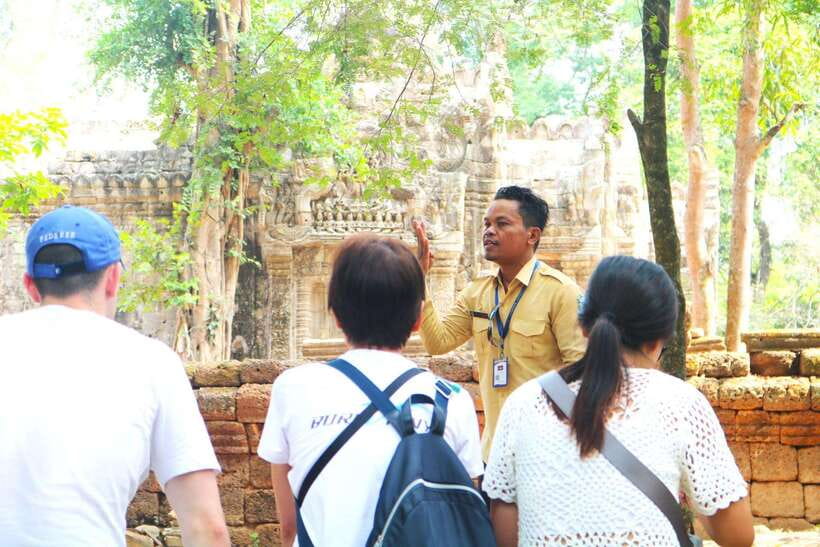
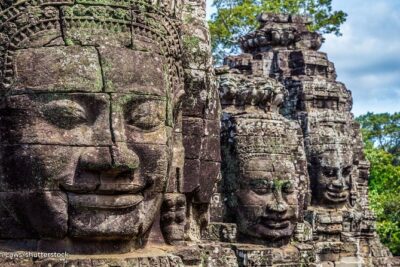
This tour also includes Angkor Thom City and the Bayon temple. Even if you have visited Angkor before, these stops help you connect Angkor Wat to the wider complex rather than treating everything as separate “Instagram monuments.”
What I like about how this tour handles it is the implied logic: you do not just see one temple and move on. You also get the sense that Angkor is not one building. It’s a whole set of spaces and city-scale layouts, and Bayon inside Angkor Thom gives you a different angle on the monumental planning.
If you like understanding geography while you walk, this inclusion is a big part of the tour’s value. It gives your photos and memories a framework.
More floating village trips in Siem Reap:
- From Siem Reap: Kampong Phluk Floating Village Tour by Boat
★ 4.9 · 6,979 reviews - Sunset tour of Kampong Phluk stilts home village on the Tonle Sap
★ 5.0 · 4,865 reviews - Siem Reap: Kampong Phluk Floating Village Tour with Boat
★ 4.9 · 3,843 reviews - Siem Reap Floating Village Kampong Phluk Sunset with Boat
★ 5.0 · 1,962 reviews
Tonle Sap Lake and Kampong Pluk: the real-world contrast day
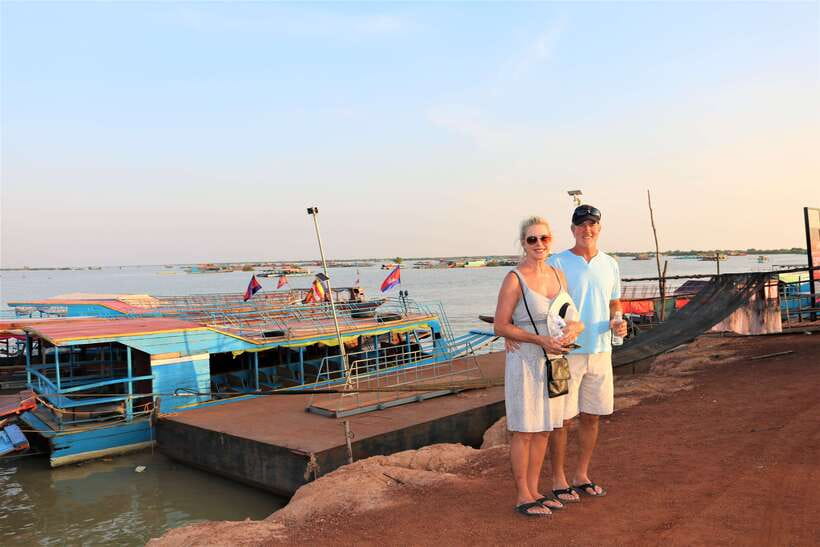
On paper, Tonle Sap can sound like a “break” from temples. In practice, it becomes a highlight because it shifts your attention from stone to living water.
You start with pickup around 8:00 AM from your accommodation, then travel through the countryside to Tonle Sap Lake, described as the world’s second largest freshwater lake. The tour gives you the scale you need to wrap your head around it: in the wet season it swells to 12,000 kilometers squared, and in the dry half of the year it shrinks to 2,500 kilometers squared, draining into the Tonle Sap River.
Then you take a boat trip to Kampong Phluk, described as a collection of three small fishing villages set in an atmospheric flooded forest setting. This is not just a view. It’s a way to see how people live with changing water levels.
Lunch is for your own expense, and there is a short rest after the boat trip. That small structure is smart. You get out on the water, you eat, you reset, then you continue rather than driving straight into fatigue.
One important note: in the dry season (March to July), the tour states that the Tonle Sap lake alternative is Cambodia Phare Circus, seat C. That is not a minor change, so it’s worth checking the timing before you lock it in.
Guides, drivers, and why you feel taken care of
This kind of tour succeeds or fails based on communication. Temple stone is not intuitive. You need a guide who can explain what you are seeing in a way that clicks.
The tour is designed around an English-speaking guide and uses an air-conditioned vehicle, plus complimentary bottled water and a cool towel. Those details sound small, but in Siem Reap heat they keep your day from turning into “survive the next stop.”
What stands out in guide feedback is pacing and clarity. Guides are described as giving just the right amount of information so the experience feels understandable rather than overwhelming. Names you may encounter include Pal Saruon, Sokpee, Chhay, Rom, and Sam. A common theme is strong English and good temple context, plus excellent photographic skills. On top of that, drivers have been praised for being careful, attentive, and making the ride feel safe. Names that show up include Kea, Ro, Vichhet, and more.
If you care about photos, this matters because it’s not random shutter clicking. A guide with “best spots” instincts can save time and help you get shots that actually match what the temple looks like in person.
And if you prefer your own pace, the tour offers a private setup so you can slow down for questions or move faster when you are ready.
Price and logistics: what $69 really buys you
The headline price is $69 per person for the 2.5-day tour. For that you get a lot of the hard parts: hotel pickup and drop-off, an English guide, an air-conditioned vehicle, and the sunrise and sunset experiences that set the mood for Angkor.
But you also need to budget for two common add-ons.
First, temple entrance tickets are not included. The tour states that the cover is $62 per person for temples over 2 to 3 days, covering the sites on your program. Second, meals are not included.
So what’s the real value? You’re paying for guided time, timing, transport, and entry-day support like skip the ticket line. Without that, you would still spend time figuring out routes, sunrise logistics, and which sites to pair. Here, the tour bundles those tasks so you can spend energy on seeing.
If you are the type who hates uncertainty and wants a clear plan, this is a good fit for your money. If you are very strict about spending and prefer independent travel, you will need to compare the cost of tickets plus guide versus what you would pay for DIY transport and timed entry.
Practical tips that make the difference on temple days
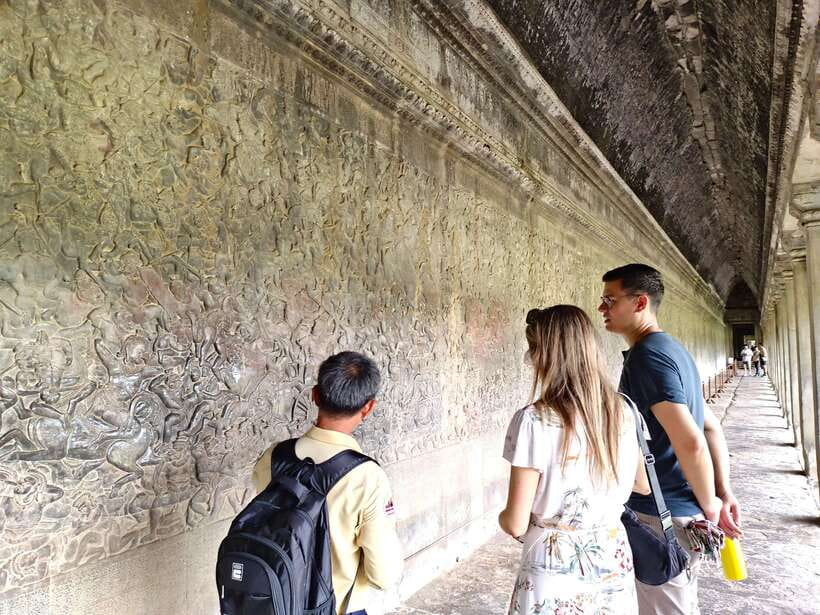
A few small things can save your day.
Wear comfortable shoes. You will be walking enough that uncomfortable footwear can turn the best moments into grumpy ones. Also bring insect repellent, because Cambodia outdoors means you are not just dealing with sun.
Dress respectfully. The tour notes that you should cover shoulders and knees, and it says shorts are not allowed. That’s more than etiquette. It also helps you move through temple areas without getting stopped or needing to improvise.
You also need to plan for physical effort. The tour is not wheelchair accessible, and it is clearly built around walking temple grounds and getting to viewpoints like Bakheng mountain for sunset.
Finally, remember that the Tonle Sap day includes a boat trip. Even if you are not told what to wear for rain, you should think in terms of staying comfortable in outdoor conditions and being ready for sun and humidity.
Should you book this Angkor Wat sunrise and Tonle Sap tour?
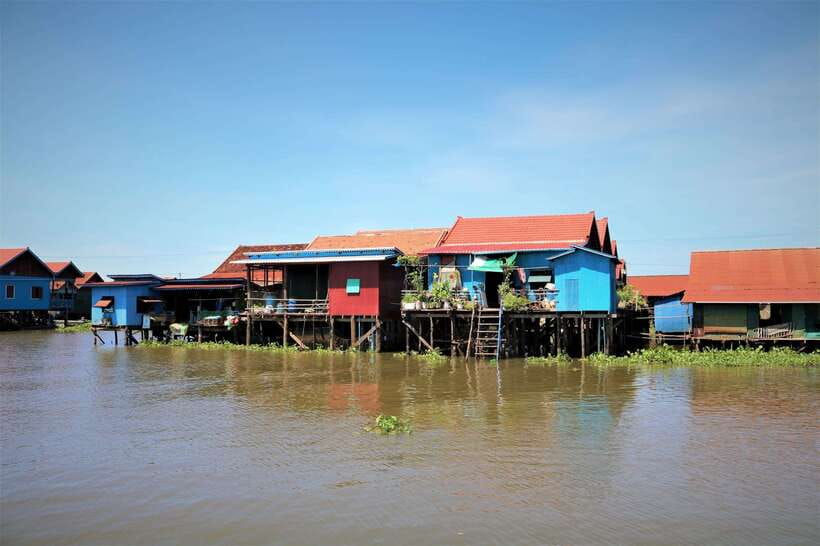
I’d recommend this tour if you want Angkor to feel organized and meaningful. The combination of sunrise and sunset at iconic spots, plus a guided interior plan at Angkor Wat, is exactly what turns a “see the ruins” trip into a “understand what I saw” trip.
I’d also book it if you like contrast. One day is sacred stone timing. The next is Tonle Sap life, boat rides, and Kampong Pluk’s flooded forest setting. That shift is a big part of why the tour feels complete.
You should think twice if you strongly prefer DIY travel or if your budget can’t stretch to add temple entrance tickets and meals. Also consider the dry-season detail. In March to July, the Tonle Sap lake plan changes to Cambodia Phare Circus (seat C).
FAQ
How long is the Angkor Wat sunrise and Tonle Sap tour?
The tour lasts 2.5 days.
How much does it cost per person?
The listed price is $69 per person.
What is included in the tour price?
Included are hotel pickup and drop-off, an English-speaking guide, an Angkor Wat sunrise and Bakheng sunset, an air-conditioned vehicle, bottled water and a cool towel, and visits to sites like Ta Prohm, Angkor Thom city and Bayon, Banteay Srei, and the Grand Circuit.
Are temple entrance tickets included?
No. Temple entrance tickets are not included.
How much are temple entrance tickets?
Temple entrance tickets are listed as $62 per person for covers over 2 to 3 days.
Is lunch included on the Tonle Sap day?
No. Lunch is at your own expense.
What is the hotel pickup timing for the Tonle Sap day?
Pickup is around 8:00 AM from your accommodation in Siem Reap.
What is the cancellation policy?
You can cancel up to 24 hours in advance for a full refund.
What should I bring and how should I dress?
Bring comfortable shoes and insect repellent. Shorts are not allowed, and you should cover shoulders and knees.
Is the tour wheelchair accessible?
No, it is not wheelchair accessible.
What happens to the Tonle Sap lake part in the dry season?
In the dry season (March to July), Tonle Sap lake is replaced by Cambodia Phare Circus (seat C).
Newly listed around Siem Reap
- Siem Reap Airport Taxi Transfer – City Center Hotels★ 5.0 · 5 reviews
- Sambor Prei Kuk Off Beaten Track★ 5.0 · 3 reviews
- Short Cycling at Countryside★ 5.0 · 29 reviews
- Unveiling the Mystical Beauty of Phnom Kulen National Park★ 5.0 · 6 reviews
- Angkor Wat at Sunrise★ 4.0 · 7 reviews
- Bakong Temples & Floating Village Tour★ 4.5 · 3 reviews
- Rooftop Romantic Dinner – 4 Courses Set Meal & Wine★ 3.5 · 5 reviews
- Khmer Cooking Class in Cambodia★ 5.0 · 36 reviews
Angkor Wat Tours, compared.
Angkor Wat Sunrise or Sunset Tour with Guide from Siem Reap
Read our review →
Angkor Wat: Small-Group Sunrise or Sunset Tour
Read our review →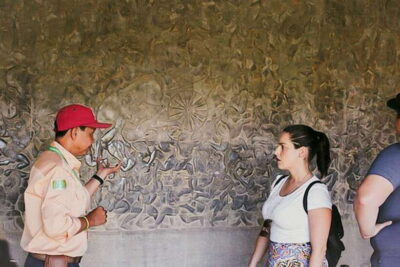
Angkor Wat 2-Day Tour with Sunrise and Sunset
Read our review →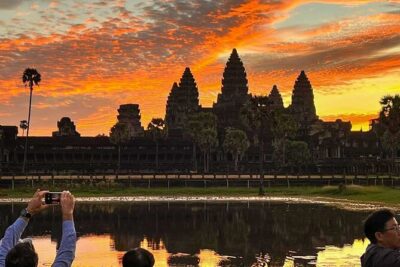
Angkor Wat Sunrise tour with Small – Group and Guide tours
Read our review →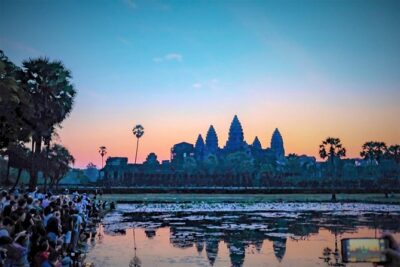
Angkor Wat Highlights and Sunrise Guided Tour from Siem Reap
Read our review →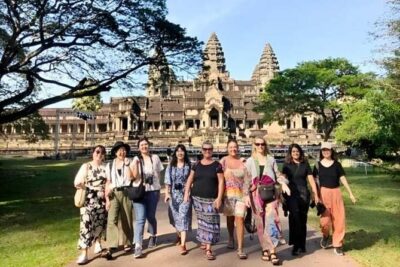
Angkor Wat Sunset Small Group Tour with Lunch Included
Read our review →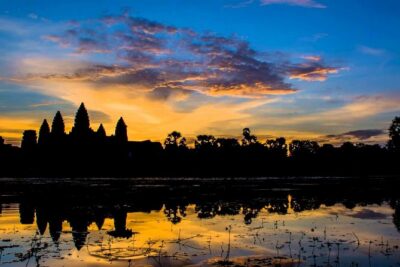
Full-Day Angkor Wat Sunrise Private Tour with Guide from Siem Reap
Read our review →Browse the lists this tour appears in