
Review · TUK-TUKS
Cambodian Village Life Tour with Lady Tuk Tuk & Local Guide
Rice fields change how you see Cambodia. This 4-hour private tour from Siem Reap uses a lady tuk tuk style ride and visits working villages, with iconic rice-field and Tonle Sap views plus a calmer pace than town. I like that it feels personal, not rushed, since it’s just your group. One possible drawback: like many countryside tours, you spend time outdoors and the roads can feel bumpy.
You’ll also get included lunch and snack tastings, including local rice work like bamboo sticky rice and rice noodle making. Then you shift into quieter spiritual spaces to learn the basics of Theravada Buddhism at a local monastery. Plan for heat and sun, since most of the memorable moments happen outside.
In This Review
- Key highlights at a glance
- Why This Countryside Route Feels Worth Your Half Day
- Getting Around: Lady Tuk Tuk Style Private Comfort
- West Baray Rice Making: Bamboo Sticky Rice and Noodle Skills You Can Taste
- Wat Svay Romiet: Theravada Buddhism Explained Through Daily Practice
- Lotus Farm Siem Reap: Why the Lotus Matters in Khmer Culture
- Krabei Riel Village: Gardens, Farmers, and Market Color in a Short Walk
- Duck Farm Stop in Siem Reap Province: Buffaloes, Birds, and Small Wildlife Moments
- Lunch, Snacks, and Drinks: What You Actually Get Included
- Price and Value: Is $35 Fair for a Private 4-Hour Day?
- The Guide Factor: Clear English and Real Explanations
- What to Wear, Bring, and Expect in the Cambodia Heat
- Who This Tour Suits Best (And Who Might Prefer Something Else)
- Should You Book This Cambodian Village Life Tour?
- FAQ
- How long is the Cambodian Village Life Tour?
- What does the tour cost?
- Is this tour private?
- Is hotel pickup included?
- What’s included for food and drinks?
- Are entrance tickets included?
- What is the cancellation policy?
Key highlights at a glance
- Private, pickup included: you start from your hotel and only your group participates
- West Baray rice making with a local family: bamboo sticky rice and rice noodle making, plus tasting
- Wat Svay Romiet monastery visit: a chance to understand everyday Buddhism in Cambodia
- Lotus Farm Siem Reap: a peaceful lotus pond with Khmer cultural meaning
- Krabei Riel village market stroll: gardens, farmers, and local market color
- Duck farm wildlife moments: water buffaloes and native birds on the way through the province
Why This Countryside Route Feels Worth Your Half Day
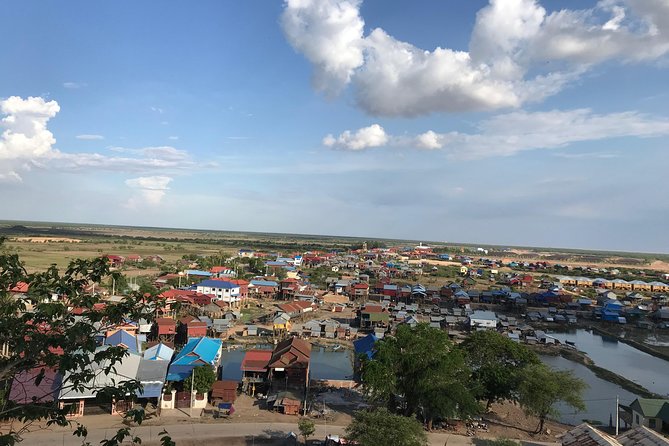
Siem Reap is famous for temples. But what sticks with you after a Cambodia trip is often the everyday rhythm around those temples, the way people grow food, raise animals, and practice faith. This tour is built for that. You leave the busiest streets for countryside views, village conversations, and small scenes you’d miss if you only hopped between landmarks.
I also like the structure. You get a mix of hands-on food moments, a monastery stop, and a couple of slower nature and village walks. It’s not a checklist day. It’s more like a guided circuit through daily life around Siem Reap province.
Value wise, the big win is that the tour includes more than transport. You get guide time, snacks and drinks, bottled water, and a lunch tasting. That makes the $35 price easier to justify than many add-on tours that charge extra for everything.
More Tuk-Tuk Tours in Siem Reap
- Siem Reap: Angkor Wat Private Tuk-Tuk Tour
★ 4.9 · 2,222 reviews - Siem Reap Countryside Bike Tour / E-Bike or Tuk Tuk
★ 5.0 · 935 reviews - Angkor Sunrise Bike Tour / E-Bike or Tuk Tuk
★ 5.0 · 615 reviews
Getting Around: Lady Tuk Tuk Style Private Comfort
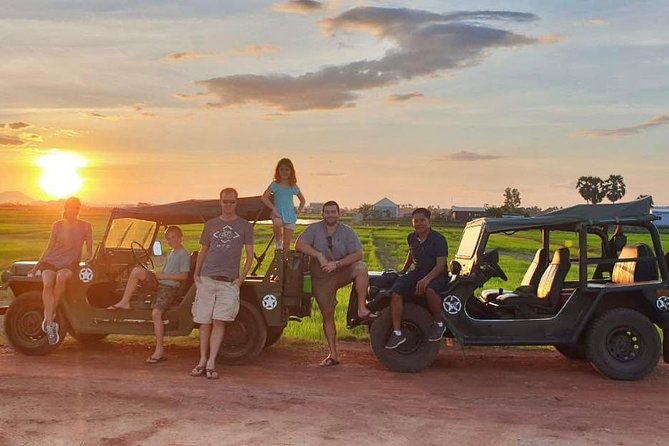
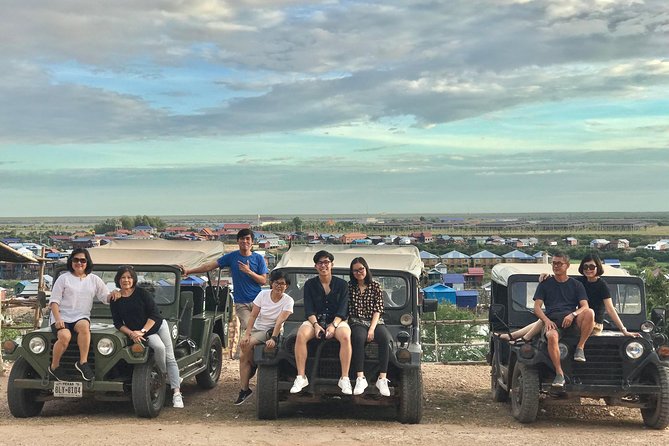
You’re collected from your hotel, then moved around privately in a lady tuk tuk setup with an English speaking guide. That matters because you’re not negotiating with drivers, waiting around, or trying to translate your way through village roads.
Also, the experience is described as using a refurbished US Army Jeep as part of the countryside ride. Either way, the point is the same: you’ll be on an open-air style route compared with a standard minivan, which helps with those quick photo moments and the feeling of actually being in the countryside.
With a 4-hour overall length, timing is tight, so bring realistic expectations. You’ll get enough time to see and learn, but you won’t have a long sit-down at each stop. If you’re prone to rushing your photos, you’ll still find moments to slow down and ask questions.
West Baray Rice Making: Bamboo Sticky Rice and Noodle Skills You Can Taste
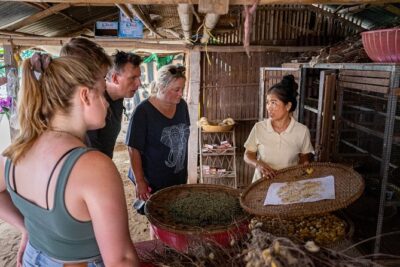
West Baray is where the tour turns practical, in a good way. You meet a local family, watch traditional cooking work, and learn the art behind bamboo sticky rice and rice noodle making. It’s not just watching from the edge. You get to sample what’s being made, which helps you connect the lesson to real flavor.
This stop runs about 1.5 hours, so it has time to breathe. You usually get a mix of explanation and active observation, plus snacks that follow the rice craft theme. If you enjoy food learning, this is the part that feels most “useful” after the tour.
One note: it’s a countryside day, and food activities can be warm and a bit busy. If you prefer perfectly quiet, museum-style explanations, you might find the setting louder and more hands-on than you expected.
Wat Svay Romiet: Theravada Buddhism Explained Through Daily Practice
After the food stop, the tour shifts to a monastery visit at Wat Svay Romiet for about 30 minutes. The emphasis here is not sermons or big ceremonies you might expect from a major tourist site. It’s about learning the spiritual heartbeat that guides day-to-day life in Cambodian communities.
This is also one of those stops where your guide can make or break the experience. The tour includes an English speaking guide, and on some departures you may be hosted by guides such as Mork, who has led guests through farm scenes and helped explain how daily work, plants, and animals connect to life rhythms.
If you plan to enter temple areas, dress matters. Keep shoulders covered and avoid overly short clothing. Even if you do not fully enter, you’ll be standing around, so comfortable fabric beats fashion.
The drawback? The stop is brief. You’ll leave with understanding and context, but you won’t have hours to ask everything. If this is a top interest, plan to follow up with your own reading later or ask for one or two deeper questions during your time there.
A different kind of day in Cambodia:
- Angkor Wat Sunrise or Sunset Tour with Guide from Siem Reap
★ 5.0 · 12,109 reviews - Siem Reap: Angkor Wat: Small-Group Sunrise or Sunset Tour
★ 5.0 · 9,444 reviews - From Siem Reap: Kampong Phluk Floating Village Tour by Boat
★ 4.9 · 6,979 reviews - Sunset tour of Kampong Phluk stilts home village on the Tonle Sap
★ 5.0 · 4,865 reviews
Lotus Farm Siem Reap: Why the Lotus Matters in Khmer Culture
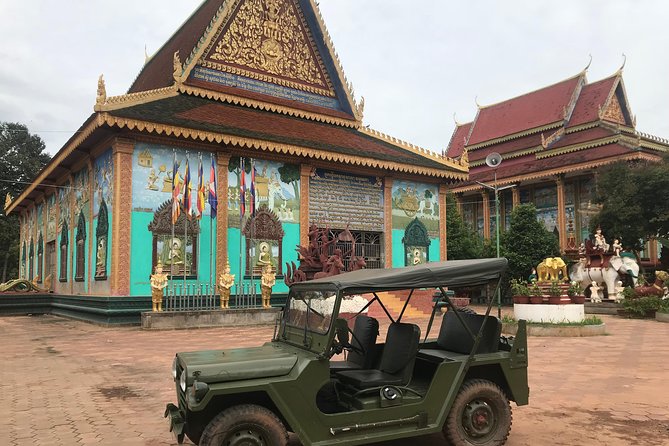
Next is Lotus Farm Siem Reap, also around 30 minutes. This is quieter, and that change of pace is a good thing after a busy food stop. You get time at a tranquil lotus pond and learn the lotus legend, including why the flower symbolizes purity and resilience in Khmer culture.
Even if you’ve seen lotus ponds in other places, this stop is useful because the guide ties the flower to local meaning, not just scenery. It’s one of the easiest cultural takeaways from the day, and it pairs nicely with what you heard at the monastery stop.
Practical tip: bring a little patience. These pond stops are about calm observation and explanations, so don’t cram this stop into your schedule. If you do, you’ll miss the point.
Krabei Riel Village: Gardens, Farmers, and Market Color in a Short Walk
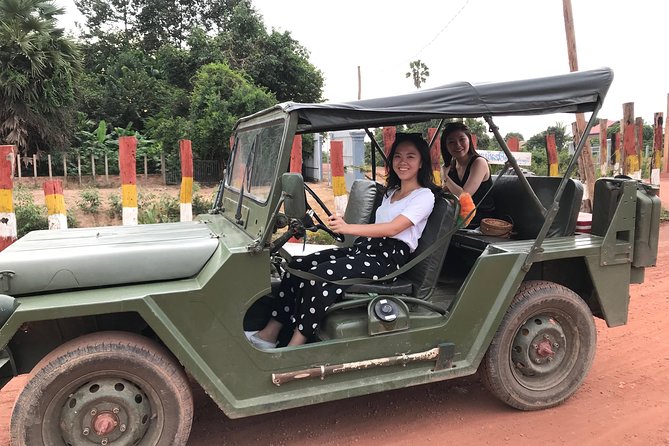
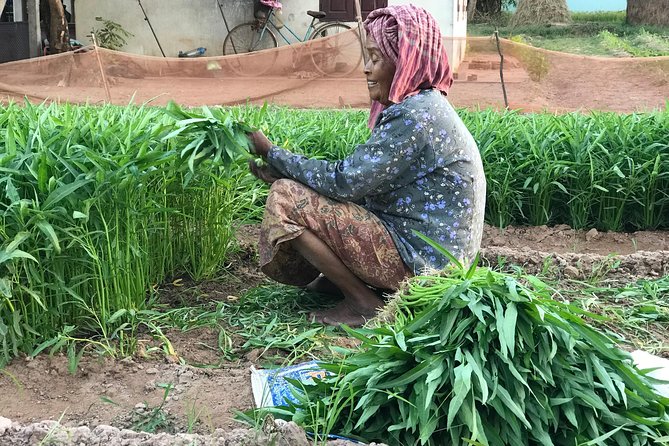
At Krabei Riel, you spend about 20 minutes, and the focus is village rhythm. You wander through gardens, see farmers at work, and explore a lively village market bursting with everyday color.
This is one of those stops where you get a quick “real life” snapshot. The time is short, but it’s long enough to notice how communities organize daily tasks and how markets support village life.
What to expect: you might move slowly through outdoor spaces and small vendor areas. You’ll likely spot produce and tools connected to farming and household needs. The tour also lists admission ticket free for this segment, which is a nice bonus because the cost stays focused on guide and transport, not more fees.
Potential downside: the market can be busy depending on the day and time. If you dislike crowd movement, keep your pace slow and use your guide as your navigation brain.
Duck Farm Stop in Siem Reap Province: Buffaloes, Birds, and Small Wildlife Moments
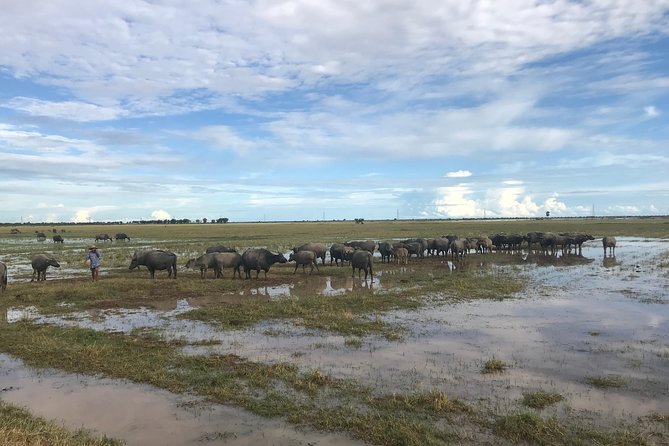
The last village and nature-style stop is in Siem Reap province, about 15 minutes, with a family duck farm visit. You’ll have a chance to spot water buffaloes and native birds along the way.
This part connects the day together. Earlier you learned about rice making, then saw monastery life, then moved through lotus meaning and village markets. The duck farm slot brings you back to animals and local livelihoods. It’s also a good way to get a few wildlife moments without turning the whole tour into a long nature trek.
Admission is listed as free here, so again, you get value without extra ticket costs.
The tradeoff is time. Fifteen minutes goes by fast, especially if animals are active. If you’re hoping for lots of close-up animal time, you might want to set expectations and let this be a “bonus scene” rather than the main event.
Lunch, Snacks, and Drinks: What You Actually Get Included
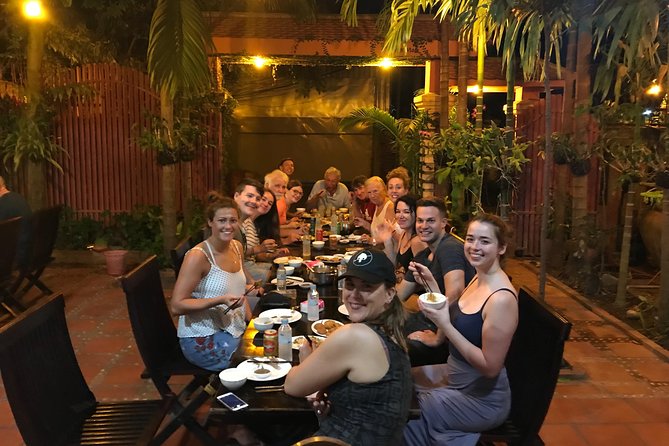
The tour doesn’t just promise food. It includes sampling: local snacks at West Baray, plus drinks and bottled water. Lunch is described as sample local cuisine, connected to the rice-making activities.
This matters because a countryside day in Cambodia can mean unpredictable food stops if you travel without a plan. Here, you know you’ll have energy for the tour segments that involve walking, waiting for explanations, and being outside in the sun.
Still, be smart about hydration. Even with bottled water included, you’ll feel the heat. If you’re a heavy sweater, bring a bit extra water on top, especially on warmer days.
Also, with lunch being a tasting-style inclusion, it’s a good idea to avoid planning a big dinner right after you return. You’ll likely feel satisfied, but you may not feel “fully meal-ready” the way you would after a sit-down restaurant lunch.
Price and Value: Is $35 Fair for a Private 4-Hour Day?
At $35 per person for about 4 hours, the value depends on what you’d otherwise spend to do the same basics on your own. You’d need transport between countryside stops, an English speaking guide to explain village routines and Buddhism meaning, and time. Those three things add up quickly around Siem Reap.
This tour also has private setup, so you’re not sharing guide attention with strangers. That matters for village stops, where questions are often the best part. If you want your guide to interpret what you’re seeing, private time is the difference between photos and understanding.
Admission is included for several key stops: West Baray, Wat Svay Romiet, and Lotus Farm Siem Reap. Krabei Riel and the duck farm are listed as free entries, which helps keep the overall cost controlled.
One planning note: it’s popular enough that booking is often made about 18 days in advance on average. If your trip is tight, I’d secure your slot earlier rather than waiting for last minute.
The Guide Factor: Clear English and Real Explanations
This experience runs with an English speaking guide, and that’s the real engine. Village days can be visually interesting but confusing if you don’t know what you’re looking at. Here, the guide connects the scenes, from rice craft to religious ideas to how everyday farming ties into community life.
The provided information also suggests guides like Mork have led guests through farm scenes and explained rice processes, including how rice is handled and threshed. That kind of detail is exactly what makes a countryside tour feel worthwhile.
How to get the most out of your guide:
- Ask one question before each stop, then follow up once you see the real thing.
- If you see an animal or tool, ask what it’s used for and when it shows up in the daily routine.
- When the tour mentions Buddhism, ask what part is most practiced locally in daily life, not just what it means in theory.
What to Wear, Bring, and Expect in the Cambodia Heat
You are outdoors for most of the journey. Bring sun protection, comfortable walking shoes, and light clothing. For monastery areas, wear something modest enough that you feel comfortable.
Bring an open mind about pacing. Some stops are 30 minutes, some are 1.5 hours, and a couple are 20 minutes or 15 minutes. That’s enough time to learn, taste, and see, but not enough to linger like a slow museum afternoon.
Also, expect some noise and activity around farms and village markets. That’s not a flaw. It’s the point. These scenes are part of living communities, not staged attractions.
Who This Tour Suits Best (And Who Might Prefer Something Else)
This is a great fit if you:
- want a countryside day that goes beyond temples
- like food learning and practical traditions
- enjoy cultural context, especially around Buddhism
- prefer a private experience where you can ask questions
It may not be ideal if you:
- want a long, unhurried photography session at every stop
- dislike warm outdoor walking and short time in each location
- expect a single big wildlife moment instead of several small animal scenes
Should You Book This Cambodian Village Life Tour?
If your goal is to understand real Cambodian daily life around Siem Reap, I think this tour earns its place. The reviews show it’s landing well, with a 5 out of 5 rating and a 100% recommendation rate from 13 reviews. That kind of consistency usually points to solid guide work and a good balance of food, culture, and village scenes.
Book it when you want value: a private, English-guided half day that includes lunch tastings, snacks, drinks, bottled water, and multiple meaningful stops. Skip it if you only want temples or you’re hunting for one major attraction that takes a whole day to enjoy.
If you’re new to Cambodia and want your first taste of countryside life, this is one of the most straightforward ways to do it without getting overwhelmed.
FAQ
How long is the Cambodian Village Life Tour?
The tour lasts about 4 hours.
What does the tour cost?
It costs $35.00 per person.
Is this tour private?
Yes. It is a private tour, so only your group participates.
Is hotel pickup included?
Yes, pickup from your hotel is included.
What’s included for food and drinks?
The tour includes snacks local snack tastings and drinks, plus bottled water. Lunch is described as sample local cuisine at the West Baray stop.
Are entrance tickets included?
Admission tickets are included for West Baray, Wat Svay Romiet, and Lotus Farm Siem Reap. Krabei Riel and the duck farm stop are listed as free.
What is the cancellation policy?
Free cancellation is offered. You can cancel up to 24 hours in advance for a full refund. If you cancel less than 24 hours before the start time, the amount paid is not refunded.
Newly listed around Siem Reap
- Siem Reap Airport Taxi Transfer – City Center Hotels★ 5.0 · 5 reviews
- Sambor Prei Kuk Off Beaten Track★ 5.0 · 3 reviews
- Short Cycling at Countryside★ 5.0 · 29 reviews
- Unveiling the Mystical Beauty of Phnom Kulen National Park★ 5.0 · 6 reviews
- Angkor Wat at Sunrise★ 4.0 · 7 reviews
- Bakong Temples & Floating Village Tour★ 4.5 · 3 reviews
- Rooftop Romantic Dinner – 4 Courses Set Meal & Wine★ 3.5 · 5 reviews
- Khmer Cooking Class in Cambodia★ 5.0 · 36 reviews
Tuk-Tuks, compared.
Tuk-Tuk, Bamboo Train, Killing/Bat Caves, Sunset
Read our review →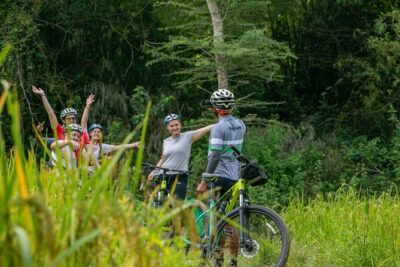
Siem Reap Countryside Bike Tour / E-Bike or Tuk Tuk
Read our review →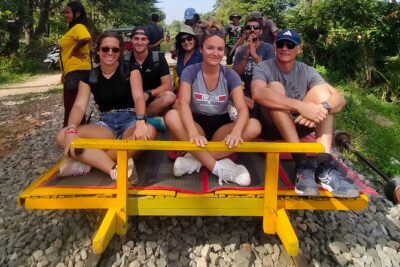
Battambang Tuk Tuk tour: Bambootrain, Killing & Bat Caves,Sunset
Read our review →
Phnom Penh Silk Island Bike Tour/ E-Bike or Tuk Tuk
Read our review →
Angkor Wat Private Tuk-Tuk Tour (sunrise Option) & more
Read our review →
Ultimate Phnom Penh Food Tour by Tuk Tuk: 20 Tastings and Drinks
Read our review →Browse the lists this tour appears in