
Review · COUNTRYSIDE & VILLAGE TOURS
Kampot Countryside Tour – Pepper Farm, Salt Lake, Caves, and more
Kampot’s countryside hits fast and hard. This small-group tour mixes salt fields and pepper farm tastings into a 5 to 7 hour morning, with a real guide and bottled water. I like the intimate pace, max 12 people, and the way the stops feel tied to everyday life instead of just photo ops. The one drawback to plan for is that you spend a fair chunk of time on the road, since only part of the day is on-site.
I also like that the cave and farms come with context, not a rushed script. Phnom Chhngok is a real cave temple experience, and the pepper stop is built around tasting different varieties and blends. One thing to consider, especially if you’re short on time, is that lunch is only included as a stop, not necessarily the meal price.
In This Review
- Quick hits before you go
- Entering the small-group mindset in Kampot countryside
- Price and logistics: $24, but check what lunch means
- Salt Fields: seeing Kampot salt made the old way
- Phnom Chhngok Cave Temple: awe, stairs, and a temple inside
- Brateak Krola Lake: a man-made break from the road
- Pepper farm tastings at La Plantation, and the chance to choose your vibe
- The lunch stop, water, and what to bring
- Guide quality matters: the difference between a drive and a real tour
- Who this tour suits best, and who should think twice
- Should you book this Kampot countryside tour?
- FAQ
- How long is the Kampot Countryside Tour?
- What time does the tour start?
- How much does it cost?
- How big is the group?
- Is pickup included, and is there an extra charge?
- Is bottled water provided?
- Is lunch included?
- What are the main stops on the tour?
- Are admission tickets included for the stops?
- Does the tour run in bad weather?
- How does cancellation work?
Quick hits before you go
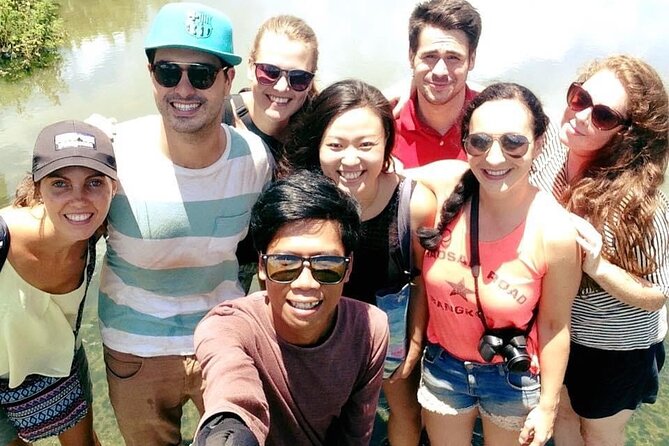
- Max 12 travelers keeps the day flexible and less crowded at each stop
- Salt fields with traditional production shows how Kampot’s signature salt is made
- Phnom Chhngok cave temple means stairs, temple sights inside a cave system, and likely some wildlife nearby
- Brateak Krola Lake gives you a quieter, off-the-road nature break with local context
- Pepper farm tastings let you compare varieties and blends, with options beyond the most queue-prone place
Entering the small-group mindset in Kampot countryside
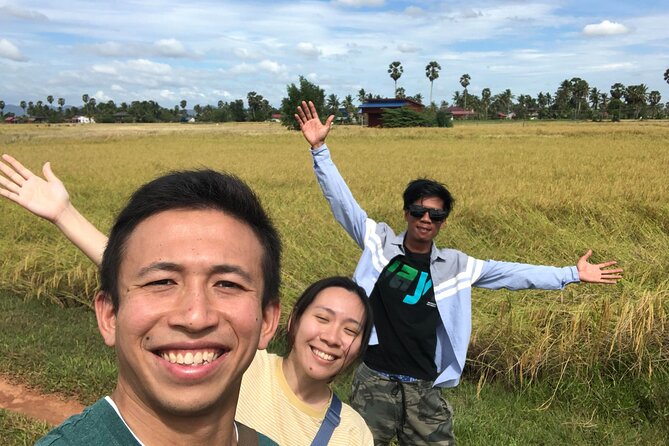
This tour is built for people who want to see Kampot beyond the city center without wrestling with a big bus. With a maximum of 12 travelers, you get a more human pace at each stop, and it feels easier to ask questions as you go.
Transport is also part of the value. You get private transport, bottled water, and pickup plus drop-off (with a small extra charge if you’re outside the selected pickup area). In practice, that means you can focus on the sights instead of timing multiple rides or waiting around.
A smart detail here is the tour length. It’s listed as 5 to 7 hours, and the remaining time is spent traveling. That tells you what to expect: this is a half-day style outing that includes moving between several rural locations.
More Countryside & Village Tours in Kampot & Kep
- Full day Tour, Countryside, Pepper farm & Kep, crab market…
★ 5.0 · 49 reviews - Kampot: Full-day Countryside Tour with Pepper Farm and Kep
★ 4.9 · 245 reviews - Kampot Countryside include Pepper farm, Salt field & Lake
★ 4.9 · 100 reviews
Price and logistics: $24, but check what lunch means
At $24, this is priced like a budget-friendly way to pack in multiple Kampot staples: salt, pepper, and a cave temple. When a tour includes bottled water, pickup and drop-off, an English speaking guide, and a lunch stop, you’re getting more than just transportation.
Still, you should know what you’re paying for. The tour says lunch is included as a stop, but lunch is not included as a meal. So bring a little cash or be ready to buy food on-site if you want a proper lunch. If you’re the type who just wants a snack and a drink, you can keep it simple.
Your start time is 9:00 am, which is ideal for a countryside day. Cooler mornings make cave stairs and dusty roads more comfortable. The tour also notes it requires good weather, so if rain hits, you’ll be offered a different date or a refund.
Salt Fields: seeing Kampot salt made the old way
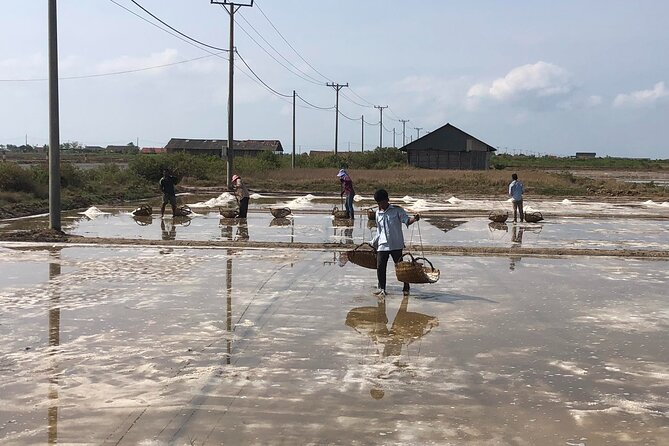
Salt in Kampot is more than a souvenir. The salt fields stop is where you learn how salt is produced using traditional methods right in the area where it’s known for being made.
You get about 30 minutes here, with a free admission ticket. That time is short, but it’s enough for the basics: how the fields work, why the salt production matters locally, and what makes Kampot’s salt different in reputation. I like this stop because it gives you a sensory connection to the region. Even if you’ve tasted salt your whole life, seeing the production makes it feel real.
Practical tip: wear something you don’t mind getting dusty, since salt flats and dirt roads can be rough on shoes and clothes. Also, use sun protection. This kind of working countryside does not slow down for clouds.
Phnom Chhngok Cave Temple: awe, stairs, and a temple inside
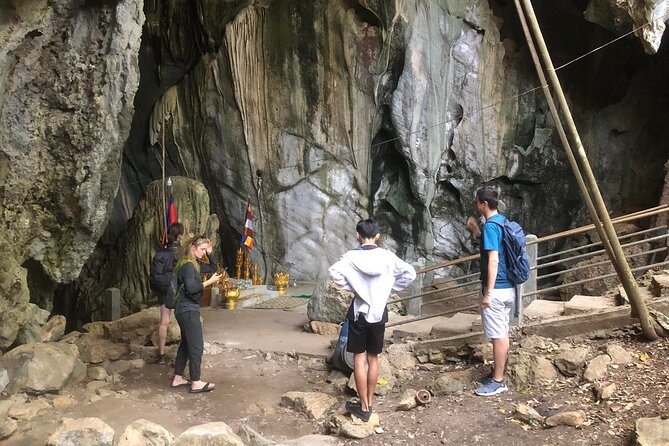
Phnom Chhngok Cave Temple is the kind of stop that instantly makes the day feel like more than a checklist. You’ll visit one of Cambodia’s oldest temples, inside an awe-inspiring cave system, with about 1 hour on-site and free admission.
What to expect is a mix of temple atmosphere and physical movement. Some groups report the cave route includes stairs on the way down and up. Even if you’re comfortable walking, plan for uneven steps and take your time.
I also find cave-temple stops work best when you go slowly and let the guide tell you what you’re seeing. Here, your guide is there to connect Cambodian culture and history to the place, not just point at details.
One more note based on past experiences with similar stops in the region: you may see monkeys around cave areas. Keep your distance and avoid sudden movements. If you like photos, be ready for some awkward angles in low light, and keep your phone safely stowed until you’re sure you’re not blocking foot traffic.
More Countryside & Village Tours in Sihanoukville:
- From Siem Reap: Kampong Phluk Floating Village Tour by Boat
★ 4.9 · 6,979 reviews - Siem Reap: Kampong Phluk Floating Village Tour with Boat
★ 4.9 · 3,843 reviews - Kampong Phluk Floating Village Tour by Boat
★ 5.0 · 1,020 reviews - Siem Reap Countryside Bike Tour / E-Bike or Tuk Tuk
★ 5.0 · 935 reviews
Brateak Krola Lake: a man-made break from the road
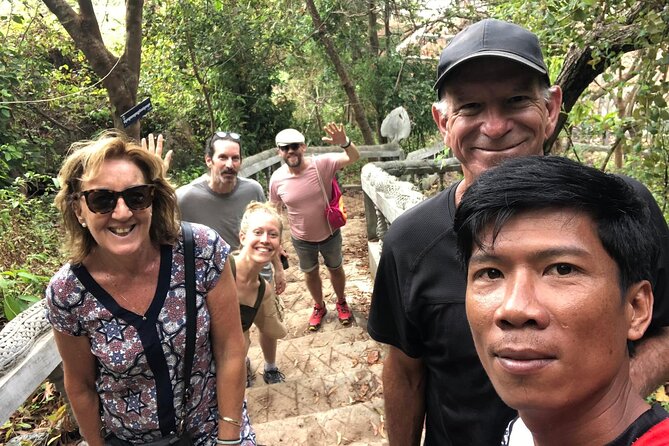
After caves and farms, Brateak Krola Lake feels like a reset. This is a beautiful man-made lake off the beaten path, and you’ll have about 30 minutes to take in the views.
The best part of this stop is not just seeing the water. It’s the storytelling angle. Your guide explains the history of Cambodia and the lake’s construction as you look around, which helps you understand how locals shaped the countryside around water and farming needs.
Because the time is limited, don’t plan on long walks. Instead, think of this as a scenic pause where you can breathe, take a few photos, and enjoy a moment that feels less rushed than the cave.
If you’re sensitive to sun, this stop can still be exposed. A hat and water (bottled water is included) go a long way.
Pepper farm tastings at La Plantation, and the chance to choose your vibe
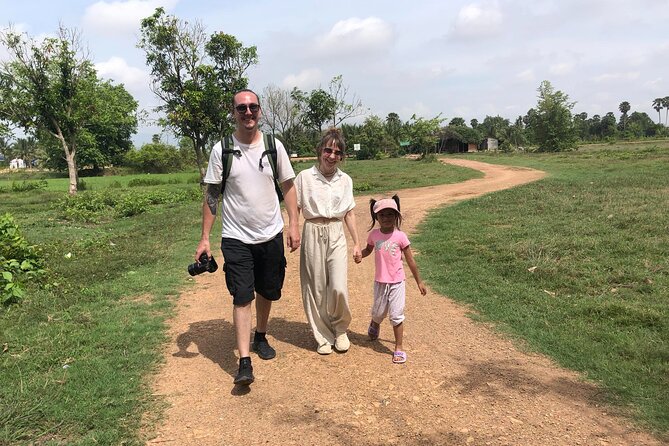
This is the reason many people book the tour in the first place. The pepper farm stop is where you meet local pepper farmers and taste the world-renowned produce.
You’ll spend around 2 hours at the plantation. Admission is free. The main event is the tasting: you can sample different pepper varieties and blends, then compare what you like best. It’s also a learning stop, where you see how top-rated peppers are grown and how farmers work the land.
There’s an extra detail worth calling out: there are two pepper farms available. One is La Plantation, and it can feel more tourist-focused. Another option mentioned is Bo Pepper Farm, which tends to feel calmer and more family-run, and it may involve a volunteer guide from the farm.
What this means for you is simple. If you care about atmosphere, ask your guide about the tradeoff between a more structured, busier place and a slower, family-style experience. In practice, choosing the quieter farm can make the tasting more personal.
Also, pepper tasting can be stronger than you expect. If you’re sensitive to spicy flavors, pace yourself. You can always focus on smell and texture first, then take a careful bite when you’re ready.
The lunch stop, water, and what to bring
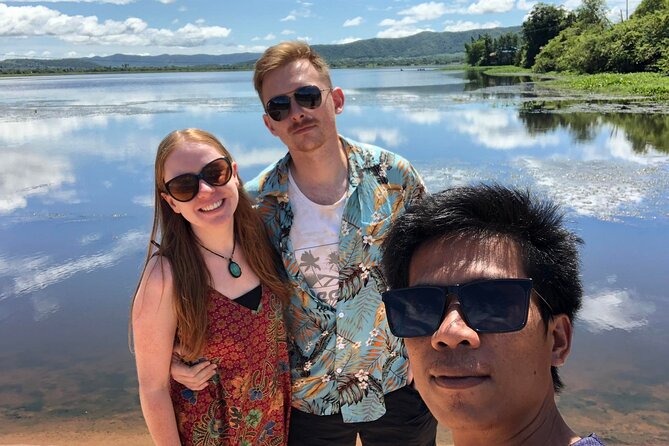
The tour includes bottled water, pickup and drop-off, and an English speaking guide. There’s also a stop for lunch, but lunch itself is not included. So treat lunch as a chance to refuel, not a guaranteed meal plan.
Some groups mention they were offered tasty food options at the break, like pancakes and juice. Since your meal specifics aren’t guaranteed in the information provided, plan like a budget traveler: have a bit of cash, be willing to keep it simple, and don’t expect a sit-down restaurant.
What I’d bring:
- Comfortable walking shoes for cave stairs and uneven ground
- A hat and sunscreen for sun exposure in open areas
- Light layers, since mornings can start cooler than you expect
- A small towel or wet wipes for dusty roads
If you hate carrying stuff, bring only what you need. You’ll be in and out of the vehicle a lot, and you don’t want to manage a heavy bag.
Guide quality matters: the difference between a drive and a real tour
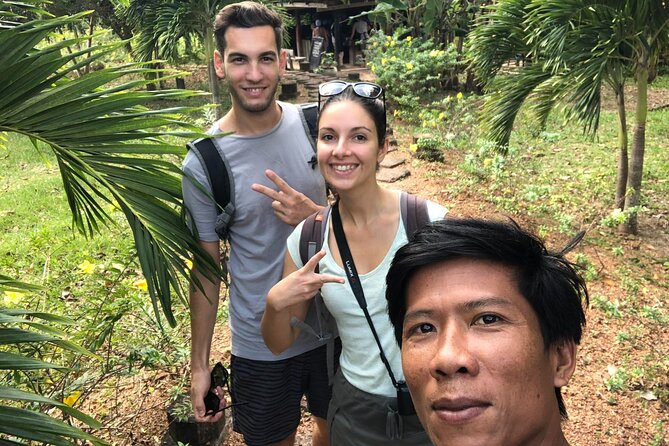
This tour includes an English speaking guide, and the guide really shapes your day. In particular, the people guiding past groups have been praised for excellent English and for telling stories that connect what you see to real Cambodian life.
Names that come up include Roy, Ray, and Micky. In several accounts, Roy is described as especially strong with explanations, with a friendly, funny style and clear English. Ray is described as answering lots of questions. Micky is described as knowledgeable and friendly.
There’s also a cautionary note: not every guide experience will feel the same, and one report described a guide who did not answer questions well and had weaker English. That doesn’t mean your day will go that way, but it does mean you should treat the guide as part of the product.
If you book, come with a few topics you care about, like how salt and pepper are produced or how the cave temple fits into local culture. A good guide will pick up on that fast.
Who this tour suits best, and who should think twice
This tour is a strong fit if you want a compact Kampot day with real regional specialties. It’s also a good choice if you like learning through hands-on stops, like watching salt production and comparing pepper varieties.
It may not be ideal if:
- You hate cave stairs and prefer flatter sightseeing
- You want a full, long lunch experience included in the price
- You dislike tours with lots of driving time, since the schedule notes that some of the 5 to 7 hours is travel
On the other hand, if you’re there for salt, pepper, and temples, this hits those themes without making you bounce between too many separate tours.
Should you book this Kampot countryside tour?
Book it if you want value and a real countryside snapshot of Kampot, all in one go. The price works because you’re getting more than transport, you’re getting guided stops built around the region’s two signatures, salt and pepper, plus a memorable cave temple.
I’d also book if you appreciate small groups. The max 12 traveler setup makes it easier to take your time and ask questions, especially at the pepper farm where tastings and explanations matter.
Skip this tour only if you know you’ll be unhappy with cave stairs and a time split that includes a lot of road travel. Otherwise, it’s a practical way to spend a morning in Kampot’s countryside and leave with more than photos, you’ll leave with a sense of how salt and pepper actually become part of daily life.
FAQ
How long is the Kampot Countryside Tour?
The tour is listed as 5 to 7 hours approximately, and the remaining time beyond the stops is spent traveling.
What time does the tour start?
The start time is 9:00 am.
How much does it cost?
The price is $24.
How big is the group?
The tour has a maximum of 12 travelers.
Is pickup included, and is there an extra charge?
Pickup and drop-off are included, but pick up outside the selected area costs an additional $5.00.
Is bottled water provided?
Yes, bottled water is included.
Is lunch included?
A stop for lunch is included, but lunch itself is not included.
What are the main stops on the tour?
The tour includes the salt fields, Phnom Chhngok Cave Temple, Brateak Krola Lake, and a pepper farm.
Are admission tickets included for the stops?
Admission tickets are shown as free for each stop listed in the itinerary.
Does the tour run in bad weather?
The tour requires good weather. If it’s canceled due to poor weather, you’ll be offered a different date or a full refund.
How does cancellation work?
Cancellation is free, and you can cancel up to 24 hours in advance for a full refund. If you cancel less than 24 hours before the start time, the amount paid is not refunded.
Newly listed around Sihanoukville
- Sihanoukville: Group Shore Excursion from Cruise Port★ 4.3 · 9 reviews
- Sihanoukville City Tour for Cruise Passengers with 7 Stops★ 5.0 · 6 reviews
- Full day Tour, Countryside, Pepper farm & Kep, crab market…★ 5.0 · 49 reviews
- Kampot/Cambodia pepper farm . Cave. lake. Kep Crab market & more.★ 5.0 · 27 reviews
- Sihanoukville Full Day City Tour with Transportation★ 4.4 · 14 reviews
- Day Trip from Sihanoukville to Phnom Penh for Cruise Passengers★ 5.0 · 36 reviews
- Sihanoukville Full Day City Tour with Transportation & English-Speaking Guide★ 5.0 · 19 reviews
- Sihanoukville Shore Excursion for cruise ship★ 4.5 · 36 reviews
Countryside & Village Tours, compared.
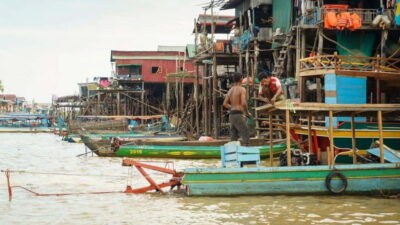
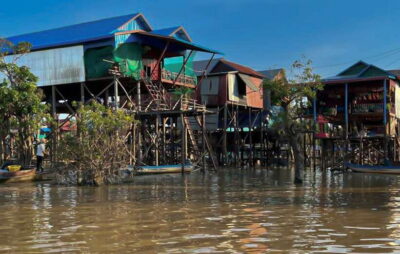
Kampong Phluk Floating Village Tour with Boat
Read our review →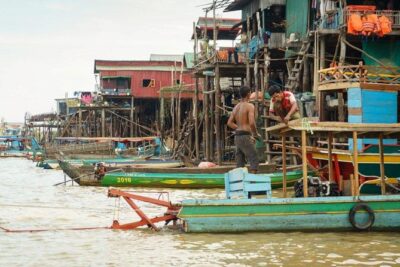
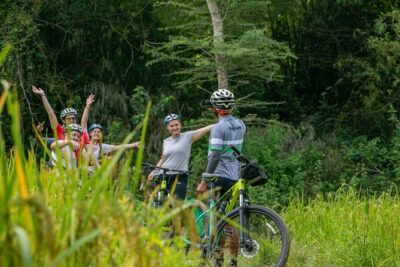
Siem Reap Countryside Bike Tour / E-Bike or Tuk Tuk
Read our review →
Tonle Sap, Kampong Phluk & Floating Village Tour
Read our review →
Afternoon tour by tuk tuk to bamboo train,bat cave,killing cave,countryside.
Read our review →
Browse the lists this tour appears in