
Review · FARMS
Lotus Silk Farm: Discover Learn and Experiment the Lotus Flower
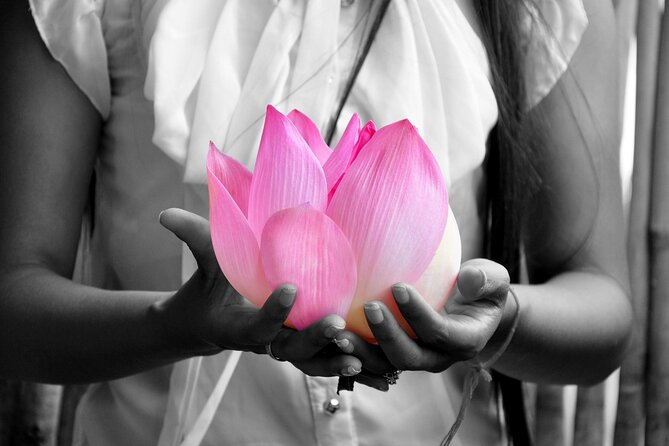
Lotus flowers become craft tools here. At Lotus Silk Farm in Siem Reap, you spend a hands-on morning learning how artisans turn lotus petals, seed pods, and stalk fibers into useful, beautiful items, starting with lotus tea and finishing with a serene boat ride. I love the practical, step-by-step making, and I also really like the calm boat time that slows the whole morning down. One thing to consider, this experience needs good weather, and the full set of activities happens in about 3 hours, so it is not a long, deep course on any single craft.
You will do a run of lotus-focused workshops, with a small group capped at 15 people, so it feels less like a show and more like you are working with the farm team. You can come away with multiple handmade souvenirs, including things made from lotus yarn and paper, plus smaller jewelry-style items. If you want to see how a real craft process works, not just watch it, this is a solid use of a morning in Siem Reap.
In This Review
- Key highlights at Lotus Silk Farm (Siem Reap)
- Lotus Silk Farm: a lotus workshop that feels like a real craft day
- Price and value: what $47 buys you in 3 hours
- Getting to the meeting point (and what to expect once you arrive)
- The lotus tea welcome: why this first hour matters
- Six lotus handicraft workshops, station by station
- 1) Seed pods and small jewelry-style pieces
- 2) Petals and lotus folding
- 3) Extracting lotus fiber strands and making yarn
- 4) Lotus paper making
- 5) Incense sticks
- 6) Finishing touches, like necklaces and bracelets
- What you learn about local life (beyond craft supplies)
- The boat ride to the lotus field: the calm ending you will feel
- What to bring, wear, and do if you want the best experience
- Who should book Lotus Silk Farm in Siem Reap
- Should you book? My practical take
- FAQ
- How long is the Lotus Silk Farm workshop?
- Where does the tour start?
- How much does it cost?
- What is included in the experience?
- Is the group size limited?
- Do I get a take-home souvenir?
- What is the cancellation policy?
Key highlights at Lotus Silk Farm (Siem Reap)
- Six lotus-based handicraft workshops focused on parts of the plant, from seeds to stalk fibers
- Lotus tea start that sets the theme and gives you a taste of how locals use petals
- Small group of max 15 for a more relaxed, personal feel
- Real take-home items like bracelets, lotus paper, and other handmade crafts
- Boat ride to the lotus field with water lilies and lotus plants in view
Lotus Silk Farm: a lotus workshop that feels like a real craft day
This is one of those Siem Reap experiences that does not pretend to be something else. You are at a working lotus farm, and the whole point is to connect the plant to daily life through hands-on craft making.
The format works because it mixes calm and creative energy. You start with lotus tea, then shift into tactile workshops where you learn what lotus parts can become. The day ends with a boat ride that gives your eyes a break and makes the lotus field feel like a special place rather than just raw materials.
Others in Siem Reap worth putting side by side:
- Angkor Wat Sunrise or Sunset Tour with Guide from Siem Reap
★ 5.0 · 12,109 reviews - Siem Reap: Angkor Wat: Small-Group Sunrise or Sunset Tour
★ 5.0 · 9,444 reviews - From Siem Reap: Kampong Phluk Floating Village Tour by Boat
★ 4.9 · 6,979 reviews
Price and value: what $47 buys you in 3 hours
At about $47 for roughly 3 hours, you are paying for three things at once: farm access, guided craft instruction, and finished take-home souvenirs. It is not just a walking tour, so you are not paying mainly for information. You are paying for the chance to make multiple items, including crafts based on lotus fibers, paper, and jewelry-type creations.
The small-group limit of 15 people is also part of the value. With fewer people in the room, you tend to get more attention during the hands-on stations. That matters with crafts, because small steps make a big difference, especially when you are working with plant materials.
Getting to the meeting point (and what to expect once you arrive)
The experience starts at Lotus Silk Farm Siem Reap, 11 road 63, ភ្នំក្រោម 17250, Cambodia. It ends back at the same meeting point, so you are not stuck figuring out transport across town after the activity.
It is also near public transportation, which is helpful if you are not hiring a private car. If you are using a taxi or ride-hailing app, I suggest double-checking the exact address before you go, since Siem Reap has plenty of similar-sounding roads.
The lotus tea welcome: why this first hour matters
Before you start making things, you get a cup of lotus tea. This is more than a nice start. It anchors the theme, because it links the lotus plant to everyday uses you might not expect.
After the tea, you typically get oriented to the farm and the idea that different parts of the lotus plant behave differently. That sets you up to understand why one station is about petals, another is about seed pods, and another is about stalk fibers. In other words, you are not learning a random list of crafts, you are learning a system.
A different kind of day in Cambodia:
- Sunset tour of Kampong Phluk stilts home village on the Tonle Sap
★ 5.0 · 4,865 reviews - Siem Reap: Angkor Wat 2-Day Tour with Sunrise and Sunset
★ 4.9 · 4,429 reviews - Siem Reap: Kampong Phluk Floating Village Tour with Boat
★ 4.9 · 3,843 reviews - Siem Reap: Full-Day Angkor Wat Guided Tour with Sunset
★ 4.9 · 3,803 reviews
Six lotus handicraft workshops, station by station
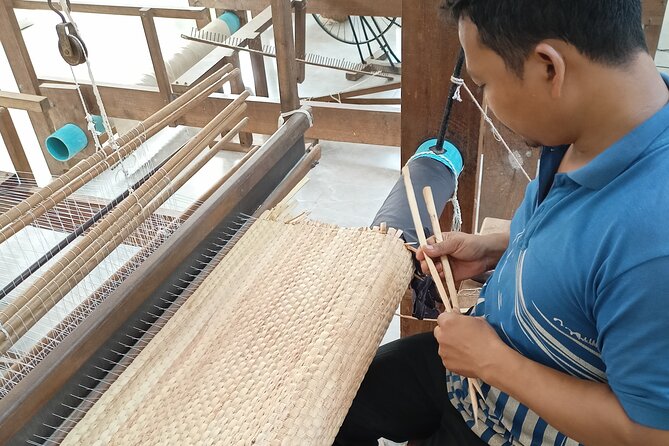
You will take part in six handicraft workshops, each one built around a different lotus ingredient. The pace is lively, but the sequence makes sense, because you see the full chain from plant material to finished craft.
Here is what you can expect to make, based on the lotus-focused crafts offered at the farm:
1) Seed pods and small jewelry-style pieces
One of the most fun parts is working with lotus seed pods. You can make items such as a seed pod bracelet, and you also learn how seed pods can be strung as beads. This is the kind of craft where your hands do the work, then your brain clicks into place: the lotus is not only beautiful, it is also “hardware” for handmade jewelry.
You will likely find that the shapes and textures vary, so each bracelet can look a little different. That is part of the charm, and it is also why this makes a great gift.
2) Petals and lotus folding
In the workshop flow, there is time to play with lotus petals and do lotus flower folding. It is a craft that feels delicate, but it is surprisingly practical. Folding a flower gives you a souvenir that looks like a flower, but it is actually a quick lesson in structure and symmetry.
If you like crafts that are more visual than technical, this stop tends to land well.
3) Extracting lotus fiber strands and making yarn
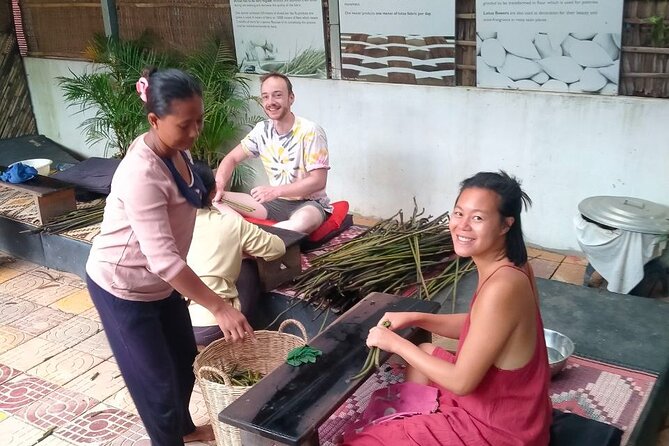
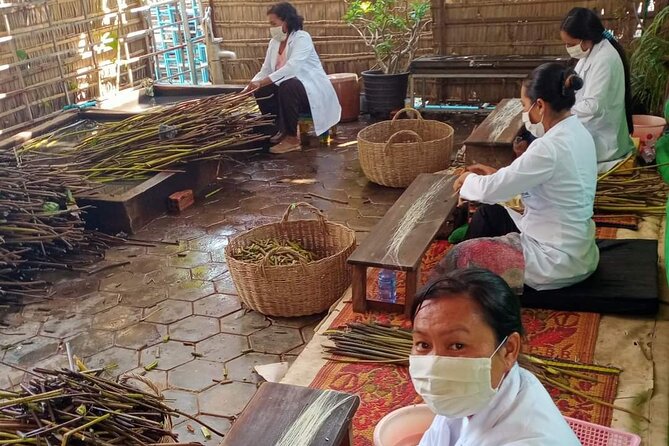
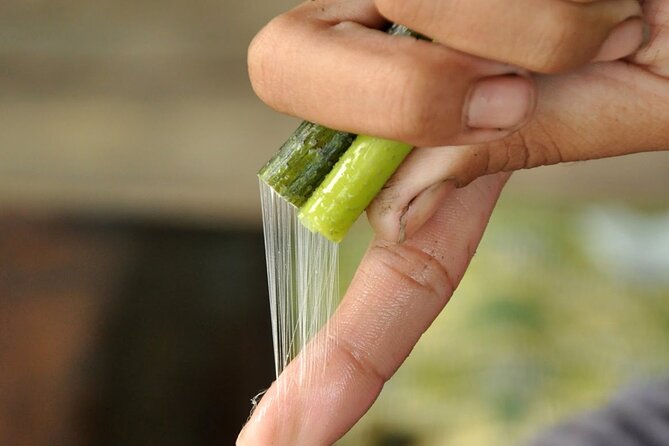
Another highlight is the process of extracting lotus fiber strands from lotus stalks. From there, you move toward yarn. This is where the experience shifts from “cute craft” into “how this is truly made.”
It also helps you understand sustainable fashion in a grounded way. Instead of thinking about materials abstractly, you learn that fiber can come from plants you already associate with beauty and water, not just from traditional textile sources.
4) Lotus paper making
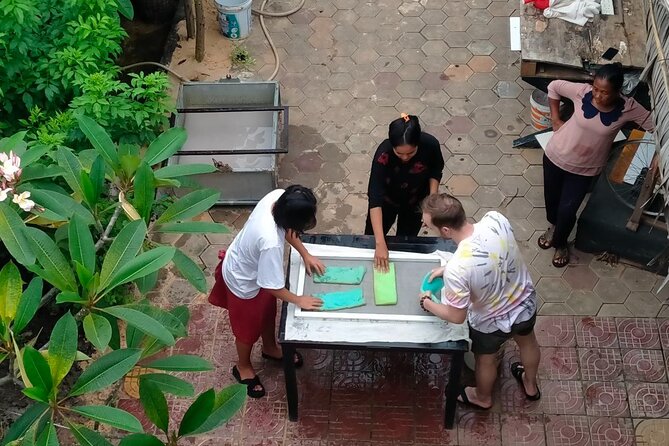
Lotus paper is one of the most satisfying souvenirs because it feels like you made something you can actually use, not just admire. You learn how lotus materials can be turned into paper, and the result tends to look distinctive, with a handmade texture.
This is also the kind of craft where you benefit from patience. Even if you are short on craft experience, you will still come away with something you can be proud of.
5) Incense sticks
You will also experiment with making incense sticks using lotus materials. It is a sensory workshop, since incense is about smell as much as shape. This stop gives the lotus theme another layer, showing how petals and plant matter can become fragrance.
6) Finishing touches, like necklaces and bracelets
By the end, you are not just collecting items you watched someone else create. You assemble and finish your own projects, including jewelry-style pieces like a necklace and bracelets. The farm staff guide you through the process, but you are the one making the final call on how your items come together.
The big payoff is walking away with several handmade souvenirs, not one token craft.
What you learn about local life (beyond craft supplies)
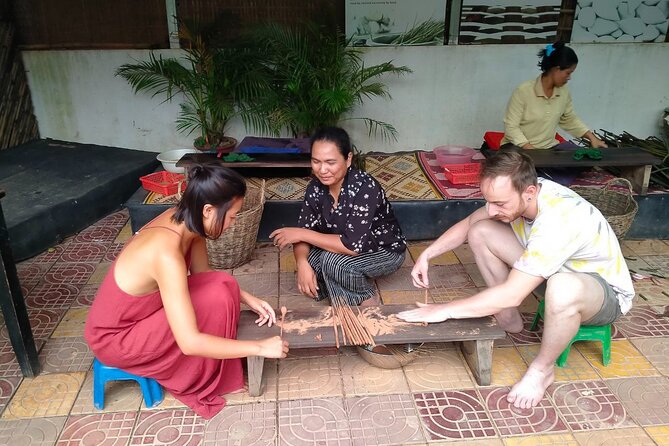
The workshops connect directly to how people use what grows around them. You come away with a clearer sense of how artisans turn what might be considered leftover parts of a plant into value.
You also get a window into the practical knowledge behind “art.” Lotus is a plant that people have ways to cultivate, harvest, and process. You are not just learning what the product is, you are learning the logic behind it: seeds become beads, stalks become fibers, petals link to tea and scent, and paper becomes a wearable and giftable medium.
This is why the experience works even if you are not a hardcore craft person. You are learning a local use of local resources.
The boat ride to the lotus field: the calm ending you will feel
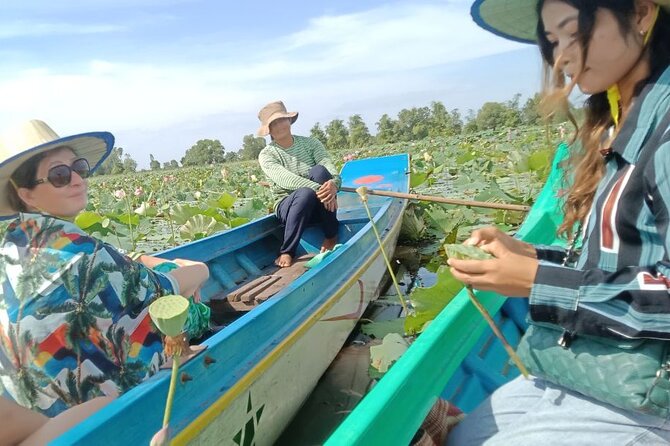
After the making time, you get a serene boat ride to the lotus field. The views here are the payoff for the morning. You see water lilies and lotus plants in their natural setting, and it feels like a reward for focusing on details during the workshops.
This part is also useful for your own pacing. If you have spent time walking around Siem Reap temples already, this is a gentler sensory break. It is quiet enough to help you reset, and it gives your souvenir photos a real backdrop.
What to bring, wear, and do if you want the best experience
For a lotus farm craft morning, plan for plant-based materials and a bit of mess risk. I recommend clothes you feel comfortable getting slightly dirty, and closed-toe shoes if you can manage it.
Bring:
- A refillable water bottle
- Sun protection (hat and sunscreen), since farm mornings can be bright
- A small towel or wipes, just in case your hands get sticky during fiber or paper work
If you enjoy learning through your hands, keep an open mind about each station. Some crafts will feel easier than others. That is normal. Your best strategy is to treat each workshop as a new skill trial, not a test.
Who should book Lotus Silk Farm in Siem Reap
This is a great fit if you want a break from the typical temple circuit and still want something cultural and real.
It is especially good for you if:
- You like hands-on workshops and want take-home souvenirs you made yourself
- You are curious about sustainable materials and botanical uses
- You prefer smaller groups, with a max of 15 people
- You want a calm, scenic boat ride added to a craft day
It might not be ideal if you expect a long, academic explanation. This runs in about 3 hours, so it is built for doing, not for a slow lecture. Also, since good weather is required, you want flexible plans in case conditions change.
Should you book? My practical take
If you are choosing between another day of sightseeing and something creative that still feels grounded in real Cambodian artisan work, I would lean toward booking this. You get multiple crafts, you get to bring things home, and the boat ride gives the day a quiet finish.
The only real reason to hesitate is weather. If your trip has tight scheduling on a single day, keep an eye on conditions and have a Plan B mindset.
For a morning that mixes lotus tea, six lotus-based workshops, and a serene boat ride, Lotus Silk Farm is a strong value at $47, especially with the small-group limit.
FAQ
How long is the Lotus Silk Farm workshop?
The experience is listed as about 3 hours.
Where does the tour start?
It starts at Lotus Silk Farm Siem Reap, 11 road 63, ភ្នំក្រោម 17250, Cambodia, and it ends back at the same meeting point.
How much does it cost?
The price is $47.
What is included in the experience?
You participate in a series of lotus-based handicraft workshops, you start with lotus tea, you make several items yourself (including things like bracelet, yarn, and paper), and you end with a boat ride to the lotus field.
Is the group size limited?
Yes. The tour has a maximum of 15 travelers.
Do I get a take-home souvenir?
Yes. You make handmade items during the workshops, and you can take your souvenirs with you.
What is the cancellation policy?
You can cancel for free up to 24 hours in advance for a full refund. If the experience is canceled due to poor weather, you are offered a different date or a full refund.
Newly listed around Siem Reap
- Sambor Prei Kuk Off Beaten Track★ 5.0 · 3 reviews
- Siem Reap Airport Taxi Transfer – City Center Hotels★ 5.0 · 5 reviews
- Short Cycling at Countryside★ 5.0 · 29 reviews
- Unveiling the Mystical Beauty of Phnom Kulen National Park★ 5.0 · 6 reviews
- Angkor Wat at Sunrise★ 4.0 · 7 reviews
- Bakong Temples & Floating Village Tour★ 4.5 · 3 reviews
- Rooftop Romantic Dinner – 4 Courses Set Meal & Wine★ 3.5 · 5 reviews
- Khmer Cooking Class in Cambodia★ 5.0 · 36 reviews
Farms, compared.
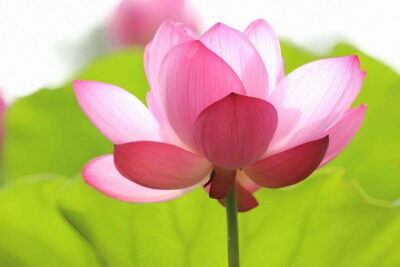
Siem Reap Lotus Silk Farm Discovery tour & Lake experience
Read our review →
Pepper Farm Tour, Salt Field, Cave & Secret Lake
Read our review →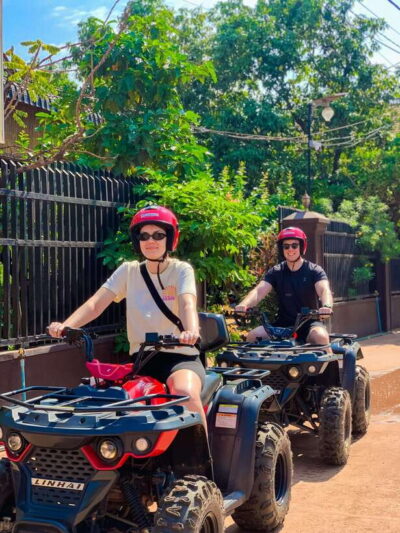
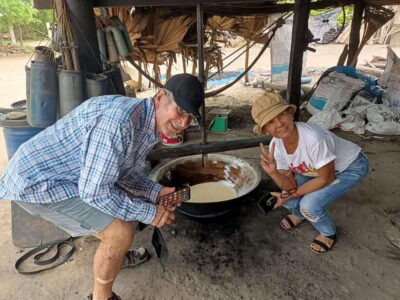
Full-day Countryside Tour with Pepper Farm and Kep
Read our review →
Tuk Tuk Trip to Pepper Farm, Kep, Crab Market & More
Read our review →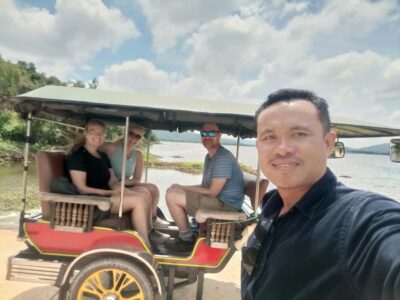
Kampot Countryside include Pepper farm, Salt field & Lake
Read our review →
KAMPOT TRAVEL-Pepper farm. Cave.Secret lake-Crab market & Salt…
Read our review →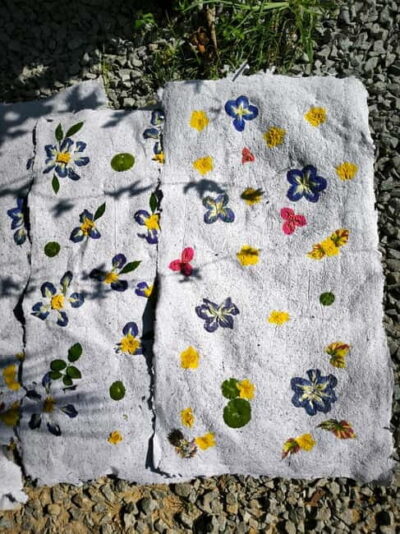
Browse the lists this tour appears in