
Review · MARKETS
Phnom Penh Kampot Kep Tour “Pepper Farm, Salt Field, Crab Market”
This is a one-day plan that mixes countryside stops with hands-on food culture, from La Plantation pepper to the Kep crab market. I like how it strings together big variety without feeling like you’re sprinting, and you get that French-era Kampot contrast right after Phnom Penh. One thing to keep in mind: it is a long day (about 8 to 10 hours), and the salt fields only operate during the dry season.
You also get real comfort for the drive, with an air-conditioned vehicle, plus pickup from your Phnom Penh hotel around 7:30am. The group stays small, capped at 12 people, which helps the day feel more personal than a crowded bus tour. I especially appreciated the calm, helpful driving style when Simon was behind the wheel, and yes, the car is roomy enough that you will not arrive looking like a pretzel.
A practical note for your planning: meals are not included, and at the pepper farm the guide support is only there (English or French), not for every stop.
In This Review
- Key highlights you’ll actually care about
- From Phnom Penh to Kampot in One Big Day
- Kampot’s Iron Bridge and Old French-Era Buildings
- Phnom Chhngok Cave Temple and the Winding Road Reality
- Brateak Krola Lake, a Dam With a Heavy Past
- La Plantation Pepper Farm: What “Kampot Pepper” Actually Means
- Salt Fields Only in Dry Season, So Expect a Plan Shift
- Kep Crab Market and the Seafood Shopping Culture
- What You Get for $89: Value Breakdown That Makes Sense
- Who This Tour Suits Best (and Who Might Skip It)
- Should You Book This Phnom Penh to Kampot and Kep Day?
- FAQ
- What time does the tour start?
- How long is the tour?
- Do you get hotel pickup in Phnom Penh?
- Is there an English-speaking guide and driver?
- What sights are included besides the pepper farm?
- Are meals included?
- Is the salt fields stop guaranteed?
- Can I change or cancel my booking?
Key highlights you’ll actually care about
- La Plantation pepper farm time: a focused visit (about 2 hours) with a sustainable family project angle and multiple pepper varieties.
- Phnom Chhngok Cave Temple: a pre-Angkorian-feeling stop that comes with a tiring approach via winding dirt road.
- Brateak Krola Lake history: you see a dam site tied to Khmer Rouge-era forced labor, so the mood shifts from scenic to sobering.
- Salt fields, but only in season: salt fields run only during the dry season, so you should expect the plan to vary.
- Kep crab market culture: fishermen bring in catch, you can bargain, and you’ll be close to how locals shop for seafood.
From Phnom Penh to Kampot in One Big Day
The day starts early, 7:30am, with pickup from your Phnom Penh hotel area. Then you ride about 160 km to Kampot, roughly a three-hour drive. This is not a “quick stop on the way” kind of outing. It’s a full-day format, so you’re trading flexibility for depth in a concentrated route.
You’ll be in an air-conditioned car, which matters because Cambodia weather and that kind of road time add up fast. Bottled water is included too, and that small detail is worth noting when you’re out all morning and into late afternoon. And if you’re the type who likes order in chaos, the driver and schedule structure help you keep moving without constantly asking questions.
The small group size, up to 12 travelers, is a real value point here. You can ask the driver to slow down for photos when appropriate, and you’re less likely to feel like you’re being swept along. The tour provider also uses mobile tickets, so you should not need to wrestle with paper confirmations.
More Market Tours in Kampot & Kep
- Kampot: Tuk Tuk Trip to Pepper Farm, Kep, Crab Market & More
★ 4.9 · 143 reviews - KAMPOT TRAVEL-Pepper farm. Cave.Secret lake-Crab market & Salt…
★ 5.0 · 87 reviews - Full day Tour, Countryside, Pepper farm & Kep, crab market…
★ 5.0 · 49 reviews
Kampot’s Iron Bridge and Old French-Era Buildings
Once you arrive in Kampot, you get a short orientation run. Expect about 30 minutes focused on the old town side, with the iron bridge over the Kampot River as a key photo stop. This bridge was built during the French colonial period, and it gives you that “old infrastructure meets Southeast Asian city life” vibe right away.
You’ll also pass through the older buildings area, which helps explain why Kampot feels different from many other Cambodian towns. It’s not just market streets and temples. There’s a layer of architecture that shows up in the way the town is laid out and how people use the riverfront.
This stop is quick, so if you want to wander on your own for a longer time, you might find it too brief. But as a setup for the rest of the day, it works well. You get context and momentum before you head toward the more remote-feeling sights.
Phnom Chhngok Cave Temple and the Winding Road Reality
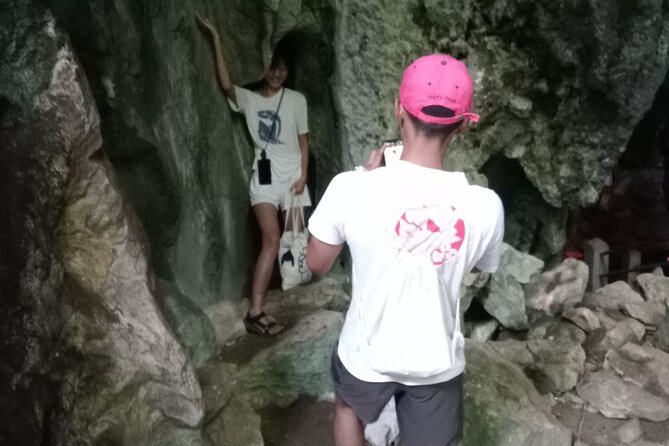
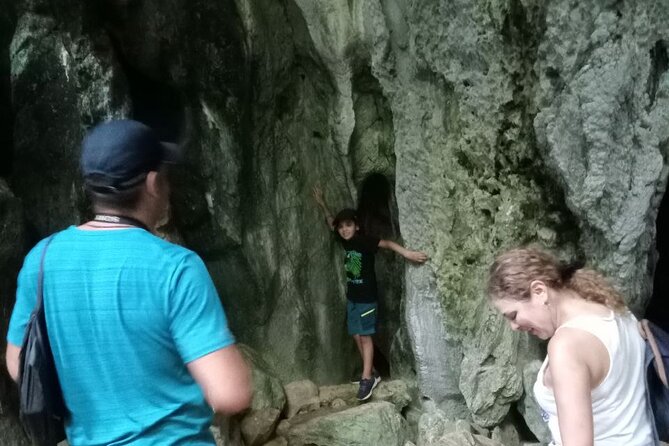
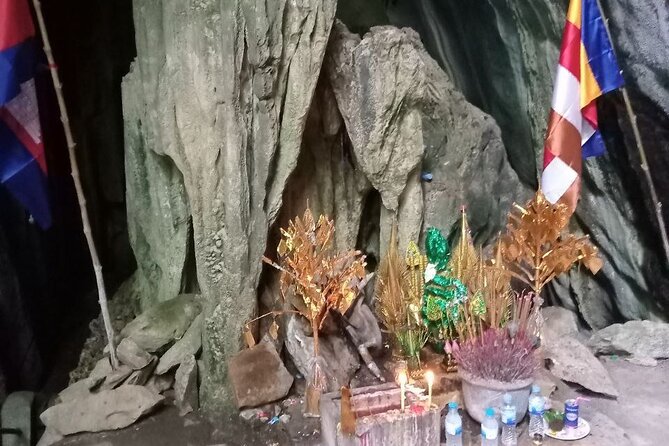
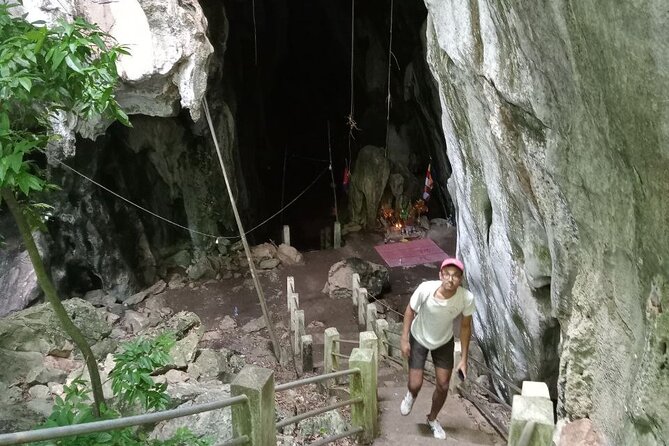
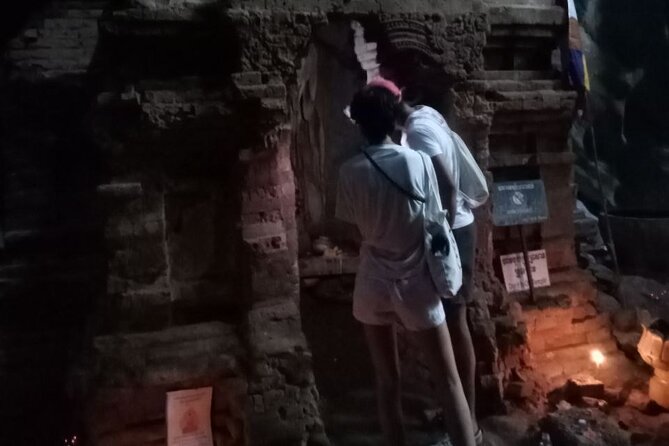
Phnom Chhngok Cave Temple is where the pace starts to feel more adventurous. You’ll spend about an hour here, and the temple is described as pre-Angkorian, which helps you frame what you’re looking at beyond a casual glance.
One thing I want you to plan for mentally is the approach. It is off the main road to Kep, and the route includes a winding dirt road. That can be tiring, especially if you’re sensitive to bumpy rides or if you’re already a little worn out from the Phnom Penh morning start.
But the effort usually buys you two things: you get a view of countryside passing by on the drive, and the temple visit feels removed from the town bustle. Even if you don’t love caves or climbs, you’ll likely appreciate the shift in atmosphere. This is one of those stops where “duration” matters less than “the feeling you get when you step out and look around.”
Brateak Krola Lake, a Dam With a Heavy Past
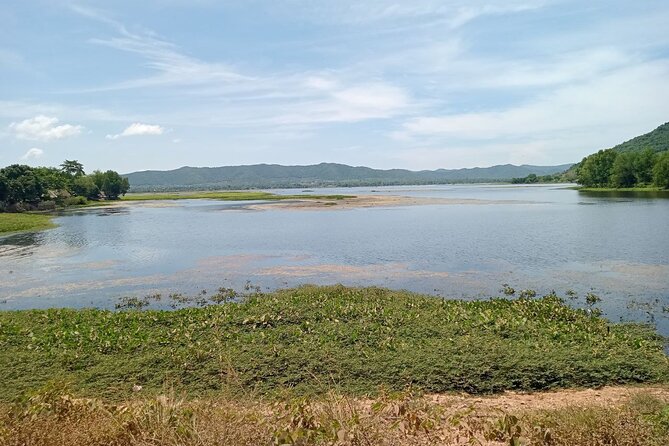
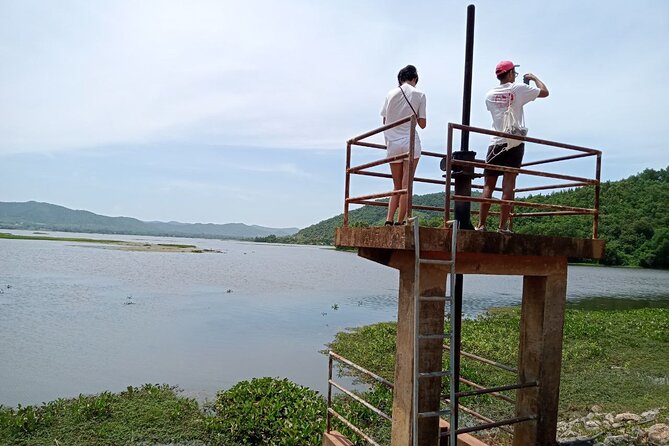
Next is Brateak Krola Lake, also called Secret Lake. Here’s the key detail: it’s not really a natural lake. It’s a dam, and it was built using slave labor during the Khmer Rouge era.
The stop is short, about 15 minutes, but the topic changes the tone of your day. Before you come here, decide what you want your reaction to be. You’re not visiting for a light picnic moment. You’re visiting a place tied to Cambodia’s modern history, even if what you see is a big body of water-like landscape created by engineering.
Because the duration is brief, you’ll likely move through it quickly with a few moments for photos and viewpoints, then back to the bus mindset. I think that’s fine, as long as you go in knowing the emotional weight is part of the stop.
More of Kampot and Kep:
- From Phnom Penh: Kampot Day Trip to Beautiful place W/ Guide
★ 5.0 · 6 reviews - A Day Trip to Kep Beach and Kampot from Phnom Penh
★ 4.8 · 4 reviews - Private Taxi Phnom Penh – Kampot Overland Transfer
★ 5.0 · 3 reviews - From Phnom Penh: Kampot and Kep Day Trip with English Guide
★ 5.0 · 3 reviews
La Plantation Pepper Farm: What “Kampot Pepper” Actually Means
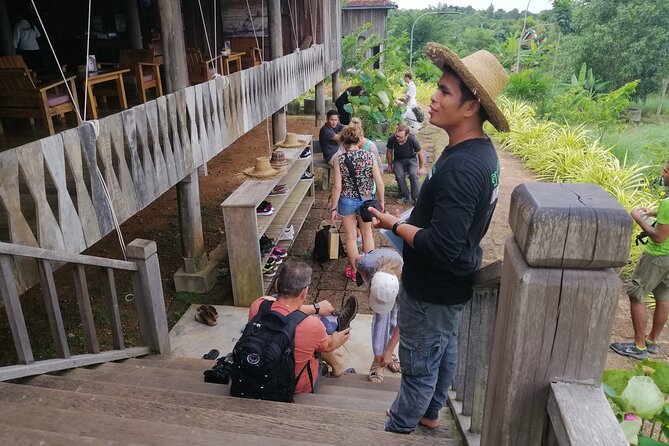
Then you get the part many people remember most: the pepper farm visit at La Plantation, which runs about 2 hours. This is described as a social and sustainable family project, combining traditional farming with modern processing.
There’s practical value here. Kampot pepper is a known name, but you’ll learn why it’s associated with specific varieties. La Plantation is described as producing black, red, and white Kampot pepper. That variety detail helps you connect the spice jars you see later with a real farming system behind them.
Pepper farm visits work best when you’re curious, not when you’re in “take photos only” mode. Even without guessing extra tasting details, you can still get value from understanding how processing and cultivation come together. The guide support here is available in English or French, so you should get more context than you would on a purely self-guided farm stop.
Also, because your guide language is tied to this location, it’s smart to ask your questions here. Save your pepper questions for the farm portion. You’ll get the most payoff during that window.
Salt Fields Only in Dry Season, So Expect a Plan Shift
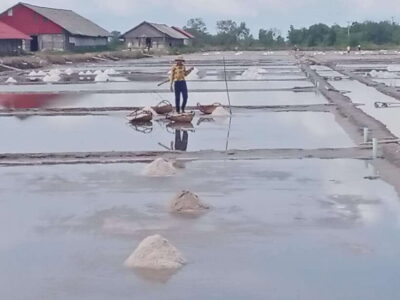
Salt fields are included as a stop, but only during the dry season. That means your exact experience can vary depending on when you travel.
If the salt fields are operating, you’ll likely get the best look at the working reality of salt harvesting. If they’re not, the tour still follows the day structure, but you may spend less time in that specific setting than you hoped. That’s not a “gotcha,” it’s just how seasonal agriculture works.
My advice: if salt is a top reason you booked this tour, check timing before you commit. If you’re going in rainy season, treat salt fields as a bonus, not the main event. You will still get the pepper farm, cave temple, secret lake, and crab market, which are the core anchors of the day.
Kep Crab Market and the Seafood Shopping Culture
Kep crab market is where the trip turns from “learning and looking” to “life on the water.” You’ll spend about an hour at the market, and the experience is framed around seafood culture, including watching fishermen bring in the catch.
This is the kind of stop where you can actually practice a travel skill that pays off everywhere: negotiating. The market is described as a place where you can bargain to get the best price on your seafood. Even if you don’t bargain hard, it’s useful to watch how vendors present options and how pricing works.
You’ll also head to Kep Beach for a photo. That’s a quick visual break, good for resetting after the inland stops. Then the day wraps with time at the market to enjoy seafood, with the overall feel of a classic local food stop rather than a staged restaurant meal.
Because meals are not included in the tour price, you’ll want to budget separately for what you order at the crab market. The upside is control. You can choose what you feel like eating in the moment, instead of being handed a set menu.
What You Get for $89: Value Breakdown That Makes Sense
At $89 per person, the value mostly comes from transportation plus multiple paid stops in one coordinated day. You’re paying for an air-conditioned vehicle, an English-speaking driver, entrance fees, and bottled water. You’re also getting pickup and drop-off options depending on whether you stay in Phnom Penh or in Kampot or Kep.
That bundle matters in Cambodia, because moving between Phnom Penh, Kampot, and Kep is not a small task on your own. The long drive becomes manageable because you’re not arranging separate cars, separate timing, and separate tickets.
What you still need to plan for:
- Meals are not included, so your crab market seafood cost is on you.
- Tips for the driver are not included, so consider what fits your style and budget.
- Travel insurance is not included, and that’s true for most tours, not just this one.
In short, if you want a structured day that covers pepper farming, a historic temple, a dam site with a heavy backstory, and Kep seafood culture, $89 can feel fair. If you already have a car and you’re chasing only one or two stops, you might do better booking those separately. But if you want variety in one shot, this price is built for convenience.
Who This Tour Suits Best (and Who Might Skip It)
This tour is a good match if you like a day that moves through different “Cambodia modes.” You start with city pickup, then shift to countryside driving, you get a temple stop, a historical water project, a farm visit, and then a market where you’re close to the seafood supply chain.
It also suits you if you enjoy food-based travel. The pepper farm gives you context for what’s in the spice bottle back home, and the crab market lets you experience seafood culture firsthand, with fishermen and bargaining energy.
It might feel less ideal if you want a slow, flexible trip. The schedule is packed enough that you’ll likely accept “stop and go.” And if you hate bumpy roads, the winding dirt-road approach toward Phnom Chhngok Cave Temple is something to think about in advance.
If you’re traveling with friends and you can split costs, the fact that group discounts are available can make it even better value. And with a max of 12 people, it’s usually comfortable for conversation and questions, especially since Simon, the driver in at least one experience, is noted as helpful and safety-focused.
Should You Book This Phnom Penh to Kampot and Kep Day?
Book it if you want a single-day plan that ties together Kampot pepper, countryside sights, and Kep seafood culture without you doing the logistics. The strongest reasons are the breadth of stops and the convenience of having an English-speaking driver handle the long route, plus entrance fees and bottled water already taken care of.
Skip it or reconsider timing if salt fields are your main dream and you’re traveling outside the dry season. Also, if the idea of a tiring winding dirt road does not sound fun to you, you’ll be happier with a less rugged route.
If you’re in the mood for a day that’s part education, part food, and part “let’s see how people live here,” this tour fits the bill. Just go in ready for a full day, plan your budget for seafood, and let the driver handle the roads.
FAQ
What time does the tour start?
The tour starts at 7:30am.
How long is the tour?
It runs about 8 to 10 hours.
Do you get hotel pickup in Phnom Penh?
Yes. Pickup is offered from Phnom Penh city hotels, and the driver transfers you to Kampot during the day. Drop-off depends on where you stay, with return to Phnom Penh or drop-off in Kampot or Kep if applicable.
Is there an English-speaking guide and driver?
You have an English-speaking driver. At the pepper farm (La Plantation), you’ll have an English or French speaking guide.
What sights are included besides the pepper farm?
You’ll visit the iron bridge and old buildings area in Kampot, Phnom Chhngok Cave Temple, Brateak Krola Lake, salt fields (during the dry season), and Kep crab market, plus a Kep Beach photo stop.
Are meals included?
No. Meals are not included.
Is the salt fields stop guaranteed?
No. Salt fields are available only during the dry season.
Can I change or cancel my booking?
This experience is non-refundable and cannot be changed for any reason.
More Shopping Tours in Phnom Penh
- Phnom Penh Morning Breakfast, Market and Art Tour by Tuktuk
★ 5.0 · 4 reviews - Battambang: Cooking Class and Market Touring
★ 4.8 · 80 reviews - Siem Reap: Morning Bike Tours with Local Market & Lunch
★ 5.0 · 52 reviews - Kampot/Cambodia pepper farm . Cave. lake. Kep Crab market & more.
★ 5.0 · 27 reviews
More Market Tours in Phnom Penh
- Phnom Penh’s Morning Market and Street Art Tour by Tuk tuk
★ 5.0 · 128 reviews - Phnom Penh Morning Market & Food Tour by Tuktuk – Includes All Food & Drinks!
★ 5.0 · 99 reviews - 3 Hour Morning Market and Art Tour
★ 5.0 · 45 reviews - Phnom Penh Local Market & Morning Food Tour Include Drinks
★ 5.0 · 9 reviews
Newly listed around Phnom Penh
- The killing field and Toul Sleng Genocide museum (S21) Tour★ 4.5 · 19 reviews
- Watch Live Khmer Traditional boxing in Phnom Penh★ 5.0 · 46 reviews
- Udong Old Capital Tour★ 4.5 · 3 reviews
- S-21 Prison and Killing Fields★ 5.0 · 8 reviews
- Warm Stone Massage★ 5.0 · 23 reviews
- Private Taxi Between Phnom Penh – Siem Reap Stop Sightseeing★ 5.0 · 23 reviews
- Udong Historical Site Tour★ 5.0 · 8 reviews
- Killing Fields & Toul Sleng Genocide Museum Tickets With Tuk Tuk★ 5.0 · 6 reviews
Markets, compared.
Tuk Tuk Trip to Pepper Farm, Kep, Crab Market & More
Read our review →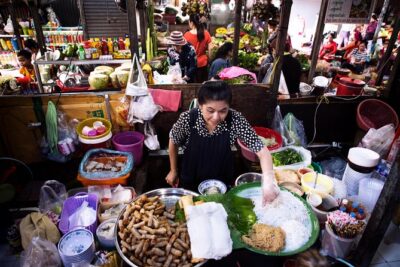
Phnom Penh’s Morning Market and Street Art Tour by Tuk tuk
Read our review →
Phnom Penh Morning Market & Food Tour by Tuktuk – Includes All Food & Drinks!
Read our review →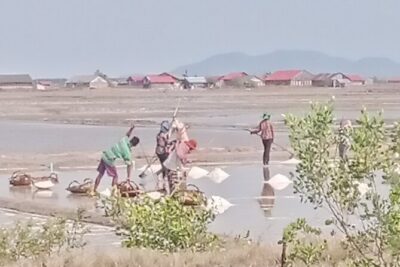
KAMPOT TRAVEL-Pepper farm. Cave.Secret lake-Crab market & Salt…
Read our review →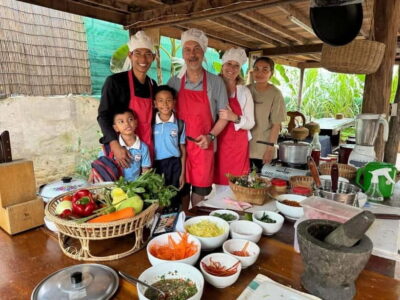
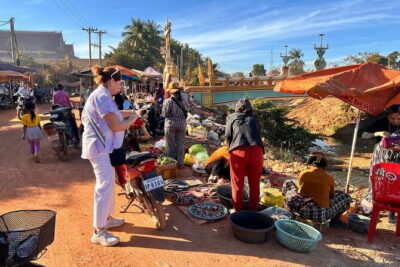
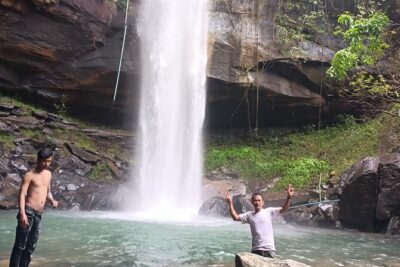
Full day Tour, Countryside, Pepper farm & Kep, crab market…
Read our review →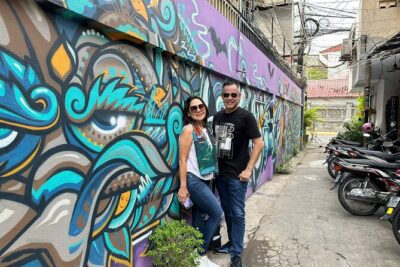
Browse the lists this tour appears in