
Review · NATIONAL PARKS
Phnom Penh & Kirirom National Park Birds Tour
Waking up early pays off. On this Phnom Penh and Kirirom birds tour, I love the sunrise starts and the way you target real birds, from Cambodian Tailorbird to Greater Racket-tailed, not a checklist of random stops. A big plus is Thong, your guide, who is the kind of professional who can locate birds by following their calls. The only catch is the birding is rated moderate, with some very tricky species, so you will need patience when the bird does not want to cooperate.
I also like that the group stays small, with a maximum of 8 people, so you get more attention when someone spots a clue. You’ll spend one night at a Chambok Community Based Ecotourism homestay, and you also get breakfast and lunch each day, which matters on tours that run long. One more thing that helps: the air-conditioned vehicle keeps the long travel days more manageable.
You’re moving through real habitats, like lotus fields, rice paddies, cultivated areas, and then into lowland broad-leaved and tropical moist forest in Kirirom. The photographic opportunities are good, but you should expect humid lowlands and occasional rain showers, and the walks are not heavy, they are steady.
In This Review
- Key Things That Make This Bird Tour Worth It
- Why This Phnom Penh Bird Tour Starts at 5:30am
- Day 1: Mekong Ferry to Chambok, Lotus Fields, and Rice-Paddy Birding
- Overnight at Chambok Community Based Ecotourism (Plus the One Fee You Should Know)
- Day 2 Sunrise in Kirirom National Park, Forest Bird Focus
- The Bird Species Targets: What 50 to 80 Means in Real Life
- Pace, Comfort, and What to Pack for Humid Lowlands
- Price and Value: Is $350 Fair for Two Days Like This?
- Who This Tour Suits Best
- Should You Book This Phnom Penh and Kirirom Birds Tour?
- FAQ
- What time does the tour start?
- How long is the Phnom Penh and Kirirom birds tour?
- What is the price per person?
- Is pickup included?
- What is included in the tour price?
- Are park or community entrance fees included?
- How many people are in the group?
Key Things That Make This Bird Tour Worth It
- Starts at 5:30am so you’re birding when activity is highest
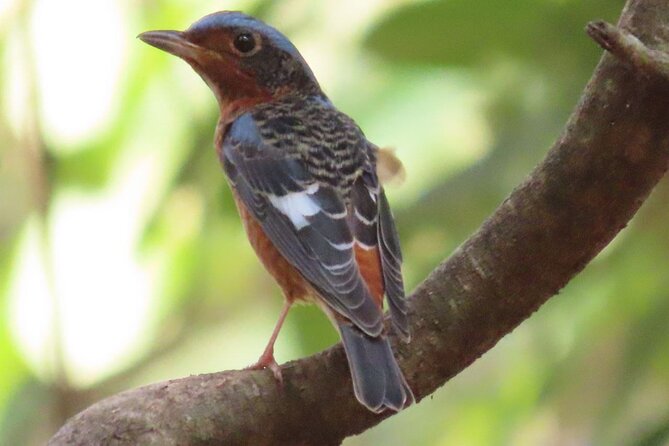
- 50 to 80 species across multiple habitats, from lotus to tropical forest
- Thong’s call-finding skills help with birds that are hard to spot visually
- Mekong ferry crossing and countryside driving add scenery without slowing birding time
- One-night homestay at Chambok Community Based Ecotourism keeps the trip grounded
- Photographic chances are strong, especially in sunrise light and quieter forest moments
Why This Phnom Penh Bird Tour Starts at 5:30am
On a birding trip in Cambodia, the first key decision is timing. This tour begins at 5:30am, which is early enough that you beat the heat and catch birds while they are more vocal and active. You’re not just hoping for sightings, you’re choosing conditions that make spotting more likely.
I also like that this early start fits the tour’s style. You’re covering a lot in two days, with long on-the-road stretches plus multiple walking sessions. Starting at dawn means you can still enjoy breaks like a real breakfast instead of eating something quickly and watching birds in harsh afternoon light.
If you’re the type who wants to roll out of bed at 9am and casually stroll, this won’t feel like your pace. But if you like the idea of being in the field while everything is fresh, this early morning structure is a major advantage.
More National Parks in Phnom Penh:
- Kirirom National Park Private Day Tour from Phnom Penh
★ 5.0 · 4 reviews - Kirirom National Park Multisport Adventure Inclusive of Meals and Accommodation
★ 5.0 · 3 reviews - Kampot Day Tour “Bokor National Park”
★ 5.0 · 82 reviews
Day 1: Mekong Ferry to Chambok, Lotus Fields, and Rice-Paddy Birding
Day 1 is built around countryside birding, and it starts with a ferry crossing of the Mekong River. That short change in scenery helps the day feel like more than a drive to a birding spot. It also sets the tone for the whole trip: you’re going where the birds are, including managed water landscapes where farmers grow lotus and paddy rice.
Once you arrive near a natural lake, you’re in a zone where farmland meets habitat. That mix is exactly what many bird species use for feeding and movement, especially birds that rely on open edges, shallow water, and the insect life around cultivated areas. You’ll also have time to walk at a manageable pace while you scan for targets.
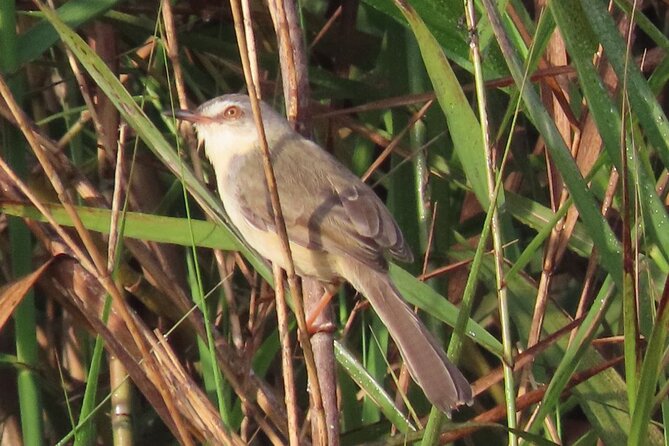
This tour’s list of potential species is broad, and it shows how varied Day 1 habitat can be. You might encounter birds tied to open water and edges, like Oriental Pratincole, and also smaller songbirds and perchers such as Asian brown flycatcher or Grey-headed canary flycatcher. The lotus and paddy setting is where you have a realistic chance to pick up both flashy colors and more subtle, harder-to-spot birds.
The best part of Day 1 is that it feels practical. You’re not just looking, you’re learning the rhythm of birding: look, listen, reposition, and then look again. With Thong leading, you’re guided toward birds that respond to sound cues, which is especially helpful when you’re aiming at species that can be tough to spot even when they are nearby.
Overnight at Chambok Community Based Ecotourism (Plus the One Fee You Should Know)
Your one-night stay at Chambok Community Based Ecotourism is part of what makes this tour feel real. Instead of spending two days only in vehicles and “activity zones,” you sleep in the local ecotourism area and you’re connected to the rhythm of the countryside around you.
You’ll get breakfast twice and lunch twice as part of the package. Dinner is not included, and there is also an entrance ticket fee at Chambok Ecotourism Community that is listed as 7 USD. So it’s not a surprise expense, but it is one you should plan for so you are not doing mental math late in the evening.
I like this setup because it helps you avoid the most common bird-tour problem: rushing through meals. When a tour feeds you properly, you can stay alert during the morning hours that matter most. Sunrise birding depends on you being awake enough to track movement and focus on call clues.
One more practical note. Since this is a homestay-style experience, keep your expectations grounded. You’re there to bird and support ecotourism, not to find a big resort setup. If that mindset fits you, the overnight becomes part of the value.
Day 2 Sunrise in Kirirom National Park, Forest Bird Focus
Day 2 shifts the habitat gear. You head to Kirirom National Park for sunrise birdwatching, then spend time walking at an easy pace. The emphasis here is on forest birds, which changes both what you see and how you search.
Forest birding has its own logic. In open fields, birds often give you more visual chances. In forest, you rely more on listening and on getting into the right line of sight as light filters through leaves. That’s why having an experienced local guide matters so much here, especially for birds that stay quiet or move low in the understory.
You may be able to pick up species such as Greater Racket-tailed, Forest wagtail, White-rumped Shama, and Red-whiskered Bulbul. These are not just random names either. They represent the kind of birds that use forest edges, mid-story perches, or movement corridors, which is why the walking route and pace matter.
Photography tends to be good on this day because sunrise light helps colors pop, and forest birds often get more active early. Still, expect moments where nothing happens for a few minutes, and then suddenly you get a burst of action. That rhythm is normal.
If you want the most out of Day 2, come ready to slow down. The walk is easy in physical terms, but mentally, you’ll do best if you treat it like a listening-and-scanning workout, not just a sightseeing stroll.
A different kind of day in Cambodia:
- The Killing Field and Toul Sleng Genocide Museum (S21) Tour
★ 5.0 · 1,977 reviews - Phnom Penh: Sunset Cruise with Unlimited Beers & BBQ Buffet
★ 4.5 · 727 reviews - Aroma Therapy Massage, Relaxation therapeutic aromatherapy oil massages.
★ 5.0 · 645 reviews - Killing field and Toul Sleng genocide museum Tour
★ 5.0 · 610 reviews
The Bird Species Targets: What 50 to 80 Means in Real Life
The tour talks about species from 50 to 80, which is a wide range. In practice, that range is a reminder that birding is weather and timing dependent. Humid lowlands with occasional rain showers can reduce visibility or silence some birds, even if you do everything right.
Still, what I like about this trip is the sheer spread of targets. You have birds listed that represent different feeding styles and places in the ecosystem, from water-edge birds to forest specialists. On the potential list you’ll see things like Collared kingfisher, Green bee-eater, Blue bearded bee-eater, and Common Flameback. There are also medium-sized and shy species that many birders actively search for, such as Black-naped Oriole and Black-naped Monarch.
Some names on the list are also a signal that the tour is not only for casual spotting. The difficulty is described as moderate, and it notes that some species are very tricky. That can be encouraging for beginners, because you’re learning how to find birds by call and how to interpret movement and habitat clues. It can also be frustrating if you expect instant views of every target.
Either way, you’ll likely walk away with more than a few photos. You’ll gain a mental map of where birds show up, how guide cues can point you to activity, and how quickly birding can turn from quiet to exciting.
Pace, Comfort, and What to Pack for Humid Lowlands
This is a two-day tour with long days, including big early starts and extended time outside. You should have moderate physical fitness, mainly because it involves walking sessions plus long stretches in a vehicle. The good news is the walking pace is described as easy, and you’re supported with an air-conditioned vehicle for travel segments.
Since the expected climate is humid in the lowlands with occasional rain showers, pack for wet weather even if the morning looks fine. A light rain layer, quick-dry clothing, and a small towel or wipe set can save your day. Also plan for early morning coolness that can quickly turn sticky once the sun climbs.
For bird photography, you’ll benefit from comfort more than fancy gear. If your camera setup is heavy, you’ll feel it during scanning sessions. If you’re using a phone camera, focus on steady bracing and be ready for quick reframes when birds move.
And here is a small sanity tip I follow on these tours. Wear footwear you trust for uneven ground around lakes and forest paths. If your feet feel good, you’ll scan longer and miss fewer opportunities.
Price and Value: Is $350 Fair for Two Days Like This?
At $350 per person for roughly two days, the price is not cheap. But you are also not paying for a vague “bird experience.” You’re paying for a full schedule with a local birding guide and local guide support, air-conditioned transportation, one night homestay, and meals (two breakfasts, two lunches). The guide skill matters here, and for bird tours, the guide is often the whole product.
You also benefit from a small group size, capped at 8. That matters when you’re trying to compare views, hear call cues clearly, and reposition without everyone getting lost or stuck behind someone else.
There are also practical touches you’ll appreciate, like pickup offered and a mobile ticket. And if you’re traveling with friends, there are group discounts listed, which can help you reduce the cost per person.
My way to judge value on tours like this is simple. If you’re serious about birds and you want a structured plan across habitats, you’re paying for time in the field plus local expertise plus meals and lodging. If you’re more casual and you mainly want scenery, you may find cheaper options in Cambodia. But for birders who want results and guidance, $350 starts to look like a reasonable package price.
Who This Tour Suits Best
This tour fits best if you want a guided, bird-focused Cambodia experience and you’re okay with early mornings. It is also a good introduction for beginners who want to learn how to locate birds using calls, not just eyes. Thong’s approach is designed for finding birds in real conditions.
It’s also a strong match for people who like photography and who understand that forest birding will include waiting. You’ll get opportunities, and sunrise helps, but you will not get a guarantee of perfect views of every listed species.
If you dislike waking up early, hate long days, or want only high-comfort, no-walking sightseeing, look elsewhere. This trip is structured for birding.
Should You Book This Phnom Penh and Kirirom Birds Tour?
Yes, if your main goal is birding with local expertise and you want a schedule that actually covers different habitats, from lotus and rice farmland to forest in Kirirom. The small group size, the homestay experience at Chambok, and the fact you are guided by Thong’s call-finding skills all point to a trip built for real sightings.
Wait if you need an ultra-relaxing pace, or you are the type who melts in humidity and rain without any flexibility. Also, if you are expecting the easiest possible birding, the moderate difficulty and the note about tricky species means you should come ready to work a little.
FAQ
What time does the tour start?
The start time is 5:30am.
How long is the Phnom Penh and Kirirom birds tour?
It runs for about 2 days.
What is the price per person?
The price is $350.00 per person.
Is pickup included?
Yes, pickup is offered.
What is included in the tour price?
It includes local birding guide and local guide, air-conditioned vehicle, one night homestay at Chambok Community Based Ecotourism, and meals (2 lunches and 2 breakfasts).
Are park or community entrance fees included?
No. The dinner and entrance ticket fee at Chambok Ecotourism Community are not included, and the listed entrance ticket fee is 7 USD. Dinner is also not included.
How many people are in the group?
The tour has a maximum of 8 travelers.
Newly listed around Phnom Penh
- The killing field and Toul Sleng Genocide museum (S21) Tour★ 4.5 · 19 reviews
- Watch Live Khmer Traditional boxing in Phnom Penh★ 5.0 · 46 reviews
- Udong Old Capital Tour★ 4.5 · 3 reviews
- S-21 Prison and Killing Fields★ 5.0 · 8 reviews
- Warm Stone Massage★ 5.0 · 23 reviews
- Private Taxi Between Phnom Penh – Siem Reap Stop Sightseeing★ 5.0 · 23 reviews
- Udong Historical Site Tour★ 5.0 · 8 reviews
- The Mekong Silk Island Guided Cruise (Private tour)★ 4.5 · 20 reviews
National Parks, compared.

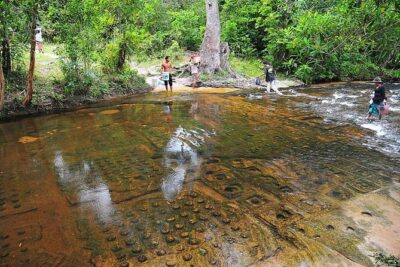
Phnom Kulen Waterfall National Park from Siem Reap
Read our review →

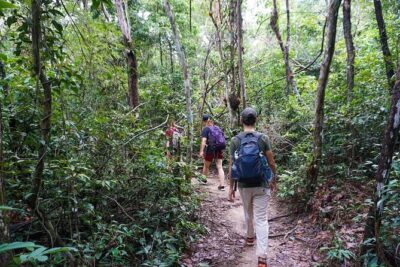
Jungle Trekking Tour at Phnom Kulen National Park from Siem Reap
Read our review →
Unveiling the Mystical Beauty of Phnom Kulen National Park
Read our review →
Phnom Kulen National Park & Beng Mealea Private Tour
Read our review →Browse the lists this tour appears in