Review · SIEM REAP TOURS
Siem Reap: 1-Hour Cambodian Buddhist Water Blessing
A quick ride, then you get blessed with water. The Cambodian Buddhist water blessing at Wat Arang Pagoda is a rare chance to see faith in action, not just on temple walls. I really like how you take part in the ritual, and how the English-speaking guide makes the process clear so the chants actually land.
The main consideration is simple: you may get soaked, especially if you choose the longer blessing style. Also, you might not have total control over which exact version you receive, so go in with an open mind and a plan to change into the sarong.
In This Review
- Key things I found most compelling
- Why this Buddhist water blessing feels different in Siem Reap
- Getting to Wat Arang Pagoda, plus a local market stop
- Arrival and first rules: sarong, offering, and where you fit in
- The monks’ chants, two blessing styles, and what actually happens
- Making sense of what you’re doing: Buddhism, animism, and the goal of cleansing
- Market visit and monastery grounds: what adds value beyond the water
- How good guides make or break the experience (and the names to note)
- Price and value: is $37 a fair deal?
- What to wear and pack so the ritual stays enjoyable
- Who should book this water blessing, and who might skip it
- Should you book the Siem Reap Cambodian Buddhist water blessing?
- FAQ
- Where does the water blessing take place?
- How long is the experience?
- How much does it cost?
- Is there more than one type of water blessing?
- Will I be provided with something to change into?
- Does the tour include a donation to the pagoda?
- Does it include transportation from my hotel?
- Is the tour guided in English?
- Is a market visit included?
Key things I found most compelling
- Wat Arang Pagoda ritual: a working pagoda setting, not a staged performance
- Two blessing styles: from light sprinkling to a longer water-poured ceremony
- Red wrist ties: a visible reminder of the blessing you received
- Market visit included: a local stop that adds real texture to the outing
- English guide support: protocol is explained, questions are welcome
- Photos and video time: your guide helps capture the moment so you can focus
Why this Buddhist water blessing feels different in Siem Reap
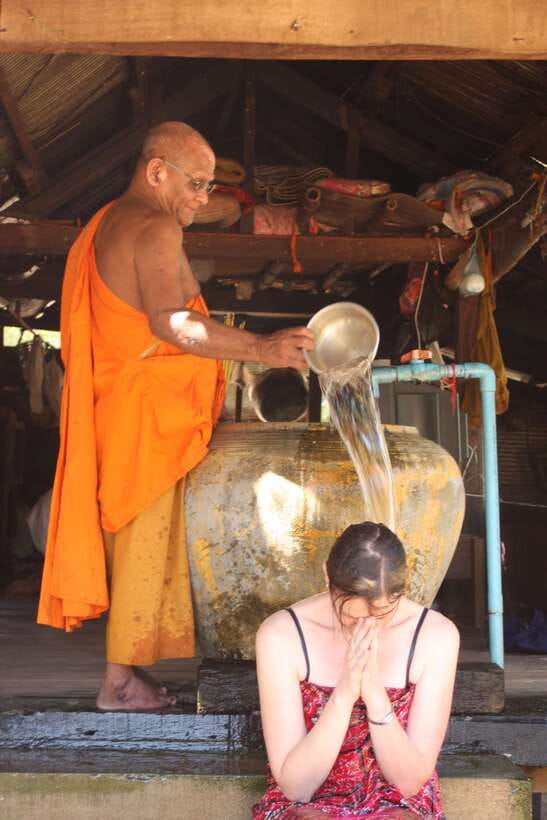
Siem Reap can pull you hard toward Angkor’s big stone moments. This experience gives you a softer counterweight. Instead of marching through ruins, you step into a real, functioning pagoda where monks chant, water is used with intention, and you participate in a tradition that locals live with, not just tourists photograph.
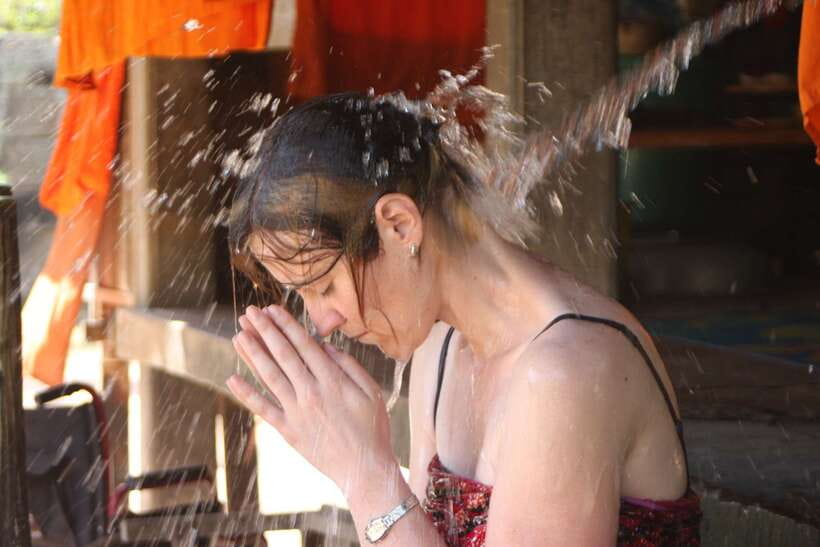
What makes it interesting is how active you are. You are not only watching. You change into a sarong, you follow simple ritual steps, and you receive the blessing directly, either as a light sprinkling during chanting or as a longer poured-over-head rite with vessels of blessed water.
And yes, it’s spiritual, but it also feels practical. Water is cooling in the Siem Reap heat, and the whole ritual has a grounding rhythm: listen, sit, offer, receive, then walk away with your wrist tied and your mind a little quieter.
Others in Siem Reap worth putting side by side:
- Angkor Wat Sunrise or Sunset Tour with Guide from Siem Reap
★ 5.0 · 12,109 reviews - Siem Reap: Angkor Wat: Small-Group Sunrise or Sunset Tour
★ 5.0 · 9,444 reviews - From Siem Reap: Kampong Phluk Floating Village Tour by Boat
★ 4.9 · 6,979 reviews
Getting to Wat Arang Pagoda, plus a local market stop
Most of the day is built around one goal: get you from your hotel to the pagoda, then keep the outing smooth and understandable.
You’ll have hotel pickup at the scheduled time, and transfer is included. A tuk-tuk is part of the plan, which is exactly the right match for this kind of short, focused experience. It keeps the trip feeling casual, and it also helps you get out of the center of town without turning the day into a long slog.
On the way in, and as part of the full experience, there’s a market visit included. This is more useful than it sounds. Cambodia markets are not just where people buy souvenirs. They are where locals get food and daily supplies, and that context makes the monastery visit feel less like an isolated island. One guide also takes extra time during this portion to point out what people are buying, from everyday ingredients to small items like gold. You’ll come away knowing what you actually saw, not just that you passed a market.
Arrival and first rules: sarong, offering, and where you fit in
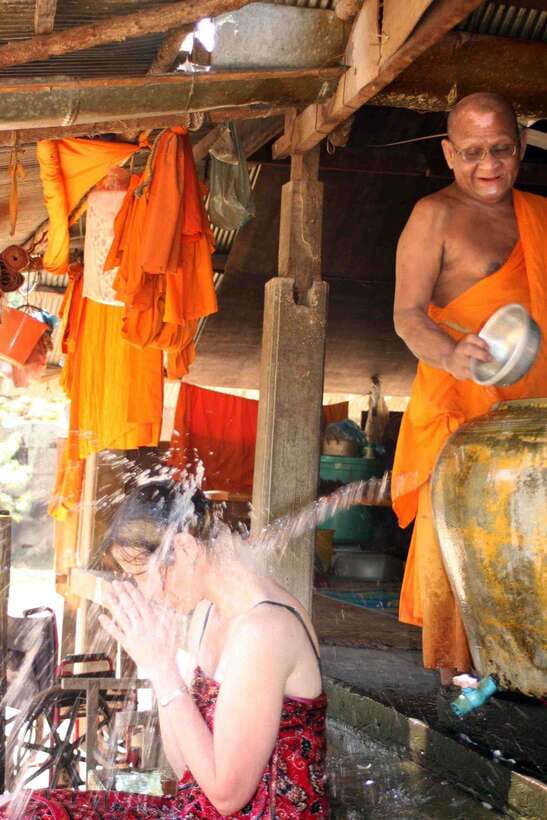
At Wat Arang Pagoda, the ritual is designed around clear instructions. This matters in a temple setting. If you show up unsure, it’s easy to feel awkward. If you show up knowing what comes next, it’s calmer and more respectful.
You will be guided through the basic protocol, and you’ll be given a sarong to change into so your clothing stays dry. The pagoda portion also includes a donation. In practice, you’ll likely make a small offering as part of the ceremony flow, with the overall donation to the pagoda handled as part of the tour.
From a comfort standpoint, I appreciate that the ritual gives you a way to participate without showing up in the wrong clothing or with the wrong expectations. And from an experience standpoint, it means you can pay attention to the chanting, the water, and the guide’s explanations instead of worrying about logistics.
The monks’ chants, two blessing styles, and what actually happens
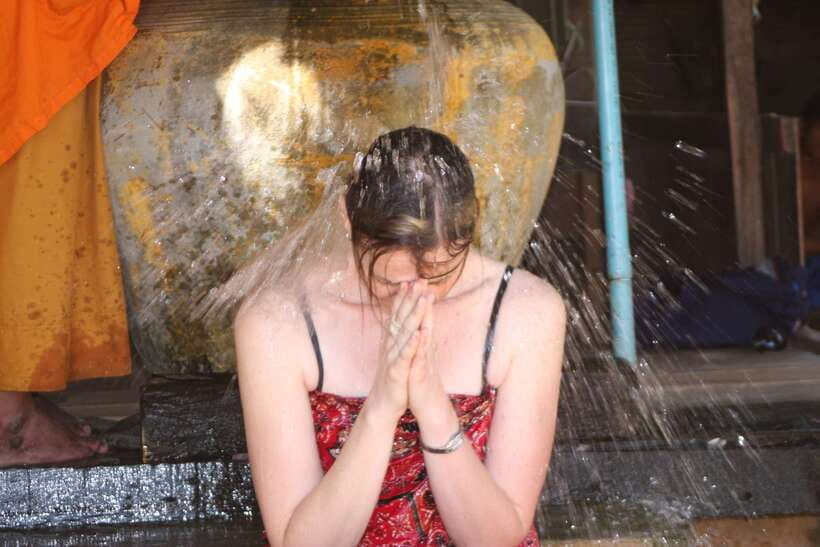
This is the heart of the day. The water blessing is built around monks chanting together. The first style begins with harmonious chanting, with wishes for good luck, safe travel, and a long life. During this style, the water is used with a light sprinkling.
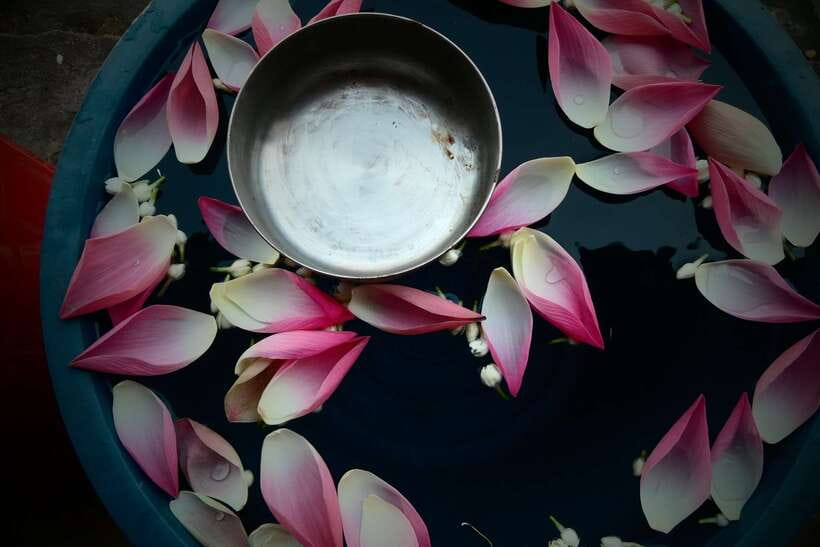
The second style is the longer, more intense ritual. Blessed water is poured over your head while monks chant. If you pick this version, you’ll want to take it seriously as a full ritual, not a quick splash. The tour provides a sarong to keep your clothing dry, and you’ll follow along with the monks’ pace.
At the end, your wrist is adorned with special red ties that signify the blessing performed. It’s a small detail, but it’s also meaningful because it’s visible. You’ll be able to remember the day without needing photos to explain it.
One more practical point: the soundscape can be real. During the longer or more water-heavy moments, the noise of water can make chanting harder to hear clearly. That doesn’t ruin the experience, it just means you should let the ritual be something you feel and witness, not something you strain to interpret word-for-word.
A different kind of day in Cambodia:
- Sunset tour of Kampong Phluk stilts home village on the Tonle Sap
★ 5.0 · 4,865 reviews - Siem Reap: Angkor Wat 2-Day Tour with Sunrise and Sunset
★ 4.9 · 4,429 reviews - Siem Reap: Kampong Phluk Floating Village Tour with Boat
★ 4.9 · 3,843 reviews - Siem Reap: Full-Day Angkor Wat Guided Tour with Sunset
★ 4.9 · 3,803 reviews
Making sense of what you’re doing: Buddhism, animism, and the goal of cleansing
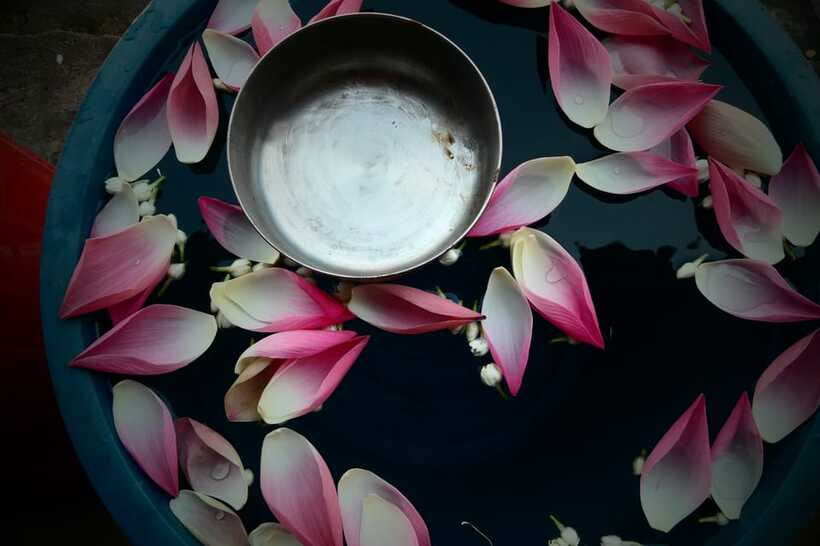
Here’s where the guide really matters. The monks chant, but the ceremony also has a “why” behind it, and your English-speaking guide helps you understand it as you go.
In conversations during the visit, many people connect the ritual to Cambodian spiritual life beyond strict chanting translations. Some guides explain how practices related to animism and the idea of the soul or spirit can sit alongside Buddhist observances. One common takeaway is that the ceremony feels like cleansing and well-being, not a push to convert anyone.
If you’re the type who likes context, this is the sweet spot. You can ask questions and you can get answers that tie together Cambodian beliefs, how monks live in a monastery, and why water is used in this way.
Also, it helps to know that monks involved in such blessings can be older and experienced. You might hear that the water blessing role is typically reserved for monks with years of experience, not someone stepping in for the first time.
Market visit and monastery grounds: what adds value beyond the water
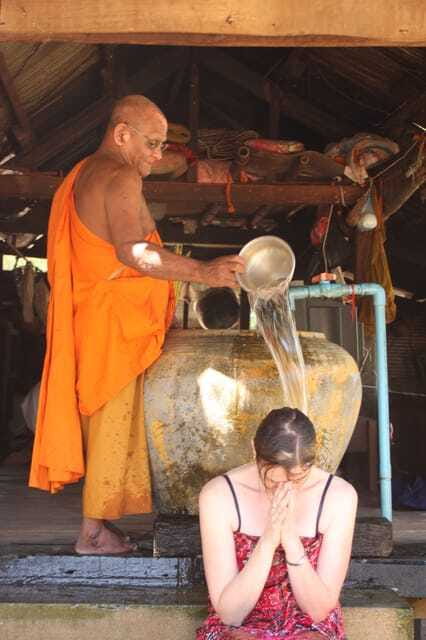
The water blessing is the headline, but don’t skip the “in-between” parts. The market stop and the time at the pagoda grounds help the day feel like more than a single moment.
In the pagoda setting, guides often walk you around and explain how the monastery functions. You might see parts of the grounds used for daily practice, and you’ll likely learn the basics of how monks support their life at the temple and the role the temple plays for older people and those who need assistance.
This matters because it changes how you feel after the ceremony. Instead of thinking, I did a ritual, it becomes, I met the living place behind the ritual. That shift is why the activity keeps getting such high marks.
How good guides make or break the experience (and the names to note)
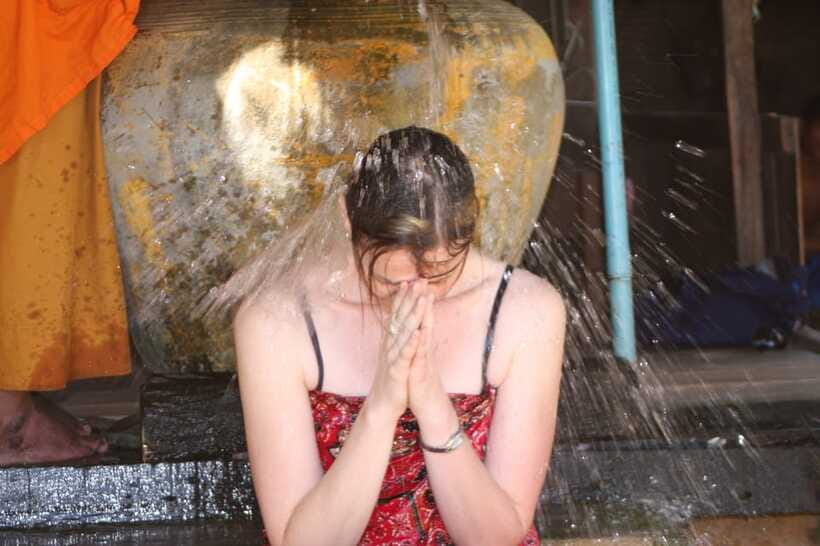
This kind of ceremony lives or dies on guidance. You don’t need a lecturer, but you do need clarity: when to sit, when to offer, how to respond, and what not to do.
In the best versions of this tour, the guide has real communication skill and a calm, funny confidence. Some guides have backgrounds tied to monastic life earlier in their years, which shows in the way they answer questions. Two names that come up often are Mr. Sokha and Lee. You’ll hear about them because they’re the type of guides who explain the process right before it starts and then stay engaged after, including talking to the monk and translating what the monk shares.
Another consistent plus: guides take photos and videos while you’re being blessed. That’s not just convenience. It helps you stay present. One of the hardest parts of rituals is people trying to film every second. Having someone else handle it lets you actually participate.
If you do one thing to improve your trip, do this: ask your guide what the wrist ties symbolize for the tradition you’re seeing, and ask what the two blessing styles are meant to accomplish in daily spiritual terms.
Price and value: is $37 a fair deal?
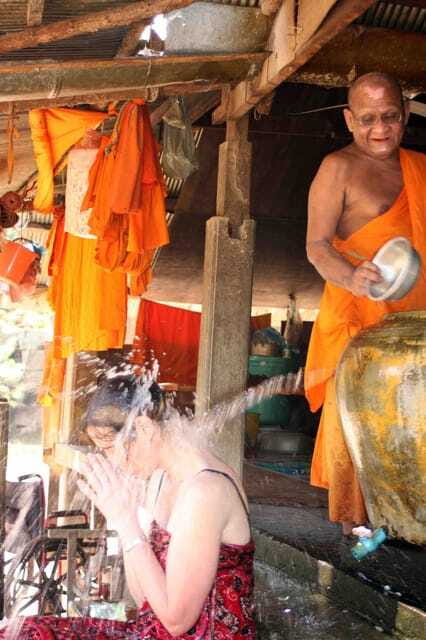
At $37 per person for about 2 hours, the price looks modest compared to big, full-day temple tours. The value comes from what’s included, not from flashy extras.
Here’s what you’re getting with your ticket:
- An English-speaking guide who explains the ritual and protocol
- Tuk-tuk transfer and hotel pickup
- Sarong provided for changing
- Donation to the pagoda included
- Market visit included
That combination matters. You are paying for access, cultural context, and a guided ceremony where you can participate properly. You’re also getting a transfer that saves you the hassle of figuring out how to reach the pagoda area on your own.
Is it perfect value for everyone? Not always. Some people feel it’s expensive for the amount of time spent in the ceremony itself. If you’re expecting a long, detailed “teach me everything about Buddhism” class, this may not satisfy. But if you want a short, meaningful ritual you can actually take part in, $37 can feel very reasonable.
What to wear and pack so the ritual stays enjoyable
Because water is part of the blessing, your outfit choices matter. You’ll change into a sarong provided by the tour, which helps a lot. Still, I recommend thinking like this: you might end up wetter than you expect.
Practical packing tips based on what people report:
- Bring extra underwear, just in case you get drier faster
- If you have long hair, a towel can help, and you might even want a small one you can keep for after
- Wear clothes you can live without worrying about if you get damp
- Keep your phone and camera secure, since the guide will often take photos, you don’t need to hold gear through the main moments
Also, don’t overthink modesty. The sarong system is there to keep you comfortable and respectful in the ceremony space.
Who should book this water blessing, and who might skip it
This is a great fit if:
- You want something spiritual that still feels grounded in everyday life
- You’re tired of only seeing ruins and want a living practice
- You like guided interpretation so you can understand what you’re doing
- You enjoy small moments with big meaning, especially when a guide helps you ask questions
It might not be the best fit if:
- You hate getting wet and you don’t want to deal with water at all
- You’re strict about choosing which blessing style you receive, since the ritual may not always be something you can pick
- You prefer very long tours with lots of walking and multiple stops, because this is designed to be short and focused
Should you book the Siem Reap Cambodian Buddhist water blessing?
If your goal in Siem Reap is balance, I’d book it. This is one of those activities that can reset your day. The ritual is simple enough to follow, guided enough to feel comfortable, and powerful enough to stay in your memory.
My rule of thumb: if you can handle the idea of getting splashed and you’re open to learning while you participate, you’ll likely leave feeling calmer and more connected to Cambodian spiritual life than you were before.
Quick decision checklist:
- Want a living ceremony in a working pagoda? Book it.
- Like guides who explain the meaning, not just the logistics? Book it.
- Expect a long classroom lesson? You might want something else.
If you do book, go in with one clear intention: be present during the chanting and water moments. Let the guide handle the rest, and let the wrist ties be your reminder when the day turns back into regular sightseeing.
FAQ
Where does the water blessing take place?
The blessing takes place at Wat Arang Pagoda in the countryside just south of Siem Reap, in Siem Reap Province.
How long is the experience?
The tour duration is listed as 2 hours total, with the water blessing itself described as a 1-hour experience.
How much does it cost?
The price is $37 per person.
Is there more than one type of water blessing?
Yes. There are two blessing styles described, one with chanting and a light sprinkling of water, and a longer ritual where vessels of blessed water are poured over your head.
Will I be provided with something to change into?
Yes. You’ll be provided a sarong to change into so your clothing remains dry.
Does the tour include a donation to the pagoda?
Yes. A donation to the pagoda is included.
Does it include transportation from my hotel?
Yes. Pickup is included from your hotel, and tuk-tuk transfer is also included.
Is the tour guided in English?
Yes. The tour includes an English-speaking, live guide.
Is a market visit included?
Yes. A market visit is included as part of the experience.
Newly listed around Siem Reap
- Sambor Prei Kuk Off Beaten Track★ 5.0 · 3 reviews
- Siem Reap Airport Taxi Transfer – City Center Hotels★ 5.0 · 5 reviews
- Short Cycling at Countryside★ 5.0 · 29 reviews
- Unveiling the Mystical Beauty of Phnom Kulen National Park★ 5.0 · 6 reviews
- Angkor Wat at Sunrise★ 4.0 · 7 reviews
- Bakong Temples & Floating Village Tour★ 4.5 · 3 reviews
- Rooftop Romantic Dinner – 4 Courses Set Meal & Wine★ 3.5 · 5 reviews
- Khmer Cooking Class in Cambodia★ 5.0 · 36 reviews
Siem Reap Tours, compared.
Angkor Wat Sunrise or Sunset Tour with Guide from Siem Reap
Read our review →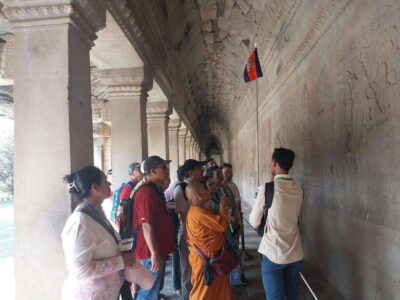
Angkor Wat: Small-Group Sunrise or Sunset Tour
Read our review →
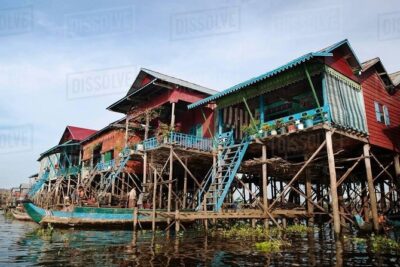
Sunset tour of Kampong Phluk stilts home village on the Tonle Sap
Read our review →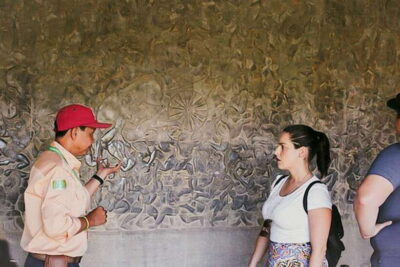
Angkor Wat 2-Day Tour with Sunrise and Sunset
Read our review →
Kampong Phluk Floating Village Tour with Boat
Read our review →