
Review · MUSEUMS
Siem Reap: Angkor National Museum Admission Ticket
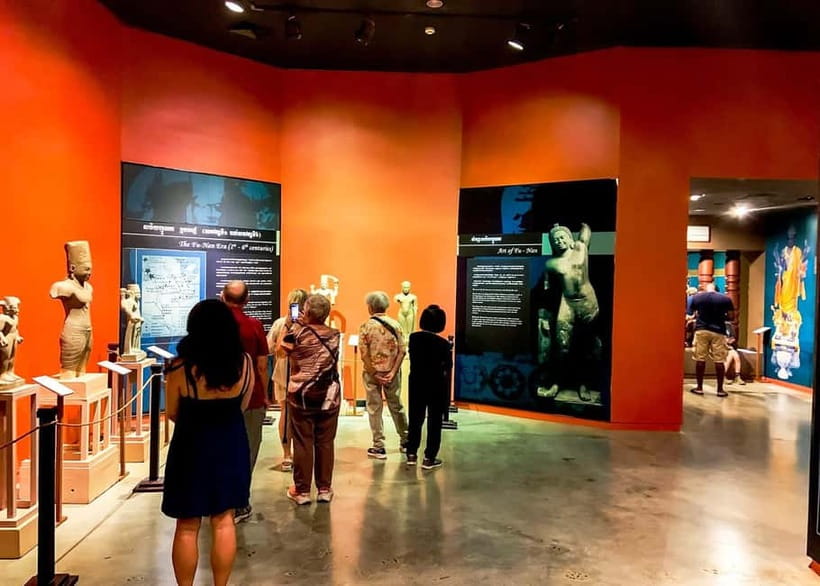
One ticket, eight galleries, big context. This admission ticket for the Angkor National Museum in Siem Reap is interesting because it helps you connect the Angkor ruins to the Khmer people behind them, in a way a temple visit alone cannot. I especially like the self-paced format, and I love the chance to see over a thousand Buddha statues along with ancient inscriptions and artifacts.
Your biggest heads-up is cost creep: the audio guide is not included with the $15 ticket, and you may need to pay about $5 for it on site.
In This Review
- Key Highlights You’ll Feel Right Away
- Angkor National Museum Admission, What You Really Get in Siem Reap
- Planning Your Museum Time Across Eight Galleries
- The Heart of the Museum, 1,000+ Buddha Statues and Relics
- Khmer Empire Through Inscriptions and Wall Text (The Part You Should Actually Read)
- Audio Guide Options, How to Decide Without Wasting Money
- Getting There and Museum Day Essentials You’ll Be Glad You Brought
- Price and Value, Is $15 a Smart Use of Your One Day?
- Should You Book This Angkor National Museum Ticket?
- FAQ
- How much is the Angkor National Museum admission ticket in Siem Reap?
- How long is the ticket valid for?
- Does the admission ticket include an audio guide?
- Can I skip the ticket line?
- What do I need to provide to receive the ticket before my visit?
- What should I bring, and what is not allowed?
Key Highlights You’ll Feel Right Away
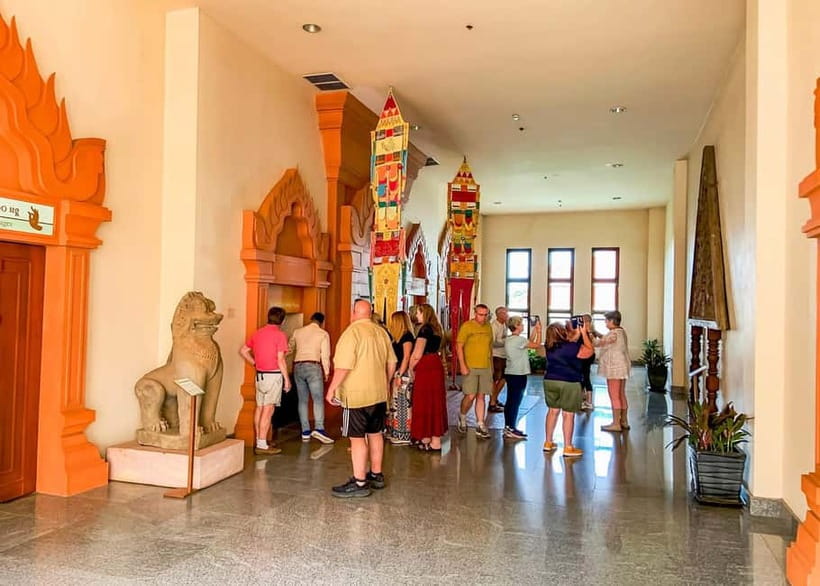
- Skip the ticket line, so you lose less time to queues and more time inside
- Eight galleries that trace the evolution of Khmer art, culture, and religion
- Over a thousand Buddha statues, plus artifacts excavated from Angkor sites
- Ancient inscriptions that turn the exhibits from pretty to meaningful
- Audio guide available for an extra fee, which can help you read faster and understand more
- Wheelchair accessible with a simple on-your-own visit setup
Angkor National Museum Admission, What You Really Get in Siem Reap
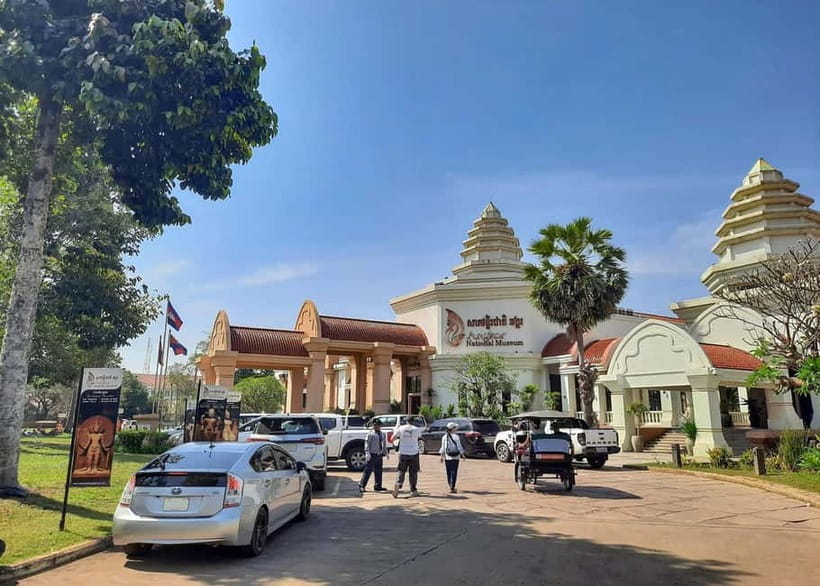
At $15 per person, this is a straightforward deal: you pay for entry to one of the best places in Siem Reap to understand what you are seeing at Angkor. The museum is built for people who want context. Not a guided lecture. Not a rushed walk. Just access to the galleries, so you can set your own pace.
The value is mostly about time and focus. If you go to Angkor’s temples without any background, you can still admire the stonework, but you might miss the cultural “why” behind it. Here, you get a chance to slow down, look closely, and piece together themes like religion, artistic style, and how the Khmer Empire expressed power through art and architecture.
You also start with a practical win: skip the ticket line. That matters in Siem Reap, because efficient museum entry can turn into a smoother day around your temple schedule. And since the ticket is valid for one day, you can build your museum visit around the rest of your itinerary instead of forcing your temples into a museum-friendly slot.
More Museum Visits in Siem Reap
- Bantey Srei, Kbal Spean and Landmine museum Private Tuk-Tuk
★ 4.7 · 30 reviews - Private Tour: HERO Rats & Angkor National Museum
★ 4.5 · 16 reviews - War Museum, Killing Field and Floating village ( Chong Kneas) Tour
★ 5.0 · 14 reviews
Planning Your Museum Time Across Eight Galleries
This is a one-day, self-guided admission. That means there’s no fixed itinerary to follow. Instead, your job is to make a smart loop through the museum’s eight galleries.
A good way to plan is to decide how you like to travel through museums:
- If you like a “read the main panels, check the best statues, move on” pace, aim for around 1.5 to 2 hours.
- If you want to take your time with exhibits, expect closer to 3 hours.
This range is not random. People often spend about 1.5 to 2 hours when they use the audio guide, and they go past 3 hours when they slow down and read more of the wall text. So yes, the museum can flex with your style.
One smart tactic: don’t try to “finish everything” in one go. Choose a few themes as you walk. For example, you can focus on religious objects and inscriptions first, then use the later galleries to connect art style and cultural change. Since the museum is organized by the evolution of Khmer art, culture, and religion, your brain will do less guessing if you keep one thread in mind.
Drawback? Self-paced also means you need to do a little thinking. If you normally rush museums, you might walk through too quickly and miss what makes the exhibits special. Going slower is where this ticket pays off.
The Heart of the Museum, 1,000+ Buddha Statues and Relics
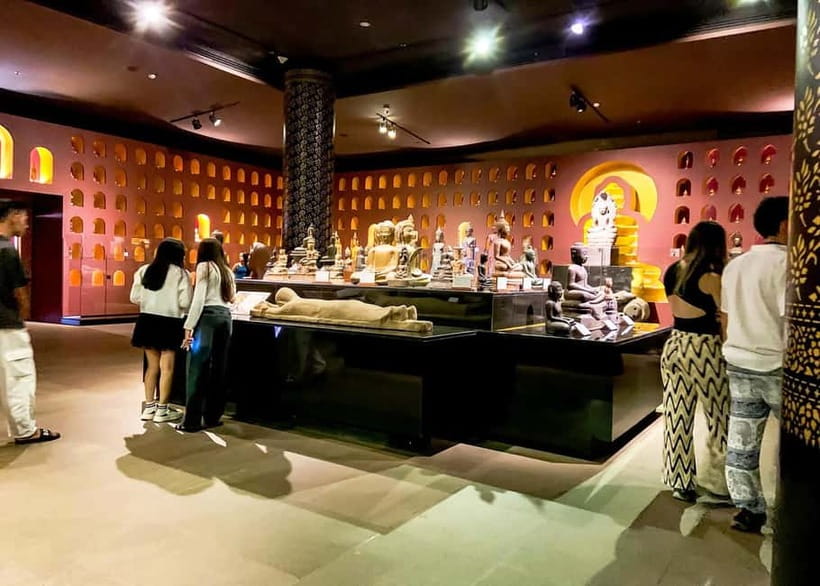
The headline you should expect is the collection of over a thousand Buddha statues. That number alone is impressive, but the more useful part is how it changes your perspective. When you see so many versions of the Buddha in one place, it becomes harder to treat temple carvings as isolated decorations. You start noticing patterns, variations, and what different styles might suggest about different periods of Khmer history.
And it is not just statues on display. The museum also features artifacts and items excavated from Angkor’s archaeological sites. That matters because it turns the Angkor story from “ancient stones in the jungle” into a lived cultural world with materials that were found and studied, then organized into an exhibit that you can understand through labels and layout.
If you are the type who loves hands-on feeling from museums, you may enjoy the fact that the relics look well-preserved and clearly presented. If you are more of a “I want meaning, not just objects” person, you will probably appreciate how the statues connect to inscriptions and cultural themes in later rooms.
Khmer Empire Through Inscriptions and Wall Text (The Part You Should Actually Read)
Here is the not-so-glamorous truth that makes a big difference: the museum boards matter. People tend to remember the statues, but the information boards on the walls are what tie the whole story together.
The museum includes ancient inscriptions, and this is one of those “small detail, big payoff” elements. Inscriptions help explain why certain artifacts matter and how the Khmer Empire communicated identity, belief, and history. Even if you do not read every line, scanning inscriptions and context panels can make your later temple visit feel more legible.
This is also where the eight galleries earn their keep. They are set up to show the evolution of Khmer art, culture, and religion. In practice, that means you can use your walking path like a timeline, at least in spirit. If you start with one style or theme and then move into the next gallery, you can see how the museum wants you to understand change over time.
If you tend to skip text panels because you think they will be dry, give them a fair chance here. The museum is built so the text is worth your attention, not just filler.
A different kind of day in Cambodia:
- Angkor Wat Sunrise or Sunset Tour with Guide from Siem Reap
★ 5.0 · 12,109 reviews - Siem Reap: Angkor Wat: Small-Group Sunrise or Sunset Tour
★ 5.0 · 9,444 reviews - From Siem Reap: Kampong Phluk Floating Village Tour by Boat
★ 4.9 · 6,979 reviews - Sunset tour of Kampong Phluk stilts home village on the Tonle Sap
★ 5.0 · 4,865 reviews
Audio Guide Options, How to Decide Without Wasting Money
No tour guide is included with this ticket. That can sound like a downside, but for the right visitor it is freedom. Still, you might want extra help interpreting the exhibits.
The audio guide is available, but it comes with an extra charge. In other words, your $15 ticket is entry only. If you want narration, you should plan on paying around $5 for the audio guide device when you arrive.
Should you get it? I think it depends on how you read:
- If you like museum visits where you look at objects and also want explanations without stopping to read every panel, the audio guide can make your visit smoother and may save time.
- If you enjoy reading labels and learning at your own pace, you can skip the audio guide and still get a lot from the information boards.
Either way, do not treat this museum as a race. The people who enjoy it most are the ones who slow down. The audio guide helps, but it cannot replace your eyes on the artifacts.
Getting There and Museum Day Essentials You’ll Be Glad You Brought
This is an on-your-own visit. The museum ticket does not include pickup or drop-off, so you are responsible for arranging your own transportation. That is normal for many Siem Reap museum tickets, but it is the kind of detail that affects your day planning.
Before you head over, make sure you have the practical items that will prevent annoyances mid-visit. You will want:
- Comfortable shoes (you will likely spend a lot of time on your feet)
- Comfortable clothes (plan for warm indoor conditions)
- A camera (the statuary and inscriptions are worth photographing)
- Cash (bring it, since the audio guide and any on-site needs can require it)
Also keep in mind:
- Pets are not allowed
- Alcohol and drugs are not allowed
One more real-world detail: you must provide a WhatsApp number to receive the ticket before the visit. After booking confirmation, the operator will contact you to reconfirm. Use a number you can actually reach on the day you plan to go, and make sure you have messaging access.
Finally, note that the museum is wheelchair accessible. If mobility is part of your planning, you should feel comfortable choosing this kind of museum visit because the layout is designed to be accessible.
Price and Value, Is $15 a Smart Use of Your One Day?
Let’s talk value without hype.
For $15, you are buying admission to a museum that focuses on Khmer art, culture, and religion, and does it through objects tied to Angkor. If your plan is mostly temple hopping, this museum is a cost-effective way to add depth.
In my view, the museum is worth it when:
- You want to understand what you are seeing at Angkor Wat, not just photograph it
- You like museums where you can go at your own pace
- You enjoy reading context and seeing religious art in a historical framework
It is less worth it if:
- You only want a quick stop and you do not plan to look at inscriptions or panels
- You are already planning to hire a full guide and prefer not to add any museum stops
And remember the potential add-on. The audio guide is extra, so your total spend might climb slightly if you choose it. Still, even with the audio guide, the overall cost is likely to feel reasonable compared with a guided learning experience, especially since you still control the pace.
Should You Book This Angkor National Museum Ticket?
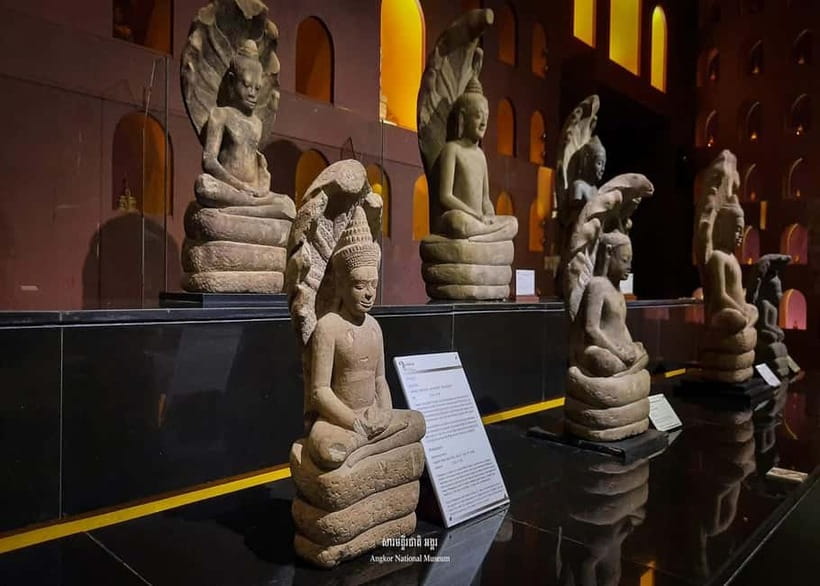
Book it if you want a smarter Angkor day. This ticket is one of the easiest ways to get context without locking yourself into a tour schedule. The combination of 1,000+ Buddha statues, ancient inscriptions, and galleries arranged around the evolution of Khmer art and religion makes it ideal for travelers who want meaning, not just scenery.
Skip it only if you are certain you will rush and ignore most of the wall text. This museum rewards attention. If you are the type who enjoys slowing down, taking notes, and reading a bit, you will come away with a clearer understanding of the Khmer world behind the stone temples.
FAQ
How much is the Angkor National Museum admission ticket in Siem Reap?
The price is $15 per person.
How long is the ticket valid for?
The ticket is valid for 1 day.
Does the admission ticket include an audio guide?
No. An audio guide is not included. You may be able to rent it on site for an additional fee.
Can I skip the ticket line?
Yes, this option includes skipping the ticket line.
What do I need to provide to receive the ticket before my visit?
You must provide a WhatsApp number so the ticket can be sent to you before the visit.
What should I bring, and what is not allowed?
Bring comfortable shoes, a camera, comfortable clothes, and cash. Pets are not allowed, and alcohol and drugs are not allowed.
Newly listed around Siem Reap
- Sambor Prei Kuk Off Beaten Track★ 5.0 · 3 reviews
- Siem Reap Airport Taxi Transfer – City Center Hotels★ 5.0 · 5 reviews
- Short Cycling at Countryside★ 5.0 · 29 reviews
- Unveiling the Mystical Beauty of Phnom Kulen National Park★ 5.0 · 6 reviews
- Angkor Wat at Sunrise★ 4.0 · 7 reviews
- Bakong Temples & Floating Village Tour★ 4.5 · 3 reviews
- Rooftop Romantic Dinner – 4 Courses Set Meal & Wine★ 3.5 · 5 reviews
- Khmer Cooking Class in Cambodia★ 5.0 · 36 reviews
Museums, compared.
The Killing Field and Toul Sleng Genocide Museum (S21) Tour
Read our review →
Killing field and Toul Sleng genocide museum Tour
Read our review →
Private Half Day To Killing Field & S21 Genocidal Museum in Phnom Penh
Read our review →
Tuol Sleng Genocide Museum (S-21) and Choeung Ek Killing Fields Tour
Read our review →
Phnom Penh City Tour, Silver Pagoda, Genocide Museum, Killing Fields
Read our review →
Bantey Srei, Kbal Spean and Landmine museum Private Tuk-Tuk
Read our review →The killing field and Toul Sleng Genocide museum (S21) Tour
Read our review →
Private Tour: HERO Rats & Angkor National Museum
Read our review →Browse the lists this tour appears in