
Review · FLOATING VILLAGE TOURS
Siem Reap: Tonle Sap Lake – Fishing Village & Flooded Forest
Tonle Sap moves with the seasons. I love the Kampong Phluk boat cruise and the way you can watch flooded forest life tied to fishing and farming, not a scripted performance. The main catch: if you travel during very low-water periods, some areas may be harder to access, so you might get more views than up-close village moments.
This tour works because the route is paced like a real day in the countryside. I like how the local English-speaking guides, including people like Sargon Pal and Chhay in past groups, explain what you are seeing and why it matters, from fish spawning to daily work. You also get practical stops that connect the lake to food, markets, and community routines.
One more consideration: this is not built for wheelchair users, and there is walking along the way. If you prefer zero walking and zero boat time, this may feel like too much, even though it is only a 4-hour half-day.
In This Review
- Key highlights you will actually care about
- Tonle Sap’s wet and dry swing, why this tour feels different
- The 4-hour flow, what your day looks like from pickup to return
- First countryside stop and Khmer snack time, how the food connects to the lake
- Kampong Phluk by boat cruise, the stilt houses and working life
- Flooded forest canals and the slow wildlife window
- The river boat segment, why there is a little extra water time
- Back roads on the way home, agriculture and aquaculture in action
- Buddhist monastery stop, when it fits into the season
- Price and value of about $45 for 4 hours
- Who this Tonle Sap village and flooded forest tour suits best
- Practical tips so your half-day feels easy
- Should you book Tonle Sap: Fishing Village and Flooded Forest?
- FAQ
- How long is the Tonle Sap Lake fishing village and flooded forest experience?
- Do I get to choose a morning or afternoon departure?
- Where is pickup and drop-off located?
- What is included in the tour price?
- What is not included?
- What language is the guide?
- Is a Buddhist monastery visit included?
- Is this tour wheelchair accessible?
- What are the cancellation and payment options?
Key highlights you will actually care about
- Kampong Phluk stilt villages by boat: three small fishing villages, approached at water level with a slow cruise
- Flooded forest canals with flora and fauna: you travel through the watery “roads” where people work
- UNESCO biosphere reserve context: Tonle Sap was classified as a biosphere reserve in 1997
- Seasonal agriculture and aquaculture sights: cricket catching, rice planting and harvesting, smoking fish, fish paste making, duck farming
- Food-focused rural market stop: Khmer snacks and local vegetables show up as part of the day
- Buddhist monastery stop with timing: suggested between the end of July and early March
Tonle Sap’s wet and dry swing, why this tour feels different
Tonle Sap Lake is not a static place. It changes size dramatically, swelling to about 12,000 km² in the wet season, then shrinking to around 2,500 km² during the dry half of the year. That shift is the whole reason this area feels so alive, because people and wildlife are responding to a calendar, not just a view.
The lake is also described as one of the world’s most productive freshwater ecosystems. When the seasons flip, millions of fish move to spawn, and that cycle draws water birds, plus the people who build their livelihoods around the lake’s rhythms. This is why the flooded forest area matters: during the flood, it becomes an important spawning and feeding environment.
On this tour, you are not just sightseeing. You are watching a system work, from homes that connect to the water level, to agriculture and food activities that only make sense with the lake in motion.
More floating village trips in Siem Reap:
- From Siem Reap: Kampong Phluk Floating Village Tour by Boat
★ 4.9 · 6,979 reviews - Sunset tour of Kampong Phluk stilts home village on the Tonle Sap
★ 5.0 · 4,865 reviews - Siem Reap: Kampong Phluk Floating Village Tour with Boat
★ 4.9 · 3,843 reviews
The 4-hour flow, what your day looks like from pickup to return
Most tours like this promise a “half-day experience,” but the real value is the pacing. Here, you start with hotel pickup in Krong Siem Reap and head out by air-con van. You then move from countryside stops into the Tonle Sap area, before returning to town later in the half-day window.
Expect two main movement modes: van travel on back roads, then a boat-based section for the lake villages. There is also a guided walk at the start of the experience, and more walking while you explore the flooded forest village area.
Two small practical notes help set expectations. First, the departure can be morning or afternoon, which means the light and the day’s activity level may vary. Second, the total duration stays around 4 hours, so you will want to show up rested and ready, not squeezed in right after another tour.
First countryside stop and Khmer snack time, how the food connects to the lake
Before you even reach the boat, you get a guided visit and a short walk, about 25 minutes. This is the “warm-up” part of the day, and it matters because it sets up how you should interpret everything that comes later.
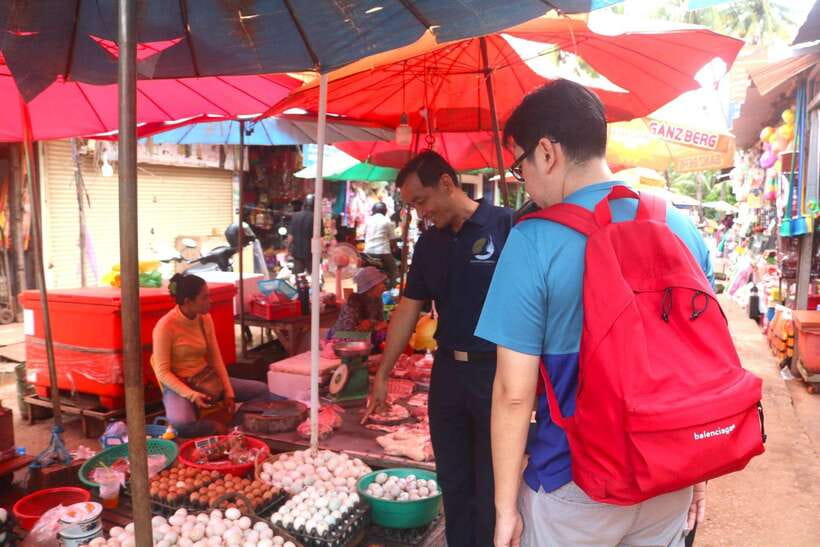
You will be shown Khmer snacks and you can explore a local village stop that ties into more rural markets. The highlight here is not fancy dining. It is the simple logic of local food, especially vegetables and everyday items that support life around the lake.
I like this approach because it stops the day from feeling purely scenic. When you later see aquaculture-related work around fishing villages, it is easier to understand how the food system fits the ecosystem, rather than treating everything as disconnected photos.
Kampong Phluk by boat cruise, the stilt houses and working life
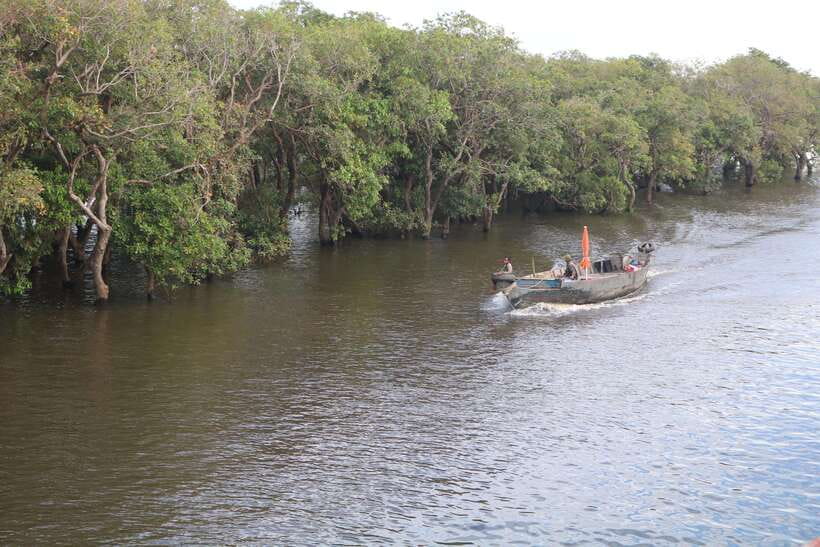
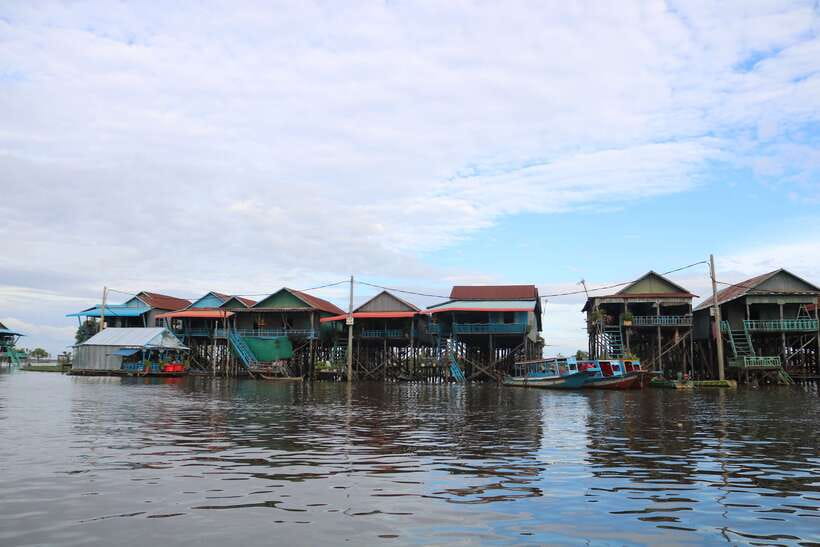
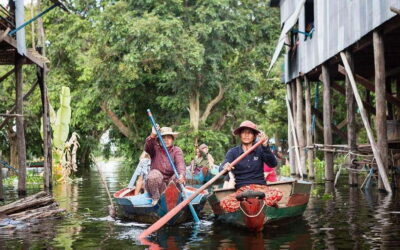
Your core experience is the boat cruise to Kampong Phluk, a cluster of three small fishing villages. This is the part most people come for, because you get to see homes and daily routines in a watery environment, not on a roadside viewpoint.
As you cruise, the boat meanders slowly through canals. That slow pace is key. It lets you spot details like houses on stilts, water-based structures, and people at work. You are also in the right setting to notice how the village design responds to the seasonal flood.
Kampong Phluk also gives you a kind of “quiet spectacle” that is hard to replicate on land. The atmosphere comes from the water itself, the forest edge, and the fact that the area is built for living with the lake, not visiting it once and leaving.
A realistic caution: if water levels are lower than usual, access can be limited. In that scenario, you might feel like you are watching parts of the village from the outside rather than fully experiencing the flooded-forest life you expected. The tour is still worth it for many people, but season choice affects how close you get.
A different kind of day in Cambodia:
- Angkor Wat Sunrise or Sunset Tour with Guide from Siem Reap
★ 5.0 · 12,109 reviews - Siem Reap: Angkor Wat: Small-Group Sunrise or Sunset Tour
★ 5.0 · 9,444 reviews - Siem Reap: Angkor Wat 2-Day Tour with Sunrise and Sunset
★ 4.9 · 4,429 reviews - Siem Reap: Full-Day Angkor Wat Guided Tour with Sunset
★ 4.9 · 3,803 reviews
Flooded forest canals and the slow wildlife window
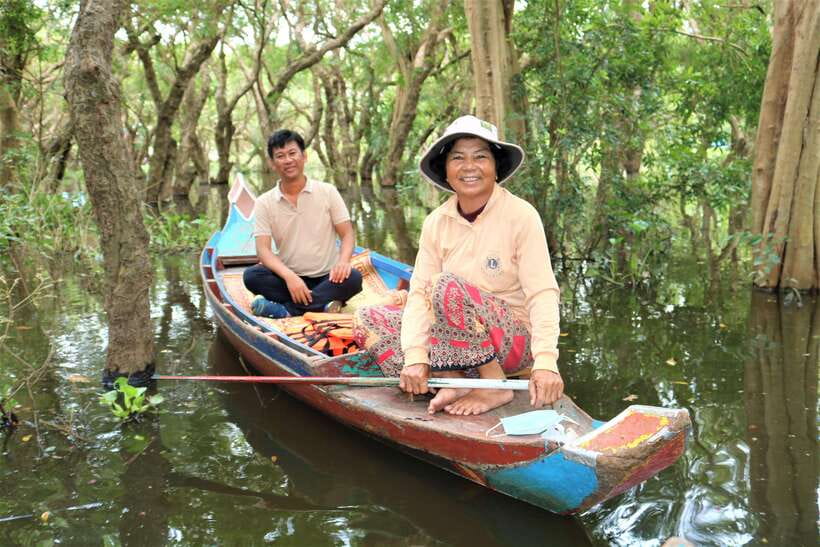
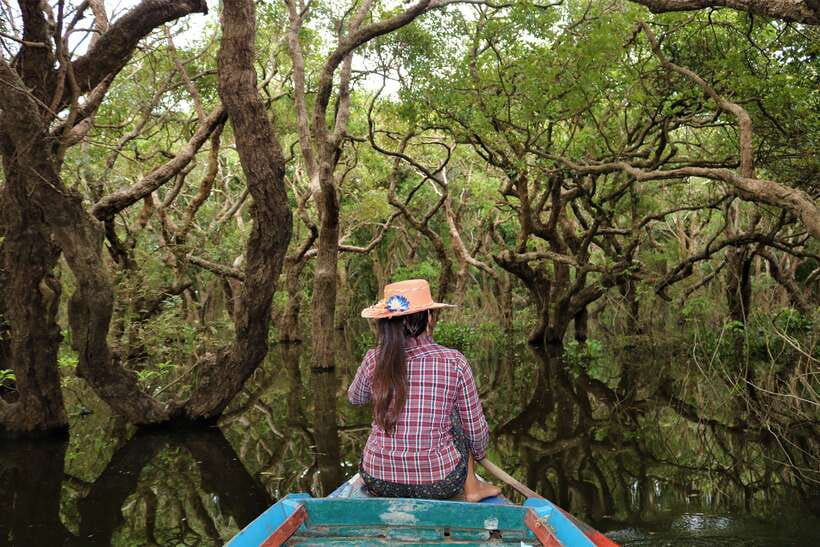
After you enter the Kampong Phluk area, your time includes slow cruising through forest canals and sightseeing in the flooded forest environment. This is where you can catch glimpses of flora and fauna, because the ecosystem becomes very active when the lake spreads into the forest during flooding.
This part of Tonle Sap is often described as a seasonally flooded forest, and the logic is simple. During the wet season, the water reaches places that are normally dry, turning them into temporary habitats for fish and attracting birds. People then use these same water routes and living spaces to work, fish, and farm.
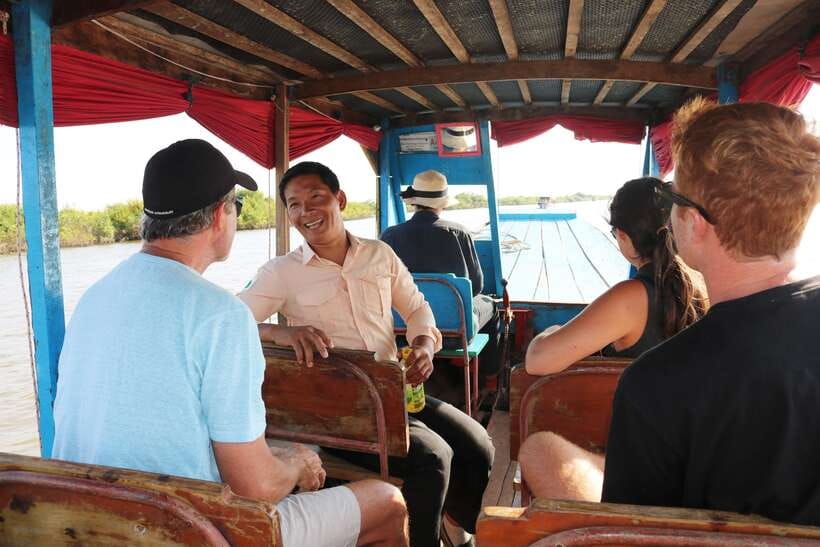
If you like “learn as you look” experiences, this is the right style. A good guide helps you connect what you see, like the way the boat routes follow the canals, to the bigger picture of spawning, feeding, and human settlement patterns.
And based on what guides tend to emphasize on this route, you are not just getting facts. You can get stories about survival, local support, and how communities adjust to the lake year to year.
The river boat segment, why there is a little extra water time
The itinerary includes another short river boat segment, about 30 minutes, as you move through the larger Tonle Sap water system. Think of it as the bridge between the village area and the return drive.
This matters because it keeps you in the ecosystem rather than snapping back to land too fast. It also helps you “feel” the lake’s role as a transportation and work network.
If you prefer boats, this extra segment adds variety. If you get motion sensitive, you still should be able to handle it because the total day is short and the cruising is described as slow and scenic.
Back roads on the way home, agriculture and aquaculture in action
The return trip is not a straight shot. You take back roads through the countryside, and that is where the tour becomes more than just a lake cruise.
You can witness seasonal agricultural activities and aquaculture-linked work, including things like cricket catching, rice planting and harvesting, smoking fish, fish paste making (often referred to as prohoc making), and duck farming. The exact mix can depend on the timing of your visit, because these tasks are tied to seasons.
I like this segment because it shows the lake as an engine for multiple livelihoods. Fishing is only one piece. Food processing and farming practices complete the circle, and you get a sense of how communities store, transform, and sell what the lake makes possible.
It is also a good reminder that Tonle Sap is not a single attraction. It is a working region where people farm, process, and manage resources based on water conditions.
Buddhist monastery stop, when it fits into the season
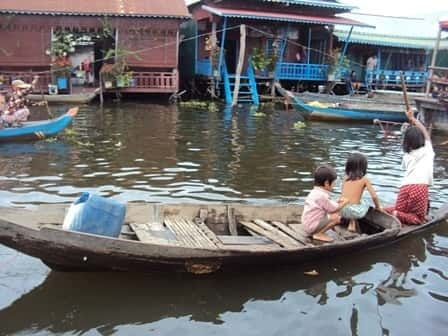
Before heading back, you may visit a Buddhist monastery. The suggested visit period is between the end of July and early March.
That timing note is important for expectation-setting. Depending on when you travel, the monastery stop may or may not align with the schedule and local conditions. If religious sites are a big part of your travel interests, plan your trip window with that in mind.
Either way, the fact that the tour includes a monastery stop during the suggested season gives the day a calmer, reflective tone after the active village and work scenes.
Price and value of about $45 for 4 hours
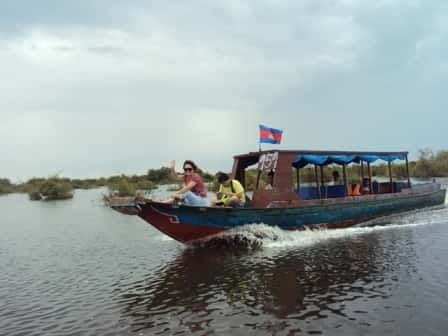
At around $45 per person for a 4-hour outing, you are paying for a short, structured day that includes more than a basic sightseeing drive. The value comes from a bundle of specific components: a local English-speaking guide, hotel pickup and drop-off, an air-con vehicle, and a boat cruise to Kampong Phluk, plus entrance fees, mineral water, and a cool towel.
That is a practical package. You are getting transport, interpretation, and access to the lake area without having to coordinate multiple pieces yourself. If you are staying in Siem Reap and want a focused Tonle Sap experience without losing half a day to logistics, this pricing tends to make sense.
The main variable is water level. If conditions limit what you can access inside the flooded forest and stilt-village areas, you may feel like some expectations are softened. Still, many people find the boat setting and the everyday routines worth it even when access is reduced.
Who this Tonle Sap village and flooded forest tour suits best
You will likely enjoy this tour if you:
- want a short half-day format that still includes boat time and countryside context
- like seeing how people live and work, not just visiting landmarks
- enjoy a guided explanation tied to ecosystem rhythms, fish spawning, and seasonal flooding
- want food and market moments that connect directly to lake life
You might want to reconsider if:
- you use a wheelchair or need full wheelchair access, since it is not suitable for wheelchair users
- you want only “hands-on” village access every time, because seasonal water level can affect how much you can get close to
If you are traveling as a couple or solo, the pacing works well. For families, it can work too, as long as everyone is comfortable with a few walks and a boat segment in a short time frame.
Practical tips so your half-day feels easy
Because the day includes walking and a boat cruise, wear comfortable shoes. You will also appreciate the mineral water and cool towel provided, especially in warmer conditions.
Bring a basic mindset adjustment too. This is not a theme park. You are moving through a living working region, where the experience is tied to what the lake is doing at that time. If you arrive with curiosity about the flooded forest and seasonal work, the day stays rewarding even when conditions limit access.
Also, choose your departure time with your own style in mind. Morning and afternoon options exist, and your preferred light and energy level can change how you enjoy the boat ride and the village atmosphere.
Should you book Tonle Sap: Fishing Village and Flooded Forest?
Book it if you want an efficient, guided Tonle Sap experience that blends boat cruising to Kampong Phluk, flooded forest canals, rural agriculture and aquaculture activities, plus a food-focused village stop. At about $45 for 4 hours with guide, pickup, and boat included, it is strong value for what you are getting.
Skip or plan carefully if water levels are a major worry for you. Low-water periods can reduce access and shift the experience toward more outside views. If you travel specifically for the fullest flooded-forest closeness, keep the season in your head.
Finally, if a monastery visit matters, remember the suggested timing window between the end of July and early March. If that does not match your travel dates, focus on the lake and village work scenes, which remain the heart of the day.
FAQ
How long is the Tonle Sap Lake fishing village and flooded forest experience?
It lasts about 4 hours.
Do I get to choose a morning or afternoon departure?
Yes, the tour offers a choice of morning or afternoon departure.
Where is pickup and drop-off located?
Pickup and drop-off are included for hotels in Siem Reap city, with pickup from Krong Siem Reap.
What is included in the tour price?
It includes a local English-speaking guide, an air-con vehicle, hotel pickup and drop-off, a boat cruise, entrance free, and mineral water plus a cool towel.
What is not included?
A rowboat at the mangrove forest is not included.
What language is the guide?
The guide is available in English.
Is a Buddhist monastery visit included?
A Buddhist monastery stop is part of the plan, and it is suggested between the end of July and early March.
Is this tour wheelchair accessible?
No. It is not suitable for wheelchair users.
What are the cancellation and payment options?
You can cancel up to 24 hours in advance for a full refund, and you can reserve now and pay later.
Newly listed around Siem Reap
- Sambor Prei Kuk Off Beaten Track★ 5.0 · 3 reviews
- Siem Reap Airport Taxi Transfer – City Center Hotels★ 5.0 · 5 reviews
- Unveiling the Mystical Beauty of Phnom Kulen National Park★ 5.0 · 6 reviews
- Angkor Wat at Sunrise★ 4.0 · 7 reviews
- Short Cycling at Countryside★ 5.0 · 29 reviews
- Bakong Temples & Floating Village Tour★ 4.5 · 3 reviews
- Rooftop Romantic Dinner – 4 Courses Set Meal & Wine★ 3.5 · 5 reviews
- Khmer Cooking Class in Cambodia★ 5.0 · 36 reviews
Floating Village Tours, compared.
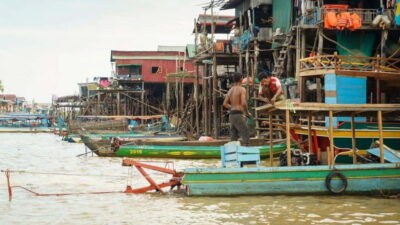
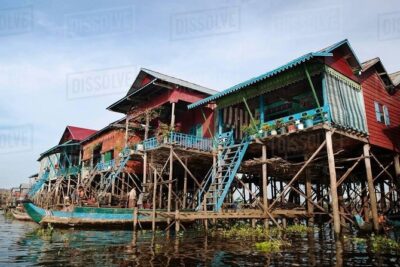
Sunset tour of Kampong Phluk stilts home village on the Tonle Sap
Read our review →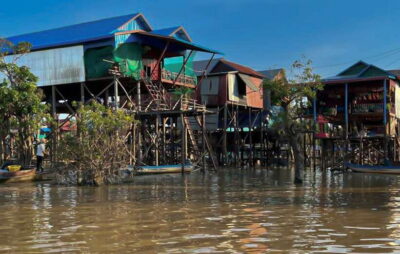
Kampong Phluk Floating Village Tour with Boat
Read our review →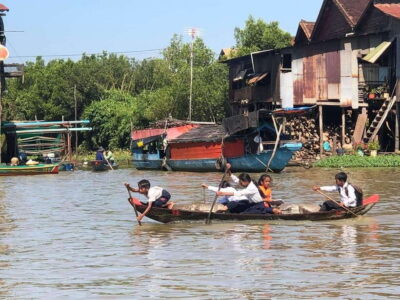
Siem Reap Floating Village Kampong Phluk Sunset with Boat
Read our review →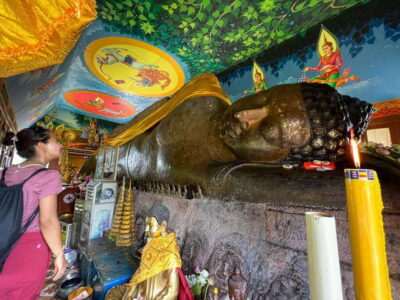
Kulen Mountain, Beng Mealea and Tonle Sap Tour
Read our review →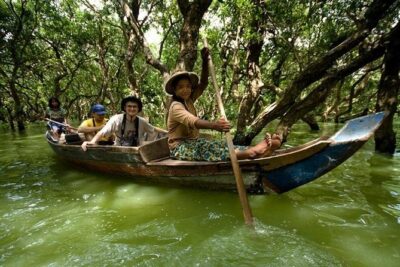
Tonle Sap Lake & Kampong Phluk Village Half-Day Tour
Read our review →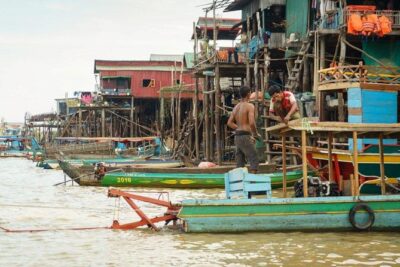
Browse the lists this tour appears in