Review · ANGKOR WAT TOURS
Siem Reap: Ultimate Angkor Wat Offbeat Experience by Jeep
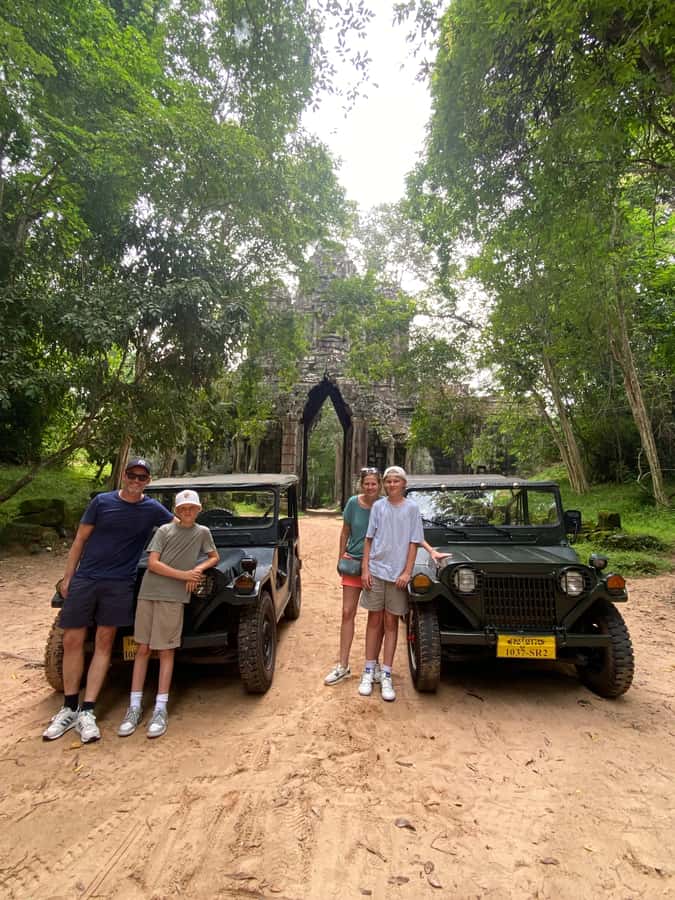
Angkor can feel huge and chaotic. This jeep day turns it into a calmer, more curious route, with a vintage jeep and the kind of guide talk that makes stonework feel understandable, not just impressive. I like the mix of the famous stops and the offbeat trails that help you see more than the standard photo loop, with Ta Prohm and other lesser-seen temples on the same plan.
Two standouts for me are the professional English speaking guidance, and the little comfort extras like cold water and green coconuts included along the way. One heads up: the jeep ride itself is part of the charm, but if you’re hoping it is essential to the sightseeing, a couple of days will feel like you are mainly walking between temple clusters, so plan for heat, sun, and temple time.
In This Review
- Key things I’d watch for
- Why a vintage jeep route feels better at Angkor
- What the $79 price covers, and what you still need to budget
- Ta Prohm first: the Tomb Raider temple and why overgrowth is the point
- Victory Gate and Angkor Thom: walking the edges of a city
- Bayon faces: how to see the details without getting lost
- Angkor Wat highlights: carvings, engineering talk, and the big moments
- Preah Palilay and other quieter temples on the trails
- Guide style: turning stone into a story you can actually use
- What to bring, what to wear, and how to keep the day comfortable
- Time, pace, and how to plan your day in Siem Reap
- Who this jeep tour suits best
- Should you book this offbeat Angkor jeep tour?
- FAQ
- How much does the Siem Reap Ultimate Angkor Wat Offbeat Experience cost?
- What is included in the tour?
- Are temple tickets included?
- What should I bring for the tour?
- Are there any clothing restrictions?
- How long should I plan for?
- What language is the guide?
- Is there a pay later option?
- Can I get a refund if my plans change?
Key things I’d watch for
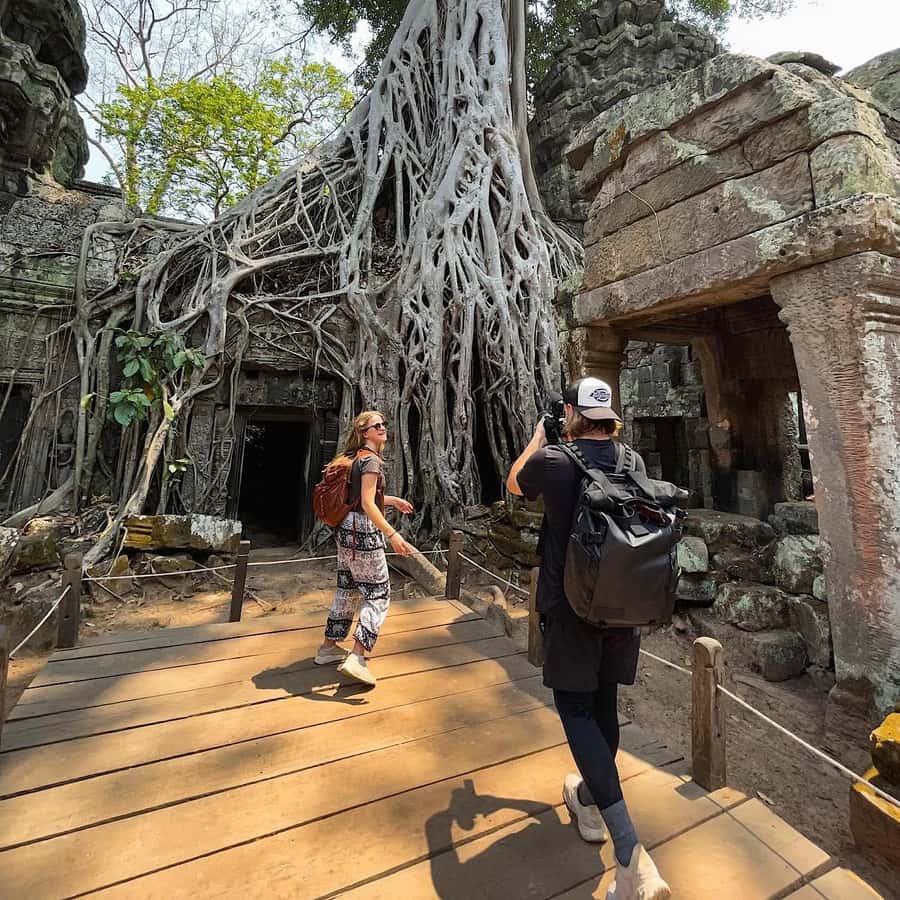
- Vintage jeep comfort plus a fun, photo-friendly way to move between temple zones
- Main highlights plus quieter trails, so you get both crowd energy and calm corners
- Ta Prohm overgrowth view, plus a route that continues beyond the usual first stop
- Angkor Thom core circuit with the city wall walk and Bayon’s faces
- Preah Palilay and other less visited temples for a more serene stop
Why a vintage jeep route feels better at Angkor
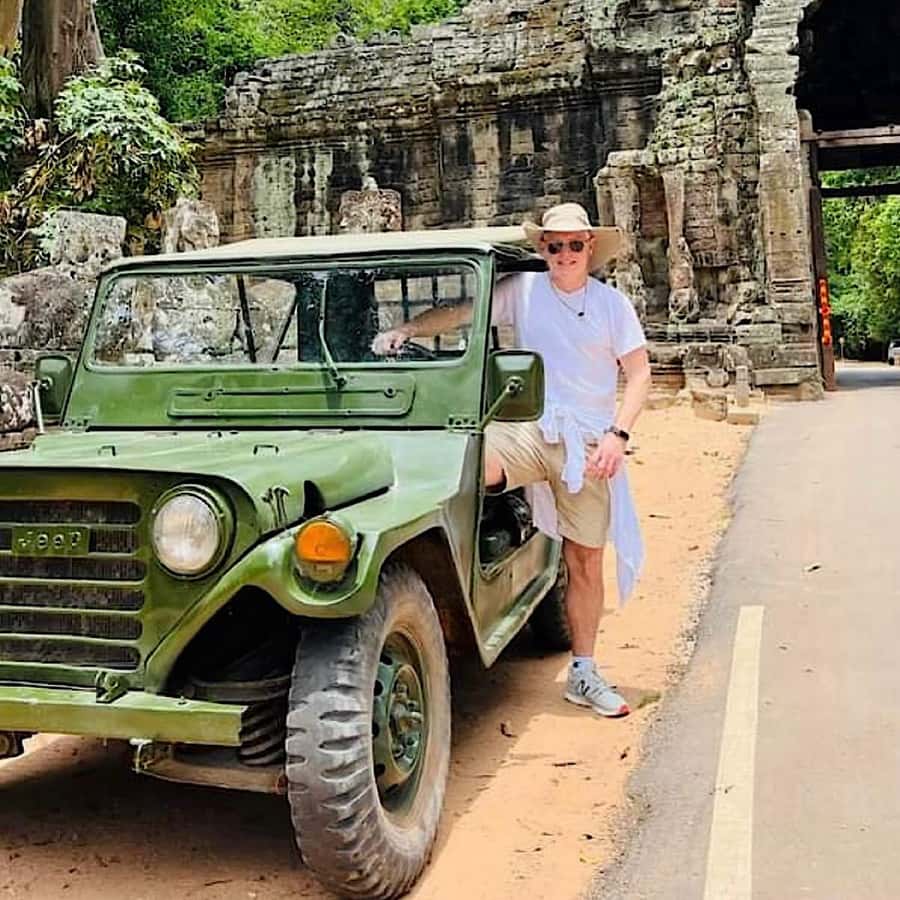
Angkor is one of those places where your brain can get overwhelmed fast. You see towers, faces, carvings, and gates, then suddenly it’s all one blur. A jeep route helps you get between scenes with less friction, and it also gives the day a lighter rhythm than bus transfers and long waits.
The “vintage” part matters more than you might think. It’s not just for pictures, though there are plenty of classic jeep moments. The ride feels less like a timed commute and more like guided movement through the park, with stops that make sense for photos and for walking when the light and shade feel right.
You’ll still do temple time on foot. This tour is built around seeing ruins up close, including walking on parts of Angkor Thom’s city wall and standing near Bayon’s large face features, so bring a practical mindset: comfortable shoes and sun protection matter more than the vehicle.
More Angkor Wat tours in Siem Reap:
- Angkor Wat Sunrise or Sunset Tour with Guide from Siem Reap
★ 5.0 · 12,109 reviews - Siem Reap: Angkor Wat: Small-Group Sunrise or Sunset Tour
★ 5.0 · 9,444 reviews - Siem Reap: Angkor Wat 2-Day Tour with Sunrise and Sunset
★ 4.9 · 4,429 reviews
What the $79 price covers, and what you still need to budget
At $79 per person, you’re paying for a guided day that includes an English speaking guide and all land transportation by jeep. You also get cold drinking water and green coconuts, which is a nice value add in the Cambodian heat, especially on a day that mixes walking and waiting.
Temple entry tickets are not included. So you’ll want to set aside budget for that separately before you go. Personal expenses are also on you, which can include snacks, drinks beyond what’s provided, and anything you pick up along the way.
I like this pricing structure because the “fixed costs” are clear. You’re not constantly adding on small surprises while you’re tired and hot. The only real planning gap is the temple ticket amount, since that is outside the tour price.
Ta Prohm first: the Tomb Raider temple and why overgrowth is the point
Ta Prohm is the stop most people recognize, and for good reason. The ruins stay heavily overgrown, which changes the whole feeling of the temple. Instead of stone sitting politely in a neat grid, it looks like it is in a tug-of-war with nature.
On this kind of route, you also get something practical: the chance to see Ta Prohm as part of a bigger plan rather than a single grab-and-go photo stop. After Ta Prohm, the day continues toward the Victory Gate, so the story keeps moving. That matters because once you’ve walked the main paths, you’ll notice details you might have missed when you were rushing to the first big view.
What to expect here is straightforward: walking through shaded sections, looking at the structure’s complex surfaces, and paying attention to how the guide explains what you’re seeing. The guide is there to connect the carvings and temple facts to how the site worked in its day, which makes the ruins feel less random.
A drawback to flag: Ta Prohm involves walking in sun and shade. If you’re the kind of person who burns easily, or if you hate long outdoor stretches, you’ll want to be extra careful with your hat and sunscreen.
Victory Gate and Angkor Thom: walking the edges of a city
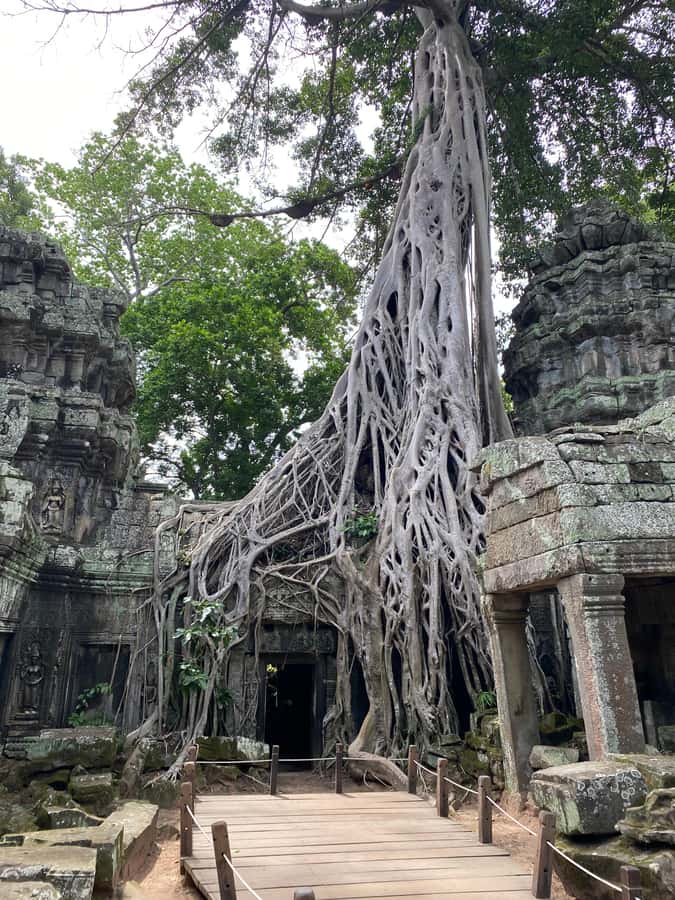
After Ta Prohm, you’ll reach the Victory Gate, which serves like a hinge in the day. It’s not just a dramatic entrance point, it’s the moment the tour shifts from “this temple is the star” to “this whole area is a designed city space.”
From there, the plan includes moving into Angkor Thom and doing the impressive walk up the city wall. That wall segment is one of those things that rewards patience. You get a higher vantage and a better sense of how the complex layout connects parts that look separate at ground level.
You’ll also stand by a massive Buddha face-tower feature, which is the kind of view that makes you stop doing the rapid-fire camera routine. Even if you’ve seen Bayon images before, seeing the scale in person tends to reset your expectations.
The tradeoff is time and stamina. City walls mean stairs and uneven footing. Take breaks if you need them. The point is to keep your energy for the next stop, not to “win” the walk by rushing through.
A different kind of day in Cambodia:
- From Siem Reap: Kampong Phluk Floating Village Tour by Boat
★ 4.9 · 6,979 reviews - Sunset tour of Kampong Phluk stilts home village on the Tonle Sap
★ 5.0 · 4,865 reviews - Siem Reap: Kampong Phluk Floating Village Tour with Boat
★ 4.9 · 3,843 reviews - Siem Reap: Full-Day Angkor Wat Guided Tour with Sunset
★ 4.9 · 3,803 reviews
Bayon faces: how to see the details without getting lost
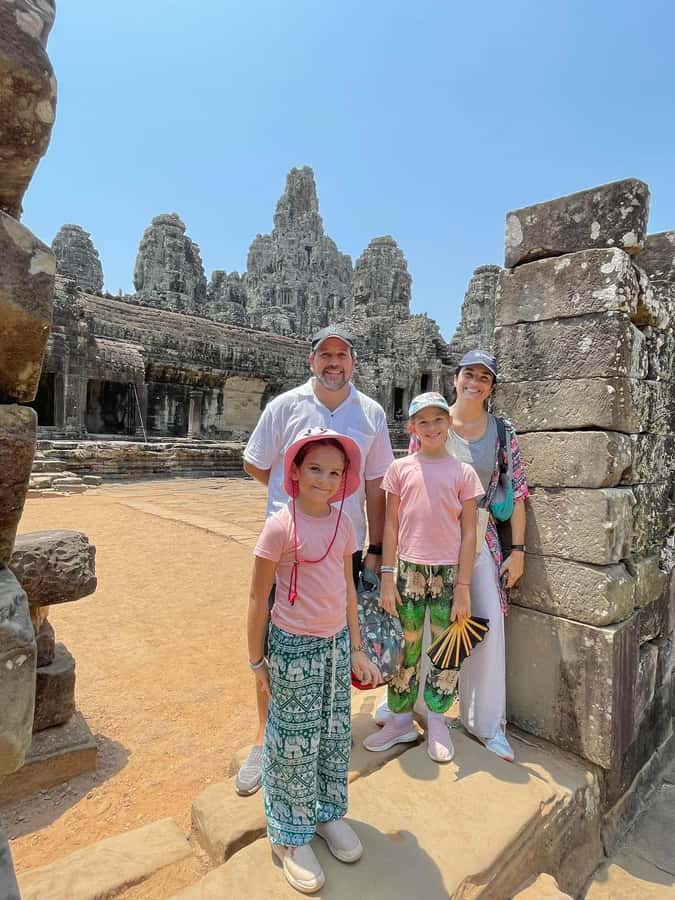
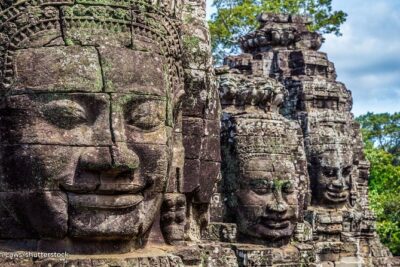
Bayon sits at the center of Angkor Thom, and its famous giant gentle faces are impossible to ignore. The tour is built around that core idea: you’ll be positioned to experience Bayon’s faces in a way that feels like you’re part of the temple space, not just viewing it from one angle.
Here’s where having a guide earns its keep. The guide can point out what to look for and explain how the temple design and features relate to the larger complex. You’ll also hear the kind of history and temple facts that help you understand why these faces and structures are placed the way they are.
If you’re prone to wandering, you’ll appreciate this portion being guided. Bayon areas can feel like you’re moving through multiple corridors of viewpoints. With the guide’s direction, you can keep your footing and focus on what matters.
One thing I’d plan for: you may want a moment of quiet before you move on. Bayon can be busy, but the architecture gives you natural pause points, like where your eyes catch a face, then follow lines into the stone details.
Angkor Wat highlights: carvings, engineering talk, and the big moments
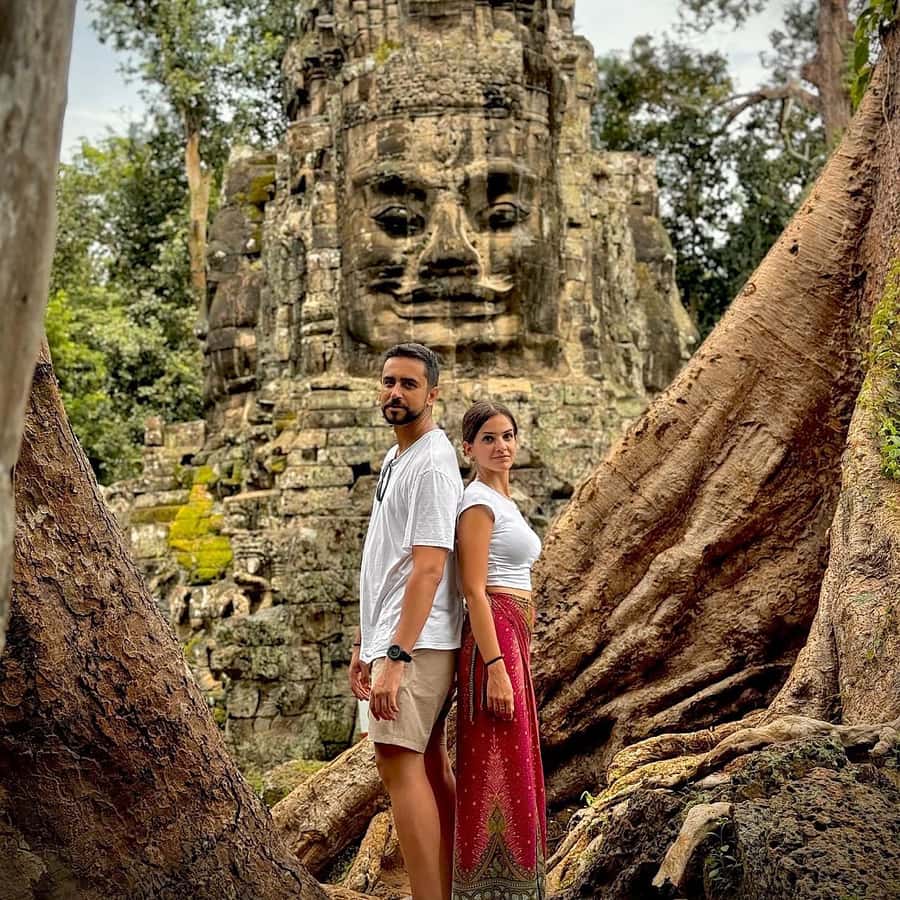
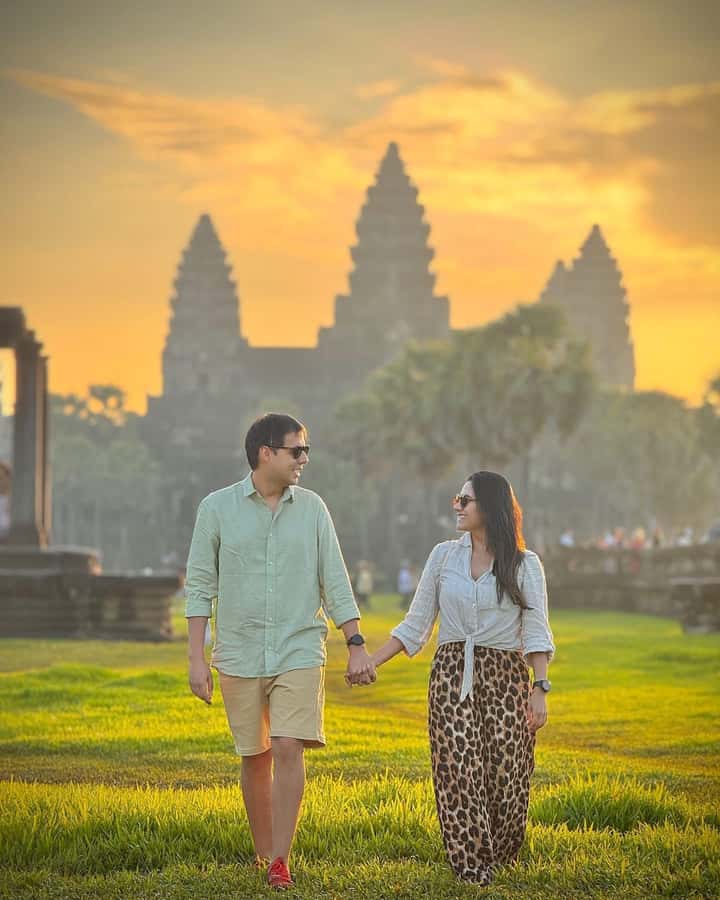
Angkor Wat is the headline, but the benefit of a guided offbeat route is that you don’t just rush through it like a checklist. This tour is designed to hit the main highlights while also leaving room for other temples and less visited trails.
The guide focuses on what you’re seeing in a useful way. You’ll learn about ancient architecture and engineering, and you’ll get context for the temple walls, including how the carvings depict legendary and mythical episodes. Instead of simply admiring the craftsmanship, you’ll understand the themes the decorations are trying to communicate.
There’s another practical benefit here: when someone explains what to look for, you spend less time guessing. For many people, that is the difference between a good day and a “why did I rush” day.
If you’re sensitive to crowds, this is where your expectations matter. Even on an offbeat plan, Angkor Wat is still Angkor Wat, so you should expect busyness around the big sights. The tour’s value shows up in the quiet spots and the additional temples you get to see, not in pretending Angkor Wat will be empty.
Preah Palilay and other quieter temples on the trails
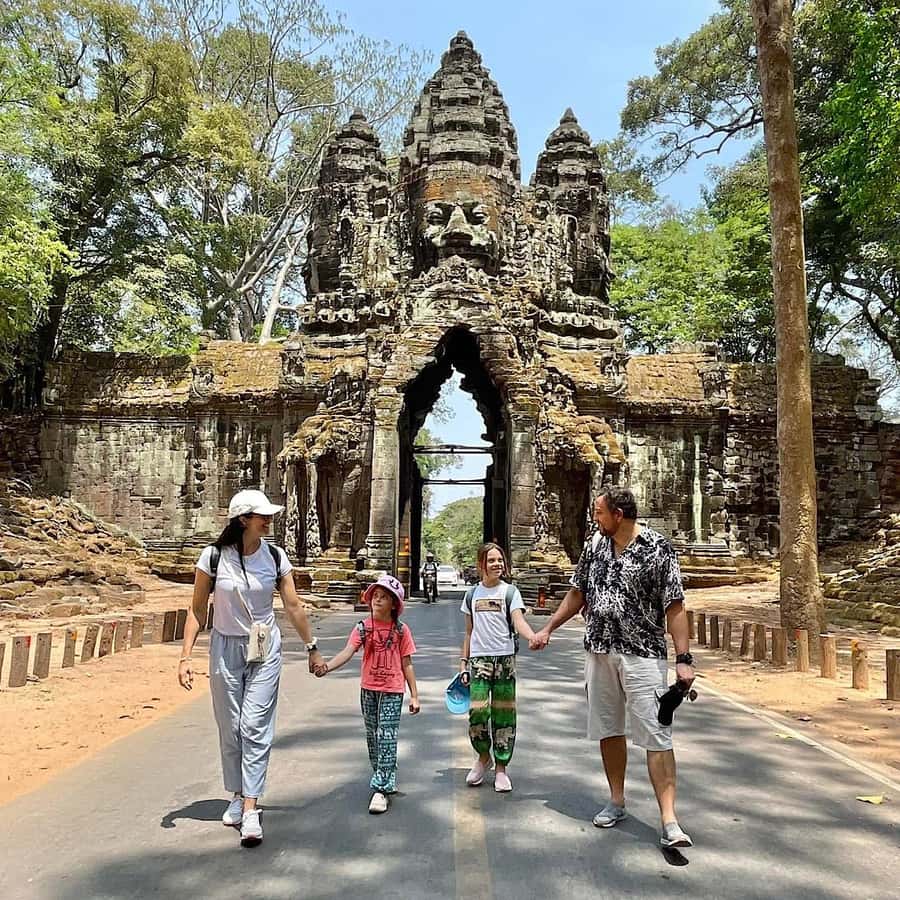
One of the best reasons to choose this style of tour is the inclusion of temples that are less of a mass-market stop. The plan specifically calls out Preah Palilay, described as rarely seen by tourists and known for tranquility.
This is where you get a different kind of Angkor satisfaction. When the crowds thin out, you can actually slow down. You notice how stone sits in shade, how plants take over edges, and how the sound of your own footsteps changes in these spaces.
The tour also includes a number of other hidden temples, reached through park trails away from the busiest areas. That offbeat travel pattern is not just about avoiding people. It’s also about reducing “temple stress,” the feeling of moving fast because there is always another group behind you.
A small caution: quieter temples can mean fewer obvious signage and fewer built-in “pause zones” than the main complexes. The guide helps you stay oriented, which is exactly what you want when you’re off the standard route.
Guide style: turning stone into a story you can actually use
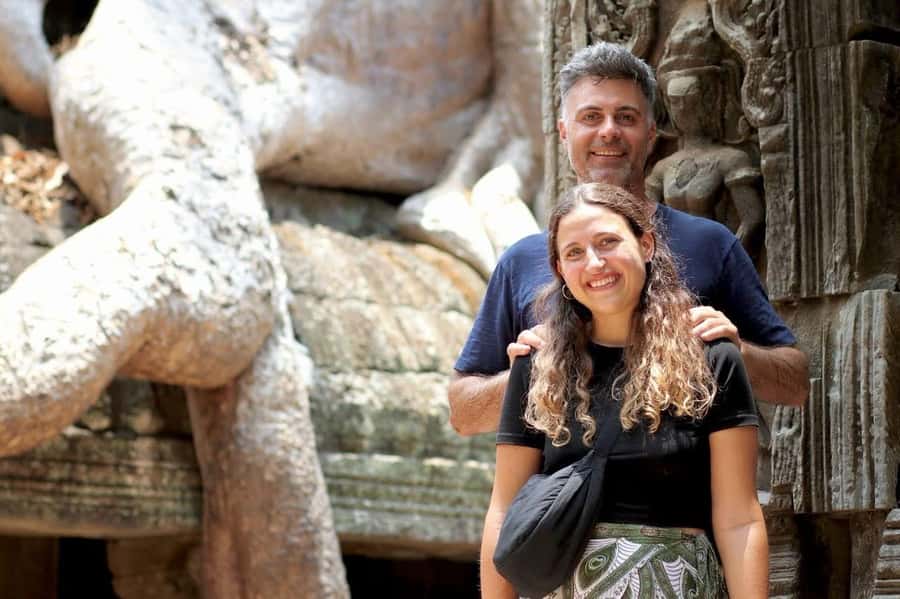
A top strength of this experience is the professional guide. Reviews specifically praise deep historical and cultural explanations and the sense that the knowledge made the ruins click.
John is one name mentioned in the feedback, and the tone there is clear: the guidance felt mind-blowing for people who care about history and temple details. Another positive point is how guides handle flexibility. One review notes the guide and driver accommodated requests, which is a big deal on a day where weather, energy, and personal interests can shift fast.
You can also expect an approach that focuses on facts you can carry with you. Instead of hearing a lecture that floats above the site, the guide connects what you’re seeing right now, like carvings and architectural choices, to why they matter.
One possible tradeoff, and it shows up in one shorter review: if you prefer a super energetic showman style, you may find the tone more calm and informative than hype. That’s not bad, just different. If you like learning at a steady pace, you’re likely to enjoy it.
What to bring, what to wear, and how to keep the day comfortable
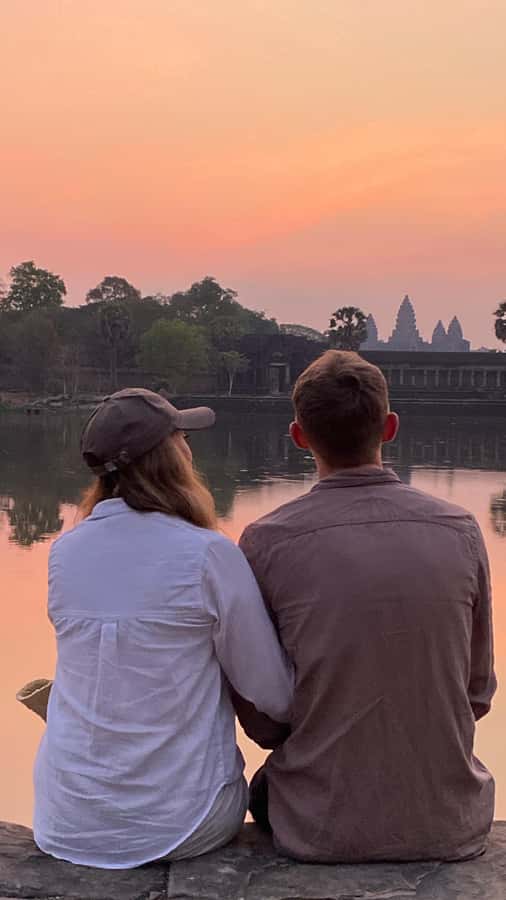
The packing list is simple and smart:
- sunglasses
- sun hat
- sunscreen
Also, expect the tour involves both shade and sun, and you’ll likely be in outdoor sections for stretches. The included cold water and green coconuts help, but they do not replace sunscreen and a hat.
Dress code matters too. Sleeveless shirts are not allowed. If you’re traveling with a light shirt you can pull on, do that. Keep your day easy, especially if you might visit temple areas where modest coverage is expected.
I’d also recommend wearing shoes you can trust on uneven paths. Even when a tour is “only” a half day, temple terrain can be rough on tired feet.
Time, pace, and how to plan your day in Siem Reap
You should plan for a day that feels closer to 6 hours than 8. That matters because it affects how much you can fit after the temples, like a dinner reservation or a relaxing massage.
The pace is built around multiple stops in a single circuit: Ta Prohm, Victory Gate, Angkor Thom, Bayon, and then Angkor Wat plus quieter temples like Preah Palilay. That’s a lot of moving parts, so schedule buffer time on both ends.
If you’re staying in Siem Reap, think of this as a main temple day you build your energy around. Eat well before you go, then treat the tour’s included drinks as recovery support, not the only hydration.
For the best experience, try to plan your next activity for later in the day. Your legs may be fine for walking, but temple time can leave you mentally tired too.
Who this jeep tour suits best
This is a strong fit if you want:
- the classic Angkor hits, but with less of the “only the famous route” feeling
- a guide who can explain temple facts and the logic behind carvings and design
- a comfortable way to move between sites without feeling stuck in a rigid bus routine
- a stop like Preah Palilay where the mood shifts toward quiet
It’s also a good pick if you enjoy photography, because the jeep adds a fun movement layer and the quieter temples can give you calmer frames.
If you hate outdoor walking, or you have limited tolerance for heat and sun, you’ll need to think carefully. You can still enjoy the guide and the big sights, but this kind of route rewards people who are okay being active for a half day.
Should you book this offbeat Angkor jeep tour?
If you want Angkor Wat and Angkor Thom, but you also care about seeing the lesser visited corners of the park, I think this is a smart purchase. The value comes from the combo: transportation by vintage jeep, an English speaking local guide, included water and coconuts, and extra temple time that goes beyond the standard highlights.
Book it if you:
- want a smoother route through the park trails
- care about learning what you’re looking at, not just looking
- like mixing iconic sights with calmer stops like Preah Palilay
Skip it or choose another format if:
- you want only one or two temples with minimal walking
- you’re sensitive to sun exposure and long outdoor sections
- you expect the jeep to replace most walking, because you still spend real time on foot at the major ruins
FAQ
How much does the Siem Reap Ultimate Angkor Wat Offbeat Experience cost?
It costs $79 per person.
What is included in the tour?
The tour includes an English speaking guide, all land transportation by jeep, and cold drinking water plus green coconuts.
Are temple tickets included?
No. Temple tickets are not included.
What should I bring for the tour?
Bring sunglasses, a sun hat, and sunscreen.
Are there any clothing restrictions?
Yes. Sleeveless shirts are not allowed.
How long should I plan for?
The tour is closer to 6 hours than 8.
What language is the guide?
The guide is English speaking.
Is there a pay later option?
Yes, you can reserve now and pay later.
Can I get a refund if my plans change?
You can cancel up to 24 hours in advance for a full refund.
Newly listed around Siem Reap
- Sambor Prei Kuk Off Beaten Track★ 5.0 · 3 reviews
- Siem Reap Airport Taxi Transfer – City Center Hotels★ 5.0 · 5 reviews
- Unveiling the Mystical Beauty of Phnom Kulen National Park★ 5.0 · 6 reviews
- Angkor Wat at Sunrise★ 4.0 · 7 reviews
- Short Cycling at Countryside★ 5.0 · 29 reviews
- Bakong Temples & Floating Village Tour★ 4.5 · 3 reviews
- Rooftop Romantic Dinner – 4 Courses Set Meal & Wine★ 3.5 · 5 reviews
- Khmer Cooking Class in Cambodia★ 5.0 · 36 reviews
Angkor Wat Tours, compared.
Angkor Wat Sunrise or Sunset Tour with Guide from Siem Reap
Read our review →
Angkor Wat: Small-Group Sunrise or Sunset Tour
Read our review →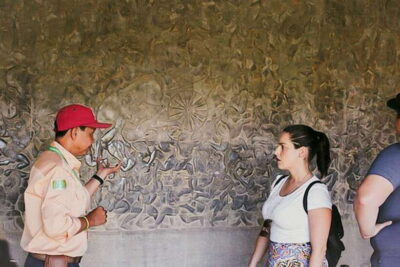
Angkor Wat 2-Day Tour with Sunrise and Sunset
Read our review →
Angkor Wat Sunrise tour with Small – Group and Guide tours
Read our review →
Angkor Wat Highlights and Sunrise Guided Tour from Siem Reap
Read our review →
Angkor Wat Sunset Small Group Tour with Lunch Included
Read our review →