
Review · MUSEUMS
Siem Reap: War Museum included Ticket and Pickup Drop Off
War machines, under shade. This easy Siem Reap outing pairs hotel pickup with a quiet garden museum where you can wander at your own pace.
I like that you get into the site fast, without fuss, and then slow down once you’re there. In about an hour, you’ll walk past vehicles and artillery tied to the Khmer regime, plus photo boards that explain what you’re looking at. That calm setup makes it feel less like a chore and more like a thoughtful stop.
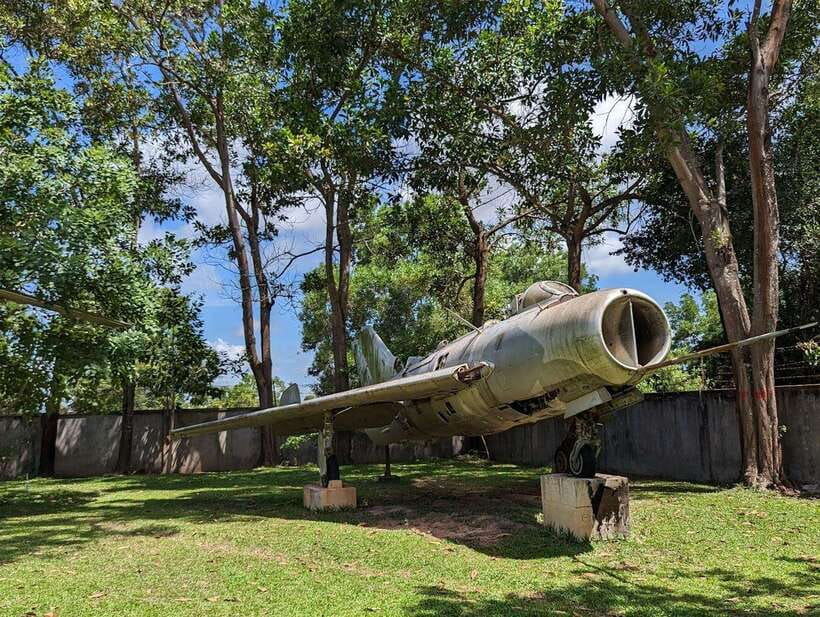
One thing to keep in mind: even though the grounds look well maintained, the vehicles themselves are not fully restored. They can look worn, and if you’re hoping for polished, museum-style displays, adjust your expectations.
In This Review
- Key highlights to know
- Tuk-tuk pickup and drop-off that keeps the day simple
- Walking through the War Museum’s vehicle garden
- The “not restored” detail, and why it might be what you need
- Khmer-era vehicles, artillery, and the scale trick
- When a guide turns reading into a story
- Mr Jam, the calm timing, and small comfort wins
- How long you really need, plus smart packing
- Price and value: what $9 buys you in Siem Reap
- Who this Siem Reap War Museum visit suits best
- Should you book this war museum ticket with pickup?
- FAQ
- How long does the War Museum visit take?
- What’s included in the $9 price?
- Is a guide included?
- What language is the driver?
- Where is pickup and drop-off offered?
- Can I cancel for a full refund?
- Do I have to pay immediately?
- Are there different starting times?
- Is the museum outdoors?
Key highlights to know
- Tuk-tuk convenience: pickup and drop-off from your Siem Reap hotel, with an English-speaking driver
- A garden setting: vehicles and information boards spread out outdoors, so you can walk without feeling rushed
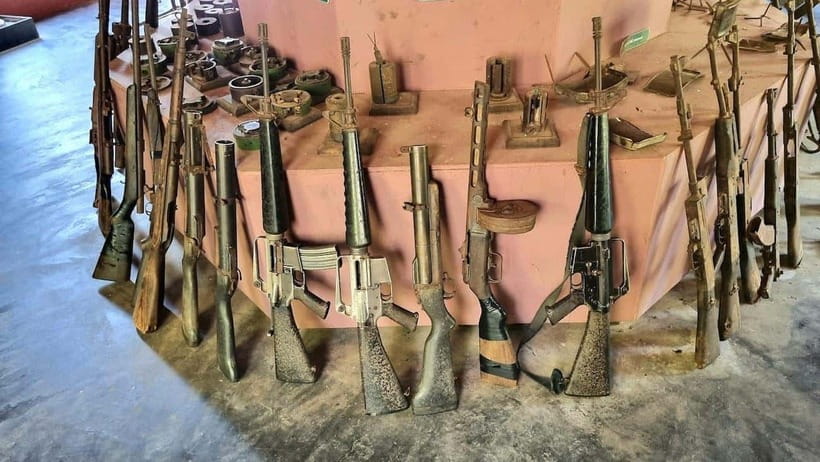
- Close-up Khmer-era equipment: tanks, weapons, and other remnants placed where you can see scale and details
- Clear information without a guide: large photo boards help you connect exhibits to Cambodia’s story
- Optional extra context: you can add a guide for detail if you want more depth
Tuk-tuk pickup and drop-off that keeps the day simple
This experience is built for ease in Siem Reap town. A tuk-tuk picks you up from your accommodation, drives you to the museum, and then takes you back afterward. That matters, because the War Museum is not one of those “grab a quick photo then hop back on a scooter” type stops. You’ll want time on foot once you arrive.
The driver is listed as English-speaking, and that helps if you have questions before you go in. In one booking, the driver was prompt and handled the schedule smoothly, including staying around while the visit happened. If you’ve ever dealt with the chaos of trying to coordinate transport yourself at noon, you’ll appreciate how this option keeps things orderly.
You’ll just need to share your hotel name and address so the pickup can be arranged. If you’re staying slightly outside the center, still plan on being reachable by local tuk-tuk routes, since the pickup is specifically from Siem Reap Town.
More Museum Visits in Siem Reap
- Bantey Srei, Kbal Spean and Landmine museum Private Tuk-Tuk
★ 4.7 · 30 reviews - Private Tour: HERO Rats & Angkor National Museum
★ 4.5 · 16 reviews - War Museum, Killing Field and Floating village ( Chong Kneas) Tour
★ 5.0 · 14 reviews
Walking through the War Museum’s vehicle garden
Once you get there, the War Museum in Siem Reap feels more like a large garden with exhibits than a single indoor hall. The layout is spacious, so you’re not packed in shoulder-to-shoulder with strangers. You can walk the paths and observe the different vehicles and artillery at your own pace.
What you’ll notice first is the sheer variety of equipment. The grounds feature many vehicles associated with the Khmer regime, and you can explore on foot rather than just viewing behind glass. That is where the experience becomes memorable. Seeing machines up close changes the scale from “history topic” to something physical and real, especially when the information boards point to what each piece represents.
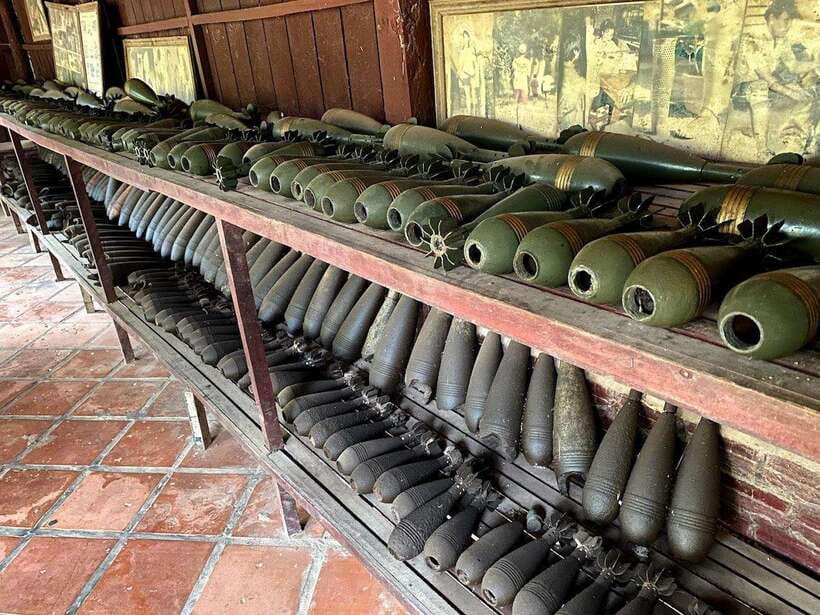
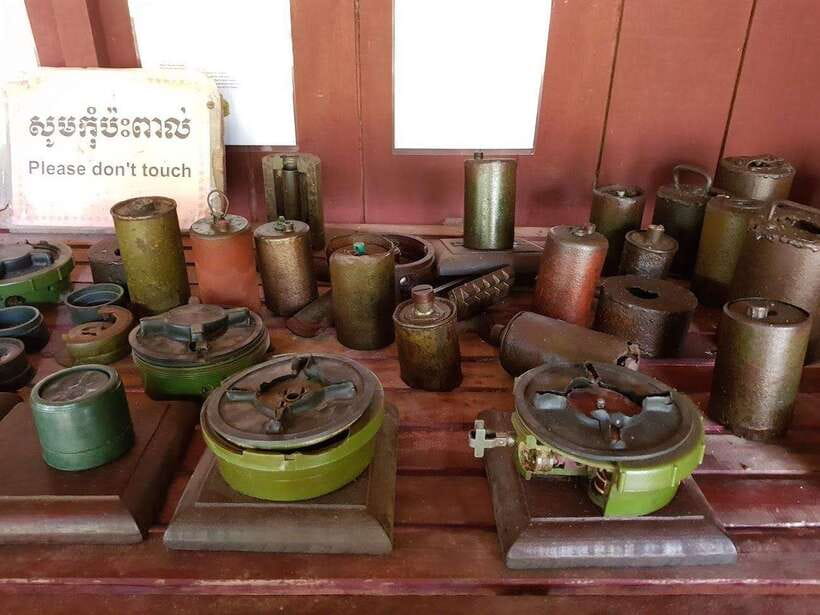
At the sidewalks, you’ll also see smaller items placed around the route. These include objects like guns, clothes, and other military-related remnants. That blend of big equipment and small personal items is important. The large vehicles help you understand technology and force. The smaller objects help you grasp the human side of what that era brought into everyday life.
Along the walking paths, you’ll find large boards with photos and background information. Even without hiring a guide, you can still connect the dots, because the text is designed to explain what you’re seeing as you move through the site.
The “not restored” detail, and why it might be what you need
The museum grounds are well maintained, but the vehicles are not restored. That’s a key point, and it shapes the mood of the visit.
On one hand, the unrestored condition can feel raw and less curated. You won’t get the glossy, polished look that some people associate with major museum displays. Parts can look worn, and the overall presentation can feel more like remnants preserved outdoors than artifacts prepared for perfect viewing.
On the other hand, that same quality can make the visit feel more authentic. You’re not looking at a recreated scene. You’re seeing the objects as they are, with their aging and wear still visible. For many visitors, that reduces the distance between past and present. You’re more likely to think, How could something like this become part of daily life?
So treat this as a reflective, “observe and read” museum, not a hands-on or high-production attraction. If you want your exhibits pristine and dramatic, you may prefer a different type of museum. If you want honest, close-up perspective, the unrestored displays can be a strong fit.
Khmer-era vehicles, artillery, and the scale trick
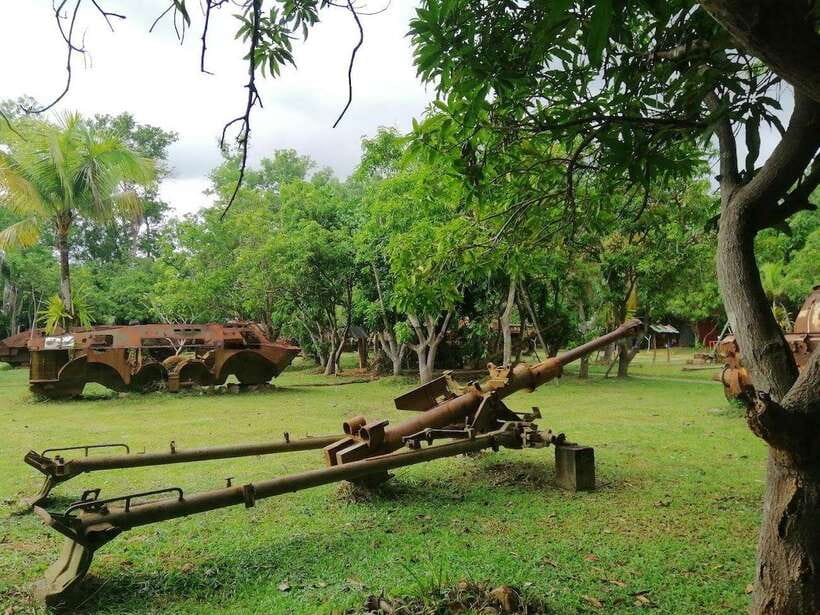
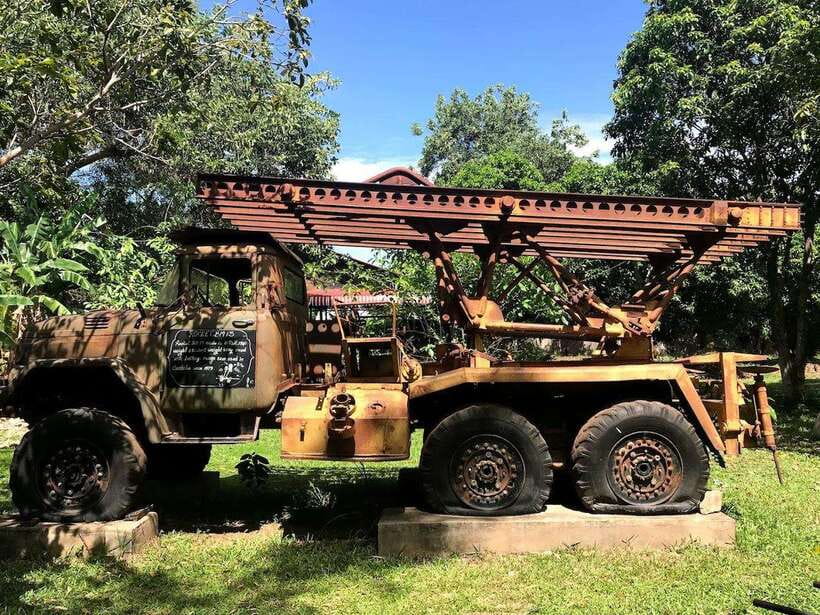
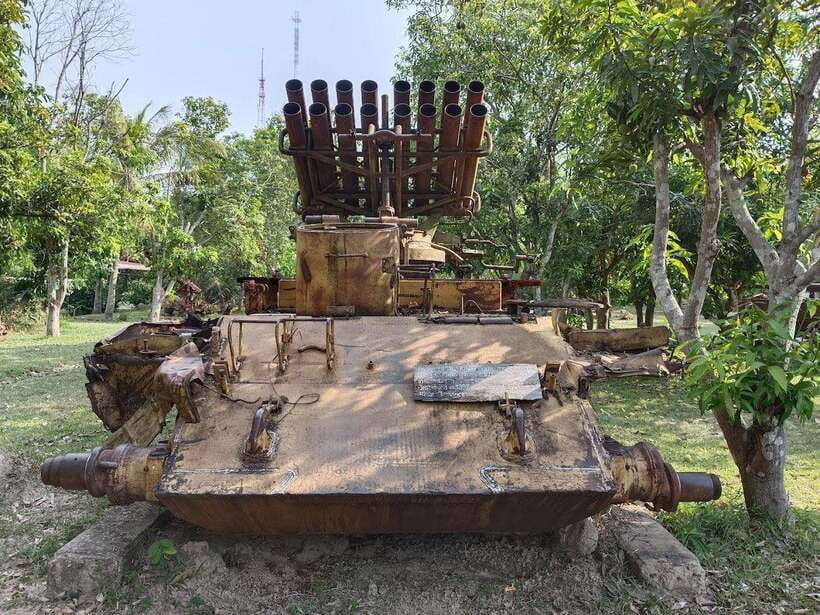
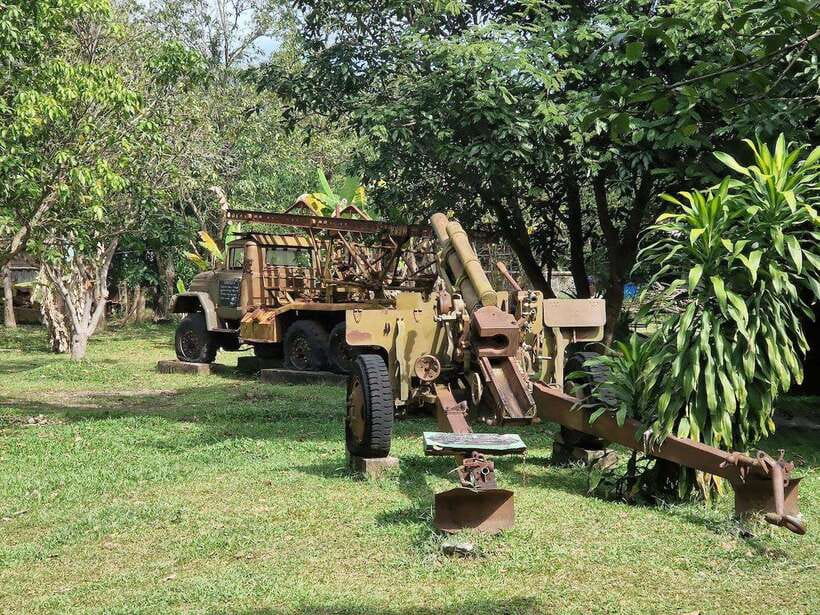
The centerpiece is the outdoor collection of Khmer regime vehicles and artillery. You’ll spend your time walking through the garden sections where equipment is placed in a way that helps you compare sizes, shapes, and uses.
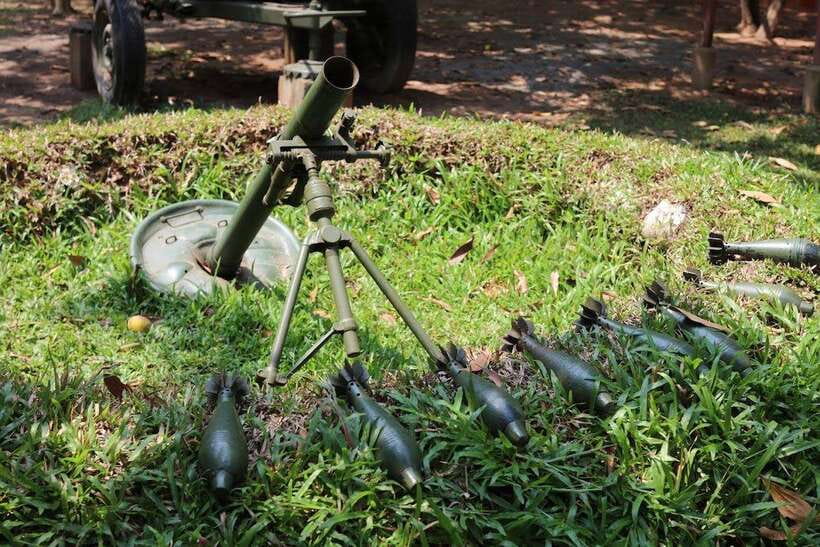
This is one of those places where your brain benefits from seeing scale. A tank is not just a photo caption. It’s weight, length, height, and design choices made for a particular kind of conflict. Standing near vehicles helps you understand why certain weapons and tactics mattered.
Then there are the artillery pieces. Seeing them in the same open space as the vehicles gives you a better sense of how ground warfare worked. The museum boards provide background, so you can connect what you’re seeing to historical context as you go.
There’s also an exhibit area tied to land mines and land mine survivors. If you want a reminder that history is not only about big machines, this is where that emotional shift can happen. One booking highlighted that you can read interesting facts in this kind of exhibit, which helps make the story feel connected to real consequences, not just headlines.
A different kind of day in Cambodia:
- Angkor Wat Sunrise or Sunset Tour with Guide from Siem Reap
★ 5.0 · 12,109 reviews - Siem Reap: Angkor Wat: Small-Group Sunrise or Sunset Tour
★ 5.0 · 9,444 reviews - From Siem Reap: Kampong Phluk Floating Village Tour by Boat
★ 4.9 · 6,979 reviews - Sunset tour of Kampong Phluk stilts home village on the Tonle Sap
★ 5.0 · 4,865 reviews
When a guide turns reading into a story
A guide is not included by default. If you want detailed help, you can arrange a guide for $10. That’s useful because the written boards are clear, but a human voice can help you interpret what you’re looking at and why it matters.
One booking mentioned a guide named Sinarth, a veteran and survivor who shared personal lived experience. That kind of firsthand story can change how you process the museum. Instead of just identifying equipment, you start connecting exhibits to the lived reality behind them.
If you do add a guide time, I suggest you use it strategically. Don’t feel like you must cover everything with narration. Let the guide help you focus on the most important sections for you, then return to self-paced walking so you can absorb the rest at your own speed.
Also note that the driver may be willing to wait while you explore. In one booking, the driver stayed patient and even helped with practical details during your time on site. If you like a calm schedule, this matters.
Mr Jam, the calm timing, and small comfort wins
The experience is often praised for how smoothly the day runs. In multiple bookings, a driver named Mr Jam showed up with strong timing and a friendly attitude. One booking described him as smiling, escorting the guest to the tuk-tuk, and offering bottled water because it was hot.
That kind of small comfort is not a luxury. In Siem Reap’s heat, water and shade make your walking experience much easier. Since your museum time is roughly an hour, you don’t want to feel drained before you finish the loop.
There’s also a practical note from one booking about rainy weather. The driver found umbrellas when it was pouring rain during the visit. That doesn’t mean umbrellas are guaranteed for everyone, but it does signal that the driver takes your comfort seriously and will handle basic “what do we do now?” moments.
If you want the day to feel low-stress, pick this style of tour. It reduces uncertainty and keeps your attention on the museum itself.
How long you really need, plus smart packing
The museum visit is described as about 1 hour, and many people plan around 60 to 90 minutes. This range makes sense because you’ll be walking, reading the boards, and looking closely at the vehicles and smaller artifacts.
Here’s how to make your time count:
- If you like photos and reading, give yourself closer to 90 minutes.
- If you prefer fast viewing, aim for about an hour and decide in advance which sections you want to linger on.
Because it’s outdoors, pack for the elements. One booking specifically recommended wearing insect repellent, which is practical in a garden setting. Even if you’re only there for an hour, mosquitoes can still be annoying.
Wear comfortable shoes. You’ll be walking on paths through the grounds, and the experience depends on you moving slowly enough to notice both the vehicles and the smaller items along the sidewalks.
And if you tend to get overheated, plan your pacing. One booking mentioned a hot day, and bottled water was offered. Hydration helps you stay in the right mood for a reflective museum visit rather than rushing through while uncomfortable.
Price and value: what $9 buys you in Siem Reap
At $9 per person, this is priced like an accessible, no-frills museum add-on. The value comes from what’s included and what’s optional.
Included:
- Pickup and drop-off from your hotel in Siem Reap Town
- Museum entrance fee
- English-speaking driver
- A driver who assists you at the museum
Not included:
- A guide for detail, $10
So your base payment is basically transport plus entry. That can be a better deal than paying for a tuk-tuk separately and then buying the museum ticket on top, especially if you’d rather not negotiate in the moment.
The real cost question is how much context you want. If you’re happy reading the photo boards, you can save the guide fee and still get a coherent experience. If you want deeper storytelling and interpretation, paying the $10 for a guide may be worth it, particularly if you connect strongly to personal accounts like Sinarth’s.
In other words, the $9 price is fair for a self-guided museum with transport. It’s also flexible, because you can upgrade to a guided layer if you want more emotional and historical context.
Who this Siem Reap War Museum visit suits best
This experience fits best if you:
- Want a historical stop that goes beyond temple sightseeing
- Prefer calm, self-paced walking with clear signage
- Are comfortable with an outdoor museum format
- Like the idea of seeing vehicles and weapons up close, even if they are not restored
It may not fit as well if you:
- Only want polished, restored displays
- Expect a highly interactive museum
- Need long guided coverage included in the base price
If you’re in Siem Reap for a few days and want one change of pace, this is a good choice. It’s a one-day outing, it’s simple to schedule with hotel pickup, and it adds perspective on Cambodia’s recent past without requiring a full half-day tour plan.
Should you book this war museum ticket with pickup?
I’d book it if you want a straightforward way to see the Siem Reap War Museum with less logistics stress. The combination of hotel pickup and drop-off plus museum entry for a low price is practical, and the site is set up so you can understand what you’re looking at even without a guide.
Choose the add-on guide option if you know you connect with firsthand stories and want help interpreting the exhibits. Hearing personal lived experience, like Sinarth’s account, can be the difference between reading facts and feeling the human stakes behind them.
If you do book, go with the right expectations. The vehicles are not restored, and that rawness is part of the museum’s character. Pack repellent, wear comfortable shoes, and plan for about an hour to 90 minutes on foot. You’ll leave with a clearer sense of how the machinery and consequences of conflict shaped Cambodia, not just a list of objects seen.
FAQ
How long does the War Museum visit take?
The museum visit is about 1 hour, and you can reasonably plan for around 60 to 90 minutes depending on how much time you spend walking and reading.
What’s included in the $9 price?
The included items are hotel pickup and drop-off in Siem Reap Town, plus the museum entrance fee.
Is a guide included?
No. If you need a guide for more detailed explanations, it costs $10.
What language is the driver?
The driver is English-speaking.
Where is pickup and drop-off offered?
Pickup and drop-off are provided from your hotel in Siem Reap Town. You should provide your hotel name and address for pickup arrangement.
Can I cancel for a full refund?
Yes. You can cancel up to 24 hours in advance for a full refund.
Do I have to pay immediately?
No. There is a reserve now, pay later option, which lets you book your spot and pay nothing today.
Are there different starting times?
Yes. The tour is valid for 1 day, and you can check availability to see starting times.
Is the museum outdoors?
Yes. It’s described as a large garden with vehicles and displays placed around walking areas, so plan for outdoor conditions.
Newly listed around Siem Reap
- Sambor Prei Kuk Off Beaten Track★ 5.0 · 3 reviews
- Siem Reap Airport Taxi Transfer – City Center Hotels★ 5.0 · 5 reviews
- Unveiling the Mystical Beauty of Phnom Kulen National Park★ 5.0 · 6 reviews
- Angkor Wat at Sunrise★ 4.0 · 7 reviews
- Short Cycling at Countryside★ 5.0 · 29 reviews
- Bakong Temples & Floating Village Tour★ 4.5 · 3 reviews
- Rooftop Romantic Dinner – 4 Courses Set Meal & Wine★ 3.5 · 5 reviews
- Khmer Cooking Class in Cambodia★ 5.0 · 36 reviews
Museums, compared.
The Killing Field and Toul Sleng Genocide Museum (S21) Tour
Read our review →
Killing field and Toul Sleng genocide museum Tour
Read our review →
Private Half Day To Killing Field & S21 Genocidal Museum in Phnom Penh
Read our review →
Tuol Sleng Genocide Museum (S-21) and Choeung Ek Killing Fields Tour
Read our review →
Phnom Penh City Tour, Silver Pagoda, Genocide Museum, Killing Fields
Read our review →
Bantey Srei, Kbal Spean and Landmine museum Private Tuk-Tuk
Read our review →The killing field and Toul Sleng Genocide museum (S21) Tour
Read our review →
Private Tour: HERO Rats & Angkor National Museum
Read our review →Browse the lists this tour appears in