
Review · 2-DAY EXPERIENCES
2-Day ‘Angkor & Village’ Tour
One temple day is good, two is better. This 2-day private tour strings together the big Angkor icons plus a village day on the water. You get hotel pickup in an air-conditioned vehicle, an English-speaking guide, and small comforts like bottled water and cold towels.
What I like most is the pacing and the guide time. You are not just dropped at temples, you get explanations as you go, and that helps the place click, fast. I also love that you revisit Angkor Wat early the next morning, so you are not stuck with only midday views.
One thing to think about: the route includes stairs and uneven paths. If your feet are average and climbing steps is a hassle, you might feel it.
In This Review
- Key Highlights You’ll Feel Fast
- Price and Logistics: What You Pay, What You Still Need
- The Private Tour Advantage in Siem Reap
- Day 1: Angkor Park Classics, Angkor Thom Highlights, and Angkor Wat
- Start at the Angkor Archaeological Park
- Bayon Temple, the Face Tower of Angkor Thom
- Baphuon and Ta Prohm, Two Very Different Moods
- Terrace of the Elephants: A Royal Stage
- Angkor Wat After Lunch, Still Worth It
- Phnom Bakheng: The Climb and the View Pay Off
- Day 2: Sunrise at Angkor Wat Plus Banteay Srei and Tonle Sap
- Sunrise at Angkor Wat, Why a Second Visit Matters
- Banteay Srei, the “Ladies Temple” Feel
- Banteay Samre and Pre Rup, Brick, Laterite, and Angular Forms
- Kompong Phluk and the Tonle Sap Boat Ride
- Alternate Day 2 Plan if You Skip Kompong Phluk
- What Makes the Guide Matter Here
- Comfort, Timing, and the Walking Reality
- Who Should Book This Tour
- Should You Book This 2-Day Angkor and Village Tour?
- FAQ
- How much are the temple passes?
- What does the $130 price include?
- Do I get an English-speaking guide?
- What time does the tour start?
- Is the sunrise visit included?
- Is this tour suitable for kids?
Key Highlights You’ll Feel Fast
- Private, hotel-to-hotel pickup so you do not waste time figuring out transport or meeting points
- Two Angkor Wat moments across the two days, including a sunrise revisit
- English-speaking guide who helps you connect the temple carvings and layout to the story
- AC vehicle plus cold towels and bottled water for a long, hot day
- Tonle Sap village visit by boat, with a motorised boat fee included
- Flexible Day 2 option to swap Kompong Phluk for an alternate temple circuit
Price and Logistics: What You Pay, What You Still Need
The tour cost is $130 for about two days, and it is built around a simple deal: transport, guide, and the key activities are handled for you. That includes pickup and drop-off at your accommodation, an air-conditioned vehicle for the tour, and an English-speaking guide.
You do still need to budget for the Angkor passes. Temple passes are not included, listed as a 2-day pass at USD 67 per person. The info you are given also lists pass options at the ticket office, including USD 62 for 3 days and USD 72 for 7 days, and you should buy a pass that matches your stay and the days you will be visiting.
Food is on you. Meals, soft drinks, and alcohol are not included, so plan for lunch on Day 1 and a snack strategy on both days. The upside is that this keeps the tour price clean and lets you choose where you eat instead of being pushed into one stop.
Others in Siem Reap worth putting side by side:
- Angkor Wat Sunrise or Sunset Tour with Guide from Siem Reap
★ 5.0 · 12,109 reviews - Siem Reap: Angkor Wat: Small-Group Sunrise or Sunset Tour
★ 5.0 · 9,444 reviews - From Siem Reap: Kampong Phluk Floating Village Tour by Boat
★ 4.9 · 6,979 reviews
The Private Tour Advantage in Siem Reap
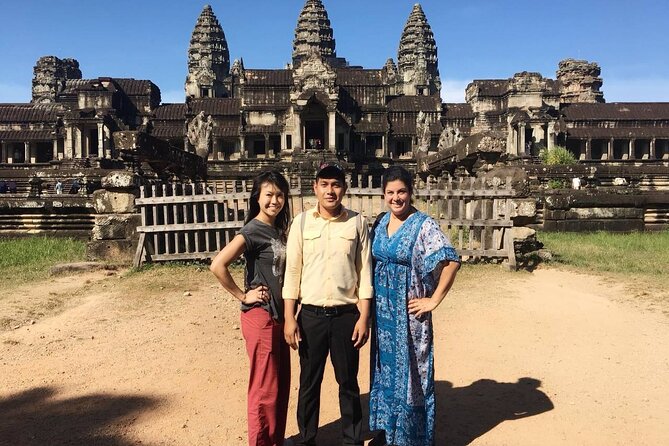
This is a private tour, meaning only your group participates. That matters in Angkor because the timing can make a huge difference, and you can usually keep the day aligned to your comfort level.
Pickup starts at 8:30 am from your hotel. That is early enough to beat some crowds at major stops, while still letting you enjoy breaks without feeling like you were dragged out of bed for nothing.
Also, the vehicle is described as top quality and air conditioned. In Siem Reap heat, that is not a luxury detail, it is a practical one, especially when you are moving temple to temple.
One more practical note: the tour is marked as not suitable if you have less than average fitness or cannot walk normally. Many major Angkor temples involve stairs, climbs, and long walks between sites, so be honest with yourself before booking.
Day 1: Angkor Park Classics, Angkor Thom Highlights, and Angkor Wat
Day 1 is the heavy Angkor day. You start with the Angkor Archaeological Park area and then move through several landmark temples in a logical arc.
Start at the Angkor Archaeological Park
You buy your pass at the Angkor Enterprise ticket office. The plan is set up so that you buy at least a two-day pass, one per person, before you begin the main temple circuit.
This is the moment to double-check you have the right pass length. If you are close to your travel dates, grabbing a slightly longer pass can avoid stress if your schedule slips.
A different kind of day in Cambodia:
- Sunset tour of Kampong Phluk stilts home village on the Tonle Sap
★ 5.0 · 4,865 reviews - Siem Reap: Angkor Wat 2-Day Tour with Sunrise and Sunset
★ 4.9 · 4,429 reviews - Siem Reap: Kampong Phluk Floating Village Tour with Boat
★ 4.9 · 3,843 reviews - Siem Reap: Full-Day Angkor Wat Guided Tour with Sunset
★ 4.9 · 3,803 reviews
Bayon Temple, the Face Tower of Angkor Thom
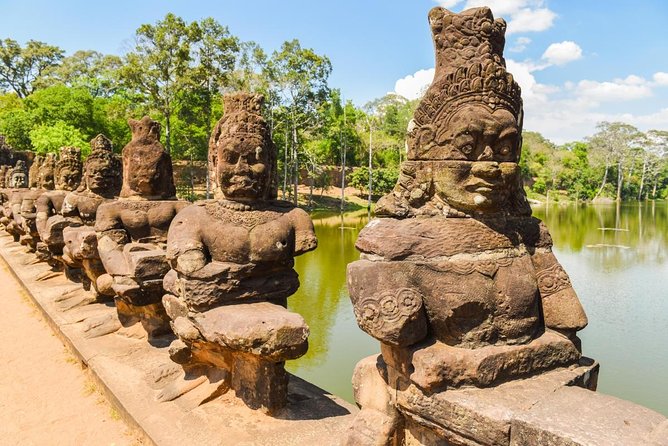
From there, you hit Bayon Temple, known for its densely decorated look and the famous Khmer-era vibe. Built in the late 12th or early 13th century, Bayon was the state temple of King Jayavarman VII.
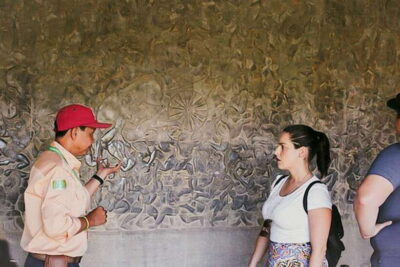
What makes Bayon so good on a guided tour is that you are not just staring at stones. Your guide can point out how the layout and decoration connect to Jayavarman’s city, which helps you understand why this area feels so central.
Bayon is set for about an hour in the itinerary. That is enough time to see the main points without turning it into a marathon.
Baphuon and Ta Prohm, Two Very Different Moods
Next comes Baphuon Temple in Angkor Thom. It is described as a three-tiered temple mountain dedicated to Shiva, built in the mid-11th century.
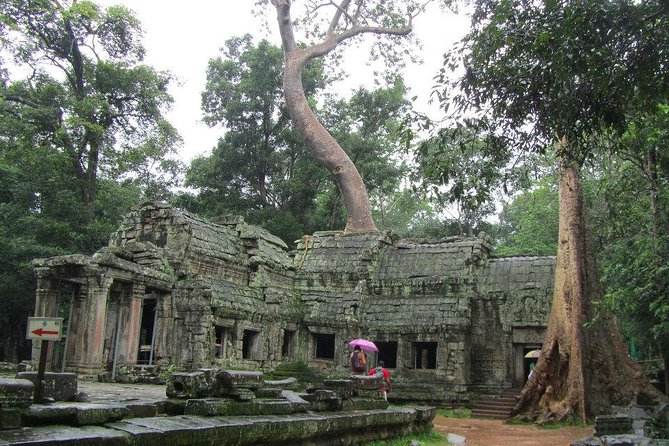
Then you go to Ta Prohm. This is the temple people recognize because it feels half-swallowed by roots. The itinerary frames Ta Prohm in the Bayon style period, originally known as Rajavihara.
Ta Prohm can feel overwhelming because it is visually powerful and a bit chaotic. A guide helps here by steering you to what to notice, and by timing your walk so you can spend your energy on viewing the temple instead of fighting crowd flow.
Terrace of the Elephants: A Royal Stage
The Terrace of the Elephants sits along the eastern boundary of the Royal Palace grounds and faces the parade grounds. It is paired with the broader Royal Terraces area, and it is part of the grand, ceremonial layout around Angkor Thom.
This stop is shorter, about 30 minutes, which is smart. It lets you catch the scale of the royal stage without letting you lose the rest of the day to a slower pace.
Angkor Wat After Lunch, Still Worth It
After lunch, you head to Angkor Wat. The itinerary notes it as the largest religious monument in the world, and it is huge in both footprint and symbolism.
Angkor Wat is such a magnet that it is easy to feel like you are just checking off a list. With a good guide, it becomes a guided walk through what you are seeing, not just where you are standing.
Also, Angkor Wat appears again on Day 2 for sunrise, so Day 1 functions as your first full orientation and Day 2 locks in the lighting and atmosphere.
Phnom Bakheng: The Climb and the View Pay Off
The day ends at Phnom Bakheng, a Hindu and Buddhist temple-mountain dedicated to Shiva, built around the end of the 9th century.
This is one of those stops where your legs will file a complaint. The temple is atop a hill, and that is part of why it is popular. Even so, if climbing steps is hard for you, you might want to slow down, take breaks, and be ready for a more strenuous finale.
Day 2: Sunrise at Angkor Wat Plus Banteay Srei and Tonle Sap
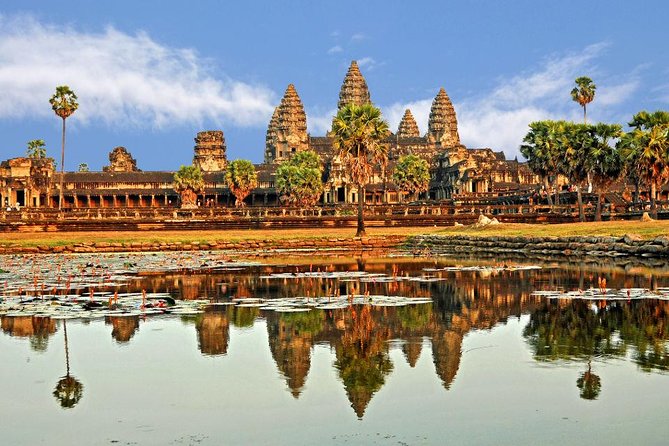
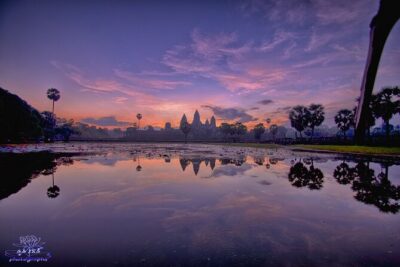
Day 2 starts with Angkor Wat again, this time for sunrise. You revisit for about three hours, then you return to your hotel so you can have breakfast.
That structure is practical. Sunrise viewing can run early, and the break afterward keeps the day from turning into a full-day punishment.
Sunrise at Angkor Wat, Why a Second Visit Matters
If you only visit Angkor Wat once, you only get one mood. With this schedule, you get sunrise on Day 2 and another Angkor Wat visit on Day 1, which means you can see the temple under different light and crowd conditions.
One review highlighted this as a strong choice for both sunrise and sunset style experiences, and the itinerary supports that idea because Angkor Wat is on the program both days.
Even if sunrise is not your thing, the second day still makes sense because it gives you orientation and then a new viewpoint.
Banteay Srei, the “Ladies Temple” Feel
After breakfast time, you go to Banteay Srei, often called the ladies temple. It is a 10th-century temple dedicated to Shiva, located about 25 km northeast of the main group.
It is a different vibe from the big, central Angkor sites. The focus is more on the intricate carvings and the quieter sense of place, and a guide helps you notice the design details instead of just walking past them.
Banteay Samre and Pre Rup, Brick, Laterite, and Angular Forms
Next is Banteay Samré, about 400 meters east of the East Baray. It is described as an early 12th-century Hindu temple in the Angkor Wat style.
Then you go to Pre Rup, another temple mountain built as the state temple of Khmer king Rajendravarman, dedicated around 961 or early 962. The mix of brick, laterite, and sandstone is one of the clues that helps you understand what you are seeing.
These stops are shorter, roughly an hour each. That keeps your day balanced between core Angkor hits and variety.
Kompong Phluk and the Tonle Sap Boat Ride
Then you head to Kompong Phluk, a collection of villages largely built on stilts on the Tonle Sap. The name is described as Harbor of the Tusks, and the community relies on fishing, especially during the wet season (May to October).
Here, the tour adds a motorised boat fee, and that is included. A boat segment is a big part of why this day feels like more than temple tourism. You can see life tied to the water level and the shoreline, not just stones and carvings.
One guide, Seng, was praised for adding the Tombe Sap Lake fishing village by wonderful boat ride and for explaining temple context along the way. That combination is what makes this tour feel rounded instead of purely sightseeing.
Alternate Day 2 Plan if You Skip Kompong Phluk
There is an alternative to Kompong Phluk. You can visit Preah Khan, Neak Poan, Ta Som, and East Mebon instead.
This helps if you prefer more temple time on Day 2, or if you decide the village route is not for you. The itinerary returns to town about 5:00 pm, which gives you time to grab dinner without feeling rushed.
What Makes the Guide Matter Here
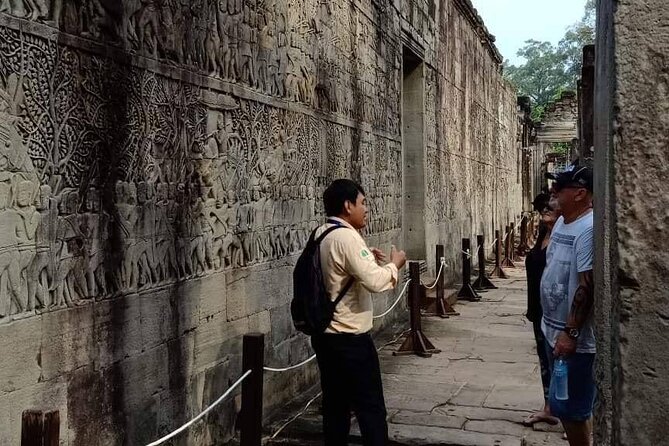
The tour leans on your guide, and the strongest feedback is consistently about how well the guide connects the sites. Mr. Choup was specifically praised as an awesome guide, with the feeling that you see everything you wanted and more.
Seng also earned high marks for doing an excellent job and for combining temple explanations with the village boat add-on. The key theme is not just that the guide talks, it is that you come away understanding what you looked at.
If you book this, come prepared with two simple questions. Ask what symbol or era you should focus on at the next temple, and ask how the layout of the complex works. That is usually enough to turn a long day into a satisfying story.
Comfort, Timing, and the Walking Reality
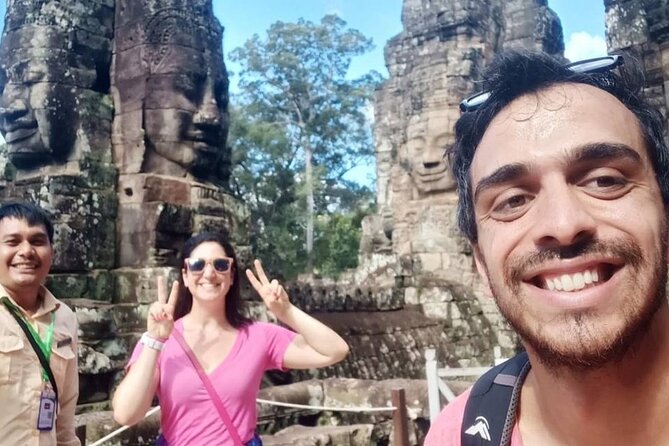
This tour is not a sit-and-glide experience. It is made for people who are okay walking between temples and dealing with steps.
The most caution comes from the physical demands. Reviews point out that climbing steps and walking around ruins can be challenging, and the tour description also says it is not suitable for less than average fitness.
That does not mean you should cancel. It means you should plan for it. Wear shoes you trust, bring water, and treat the stops as opportunities to rest. Cold towels and bottled water help, but you still need sensible pacing.
Also, start time is 8:30 am. If you prefer a slow morning, that is something to factor in, especially if you are also adjusting from travel and jet lag.
Who Should Book This Tour
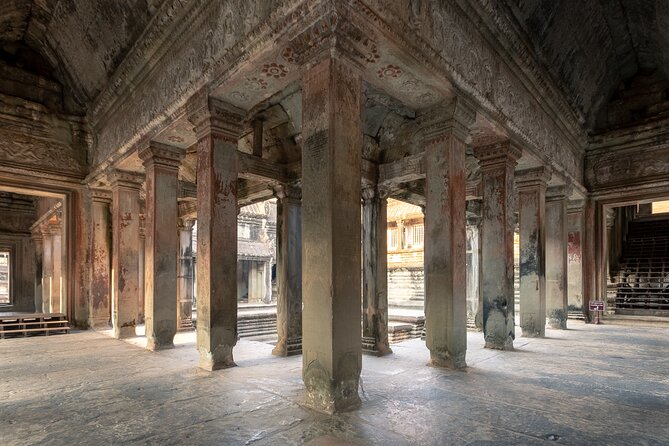
I think this tour is a great fit if you want:
- A private, guided Angkor plan with less stress about navigation
- Both sunrise and another major Angkor Wat time, thanks to the schedule
- One day that includes Tonle Sap by boat, so you are not only in temple mode
- An English guide who helps you understand what you are seeing
It may not be ideal if:
- You have trouble with stairs or long walks, since several sites involve climbs and uneven terrain
- You prefer total freedom to linger or skip sites without a fixed route
Because it is priced around $130 plus passes, it can be strong value if you want a full two-day experience without lining up multiple guides or transport separately.
Should You Book This 2-Day Angkor and Village Tour?
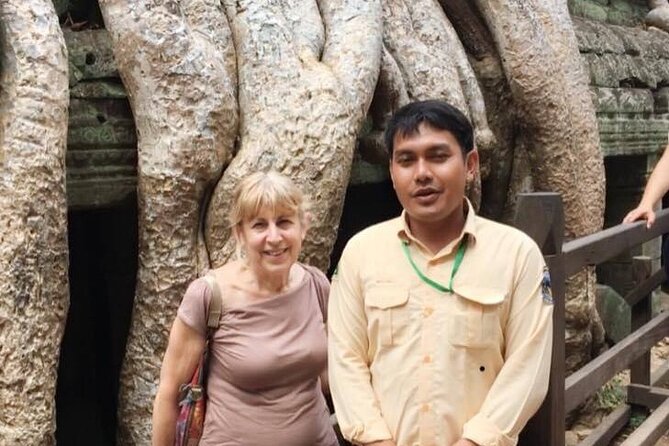
I would book this if you like structured days, strong guidance, and one real break from temple overload with the Tonle Sap boat and village stop. The mix of Angkor Park icons, a second Angkor Wat visit for sunrise, and a water-based village portion gives you variety without feeling scattered.
If your main goal is to handle everything at your own pace with no schedule, this might feel a bit tight. But if you want fewer decisions and a guide to make the stones easier to read, this is a solid bet.
Just budget for the temple passes and wear shoes that can handle steps. Do those two things, and you will likely come away with the kind of Angkor memories that last longer than photos.
FAQ
How much are the temple passes?
Temple passes are not included. The tour info lists a 2-day pass at USD 67 per person, and it also notes other pass options at the ticket office.
What does the $130 price include?
It includes hotel pickup and drop-off, an air-conditioned vehicle for the tour, a professional English-speaking guide, a fee for a motorised boat, bottled water, and cold towels.
Do I get an English-speaking guide?
Yes. The tour includes a professional English-speaking guide.
What time does the tour start?
The tour starts at 8:30 am, with the vehicle departing from your hotel at the start time.
Is the sunrise visit included?
Yes. Angkor Wat is revisited for sunrise on Day 2 as part of the itinerary.
Is this tour suitable for kids?
It is not available for children under 3 years old, and it is marked as not suitable for people who have less than average fitness or cannot walk normally.
Newly listed around Siem Reap
- Sambor Prei Kuk Off Beaten Track★ 5.0 · 3 reviews
- Siem Reap Airport Taxi Transfer – City Center Hotels★ 5.0 · 5 reviews
- Angkor Wat at Sunrise★ 4.0 · 7 reviews
- Short Cycling at Countryside★ 5.0 · 29 reviews
- Unveiling the Mystical Beauty of Phnom Kulen National Park★ 5.0 · 6 reviews
- Bakong Temples & Floating Village Tour★ 4.5 · 3 reviews
- Rooftop Romantic Dinner – 4 Courses Set Meal & Wine★ 3.5 · 5 reviews
- Khmer Cooking Class in Cambodia★ 5.0 · 36 reviews
2-Day Experiences, compared.
Angkor Wat 2-Day Tour with Sunrise and Sunset
Read our review →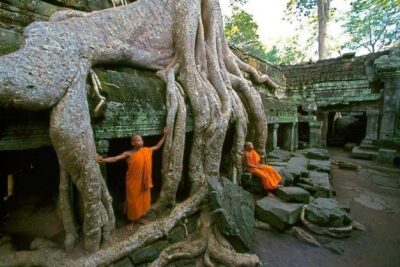
Angkor 2-Day Sunset & Sunrise Small-Group Tour
Read our review →
2 Days Exclusive Temple Highlights with Sunset and Sunrise Tour
Read our review →
Angkor Sunrise 1- or 2-Day Guided Temples Tour
Read our review →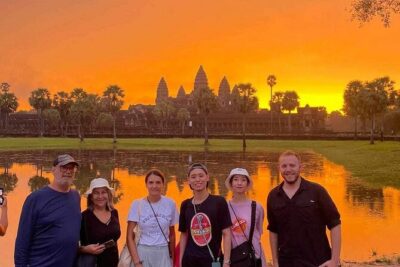
2-Day Angkor Wat With Small, Big Circuit and Banteay Srei Tour
Read our review →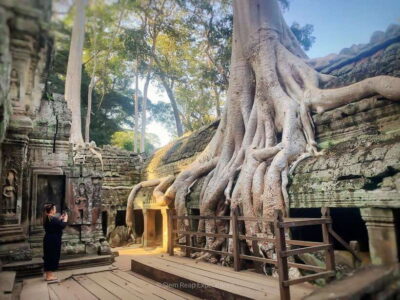
Angkor Wat 2-Day complex Sun rise & Sun set with Guided Tour
Read our review →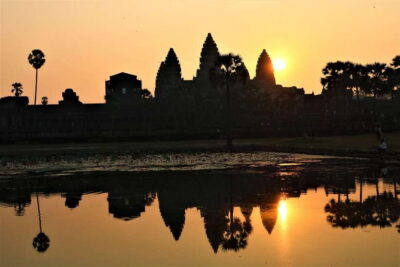
2-Day Temple Highlights Sunrise and Sunset Option
Read our review →Browse the lists this tour appears in