
Review · 2-DAY EXPERIENCES
2-Day Eight Temple Tour with Optional Sunrise
Angkor is easier when someone handles the route. This 2-day eight-temple circuit in Siem Reap mixes big-name sites with real Khmer craftsmanship, with hotel pickup and a private guide setting a workable pace.
I especially like how the guide, Sam, turns stone carvings into clear stories, and how you can keep moving at your own speed instead of getting herded.
One thing to weigh: the 3-day temple pass is not included, and Pre Rup has a steep climb that will feel like effort in the heat.
In This Review
- Key things I’d plan for
- Why This Two-Day Eight-Temple Tour Is a Smart Fit in Siem Reap
- Where the Value Comes From: $98 Plus the Temple Pass
- Day 1: From Pre Rup Views to Ta Prohm’s Jungle-Grab Atmosphere
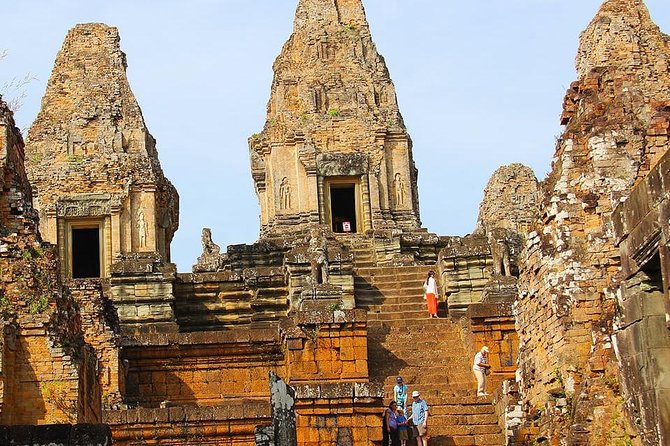
- Pre Rup, the “Mountain Temple” with the payoff at the top
- Banteay Samre, Angkor Wat style in a smaller frame
- Banteay Srei, pink sandstone and carvings with a legend
- Ta Prohm, the Tomb Raider temple where nature takes the lead
- Banteay Kdei, Buddhist chambers and the Monks’ Cells vibe
- Day 2: Angkor Wat First, Then Preah Khan and Bayon
- Angkor Wat, the main reason people come to Siem Reap
- Preah Khan, a 12th-century complex with minimal restoration
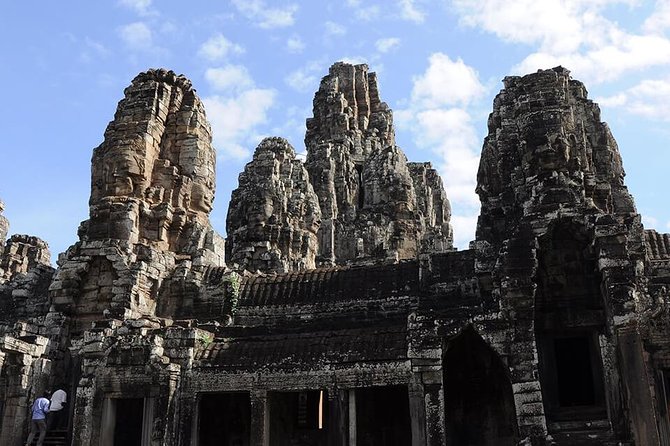
- Bayon, Hindu inscriptions plus Mahayana and Theravada Buddhism
- What Your Private Guide Actually Does for You
- Timing, Dress Code, and Small Choices That Save You Stress
- Optional Sunrise: What It Could Add to Your Two Days
- Who This Tour Suits Best
- Should You Book This 2-Day Temple Tour?
- FAQ
- What temples are included on this 2-day tour?
- Is hotel pickup and transport included?
- What is included in the $98 price?
- Do I need to buy the temple pass separately?
- What dress code do I need for the temples?
- Can I cancel for a full refund?
Key things I’d plan for
- An eight-temple hit in two days (so you avoid endless backtracking around the park)
- Private transport with pickup from your Siem Reap hotel
- A guide who makes the details click, with Sam specifically praised for storytelling and photography tips
- Day 1 includes both sunrise-style ruins and jungle drama at Ta Prohm
- Pre Rup’s “mountain temple” climb is a workout, not a flat stroll
- Temple pass required, plus a dress code (shoulders and knees covered)
Why This Two-Day Eight-Temple Tour Is a Smart Fit in Siem Reap
If you only have a short window in Siem Reap, you need a plan that gets you to the right ruins without wasting time. This tour is built around a classic route through the Angkor area, hitting eight temples across two days, with transport and a guide taking the pressure off you.
I like that the stops are balanced. You get the headline sights like Angkor Wat and Bayon, but you also spend real time at temples that feel quieter and more personal, like Banteay Srei and Banteay Kdei. That matters because the Angkor region can wear you out if every stop feels like a repeat of the same thing.
And since it’s private, you are not stuck in a rigid schedule of large-group timing. You can pause, take photos, and move on when you are ready. That alone can make temples feel less like a checklist and more like a sequence of experiences.
Others in Siem Reap worth putting side by side:
- Angkor Wat Sunrise or Sunset Tour with Guide from Siem Reap
★ 5.0 · 12,109 reviews - Siem Reap: Angkor Wat: Small-Group Sunrise or Sunset Tour
★ 5.0 · 9,444 reviews - From Siem Reap: Kampong Phluk Floating Village Tour by Boat
★ 4.9 · 6,979 reviews
Where the Value Comes From: $98 Plus the Temple Pass
The tour price is $98 for about two days, and it includes a tour guide, cold water, and transport suited to group size. That’s the practical core. You are paying for someone to get you through the logistics, explain what you’re looking at, and keep you from losing time in the wrong place.
The big additional cost is the 3-day temple pass, listed at $62 per person, and that is not included. So your real total will be closer to the tour price plus the pass, depending on how many people you book for. Even so, the value can stay strong because you are visiting multiple major temples across both days, not just one busy site.
Also note the tour mentions a mobile ticket and group discounts. If you are traveling in a group, that can help your overall math. If you are traveling solo or as a couple, the private setup is still a decent trade if you want control and fewer delays.
Day 1: From Pre Rup Views to Ta Prohm’s Jungle-Grab Atmosphere
Day 1 is where the tour earns its mood. It starts with a climb, moves into intricate Khmer stonework, then finishes with a famously overgrown ruin that still feels like a movie set.
Pre Rup, the “Mountain Temple” with the payoff at the top
Pre Rup is known as a mountain temple because you climb to towers at the top. This is one of those ruins where the view is part of the architecture, not just an optional photo spot. The surrounding countryside can look especially striking from the higher points, and that makes Pre Rup worth the effort.
This temple is also noted as an earlier build by the Khmer kings and a popular stop. Expect it to be a classic “work for it” start: your legs get a warm-up, then your eyes get the reward.
Practical thought: wear shoes you trust on steps, and don’t plan on wearing anything too slippery. The climb may be short in distance, but it can still feel intense up top.
A different kind of day in Cambodia:
- Sunset tour of Kampong Phluk stilts home village on the Tonle Sap
★ 5.0 · 4,865 reviews - Siem Reap: Angkor Wat 2-Day Tour with Sunrise and Sunset
★ 4.9 · 4,429 reviews - Siem Reap: Kampong Phluk Floating Village Tour with Boat
★ 4.9 · 3,843 reviews - Siem Reap: Full-Day Angkor Wat Guided Tour with Sunset
★ 4.9 · 3,803 reviews
Banteay Samre, Angkor Wat style in a smaller frame
Next comes Banteay Samre, described as a stunning example of Khmer architecture built in a style similar to Angkor Wat. The key word here is “similar,” meaning you get that Angkor design language without having to stand inside the biggest crowds at the main landmark.
You can typically spend around an hour exploring towers and focusing on the carvings. That “long enough to appreciate, short enough to recover” balance is a big reason this stop works on a tight two-day schedule.
Banteay Srei, pink sandstone and carvings with a legend
Then you hit Banteay Srei, famous for its pink sandstone from quarries in the Kulen Mountain range. Color is part of what makes this temple feel different from the others. It also has intricate carvings, and the legend is that women carved some of the work. Whether you take the legend literally or not, it gives you a good lens for looking closely.
This is the kind of temple where you can slow down and actually read the stone. If you enjoy details, you’ll feel like you are getting more than postcard views.
Ta Prohm, the Tomb Raider temple where nature takes the lead
After the crisp stonework of Banteay Srei, you step into Ta Prohm, also known as the Tomb Raider temple. It was used as a set for the Tomb Raider movie starring Angelina Jolie, and you can see why: the structure feels dramatic, with jungle growth woven into the ruin.
The temple has been left to the elements, and it’s kept safe for visitors while restoration work remains limited. That “left as-is” approach can make the place feel more immediate, less like a polished museum.
Practical thought: this is often the most “photo and pause” stop of Day 1, so don’t burn all your energy at the first two temples. Save some for Ta Prohm’s slower rhythm.
Banteay Kdei, Buddhist chambers and the Monks’ Cells vibe
Day 1 ends at Banteay Kdei, also called the Citadel of Chambers or Citadel of Monks’ Cells. It’s a Buddhist temple located near Ta Prohm, which keeps the route logical.
If Ta Prohm feels wild and overgrown, Banteay Kdei can feel more contained. It still has that Khmer-era complexity, but with a different mood and purpose.
Day 2: Angkor Wat First, Then Preah Khan and Bayon
Day 2 is built around the Angkor Archaeological Park’s centerpiece: Angkor Wat, followed by two temples that show different sides of Khmer religious life and royal power.
Angkor Wat, the main reason people come to Siem Reap
The tour starts at Angkor Wat, the reason most visitors come to Siem Reap. It’s described as the largest temple built during the Khmer empire, and it attracts over 2 million visitors per year. That number alone tells you what you’re walking into: this is the signature landmark.
The upside of visiting early, with your own pacing and guide context, is that you can focus on the parts you care about. Even at a famous site, having a guide can stop you from wandering randomly and missing what the temple is telling you through layout and details.
Preah Khan, a 12th-century complex with minimal restoration
After Angkor Wat, you head to Preah Khan, a 12th-century temple built by King Jayavarman VII. One of the standout notes here is that Preah Khan has been left to the elements, with very little restoration work.
That matters because it changes the feel. Instead of everything looking freshly repaired, you get a more weathered, time-worn look, and it can help you understand the scale and original structure without the “everything is new” effect.
Bayon, Hindu inscriptions plus Mahayana and Theravada Buddhism
The day finishes at Bayon, which the tour describes as having remnants of Hindu inscriptions plus both Mahayana and Theravada Buddhist inscriptions. That mix makes Bayon especially interesting if you like religious history and how cultures overlap on the same stone walls.
The temple is usually a favorite, and your guide will help you find meaningful details in the nooks and crannies. The tour includes a few hours here, which is a good sign. Bayon is the type of site where hurrying turns it into “pretty faces,” but slow time turns it into understanding.
What Your Private Guide Actually Does for You
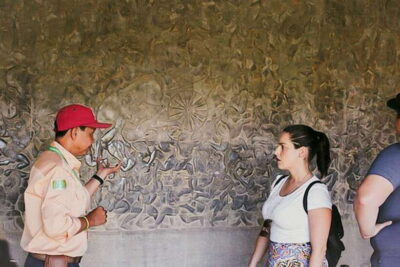
A temple tour can go two ways. Either you see monuments, or you understand what you’re seeing. This tour leans hard toward the second option by pairing transport with a guide who tells the history and stories of each temple.
The praise for Sam comes through because he’s described as a master storyteller with strong photography skills. Even if you are not a serious photographer, that kind of guide thinking helps you frame shots, find viewpoints, and time your stops so you are not just grabbing images, you’re building a mental map.
Here’s what I think you should expect from a good guide at Angkor:
- Turning architectural features into plain explanations you can remember
- Helping you notice carved details without turning the day into a lecture
- Keeping you moving, but not rushing you past the moments you care about
With private pacing, you get fewer wasted stops. You can linger at Banteay Srei’s carvings or spend extra time at Bayon’s inscriptions, then move on without feeling like you are behind schedule.
Timing, Dress Code, and Small Choices That Save You Stress
This tour has one non-negotiable: cover your shoulders and knees to enter temples. Plan your clothing accordingly. In Siem Reap heat, that can mean breathable pants and a light top that still covers. Bring a layer if you get cold from early mornings or temple shade surprises.
Also, expect a day of walking. Even if this is not described as a strenuous hike, you do get at least one true climb at Pre Rup. Your best move is simple: comfy shoes and a water plan.
The tour includes cold water, which helps. Still, if you tend to get thirsty quickly, you might want to bring a little extra of your own as a backup. That’s just good travel sense.
One more practical note: the tour says there’s no crowds holding you up, which is the sort of promise you can actually benefit from. In practice, it means your route and pacing can focus on your group, not a giant timetable where you spend more time waiting than looking.
Optional Sunrise: What It Could Add to Your Two Days
The tour title includes an optional sunrise. You should treat that as a “more time, more early start” choice. The payoff is usually better light and a calmer feel around major ruins, but the trade is you may need to compress your energy for the rest of the day.
If sunrise is important to you, pick it. If you hate early alarms and prefer to enjoy temples when your brain is fully awake, skip it and save that energy for longer exploring later.
Either way, this itinerary is already structured to give you a full Day 1 plus a strong Day 2 anchored by Angkor Wat.
Who This Tour Suits Best
This fits well if:
- You want major Angkor highlights plus smaller, characterful temples, all in a tight schedule
- You prefer a private setup with room to move at your own pace
- You like guides who explain what you’re seeing and keep the day organized
It may be less ideal if:
- You dislike climbs, because Pre Rup is described as a steep climb to towers
- You don’t want to budget for the temple pass on top of the tour price
As a side note, the tour says most travelers can participate. Still, if mobility is a concern for you, the Pre Rup climb is the point to think about first.
Should You Book This 2-Day Temple Tour?
Yes, if you want a well-paced, organized way to hit eight temples without turning your trip into hours of transport planning. The combination of private transport, hotel pickup in Siem Reap, and a guide who can tell the story behind the carvings is what makes this kind of tour feel worth it.
I’d book it especially if your time is short and you want Angkor Wat and Bayon without ignoring the temples that make the region feel special in between. Just remember the real cost is the $98 plus the 3-day temple pass, and you’ll get the best experience by dressing for temple rules and bringing shoes that handle stairs.
FAQ
What temples are included on this 2-day tour?
The tour includes Pre Rup, Banteay Samre, Banteay Srei, Ta Prohm, and Banteay Kdei on Day 1. Day 2 includes Angkor Wat, Preah Khan, and Bayon.
Is hotel pickup and transport included?
Yes. The tour includes private transport with convenient pickup from your Siem Reap hotel, plus suitable transport for the group size.
What is included in the $98 price?
The tour price includes a tour guide, cold water, and suitable transport for the group size.
Do I need to buy the temple pass separately?
Yes. A 3-day temple pass is not included. The pass price is listed as $62 per person.
What dress code do I need for the temples?
You must cover your shoulders and knees to enter the temples.
Can I cancel for a full refund?
Free cancellation is available. You can cancel up to 24 hours in advance for a full refund, as long as you cancel at least 24 hours before the experience’s start time.
Newly listed around Siem Reap
- Sambor Prei Kuk Off Beaten Track★ 5.0 · 3 reviews
- Siem Reap Airport Taxi Transfer – City Center Hotels★ 5.0 · 5 reviews
- Short Cycling at Countryside★ 5.0 · 29 reviews
- Unveiling the Mystical Beauty of Phnom Kulen National Park★ 5.0 · 6 reviews
- Angkor Wat at Sunrise★ 4.0 · 7 reviews
- Bakong Temples & Floating Village Tour★ 4.5 · 3 reviews
- Rooftop Romantic Dinner – 4 Courses Set Meal & Wine★ 3.5 · 5 reviews
- Khmer Cooking Class in Cambodia★ 5.0 · 36 reviews
2-Day Experiences, compared.
Angkor Wat 2-Day Tour with Sunrise and Sunset
Read our review →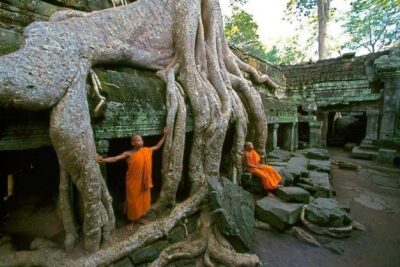
Angkor 2-Day Sunset & Sunrise Small-Group Tour
Read our review →
2 Days Exclusive Temple Highlights with Sunset and Sunrise Tour
Read our review →
Angkor Sunrise 1- or 2-Day Guided Temples Tour
Read our review →
2-Day Angkor Wat With Small, Big Circuit and Banteay Srei Tour
Read our review →
Angkor Wat 2-Day complex Sun rise & Sun set with Guided Tour
Read our review →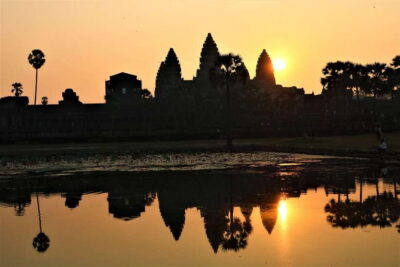
2-Day Temple Highlights Sunrise and Sunset Option
Read our review →Browse the lists this tour appears in