
Review · 3-DAY EXPERIENCES
3 Days Siem Reap Explorer – Small Group
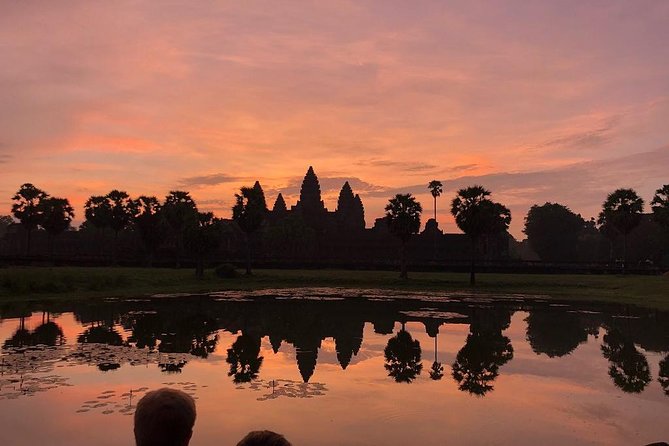
Sunrise Angkor feels less rushed here. You get small-group pacing (max 15) plus a sunrise plan that starts before most people have had coffee. I like that the tour feels organized, not hectic, and that the guide keeps the temples understandable while you’re standing in front of them.
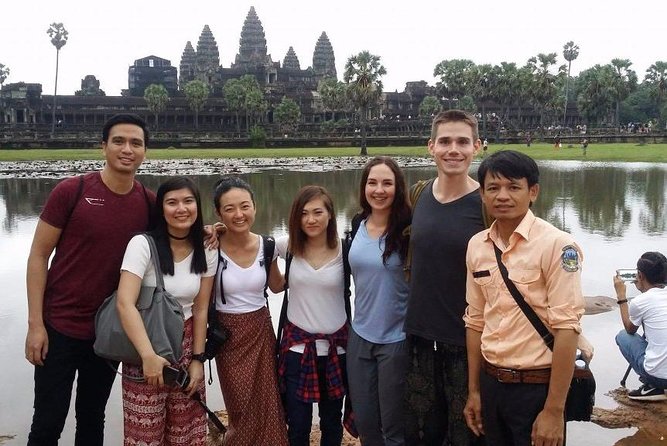
I love two things most: the intimate group size, and having an English-speaking guide who can explain what you’re seeing in plain language, including my guide Sok, who gets real credit for keeping the day fun and clear. One caution: the big temple pass is not included, so you need to budget an extra $62 per person and come ready for very early starts.
Over three days, you’ll cover classic Angkor stops, plus a boat time on Tonle Sap via Kampong Phluk (or a Phare Circus visit in the dry-season window), with air-con transport, hotel pickup, and even mineral water worked into the plan.
In This Review
- Key takeaways before you go
- Day-to-day structure: small-group Siem Reap that actually feels manageable
- Angkor sunrise at the right hour: Angkor Wat before the crowds
- Angkor Thom South Gate and Bayon: the capital-city vibe
- Ta Prohm, the Tomb Raider temple, and why it lands well on day two
- Tonle Sap at Kampong Phluk, plus the seasonal Phare Circus swap
- Bakong as your temple warm-up: old Khmer roots before the big names
- Preah Khan and Neak Pean: the quieter, more atmospheric day three
- Banteay Srei: smaller temple, serious detail
- Pre Rup at the end: temple mountain plus a classic finale
- Price and temple pass math: what $129 actually turns into
- What to wear and pack for Angkor days that add up
- Who this 3-day Siem Reap explorer is best for
- Should you book this tour?
- FAQ
- What is included in the tour price?
- Do I need to pay for the temple pass?
- What time does the Angkor Wat sunrise tour start?
- Is pickup from my hotel included?
- What happens during the dry season for Tonle Sap and Phare Circus?
- How big is the group, and are children welcome?
Key takeaways before you go
- Max 15 travelers keeps the Angkor experience conversational, not chaotic
- Sunrise departure at about 4:00 to 4:30 am (season dependent) helps you beat the day crowd
- Temple pass is separate ($62 per person for 3 days), paid directly at the activity
- Tonle Sap vs. Phare Circus depends on season (Mar 1 to Aug 31), so check your dates
- English guide + air-con vehicle makes temple hopping far easier in the heat
- Banteay Srei and Pre Rup add variety with detail-heavy carving and a classic temple-mountain finale
Day-to-day structure: small-group Siem Reap that actually feels manageable
This tour is built around the reality that Angkor is spread out, the heat shows up fast, and temple walks add up quicker than you think. The small group size matters because you move as a unit, you get time to ask questions, and you are less likely to feel like you’re sprinting from stop to stop just to keep up.
Pickup and drop-off are included, and the vehicle has air-conditioning, which is a big deal in Siem Reap. You also get mineral water along the way, so you can focus on walking and looking, not hunting down drinks every few blocks.
Also, the tour uses a mobile ticket, which is convenient, even if Cambodia travel still has a way of being slightly flexible day to day. The bottom line: this is a good fit if you want guided help without being trapped in a huge bus-group rhythm.
Others in Siem Reap worth putting side by side:
- Angkor Wat Sunrise or Sunset Tour with Guide from Siem Reap
★ 5.0 · 12,109 reviews - Siem Reap: Angkor Wat: Small-Group Sunrise or Sunset Tour
★ 5.0 · 9,444 reviews - From Siem Reap: Kampong Phluk Floating Village Tour by Boat
★ 4.9 · 6,979 reviews
Angkor sunrise at the right hour: Angkor Wat before the crowds
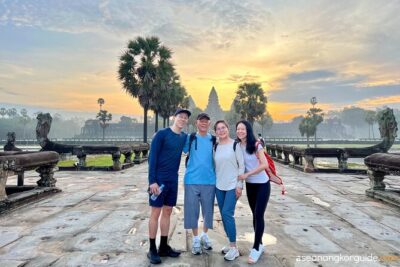
Your big moment is the sunrise visit to Angkor Wat, with a pre-dawn departure from your hotel around 4:00 to 4:30 am depending on the season. That early start is not just for drama. It helps you experience the temple in low light, before the buses arrive, and it gives your brain time to shift gears from night-time Siem Reap to ancient stone.
The plan also includes entering Angkor Wat from the eastern side, described as the little-visited entrance from the tour details. Even if you’ve seen photos, this angle can feel different because you’re approaching the temple from a more quiet direction and you’re not immediately surrounded by people doing the same click-and-go routine.
You get about three hours here, which is enough time to look, take a breath, and understand why Angkor Wat is the main event. The guide’s job is to connect what you’re seeing with the temple story so it doesn’t turn into a blur of towers and carvings.
Practical note: sunrise means you should treat this as a morning for energy, not extra coffee. If you tend to run late, build in buffer the night before.
Angkor Thom South Gate and Bayon: the capital-city vibe
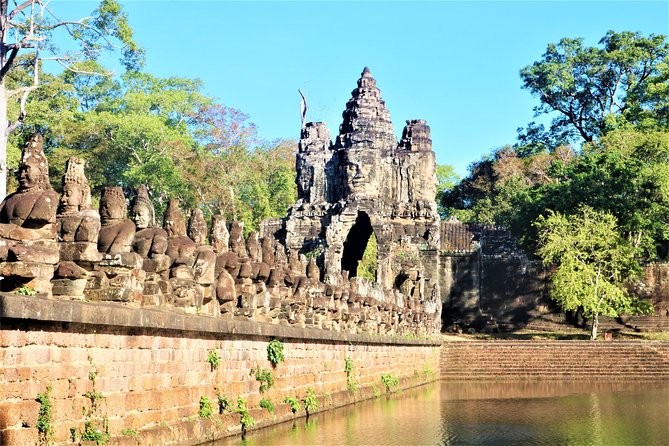
After Angkor Wat, the tour keeps rolling into the Angkor Thom area. First stop is the South Gate, with time set aside for a pause and a sense of scale before you go inside. The gate is a good transition from the big single-site focus of Angkor Wat to the more city-like feeling of Angkor Thom.
Next you head into Angkor Thom itself, with a stop centered around Bayon. The tour schedule gives you about an hour and a half total here, which is helpful because Angkor Thom is a place where walking slowly pays off. You’re not trying to conquer it in ten minutes.
You’ll also pass by the Terrace of the Leper King and the Terrace of Elephant. Even without a long stop at each, those named terraces are useful checkpoints. They help you orient yourself later, especially if you want to revisit on your own after the tour ends.
This portion is not the fastest part of the day. It’s the part where the guide’s commentary can help you feel less lost in the layout and more grounded in what each area is supposed to represent.
Ta Prohm, the Tomb Raider temple, and why it lands well on day two
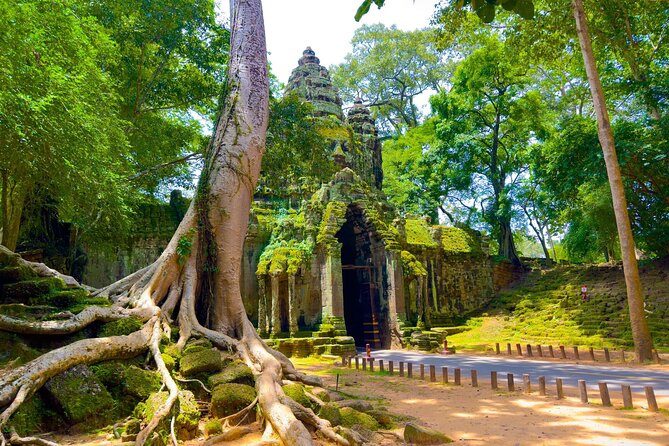
Your day-two finish in the Angkor complex is Ta Prohm, the famous temple often associated with the Tomb Raider look. The schedule gives you about an hour, which is just right for this kind of temple, where the setting does half the storytelling for you.
The tour description mentions an important detail: Ta Prohm once housed 2,740 monks and today it still feels like it does in the early 1850s when it was described as crumbling and rediscovered. That context matters because Ta Prohm is easy to treat like a movie set. With the explanation, you get a sense of what people were there for, not just what the ruins look like.
You also get a good pacing rhythm here. It’s far enough into day two that you’re ready to appreciate atmosphere, but not so late that you’re completely cooked in the heat.
A different kind of day in Cambodia:
- Sunset tour of Kampong Phluk stilts home village on the Tonle Sap
★ 5.0 · 4,865 reviews - Siem Reap: Angkor Wat 2-Day Tour with Sunrise and Sunset
★ 4.9 · 4,429 reviews - Siem Reap: Kampong Phluk Floating Village Tour with Boat
★ 4.9 · 3,843 reviews - Siem Reap: Full-Day Angkor Wat Guided Tour with Sunset
★ 4.9 · 3,803 reviews
Tonle Sap at Kampong Phluk, plus the seasonal Phare Circus swap
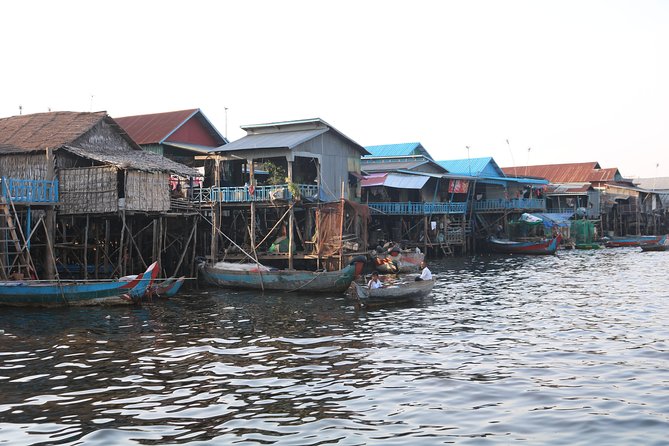
On day one, you start with the Kampong Phluk Floating Village area, leaving around 7:30 am from your hotel. This is a different side of Cambodia than Angkor. Instead of temples, you’re seeing life tied to the lake.
Tonle Sap is described as the world’s second largest freshwater lake by area, and it swells dramatically, reaching 12,000 km². That fact gives you immediate context for why stilt houses and floating life make sense here. The tour includes the time at Kampong Phluk and the related entrance fee and boat cruise as part of what’s covered.
Then you head to another major site later the same day, but the Tonle Sap experience is the emotional reset. It’s a change of pace that helps you go to Angkor more thoughtfully.
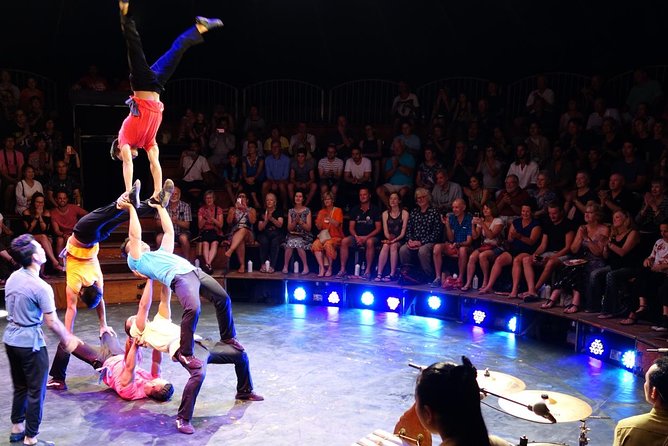
Now the key seasonal twist: in the dry season window March 1 to August 31, the tour details say the group visits Phare The Cambodian Circus (seat C) as an alternative from the Tonle Sap plan. The intent is practical, not just random. Your dates will determine whether you get more lake time or more show time.
If you do Phare Circus, you’re not just watching acrobatics for fun. The tour description notes its post-Khmer Rouge origins, which gives the performance an added layer. It’s also included, so you’re not hunting down tickets while you’re already juggling temple schedules.
Bakong as your temple warm-up: old Khmer roots before the big names
Between lake time and the evening option, you visit Bakong, with about three hours set aside. Bakong is described as among the oldest Khmer monuments in the area, dating back to the 9th century reign of King Indravarman I.
That early date is a great warm-up because it helps you stop thinking of Angkor as one single style. You start to notice how older structures feel, compared to the later, more widely recognizable Angkor-era sites.
One small thing to plan for: Bakong’s admission is marked as not included. The guide will handle the flow, but you should expect that not every stop is covered without additional payment. This also ties into the bigger financial point about the temple pass, which I’ll get to soon.
Preah Khan and Neak Pean: the quieter, more atmospheric day three

Day three shifts toward a mix of ruined temple atmosphere and Buddhist island-temple geometry.
First is Preah Khan, described as a highly atmospheric tangle of tree roots and crumbling stone structures. The schedule gives you about an hour here. That’s the right amount of time for a temple like this, where the scene is more about mood than speed.
Next you visit Neak Pean, an artificial island with a Buddhist temple on a circular island in Jayatataka Baray. You get about 40 minutes. Neak Pean tends to feel different from the giant temple-mountain sites, and that contrast is useful if you want your three days to feel varied rather than repetitive.
The tour keeps you moving, but it does not pack these stops so tightly that you can’t slow down when something catches your eye.
Banteay Srei: smaller temple, serious detail
After Preah Khan and Neak Pean, you move to Banteay Srei. This is one of the most satisfying stops on a multi-temple schedule because the tour description calls out its preservation and the quality of the reliefs, saying they’re regarded as the finest and most skillfully crafted in Cambodia.
You’ll get about 1 hour 30 minutes, which is enough to actually look at the carving rather than just walking through the gate and moving on. If you like detail, this is the day-three stop that rewards patience.
Admissions are marked as not included, so keep an eye on what’s paid with your temple pass and what is paid separately. The guide can clarify what you need in the moment.
Pre Rup at the end: temple mountain plus a classic finale
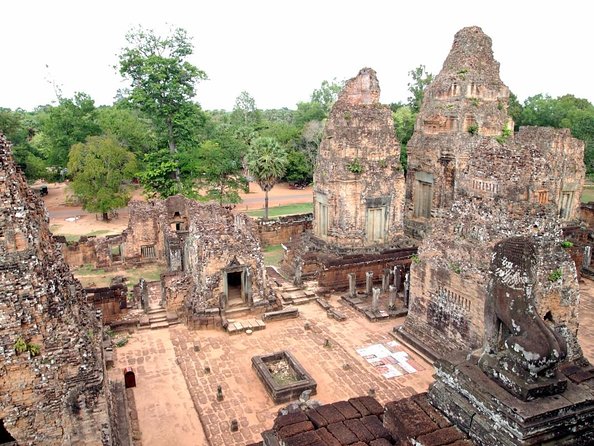
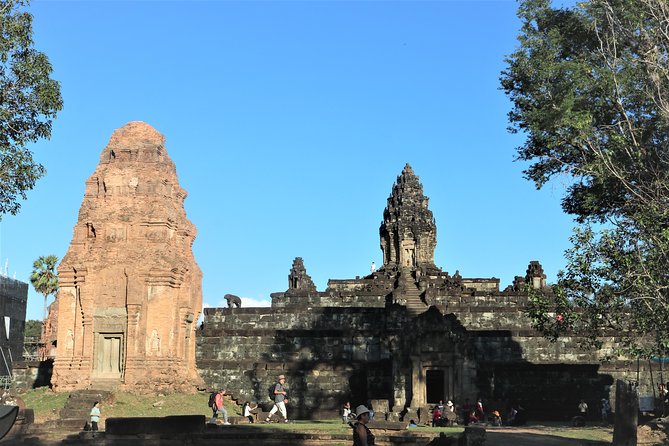
Your final stop is Pre Rup, a Hindu temple built as the state temple of Khmer king Rajendravarman, dedicated in 961 or early 962. The tour description highlights it as a temple mountain made of brick, laterite, and sandstone construction.
You get about 1 hour 30 minutes here, which works well as a closer. Pre Rup feels like a summary stop because you can look at the overall shape and construction style without needing to memorize a dozen smaller sub-sites.
By day three, you’ve learned how to see Angkor with your feet, not just your eyes. You’ll likely find this last temple easier to understand than if you had started here on day one.
Price and temple pass math: what $129 actually turns into
The listed price is $129 per person for a three-day guided tour. On top of that, there’s a mandatory extra cost: a temples pass for 3 days, which the details say is $62 per person, paid directly on the day of your activity.
So your basic budget becomes about $191 per person before meals. That can sound like an add-on, but it’s also how Angkor works. You are paying to access the protected temple zones, and the tour is doing the coordination around that access.
What you do get at this price:
- Hotel pickup and drop-off
- Licensed English-speaking guide
- Air-con vehicle
- Mineral water
- Tonle Sap entrance fee and boat cruise, or the Phare Circus show (seat C) depending on season
- Temple-specific inclusions where the listing says so
Meals are not included, so plan on eating on your own between temple blocks. That gives you freedom to choose local spots that fit your tastes and timing, but it also means you should carry a little cash and keep your energy up with snacks and water.
Given the early sunrise start, multi-day temple logistics, and the max 15 group size, I think this is solid value if you want a guided structure. If you hate early mornings and prefer total independence, then the value flips, because you’ll be paying for that organization.
What to wear and pack for Angkor days that add up
You’ll do a lot of walking on uneven temple surfaces and in heat. The tour recommends comfortable walking shoes, which is not optional.
Dress code is simple but strict inside temples: shoulders and knees must be covered. That means a light T-shirt and knee-length shorts, or a breathable shirt and long skirt or pants. Casual is fine outside temple zones, just plan for the moments you have to cover up.
Also, sunrise at Angkor means you may feel cooler at first and then hot fast. Bring something light you can layer and remove.
Who this 3-day Siem Reap explorer is best for
This tour fits best if you want:
- A guided, small-group Angkor circuit with an English-speaking guide you can ask questions to
- A balanced mix of temples plus Tonle Sap life (or Phare Circus, if your dates fall in the dry season window)
- A pacing plan that avoids the worst kind of temple fatigue
If you’re traveling solo, it still works, since the minimum booking is 2 people, and the group cap stays under control. If you’re a family, the tour notes that children must be accompanied by an adult, and children younger than 5 years old are not allowed.
If you are the type who likes to photograph and move slowly, the structure helps you slow down at the right stops, like Ta Prohm and Banteay Srei, instead of rushing everything equally.
Should you book this tour?
I’d book this if you want a smart three-day structure: Angkor sunrise, a guided Angkor Thom and Ta Prohm day, and a day three that covers Preah Khan, Neak Pean, Banteay Srei, and Pre Rup without pretending you can do it all alone.
Skip it, or at least think hard, if:
- You don’t want the pre-dawn start time for Angkor Wat
- You dislike tours where a separate mandatory cost like the $62 temple pass is added on the day
- You’re traveling on dates where you really wanted the Tonle Sap boat time, since the plan can swap to Phare Circus during March 1 to August 31
One more sanity check: the tour has a 4.9 rating with 50 reviews and a 100% recommendation rate based on the summary provided. That kind of consistency is usually a sign the guide and pacing hold up.
If you book, go in with one goal: let your guide help you connect the sites. That’s when the temples stop being just famous and start making sense.
FAQ
What is included in the tour price?
The price includes a licensed English-speaking guide, air-con vehicle, hotel pickup and drop-off, mineral water, and a guided 3-day program covering major temples. It also includes Tonle Sap entrance fee and boat cruise or Phare Circus (seat C), depending on season, plus local tax.
Do I need to pay for the temple pass?
Yes. A separate temples pass for 3 days is required and costs $62 per person, paid directly on the day of your activity.
What time does the Angkor Wat sunrise tour start?
The sunrise visit to Angkor Wat includes a pre-dawn departure from your hotel, typically 4:00 to 4:30 am depending on the time of year.
Is pickup from my hotel included?
Yes. The tour includes hotel pickup and drop-off, and the tour vehicle is air-conditioned.
What happens during the dry season for Tonle Sap and Phare Circus?
In the dry season window March 1 to August 31, the tour details say the group visits Phare The Cambodian Circus (seat C) as an alternative from the Tonle Sap portion.
How big is the group, and are children welcome?
This is a maximum 15 travelers small-group tour. Children must be accompanied by an adult, and children younger than 5 years old are not allowed.
Newly listed around Siem Reap
- Sambor Prei Kuk Off Beaten Track★ 5.0 · 3 reviews
- Siem Reap Airport Taxi Transfer – City Center Hotels★ 5.0 · 5 reviews
- Short Cycling at Countryside★ 5.0 · 29 reviews
- Unveiling the Mystical Beauty of Phnom Kulen National Park★ 5.0 · 6 reviews
- Angkor Wat at Sunrise★ 4.0 · 7 reviews
- Bakong Temples & Floating Village Tour★ 4.5 · 3 reviews
- Rooftop Romantic Dinner – 4 Courses Set Meal & Wine★ 3.5 · 5 reviews
- Khmer Cooking Class in Cambodia★ 5.0 · 36 reviews
3-Day Experiences, compared.
3-Day Angkor Wat with All Interesting Major Temples, Banteay Srei & Beng Mealea
Read our review →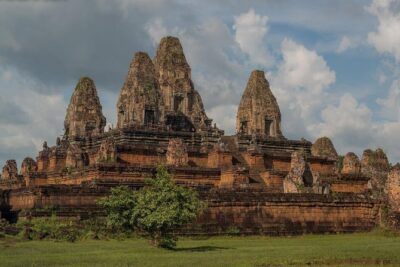
3-Day Angkor Wat & All Interesting Major Temples & Kulen Mount Waterfall
Read our review →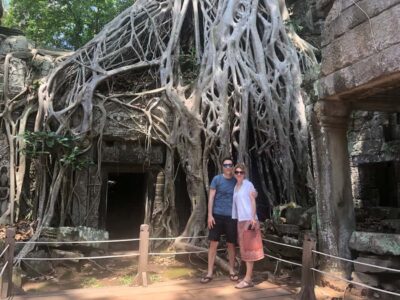
Angkor Region: 3-day Private Tour of Top Temples
Read our review →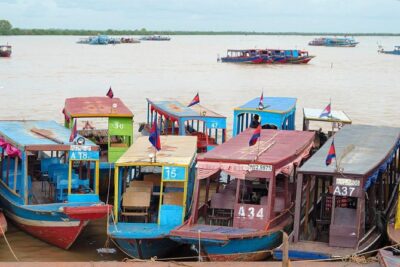
Best of Siem Reap 3-Day Private Tour to Angkor Wat & Tonle Sap
Read our review →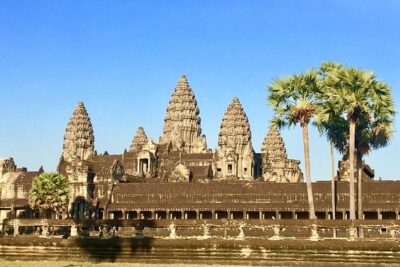
Private Siem Reap 3 Day Tour Discover All Highlight Angkor Temple
Read our review →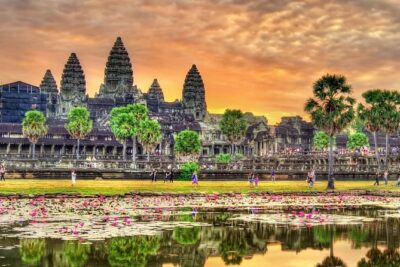
3-Day Tour(Unforgettable Angkor Temple Complex, Banteay Srei& Floating Village)
Read our review →Browse the lists this tour appears in