

Review · BATTAMBANG TOURS
Handicraft tour/rice paper,/rice wine/bat cave Sun Set
A day in Battambang can feel like two trips in one. You start with rice-country life and crafts, then end on Phnom Sampov for the famous bat cave sunset. It is a long, hands-on ride, and the best parts are the small stops where you see how food and traditions are actually made.
Two things I really like: you get tastings built into the schedule, including rice wine and rice paper for spring rolls, and you also get real context at Wat Samrong Khong, where your guide explains the Khmer Rouge under Pol Pot.
One possible drawback: it is a full day and many key moments have extra fees once you’re there, plus it can feel information-heavy if your guide covers history in long blocks at the same spot.
In This Review
- Key highlights at a glance
- Battambang by tuk tuk, from paddy fields to bat cave sunset
- Your morning start: pickup and the countryside flow
- Fresh market stop and village agriculture breaks
- Wat Samrong Khong: serious Khmer Rouge history in a real place
- Bamboo sticky rice, craft workshops, and everyday production
- Rice paper and spring-roll tasting: how it fits the day
- Rice wine factory tasting: a key part of the experience
- Ek Phnom temple and the countryside route through everyday streets
- Bamboo train ride: the ticket cost and why it’s worth it
- Phnom Sampov mountain: killing cave, bat cave, and sunset timing
- Price and logistics: what the $8 base price really means
- What you’ll learn and how the best guides shape the day
- Who should book, and who should skip this one
- Should you book? My decision checklist
- FAQ
- What time does the tour start in Battambang?
- Where do I get picked up?
- Is lunch included?
- What is included in the tour price?
- What extra costs should I expect for tastings and tickets?
- Do I have to hike to Phnom Sampov mountain?
- How long do we wait for the bats to emerge?
- What should I bring for the tour?
- Is this tour suitable for older travelers or people with mobility issues?
- Is the guide available in English?
Key highlights at a glance
- Rice wine and rice paper tastings you can plan your budget for upfront
- Wat Samrong Khong history time, with your guide explaining Khmer Rouge and Pol Pot
- Bamboo train ride plus countryside stops that keep the day moving
- Phnom Sampov killing cave and bat cave timing that lands on sunset
- Local food production stops like bamboo sticky rice, dried fish, and Khmer cheese
- A very photo-friendly finale with monkeys and the chance to photograph near crocodiles
Battambang by tuk tuk, from paddy fields to bat cave sunset
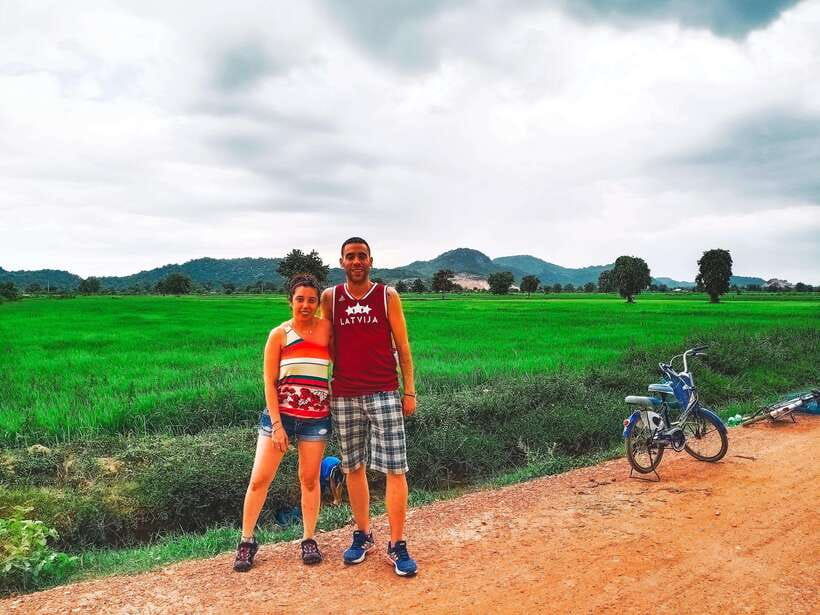
This is a Battambang day tour built around motion. You’re in a tuk tuk for long stretches, and that matters, because a lot of what you’ll see is spread out: paddy fields, market life, village workshops, and then finally the Phnom Sampov hill for bats.
What makes it more than a checklist is the rhythm. You don’t just drive past farms. You stop for seed and growing talk, for food-making demonstrations, and for small tastings along the way. Then you finish with a moment that feels like a movie scene: bats pouring out right as the light turns golden.
More of Battambang:
- Battambang: Tuk-Tuk, Bamboo Train, Killing/Bat Caves, Sunset
★ 4.9 · 1,436 reviews - Battambang Tuk Tuk tour: Bambootrain, Killing & Bat Caves,Sunset
★ 5.0 · 799 reviews - Afternoon tour by tuk tuk to bamboo train,bat cave,killing cave,countryside.
★ 5.0 · 344 reviews
Your morning start: pickup and the countryside flow
Most starts are in the morning, commonly around 9:00 AM, and pickup is available from your hotel in the Battambang area. Your guide will begin with a short briefing, then the day typically unfolds in a countryside loop, with a mix of fields, small villages, and food stops.
A practical tip: bring cash early, even before lunch. Several tastings and entry tickets are not included, and paying on the spot is how this day works. Also, if you want the experience to feel relaxed instead of rushed, you’ll do better with a light backpack and comfortable shoes, since there is a hill climb option later.
Fresh market stop and village agriculture breaks
One of the most useful parts of the early day is the way the guide connects what you see to how people live. After countryside time, you’ll move to a fresh market stop.
Then it gets more grounded. You’ll see and hear about farming basics, including rice seeds and how rice is grown. The guide also points out small everyday details you might otherwise miss, like how the day’s work fits around fields and village schedules.
This section works best for you if you like the slow, real-world stuff: looking, asking questions, and tasting what’s being sold. If you prefer only major sights with minimal time on agriculture topics, you might want to mentally prepare for a lot of village-scale learning.
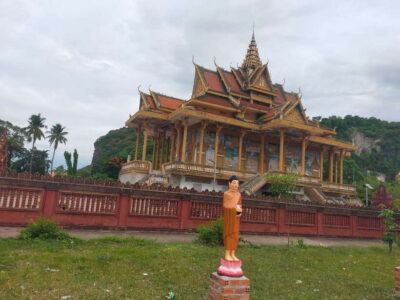
Wat Samrong Khong: serious Khmer Rouge history in a real place
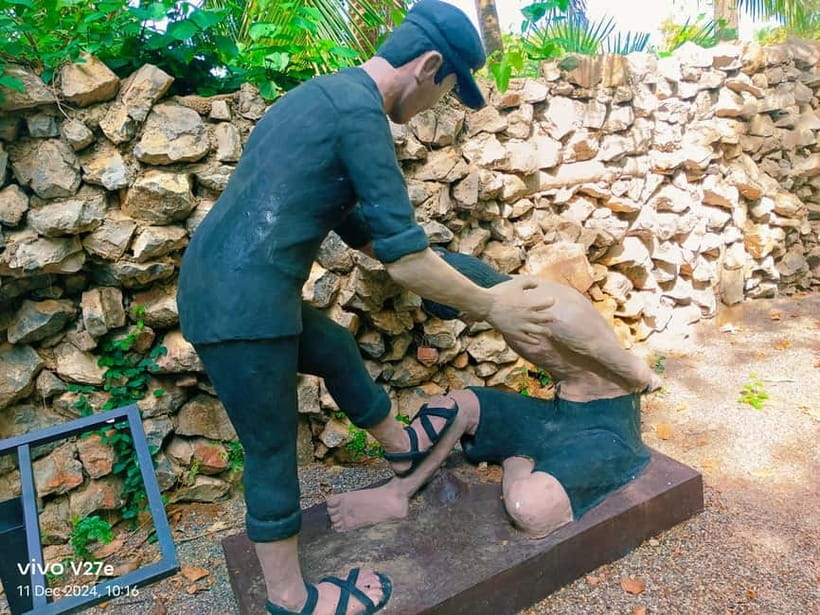
Next comes Wat Samrong Khong, described as a killing field. This is the part of the day that is not about snacks or photos. Your guide explains the history of the Khmer Rouge and Pol Pot at this stop.
Even if you’ve read about Cambodia’s past before, visiting a site like this changes the feeling. It’s quiet, weighty, and you’ll likely hear details delivered in a way that stays close to the location. Plan to be mentally present here, not scrolling your phone every ten seconds.
A consideration: some people may find history explanations long or packed, especially if your guide covers multiple conflicts in one go or holds the group in a single spot for too long. If you want a clearer pace, it helps to ask for questions to be shorter and more direct.
A different kind of day in Cambodia:
- Local Livelihood Half Day Bike Tour in Battambang
★ 5.0 · 287 reviews - Explore Battambang full day tour by Tuk Tuk (start from 9am-6:30pm)
★ 5.0 · 240 reviews - Battambang: Bamboo Train, Bat Cave, Killing Cave by Tuk Tuk
★ 5.0 · 182 reviews - Full Day tour .City tour.Countryside.Bamboo Train.Secret Bat Cave
★ 5.0 · 178 reviews
Bamboo sticky rice, craft workshops, and everyday production
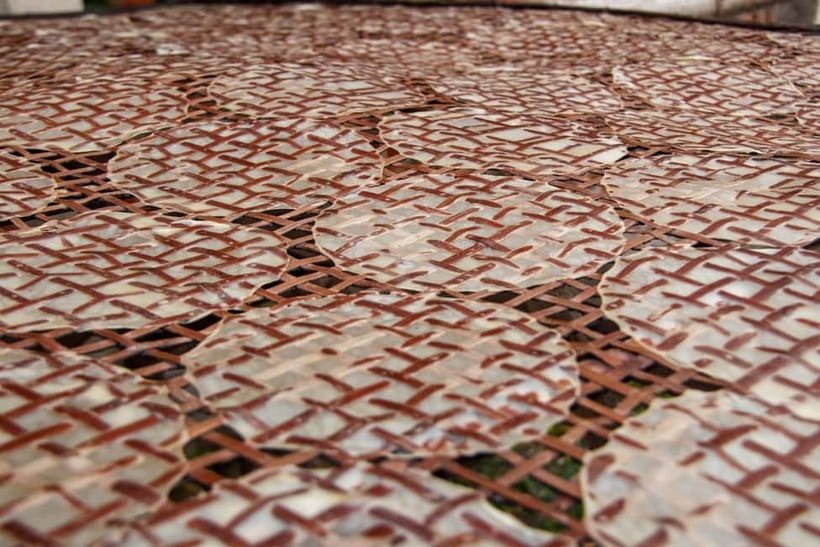
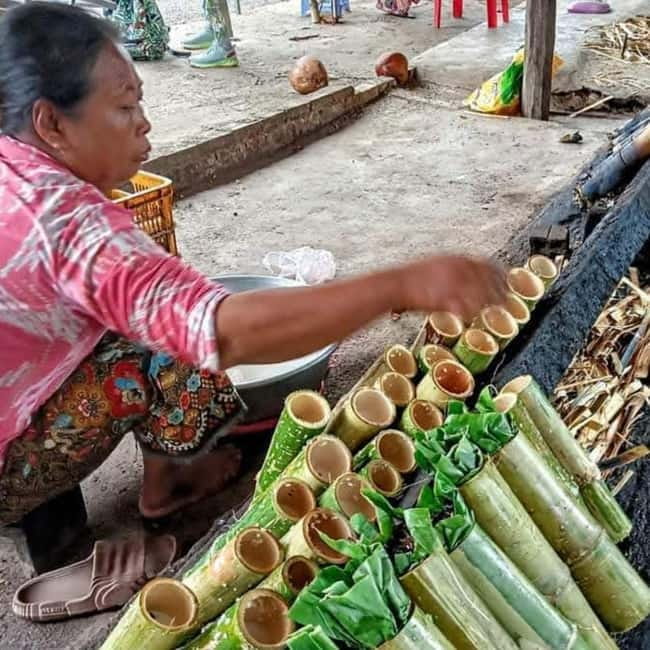
After the killing field, the day shifts back into hands-on local life. You’ll visit places where locals make bamboo sticky rice, and you may stop to see bamboo sticky rice prepared on the way. There are also craft-and-food stops covering local processes such as:
- demonstrations related to Cambodian cheese
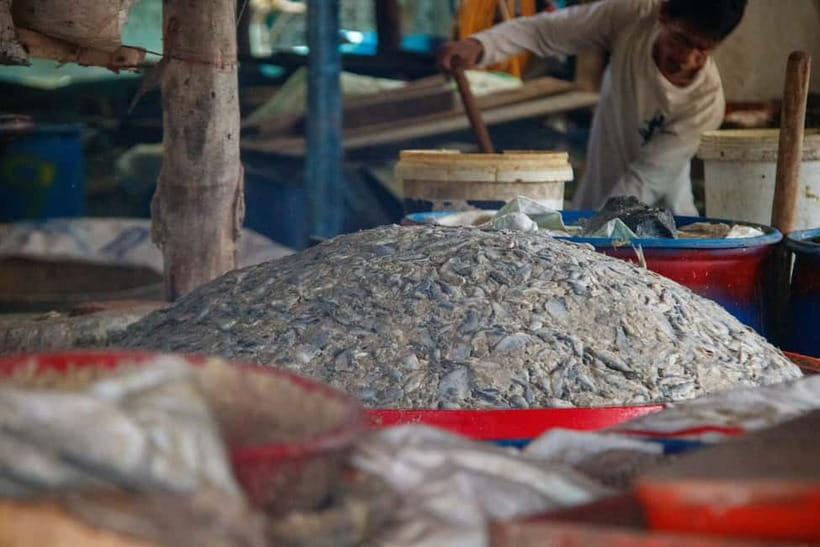
- dried fish and Smork fish
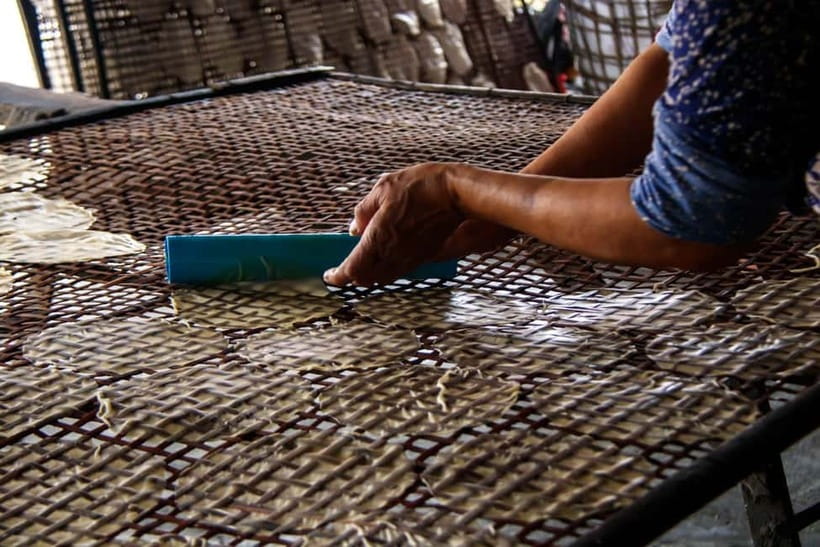
- rice paper production for spring rolls
- dried bananas and cheap bananas
Even better, you’re not just watching from behind glass. You can ask questions, and the structure of the day pushes you to interact with the idea of ingredients, methods, and daily work.
If you’re the kind of traveler who loves eating because you understand what you’re eating, this section is a big win. If you dislike food stops, you may want to manage expectations: the day is built around production and tastings, not only sightseeing.
Rice paper and spring-roll tasting: how it fits the day
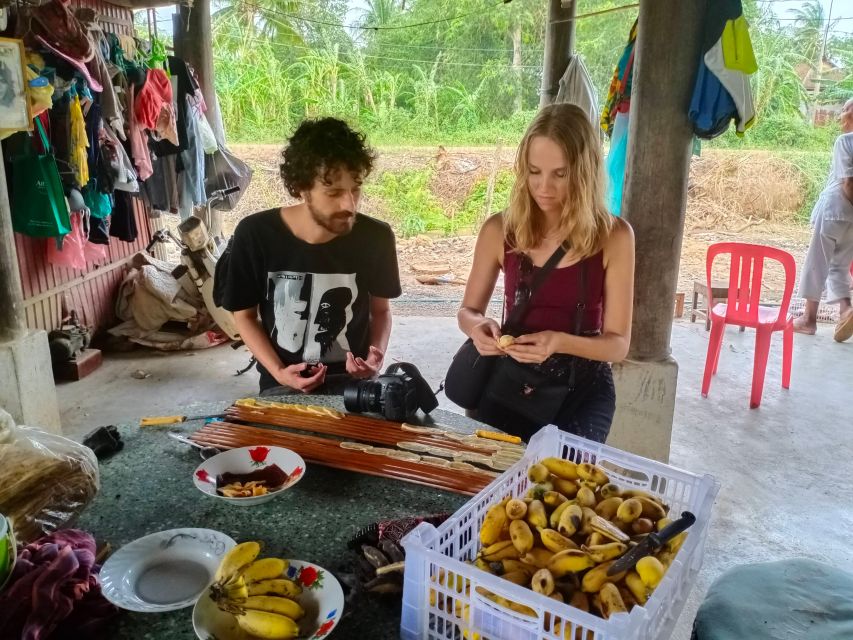
Later you’ll get to the rice paper factory side of things, including a spring-roll related tasting. This is one of those stops that seems small, but it’s actually a useful skill lesson.
Rice paper is made in a way that looks simple once you see it, but the process is sensitive to timing and texture. That’s why this stop feels more meaningful than a generic shopping stop. You get a reason for the taste, and you start noticing how Cambodian cooking uses starch and thin layers.
This is also where your budget planning matters, because there’s a rice paper factory spring roll tasting fee listed as $1 per person.
Rice wine factory tasting: a key part of the experience
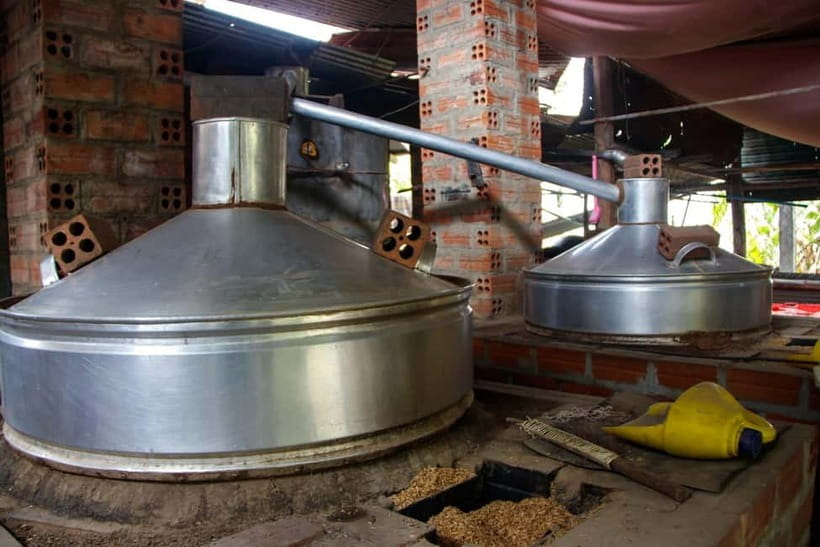
You’ll also have a rice wine factory tasting. You should consider this one of the signature moments of the tour, because it ties together agriculture, local craft, and a cultural drink.
The rice wine entrance fee is listed as $1 per person. So if you’re trying to understand the real cost of the day, add that to your mental math early.
A practical note: rice wine tasting is usually a small sampling, not a drink-until-done situation. Still, it’s a good idea to pace water and eat something before the hill later in the day.
Ek Phnom temple and the countryside route through everyday streets
After the earlier workshops, the day continues with a route that includes more countryside roads and a stop at Ek Phnom temple. This is a good time to reset your brain after the food and craft learning.
You’ll also pass street life where people sell insects such as snakes, grasshoppers, crickets, BBQ mice, and bats. You’re not forced into eating anything, but seeing the variety helps you understand how local markets operate on a day-to-day level, not just for tourists.
Then comes the seed and rice talk again, including how rice seeds are managed and grown. After that, you’ll visit a spot connected with 800 crocodiles, including the chance for snapshots with the crocodiles.
This mix is useful because it changes the tone of the day. You go from reflective history to practical village food work, then back to roadside life and photo moments.
Bamboo train ride: the ticket cost and why it’s worth it

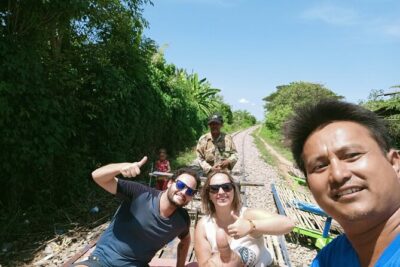
The tour includes bamboo train time. The bamboo train ticket or entrance fee is listed as $5 for each, and it’s not included in the base price.
Here’s why I think it’s worth planning for: the bamboo train is more than a novelty ride. It’s a local transportation style that also depends on shared knowledge and careful setup. You’ll feel that when you’re watching and then riding, not just reading about it.
Also, the day is already packed, so getting a set time for bamboo train is a good structure. Just know that the day can feel long, and if the group stops are tight, you may want to sit back and let your guide handle the flow.
Phnom Sampov mountain: killing cave, bat cave, and sunset timing
This is the finale that most people remember. You’ll head to Phnom Sampov mountain, where you can either hike or take a motorbike up to view the killing cave area.
At the top area, you can expect to see the killing cave, plus features like big cannon and gun displays, a monastery, and monkeys and stupas. It also has some of the best views in Battambang from this hill setting.
Once you reach the bat cave area, your timing matters. The plan is to wait about 5 to 10 minutes for millions of bats to emerge from the cave. The guide shares history about Pol Pot, the killing caves, and the mountain as you wait, and then the bats come out as the light shifts.
A consideration: the bat emergence is time-sensitive and weather dependent. If you hate standing around, bring patience. If you love wildlife moments, you’ll likely love this part even if the rest of the day felt busy.
Price and logistics: what the $8 base price really means
The base price is listed as $8 per person, and you’re also getting included essentials like cold bottled water, tuk tuk with driver and a live English guide, pickup and drop-off, and local fruit tastings.
But this tour also lists many add-ons. Not included costs include:
- Bamboo train ticket or entrance fee: $5 each
- Wat Samrong Khong killing field donation (donation)
- Bamboo sticky rice taste: $1 all together
- Rice paper factory spring roll taste: $1 per person
- Dried banana taste: $1 all together
- Rice wine entrance fee: $1 per person
- Killing cave and bat cave ticket: $1 per person
If you do most of the ticket and tasting items that are clearly priced, you can expect roughly $9 to $13 in add-ons, depending on how many per-person items you take and whether you go for every priced tasting. Lunch is also not included, so your total day cost can climb quickly if you add bamboo train plus the main cave ticket.
So the value story is this: the $8 gets you the guide, transport, and structure, but the experience becomes more expensive at the stops you want most. If you go in knowing that, it feels fair. If you expect a fully inclusive day, it can feel like a budget surprise.
What you’ll learn and how the best guides shape the day
I like that this tour isn’t only about monuments. It tries to connect you to how things are made, how fields work, and how village life runs.
Your guide makes a big difference. Some guides are known for excellent English and for answering questions across agriculture, culture, and history. Others are especially flexible with route timing, adjusting stops if your group needs extra time.
One example style you might get: guides like Vannak have been described as adding extra countryside explanation and even finding quieter bat-view spots. Another style: Sam is described as leading a full bucket-list day with strong English, while Bao is described as patient with questions. Names you might hear for similar service include Sambath Liv and Pay.
That said, a balanced note matters. If your guide delivers too much background all at once, the day can feel rushed or overwhelming at specific points, especially around history sites and near the caves. If you want more breathing room, pick a calm time to ask your guide to pace explanations.
Who should book, and who should skip this one
This tour is a great fit for you if:
- you like a packed day with many stops
- you enjoy food tastings and craft demonstrations
- you can handle a serious history site without rushing past it
- you want the bat cave sunset experience with a guide timing the moment
It may not be a great fit if you:
- have mobility impairments, use a wheelchair, or struggle with uneven ground
- have heart problems or prefer not to do any hill effort
- are over 70 (the tour lists not suitable for people over 70, and not suitable for people over 95)
- dislike multi-topic days where history, food, and wildlife happen back-to-back
Also, bring climbing gear. Even though you can motorbike up, the tour expects some visitors may hike, and you will be on a hill for views and caves.
Should you book? My decision checklist
If you’re coming to Battambang and you want one day that ties together rice country, crafts, Khmer Rouge sites, bamboo train, and bat cave sunset, I’d say it’s worth booking. The day’s structure works for travelers who like variety and who don’t mind extra fees when the experiences are the point.
Book it if you can handle:
- a long tuk tuk day
- a serious history stop at Wat Samrong Khong
- a timed wait for bats emerging
- extra on-the-spot costs like bamboo train and cave tickets
Skip or reconsider if you want a fully inclusive, slow-paced tour, or if hills and crowds are tough for you. This one is not built for gentle, minimal walking.
If you do book, I’d plan smart: set aside cash for tickets and tastings, confirm what you want most (bamboo train, bat cave ticket, tastings), and ask your guide to keep the pacing comfortable at the history stops. That small move can turn a full day into a day you’ll remember for the right reasons.
FAQ
What time does the tour start in Battambang?
The tour starts in the morning, commonly around 9:00 AM, and your guide can work with whatever time you need.
Where do I get picked up?
Pickup is available from your hotel in the Battambang area, and the meeting point is pick up on Battambang area.
Is lunch included?
No, lunch is not included. You can choose to eat lunch in the countryside or in the city around 12:00 to 13:00.
What is included in the tour price?
Included items are a tuk tuk with driver and live English guide, cold bottled water, pickup and drop-off, and local fruit tastings. The base price is $8 per person.
What extra costs should I expect for tastings and tickets?
Not included costs can include bamboo train ticket ($5 each), rice paper spring roll taste ($1 per person), rice wine entrance fee ($1 per person), killing cave and bat cave ticket ($1 per person), plus tastings for bamboo sticky rice and dried bananas (listed as $1 all together), and a Wat Samrong Khong donation.
Do I have to hike to Phnom Sampov mountain?
No. You can either hike or take a motorbike up to view the killing cave area.
How long do we wait for the bats to emerge?
After visiting the killing caves, there is a wait of about 5 to 10 minutes for the bats to emerge from the bat cave.
What should I bring for the tour?
Bring a camera, climbing gear, and cash.
Is this tour suitable for older travelers or people with mobility issues?
The tour is not suitable for wheelchair users, people with mobility impairments, people with heart problems, people over 70 years, and people over 95 years.
Is the guide available in English?
Yes. The tour includes a live English guide (and an optional English audio guide is also available).
Newly listed around Battambang
- Private Taxi Transfer From Siem Reap – Battambang City★ 5.0 · 4 reviews
- Exploring Battambang: A Memorable Tour from Siem Reap★ 5.0 · 7 reviews
- Battambang Day Trip from Siem Reap – Bamboo Train, Killing Cave★ 5.0 · 4 reviews
- Private Battambang Full-Day Guided Tour★ 4.5 · 3 reviews
- Private Transfer : Siem Reap ↔ Battambang★ 5.0 · 31 reviews
- Scenic Boat Journey from Siem Reap to Battambang★ 5.0 · 7 reviews
- Battambang Private Day Tour★ 5.0 · 5 reviews
- Battambang, Bamboo Train, Killing Cave Day Tour From Siem Reap★ 5.0 · 10 reviews
Battambang Tours, compared.
Tuk-Tuk, Bamboo Train, Killing/Bat Caves, Sunset
Read our review →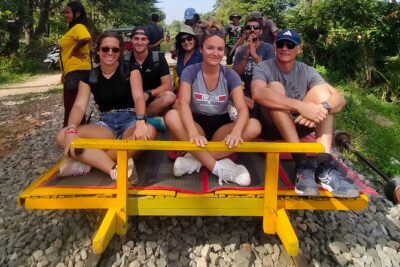
Battambang Tuk Tuk tour: Bambootrain, Killing & Bat Caves,Sunset
Read our review →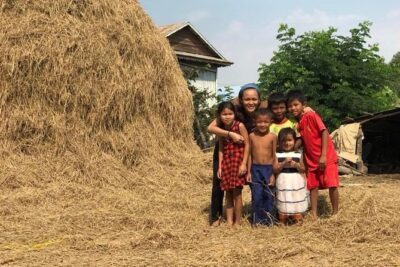
Afternoon tour by tuk tuk to bamboo train,bat cave,killing cave,countryside.
Read our review →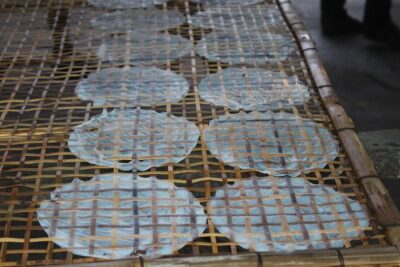
Local Livelihood Half Day Bike Tour in Battambang
Read our review →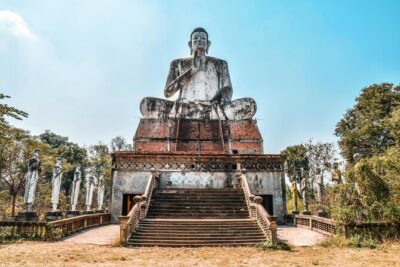
Explore Battambang full day tour by Tuk Tuk (start from 9am-6:30pm)
Read our review →
Full Day tour .City tour.Countryside.Bamboo Train.Secret Bat Cave
Read our review →
Battambang Full Day Tour from Siem Reap – Bamboo Train, Killing Cave & Sunset
Read our review →Browse the lists this tour appears in