
Review · MARKETS
Kampot Pepper Farm, Salt Fields, Crab Market from Phnom Penh
Salt and pepper in the same day? That’s the trick here.
You get Kampot’s colonial-style streets for a quick feel of town life, then you shift to hands-on learning with Kampot’s famous salt fields and nearby Phnom Chhngok Cave. The other standout I like is the stop at La Plantation, where you learn what makes Kampot pepper special and you get the chance to taste it. One thing to think about: the day includes a moderate amount of walking, and it’s not a good match if you have back issues.
What makes this trip work is the pacing and the quality of help. You travel in air-conditioned comfort with an English-speaking driver, and the on-site guide at La Plantation is English or French depending on the day. A guide like Mr. Vann and another strong guide, Simon, are specifically praised for managing the day well and keeping explanations clear. If you’re hoping for zero walking and a full day of lounge time, you might feel the schedule is a bit active.
In This Review
- Key points before you go
- Phnom Penh to Kampot: the 150 km road trip that sets the tone
- Kampot Town: quick colonial charm before the science and seafood
- Salt fields in Kampot: how traditional harvesting turns seawater into salt
- Phnom Chhngok Cave: limestone views with a sense of place
- La Plantation organic pepper farm: what makes Kampot pepper worth the hype
- Kep Beach Crab Market lunch: fresh seafood with real local energy
- What’s included, what to plan for, and how to pack smart
- Guides, language, and pacing: why the day feels smooth
- Price and value: is $87 per person a fair trade?
- Who should book this day trip, and who might skip it
- Should you book it?
- FAQ
- Where does the tour start and end?
- How long is the experience?
- What transportation is included?
- What stops are included in the day?
- Is lunch included?
- What languages will you hear during the tour?
- What should I bring?
- Are there any rules on the vehicle?
- Is there a cancellation option?
Key points before you go
- Kampot colonial streets plus a riverside stroll for atmosphere beyond food stops
- Salt fields and Phnom Chhngok Cave in one guided nature-and-craft combo
- Organic Kampot pepper at La Plantation, with learning plus tasting
- Lunch at the Kep Beach Crab Market focused on fresh seafood
- Hotel pickup and drop-off in Phnom Penh with air-conditioned transport
- Moderate walking, so bring comfortable shoes and plan for sun
Phnom Penh to Kampot: the 150 km road trip that sets the tone
This tour is built for people who want a full day outside the city without having to coordinate multiple tickets and transfers. You start with hotel pickup in Phnom Penh, then head roughly 150 km toward Kep Province, where Kampot sits along the river.
The drive typically runs about 2.5 to 4 hours each way, depending on traffic. That range matters. If you’re the type who hates early starts, this day can still feel long, but the air-conditioned vehicle helps you arrive in better shape. Also, you’ll appreciate the English-speaking driver during the day, especially if your Khmer is limited.
A small practical note: the ride is listed with rules like no smoking and no food or drinks on the bus. If you’re the sort who relies on snacks for energy, plan to eat only during the included stop(s) and keep a water bottle ready for breaks.
More Market Tours in Kampot & Kep
- Kampot: Tuk Tuk Trip to Pepper Farm, Kep, Crab Market & More
★ 4.9 · 143 reviews - KAMPOT TRAVEL-Pepper farm. Cave.Secret lake-Crab market & Salt…
★ 5.0 · 87 reviews - Full day Tour, Countryside, Pepper farm & Kep, crab market…
★ 5.0 · 49 reviews
Kampot Town: quick colonial charm before the science and seafood
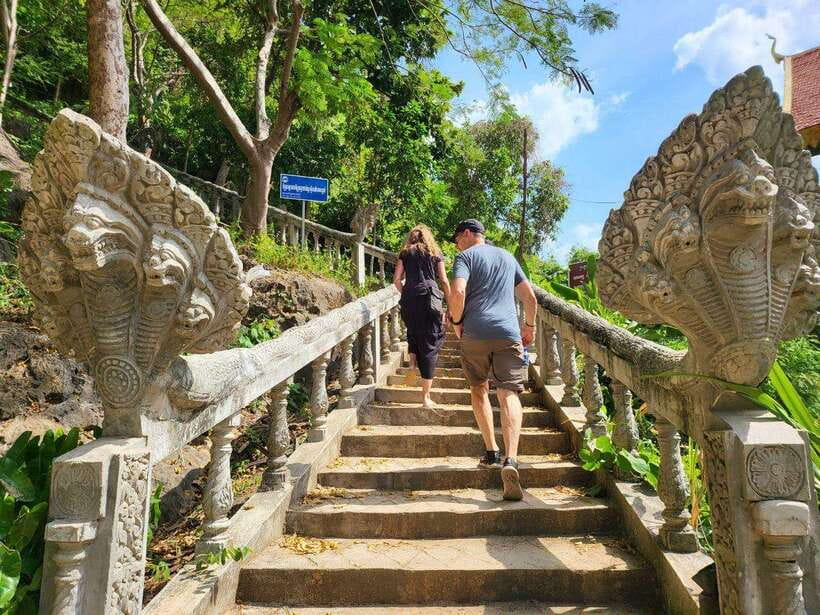
Once you arrive, you get time in Kampot that goes beyond “just passing through.” Kampot is known for well-preserved colonial architecture, and the contrast is noticeable right away: French-era buildings, older wooden houses, and the everyday energy of local markets.
You’ll have enough time for a light wander, which is exactly what I’d recommend. You’re not there to marathon streets, you’re there to get a feel for the place. A riverside promenade is especially worth your attention because it gives you that Kampot rhythm, with river views and mountains in the background.
Why this stop matters: it helps the rest of the day click. The salt fields and pepper farms feel more real when you first understand the town that surrounds them. If you skip Kampot entirely and only do nature and food, it can feel like a checklist. With this structure, you get a bit of context.
What to watch for: depending on timing, you may be walking in heat. If it’s sunny, wear a hat and sunscreen early. This is one of those “you’ll thank yourself later” parts of the day.
Salt fields in Kampot: how traditional harvesting turns seawater into salt
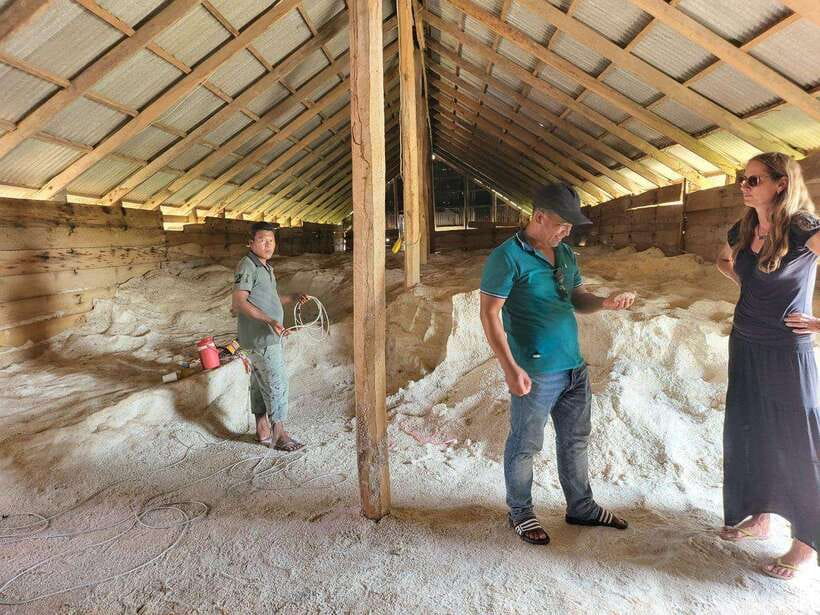
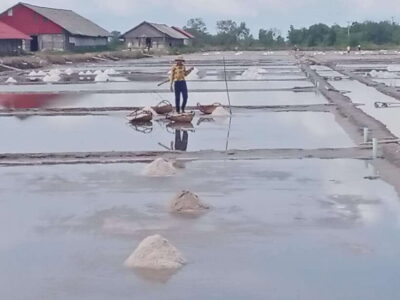
Next comes one of the main reasons to choose this itinerary: the Kampot salt fields. This is not a quick photo stop. You’re taken through the process of traditional salt harvesting, which is the kind of craft that makes food feel connected to place.
The core idea is simple but clever. Local salt farmers work with seawater in shallow ponds, then use time and conditions to let the salt form. It’s slow work that depends on the environment. Even if you’re not an “agriculture person,” the explanation helps you understand why Kampot salt has a reputation.
What you’ll enjoy most here is the contrast. You go from town streets to flat working land, and from everyday motion to a quieter, more technical routine. If you like learning how things are made, this is one of the best “value per hour” parts of the day.
One consideration: salt fields can mean brighter sun and reflective surfaces. You’ll want sunscreen and sunglasses if you have them. The tour includes water, but bring your own bottle style if that makes you feel more comfortable.
Phnom Chhngok Cave: limestone views with a sense of place
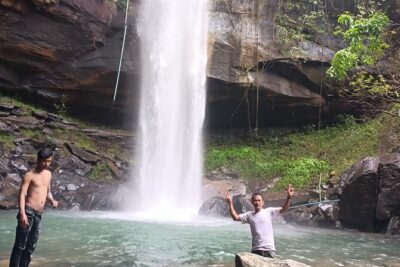
Right around the salt fields is another highlight, Phnom Chhngok Cave. This stop is there for two reasons: the formations and the feeling of history tied to a specific site.
The cave is known for limestone formations, so don’t expect it to be a theme park. It’s more about shapes, texture, and atmosphere. Even without a lot of formal structure, caves give you that natural sense of scale, especially after seeing the salt ponds.
Why it’s paired with the salt fields: it turns a “food day” into a “place day.” Salt is the product, the cave is part of the geology and the larger story of the area.
Practical note: caves can have uneven footing. You’ll definitely want your comfortable shoes, especially if you’re carrying a small camera bag. If you have mobility concerns, consider whether moderate walking and uneven ground will be comfortable for you.
More of Kampot and Kep:
- Kampot: Pepper Farm Tour, Salt Field, Cave & Secret Lake
★ 4.9 · 283 reviews - Kampot: Full-day Countryside Tour with Pepper Farm and Kep
★ 4.9 · 245 reviews - Kampot: Bokor Mountain Classic or Sunset Tour
★ 4.7 · 147 reviews - Kampot Countryside include Pepper farm, Salt field & Lake
★ 4.9 · 100 reviews
La Plantation organic pepper farm: what makes Kampot pepper worth the hype
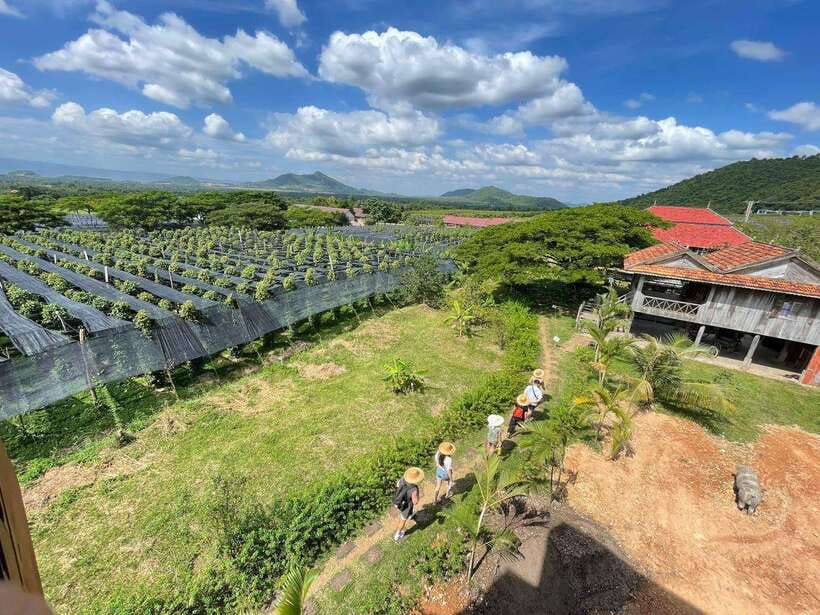
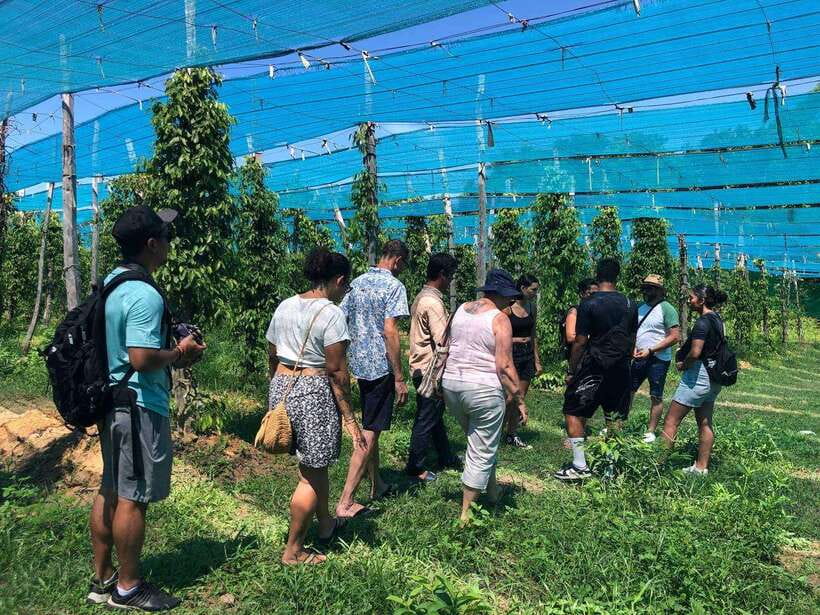
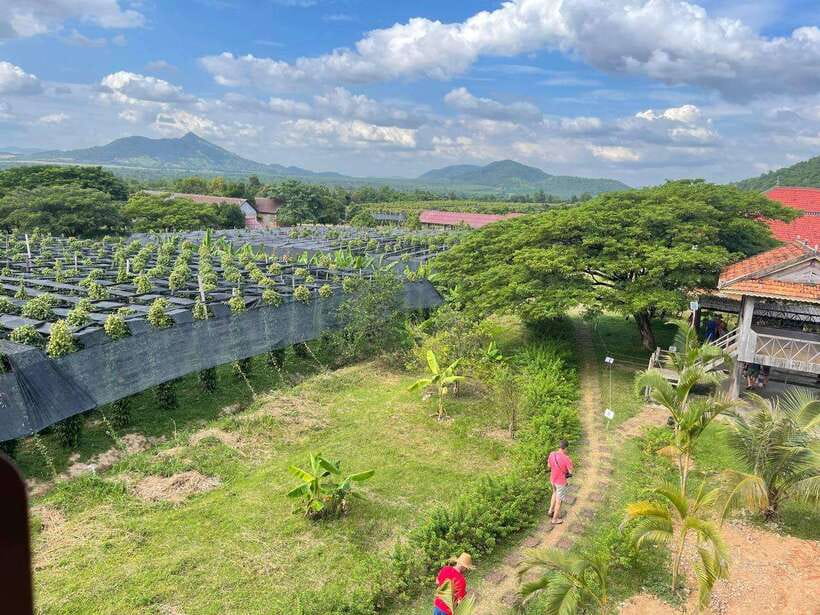
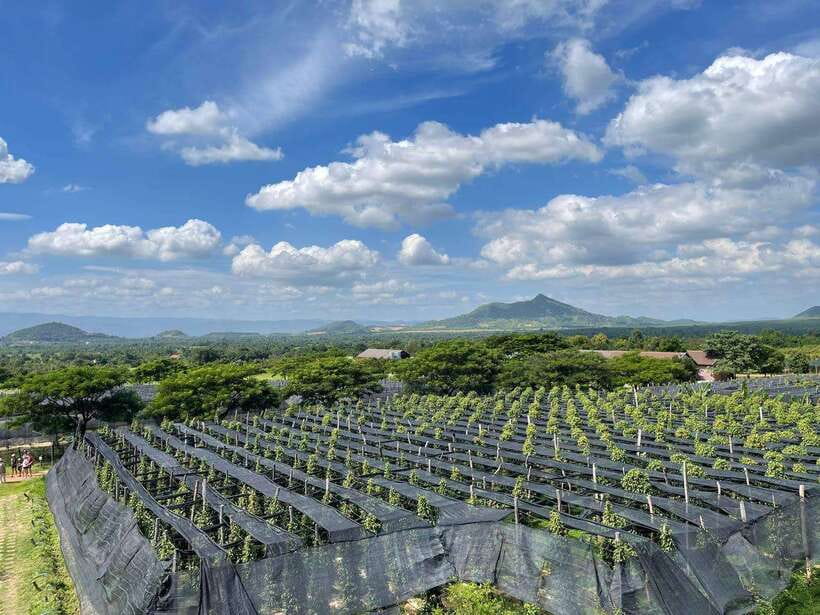
If you care about flavors, this is the stop to pay attention to. La Plantation is an organic pepper farm focused on Kampot pepper, and you’ll learn about how the pepper is grown and what affects quality.
This matters because Kampot pepper is not just “pepper from a region.” The tour is structured so you can connect farming choices to the final taste. Organic growing practices and the way pepper is handled can influence aroma and character, and the guide at La Plantation is there to translate all that into something you can actually use when you taste.
You also get the most direct instruction here, since the tour guide coverage is specifically listed for La Plantation. The result is that this feels less like a drop-in and more like an educational farm visit. Guides like Mr. Vann and Simon are highlighted for being friendly and good at filling the time with useful explanations, not just facts.
How to get the most out of this stop:
- Treat it like a tasting lesson, not a souvenir stop
- Ask questions about what you should notice in aroma and flavor
- If you plan to buy pepper, remember you’ll be carrying it, so keep that in mind
This is also the moment many people call the highlight. The pepper farm is a strong payoff because it gives you something more than a view. You leave with knowledge you can use later.
Kep Beach Crab Market lunch: fresh seafood with real local energy
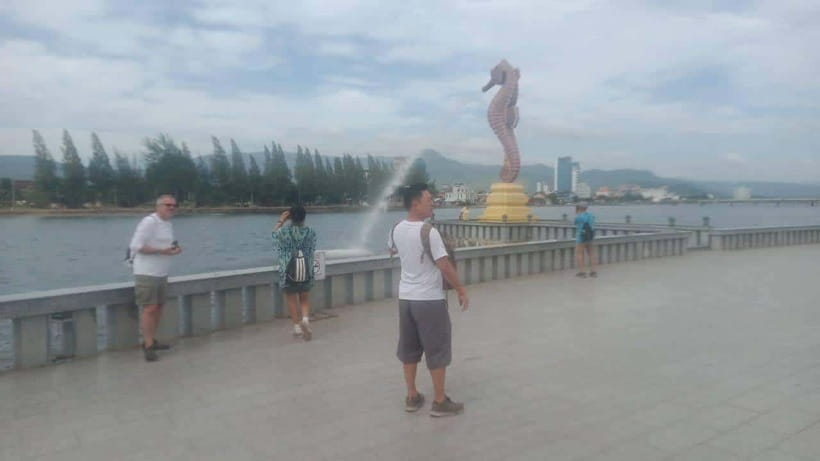
Lunch is at the Kep Beach Crab Market, and it’s built around seafood, especially crab. This is one of those meals that can be both fun and practical, because you’re in a place that specializes in what you came for.
What I like about the setup is that it’s a “learn, then eat” arc. You’ve seen the salt story, toured the farm, and now you’re eating in a market environment where seafood is the point. The result is a day that feels connected, not random.
A few practical thoughts for lunch:
- Go hungry, because this is your main included meal
- If you have dietary needs, check options early, since you’re at a market
- Keep your water handy. Sun plus walking plus a big meal can hit harder than you expect
The tour includes water, but it does not include breakfast, lunch, or dinner as a general category. Still, lunch is part of the plan at Kep Beach Crab Market in the day flow you’ll be following. If you’re sensitive about meal inclusion wording, it’s smart to confirm what your ticket covers for lunch before you arrive.
Also, the bus rules about no food and no drinks during the ride mean lunch is your key break time. Plan your schedule around that.
What’s included, what to plan for, and how to pack smart
The value here is in the setup. You get:
- Air-conditioned transportation
- An English-speaking driver
- Entrance fees
- Water
- Pickup and drop-off at your Phnom Penh hotel
Plus, there’s a guide at La Plantation (English or French) for the pepper farm piece.
What’s not included:
- Personal expenses
- Meals like breakfast, lunch, dinner as a general list
(Your day flow includes lunch at Kep Beach Crab Market, but the fine print can vary, so double-check.)
For packing, keep it simple:
- Comfortable shoes for moderate walking
- A hat and sunscreen for sun exposure
- A camera if you like record-keeping and don’t want to regret missed photos
- Water bottle if you prefer your own
- Light layers if you run cold in air-conditioning
One more important consideration: this tour is not suitable for wheelchair users and people with back problems. That’s because of the walking and the nature of uneven ground at sites like caves and rural stops. If that applies to you, you’ll likely be happier choosing a tour with minimal walking.
Guides, language, and pacing: why the day feels smooth
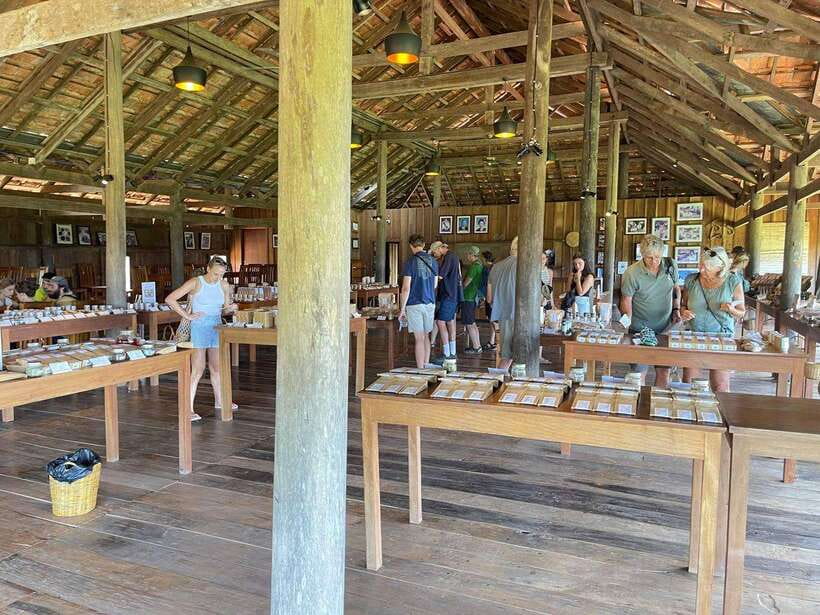
A big part of why this itinerary works is that the day is structured, not improvised. The driver handles transport, timing, and the basics that keep you on track. Then La Plantation adds the deeper explanation layer, with an English or French guide focused on the pepper farm.
In the feedback you’ll see, people consistently praise guide behavior, especially names like Mr. Vann and Simon. The common theme is that they manage the day well and explain more than just what you’re looking at. That matters because many tours in Cambodia can feel like “drive, stop, take photos, move on.” Here, you get learning time at the two most educational sites: the salt fields and pepper farm, plus the cave for natural context.
Also, the company behind the trip being described as highly rated for transport quality is a good sign for comfort on a long day. Cambodia roads can be bumpy. Air-conditioned transport and a steady driver help you focus on the stops instead of the ride.
Price and value: is $87 per person a fair trade?
At $87 per person for an 11-hour day trip, this isn’t the cheapest outing from Phnom Penh. But it’s also not trying to be. You’re paying for a full loop with:
- Hotel pickup and drop-off
- Air-conditioned transport
- Entrance fees
- Guided education at La Plantation
- Water
The value becomes more obvious when you think about how hard it would be to stitch together these sites on your own. Salt fields and pepper farms are not “walk out of your hotel and go” locations. Phnom Chhngok Cave adds another specific stop. And then there’s lunch at the Kep Beach Crab Market, which is the kind of place where a guided trip reduces friction.
If you’re traveling with limited time and want a day that mixes nature, craft, and food, $87 feels like a reasonable price for convenience plus guided learning. If you’re on a tight budget or you already have a driver for independent travel, you could lower costs by booking separately. But if you want the day to run smoothly end-to-end, this format usually wins.
Who should book this day trip, and who might skip it
I’d recommend this tour if you want:
- A single-day introduction to Kampot beyond beaches and restaurants
- Learning about how salt and pepper are connected to the region
- A guided experience that includes both agriculture and a natural site
- A meal focus at Kep Beach Crab Market
You might want to skip or choose something else if:
- You need minimal walking
- You have back problems or mobility limits
- You prefer cities only, with no caves or farm environments
- You hate long days and want a relaxed schedule
Should you book it?
Yes, if you want one well-run day that connects Kampot’s food culture to the land that produces it. The mix of salt fields, Phnom Chhngok Cave, and La Plantation pepper learning is a smart combination, and the pepper farm is a frequent highlight. Add Kep Beach Crab Market lunch and you get both the story and the payoff.
Book it with a few expectations set correctly: you’ll walk some, you’ll be in sun, and the day is long at 11 hours. If you pack for that and you’re open to learning, you’ll probably feel like you got your money’s worth.
FAQ
Where does the tour start and end?
Pickup and drop-off are in Phnom Penh, at your hotel. The day runs out and returns back to Phnom Penh.
How long is the experience?
The duration is listed as 11 hours.
What transportation is included?
You get air-conditioned transportation and an English-speaking driver.
What stops are included in the day?
The plan includes Kampot town, the salt fields and Phnom Chhngok Cave, La Plantation organic pepper farm, and lunch at Kep Beach Crab Market.
Is lunch included?
Meals are listed as not included in general, but the day flow includes lunch at Kep Beach Crab Market. It’s smart to confirm what your ticket includes.
What languages will you hear during the tour?
The language option listed is English. The tour guide at La Plantation (pepper farm) is English or French.
What should I bring?
Bring comfortable shoes, a hat, sunscreen, a camera, and water.
Are there any rules on the vehicle?
Smoking is not allowed. The information also says food and drinks are not allowed during the bus ride.
Is there a cancellation option?
Free cancellation is listed up to 24 hours in advance for a full refund.
More Shopping Tours in Kampot
- 3 Hour Morning Market and Art Tour
★ 5.0 · 45 reviews - Kampot/Cambodia pepper farm . Cave. lake. Kep Crab market & more.
★ 5.0 · 27 reviews - 3-Hour Siem Reap Guided Cooking Class and Market with Pick up
★ 4.5 · 26 reviews - Kampot Pepper and Salt Field, Secret Lake, Kep &Crab Market
★ 4.9 · 18 reviews
More Market Tours in Kampot
- Phnom Penh’s Morning Market and Street Art Tour by Tuk tuk
★ 5.0 · 128 reviews - Phnom Penh Morning Market & Food Tour by Tuktuk – Includes All Food & Drinks!
★ 5.0 · 99 reviews - Battambang: Cooking Class and Market Touring
★ 4.8 · 80 reviews - Siem Reap: Morning Bike Tours with Local Market & Lunch
★ 5.0 · 52 reviews
Newly listed around Kampot
- Khmer Food Culture Cooking Class in Kampot★ 5.0 · 7 reviews
- Kayaking tour around green cathedral★ 4.8 · 38 reviews
- Kep town: Local tuk tuk to Countryside & Pepper farm★ 4.6 · 8 reviews
- Kampot: Cultural Bike Experience – Local Life & Countryside★ 5.0 · 3 reviews
- Kampot Countryside: Authentic Khmer Cooking Class★ 4.8 · 21 reviews
- FULL DAY – Countryside Tuk-Tuk Pepper Tour + Kep★ 4.6 · 11 reviews
- From Kampot: Bokor National Park Scenic Tour★ 4.5 · 25 reviews
- Kampot: Free Sunset Walking Tour★ 4.8 · 44 reviews
Markets, compared.
Tuk Tuk Trip to Pepper Farm, Kep, Crab Market & More
Read our review →
Phnom Penh’s Morning Market and Street Art Tour by Tuk tuk
Read our review →
Phnom Penh Morning Market & Food Tour by Tuktuk – Includes All Food & Drinks!
Read our review →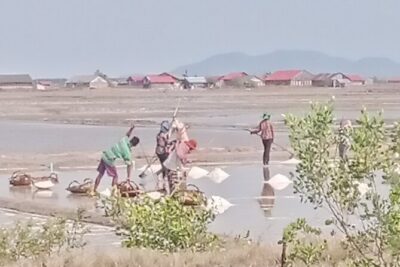
KAMPOT TRAVEL-Pepper farm. Cave.Secret lake-Crab market & Salt…
Read our review →
Full day Tour, Countryside, Pepper farm & Kep, crab market…
Read our review →
Browse the lists this tour appears in