
Review · BATTAMBANG TOURS
Morning Tour,Ak Phnom temple,Rice wine,Rice Paper, killing Field
Temple ruins, rice tastings, and a sobering stop make this Battambang morning tour feel like a real snapshot of Cambodia. I like that the route mixes Ek Phnom, a classic 11th century Buddhist temple ruin, with hands-on local food stops like rice wine and rice paper. I also appreciate the small-group feel, with a maximum of 10 travelers, plus hotel pickup by tuk tuk so you can skip the planning headache.
My favorite part is the way the guide connects the dots. On this trip you’ll get explanations around Buddhism and Hindu influences, then you’ll taste and see how ordinary rural products turn into everyday Cambodian food and drinks. The only real drawback to plan for is that some tickets and fees are not included, so double-check what you need to cover before you go.
In This Review
- Key things to look forward to
- How the North Battambang morning route actually feels
- Ek Phnom temple: an Angkor-type ruin, without the big-tour grind
- Rice wine and bamboo sticky rice: the real culture stop
- Rice paper, dried bananas, and the small business side of Battambang
- Wat Samrong killing field: respectful, emotional, and not something to rush
- Price and what $20 really buys you
- Timing, tuk tuk comfort, and what to pack for a morning start
- Who this tour suits best, and who should think twice
- Should you book this morning tour of Ek Phnom, rice tastings, and Wat Samrong?
- FAQ
- Is pickup included for this morning tour in Battambang?
- How many stops are included?
- What is included in the price?
- What is not included?
- About how long is the experience?
- Is there a limit on group size?
- Do I need to print anything, or is a mobile ticket used?
- Will I get confirmation after booking?
- Is free cancellation available?
- What if weather is bad?
Key things to look forward to

- Ek Phnom temple: an Angkor-type ruin about 15 km north west of Battambang, tied to Buddhist tradition
- Rice wine and rice paper: small producer stops where you can taste, watch, and ask questions
- Bamboo sticky rice: rural village food culture, made for flavor and practicality
- Wat Samrong killing field: a serious historical visit that calls for a quiet, respectful pace
- Tuk tuk transport: pickup offered, comfortable for short rural roads, and easy to manage for a morning outing
- Small group size: sharing tour with a cap of 10 travelers, so your guide can actually answer questions
How the North Battambang morning route actually feels
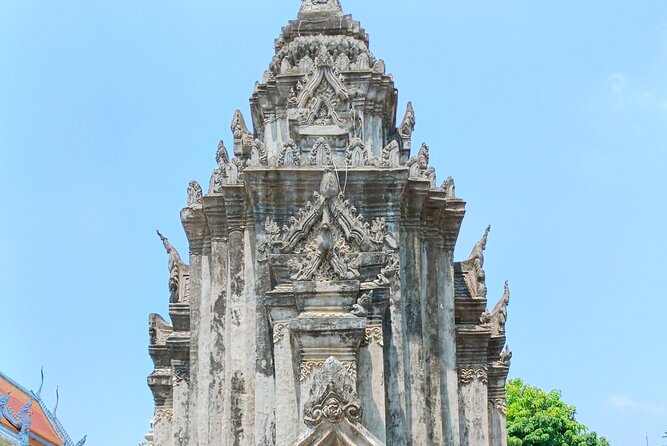
This tour is built around north Battambang, where rice fields and temple ruins sit close together. You get out of the city enough to feel rural life, but you still move at a pace that works for a morning plan. The setup is practical: pickup is offered, you travel by tuk tuk, and you have a guide guiding the story from stop to stop.
I like that it is not just sightseeing. You’re not only looking at temples and monuments, you’re also learning how local people produce everyday items like rice-based snacks and drinks. And because you’re in a small sharing group, it stays flexible, especially when your guide wants to pause for questions or explain something slowly.
One more detail I’d treat as a plus: the tour includes waters, which matters in Cambodia heat. Also, it uses a mobile ticket, which helps if you prefer less paper and more peace of mind.
More of Battambang:
- Battambang: Tuk-Tuk, Bamboo Train, Killing/Bat Caves, Sunset
★ 4.9 · 1,436 reviews - Battambang Tuk Tuk tour: Bambootrain, Killing & Bat Caves,Sunset
★ 5.0 · 799 reviews - Afternoon tour by tuk tuk to bamboo train,bat cave,killing cave,countryside.
★ 5.0 · 344 reviews
Ek Phnom temple: an Angkor-type ruin, without the big-tour grind
Ek Phnom is the headline stop for a reason. It’s an 11th century Buddhist temple ruin, and it has that Angkor-type feel even though you’re not in the same crowds and scale. As you walk around, your guide can point out what makes the site meaningful, including how local religious tradition shaped temple design over time.
What I like most here is the perspective shift. You’re not just staring at stone. You’re hearing how Buddhism connects with other influences that shaped Cambodian spirituality, and how temples functioned as more than decoration. A good guide for this route, including people like Mr. Yi Yong, tends to explain these connections in clear English, so you can understand what you’re seeing instead of guessing.
Practical note: the temple area is outdoors. If you can, do this early. One of the smartest tips from people who’ve done similar morning routes is to choose the morning timing because the heat can build quickly.
Rice wine and bamboo sticky rice: the real culture stop
After the temple, the tour turns into something tastier and more grounded. You’ll head toward village-style food production experiences connected to rice wine and rice paper. These stops are not fancy. They’re hands-on and focused on real local products, which is exactly why they work.
Here’s what you can expect. Your guide helps you understand what’s happening and what ingredients matter. You’ll see how rice products go from raw materials to something people eat every day, and you’ll get the chance to taste what you’re learning about. The bamboo sticky rice connection is especially interesting because it reflects a clever rural technique: making rice in a way that fits local tools, local timing, and local flavor preferences.
Also, the rice wine tasting is a highlight for many people. It’s one of those things that can feel intimidating until you’re actually there, where someone explains what you’re drinking and why it exists in the local economy. When you can pair the taste with context, it becomes more than a quick sip.
Rice paper, dried bananas, and the small business side of Battambang
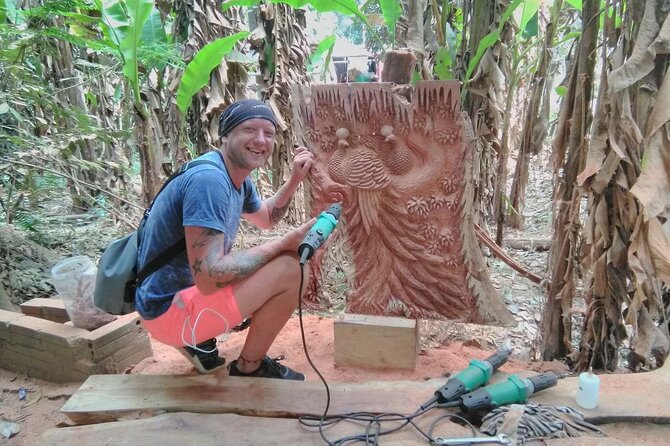
This tour doesn’t only hit temples and one drink stop. It spreads into other simple, high-skill local food production. You’ll encounter rice paper and also stops tied to dried banana and banana chips. These are the kinds of foods that are easy to buy in a shop, but much more interesting when you see how they get made.
One practical reason I think this works for most visitors: the food stops are visual. You don’t need expert knowledge to follow along. You can watch the process, ask how it’s done, and understand what makes it good. And since you’re with a guide, you’re not left translating everything by yourself.
There’s also mention of a fish market stop in the route. Even if you don’t buy anything, it gives you a more complete feel for daily life in Battambang. You see how the area eats, how goods move, and how rural and city supply chains meet.
If you’re the type who likes to eat beyond the obvious tourist dishes, these stops are a big part of the value.
A different kind of day in Cambodia:
- Local Livelihood Half Day Bike Tour in Battambang
★ 5.0 · 287 reviews - Explore Battambang full day tour by Tuk Tuk (start from 9am-6:30pm)
★ 5.0 · 240 reviews - Battambang: Bamboo Train, Bat Cave, Killing Cave by Tuk Tuk
★ 5.0 · 182 reviews - Full Day tour .City tour.Countryside.Bamboo Train.Secret Bat Cave
★ 5.0 · 178 reviews
Wat Samrong killing field: respectful, emotional, and not something to rush
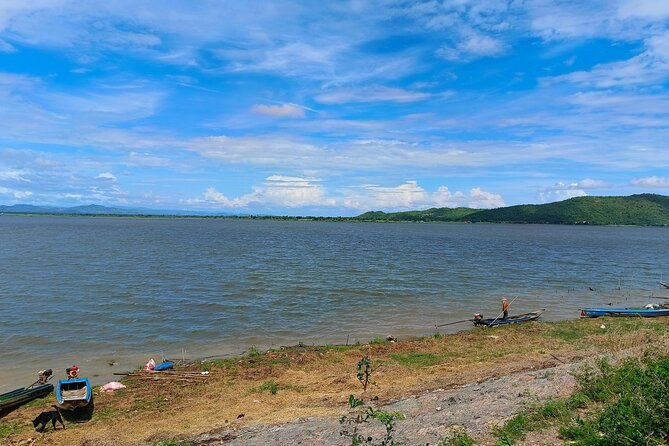
The last major stop is Wat Samrong, often described as a killing field. This part of the day is different from the food and temple stops. It’s solemn. The pace should slow down, and you should treat it as a place for reflection, not photos for a brag.
I appreciate that this tour includes it because it gives context to Cambodia that you won’t get from temple pictures alone. Temples show spiritual depth and long tradition. The killing field shows the other side of human history, the part that shaped generations of families.
Practical advice: dress respectfully, keep your tone calm, and expect some heavy feelings. If you’re sensitive to this kind of history, give yourself a little breathing room before you move on to the next activity. Your guide should be able to explain what you’re looking at in a respectful way, but you still control how long you stay and how quickly you move.
Price and what $20 really buys you
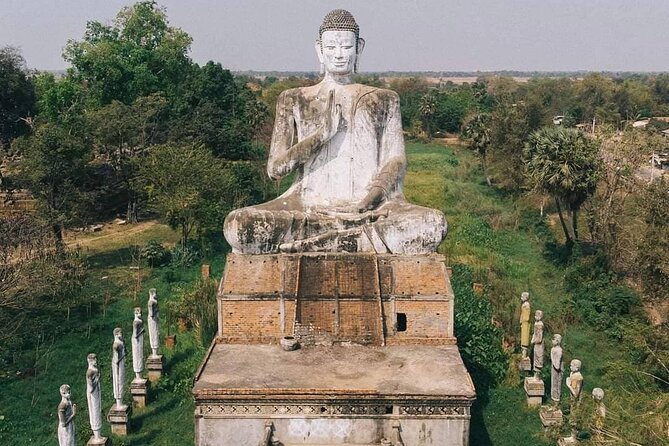
At around $20 for the experience, the biggest value is not the paperwork. It’s the structure: pickup offered, a tuk tuk driver, a guide, and basic comforts like waters. For a rural route that includes several distinct stops, this package makes sense, especially if you would otherwise spend time arranging transport and trying to interpret sites on your own.
Two costs to plan for: tickets and fees are listed as not included, and breakfast isn’t included. That means the final total can be higher than $20 depending on what you’re expected to pay at each stop. A recurring theme in good tour experiences is clarity about these extras, so when you book, I recommend you ask what’s included beyond the $20 and how much you should budget for tickets and fees.
One more value point: this is a sharing tour with a small cap of 10 travelers. You’re not paying just to be on a bus with strangers. You’re paying to have a guide who can answer questions and keep the day coherent.
Timing, tuk tuk comfort, and what to pack for a morning start
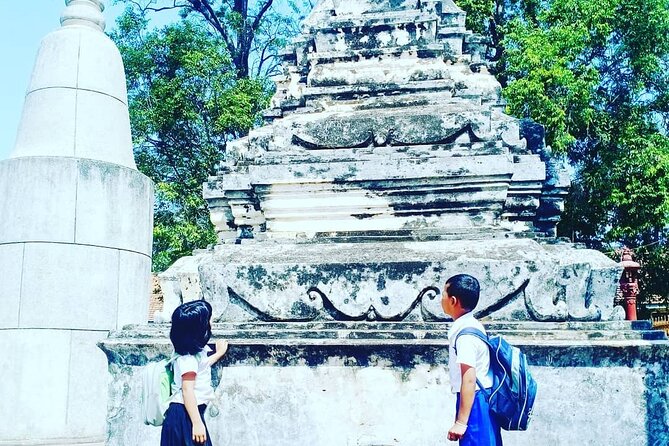
Because this is a morning tour, start early in spirit even if pickup timing varies. North Battambang can heat up fast, and outdoor time at the temple and village stops will feel longer once the sun climbs. You’ll be better off if you’re already hydrated, already wearing a hat, and already thinking about sun protection.
Tuk tuk is the right choice for this route. It’s not a long highway transfer. It’s short drives and turns on rural roads, where a tuk tuk keeps things simple. Still, it’s a small vehicle, so expect a bit of bouncing and sun exposure. Bring light layers so you can adjust, especially if indoor steps cool down.
Pack basics:
- a hat and sunscreen
- comfortable shoes for temple paths and village ground
- a small bottle of water if you like to top up
- cash for any ticket and fee items not included
Since waters are included, you don’t need to overthink hydration, but it’s still smart to keep a personal routine.
Who this tour suits best, and who should think twice

This tour fits best if you want a genuine mix of Battambang. You’ll like it if you enjoy temples but also want food culture stops like rice wine, rice paper, and dried banana production. It also fits history-minded travelers who want more than postcards and can handle a serious site like Wat Samrong.
You’ll especially enjoy it if you care about explanations. Guides for this route, including names like Pao, Mr. Pov, and Mr. Yi Yong, are described as clear in English and enthusiastic about sharing the story behind what you see. If you like asking why something exists, not just what it is, this format is a good match.
Who might think twice? If you strongly dislike emotional historical sites, the killing field stop may feel too intense for a morning outing. Also, if you are the kind of traveler who wants everything fully priced with no extra ticket uncertainty, you may want to confirm the ticket and fee expectations before booking.
Should you book this morning tour of Ek Phnom, rice tastings, and Wat Samrong?
I think it’s a strong yes if you want a focused morning that mixes rural life, Cambodian food production, temple ruins, and a respectful historical stop. The value is in the combination, not any single attraction. For $20, you get guided storytelling, tuk tuk transport, and waters, and you cover multiple parts of what makes Battambang feel distinct.
Book it if you:
- want to see north Battambang beyond the city center
- enjoy food tastings with context, not just shopping
- can handle somber history with the respect it deserves
Consider another option if:
- you prefer light-only sightseeing with no killing field visit
- you hate tours where you might have extra ticket and fee costs later
- you would rather control food choices entirely on your own
If you do book, go in with a simple plan: wear sun protection, bring a respectful mindset for Wat Samrong, and ask your guide for specific details at each stop, especially around rice production and temple meanings.
FAQ
Is pickup included for this morning tour in Battambang?
Yes. Pickup is offered, and you’ll travel by tuk tuk with a guide.
How many stops are included?
The route includes stops such as Ek Phnom temple, rice wine and rice paper experiences, local food producers (like dried banana), and Wat Samrong killing field.
What is included in the price?
The price includes waters, a guide, a sharing tour setup, and tuk tuk transport.
What is not included?
Tickets and fees are not included, and breakfast is not included.
About how long is the experience?
It’s described as a morning tour and is listed with an approximate duration of 2 days, but the route is also described as a half-day style exploration. Plan for a morning outing in practice.
Is there a limit on group size?
Yes. The tour has a maximum of 10 travelers.
Do I need to print anything, or is a mobile ticket used?
A mobile ticket is used.
Will I get confirmation after booking?
Yes. Confirmation will be received at the time of booking.
Is free cancellation available?
Yes. Free cancellation is available up to 24 hours in advance for a full refund.
What if weather is bad?
This experience requires good weather. If it’s canceled due to poor weather, you’ll be offered a different date or a full refund.
Newly listed around Battambang
- Private Taxi Transfer From Siem Reap – Battambang City★ 5.0 · 4 reviews
- Exploring Battambang: A Memorable Tour from Siem Reap★ 5.0 · 7 reviews
- Battambang Day Trip from Siem Reap – Bamboo Train, Killing Cave★ 5.0 · 4 reviews
- Private Battambang Full-Day Guided Tour★ 4.5 · 3 reviews
- Private Transfer : Siem Reap ↔ Battambang★ 5.0 · 31 reviews
- Scenic Boat Journey from Siem Reap to Battambang★ 5.0 · 7 reviews
- Battambang, Bamboo Train, Killing Cave Day Tour From Siem Reap★ 5.0 · 10 reviews
- Battambang Private Day Tour★ 5.0 · 5 reviews
Battambang Tours, compared.
Tuk-Tuk, Bamboo Train, Killing/Bat Caves, Sunset
Read our review →
Battambang Tuk Tuk tour: Bambootrain, Killing & Bat Caves,Sunset
Read our review →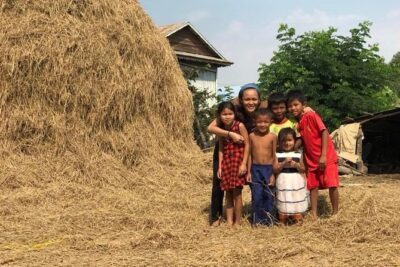
Afternoon tour by tuk tuk to bamboo train,bat cave,killing cave,countryside.
Read our review →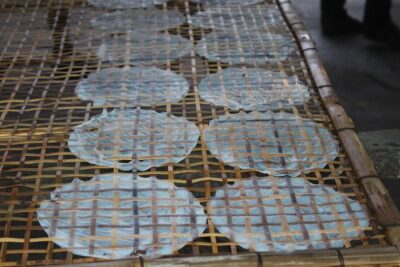
Local Livelihood Half Day Bike Tour in Battambang
Read our review →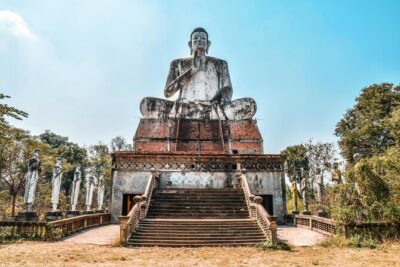
Explore Battambang full day tour by Tuk Tuk (start from 9am-6:30pm)
Read our review →
Full Day tour .City tour.Countryside.Bamboo Train.Secret Bat Cave
Read our review →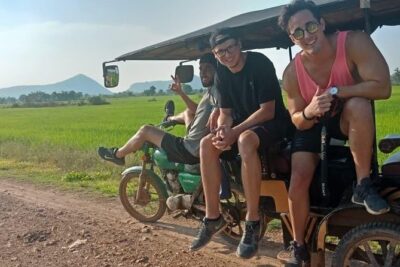
Battambang Full Day Tour from Siem Reap – Bamboo Train, Killing Cave & Sunset
Read our review →Browse the lists this tour appears in