
Review · TUK-TUKS
Morning Tuk tuk: City, Handicrafts, Killing field, Temples
Rice rules this morning. In five hours by tuk tuk, you zip through Battambang and countryside temples, then meet families making Khmer rice noodles, bamboo sticky rice, rice paper, and rice wine.
I especially love the hands-on food stops, where you can watch rice traditions get made, then taste what you see. I also love how the guide ties the day together, from the 25m-high Buddha at Ek Phnom to the history and religion lessons at Wat Samrong Knong.
One thing to consider, this itinerary pairs peaceful temples with the killing field at Wat Samrong Knong. It can feel heavy, and it is not a good fit if you have high blood pressure or prefer lighter sightseeing.
In This Review
- Key things I’d circle before you book
- Battambang in 5 hours, and why the rice stops matter
- Pickup, tuk tuk tempo, and meeting your English guide
- Battambang city highlights, from the market to Ta Dambong Kranhoung
- Khmer rice noodle making: watch it happen, then taste
- Bamboo sticky rice production: a sweet snack with real local roots
- Rice paper production: the spring roll skill hidden in plain sight
- Rice wine production: a plant-soak and medicine story, then a sample
- Wat Samrong Knong: oldest temple, brick stupa, and the killing field
- Ek Phnom temples: 25m giant Buddha, 1991 temple, and old ruins
- Battambang return and lunch timing
- Price and value: why $20 can actually make sense
- What to wear, who should go, and comfort notes
- Should you book this Battambang morning tuk tuk tour?
- FAQ
- What time does the tour start and how long is it?
- Where is pickup and drop-off?
- Is an English guide included?
- What kind of food will I taste during the tour?
- Which temples and historical sites are included?
- Are there any restrictions on who can join?
Key things I’d circle before you book
- Khmer rice craft, up close: noodles, sticky rice desserts, rice paper, and rice wine, made by locals
- Wat Samrong Knong history: an old temple plus the brick stupa and the killing field at the same site
- Ek Phnom with a 25m Buddha: big, photo-friendly temple sights plus older Angkorian ruins
- Tuk tuk pacing: a compact 5-hour morning route with hotel pickup and drop-off
- Guides like Samol or David: clear English explanations, relaxed driving, and photo help
Battambang in 5 hours, and why the rice stops matter
This is the kind of half-day trip that feels like two experiences in one. You start with city landmarks, then shift into villages and workshops where rice is not just an ingredient, it is basically the local economy, daily life, and culture in edible form.
What makes this tour work so well is the sequence. You do not just look at temples and move on. You learn how Khmer families process rice into everyday foods, then you step into places of faith and memory. The day has contrast, and that is the point.
It also fits well if you only have limited time in Battambang. For $20 per person and a 5-hour schedule, you are getting guided transportation, admissions, tastings, and the kind of context that turns photos into understanding.
More Tuk-Tuk Tours in Battambang
- Battambang: Tuk-Tuk, Bamboo Train, Killing/Bat Caves, Sunset
★ 4.9 · 1,436 reviews - Battambang Tuk Tuk tour: Bambootrain, Killing & Bat Caves,Sunset
★ 5.0 · 799 reviews - Afternoon tour by tuk tuk to bamboo train,bat cave,killing cave,countryside.
★ 5.0 · 344 reviews
Pickup, tuk tuk tempo, and meeting your English guide
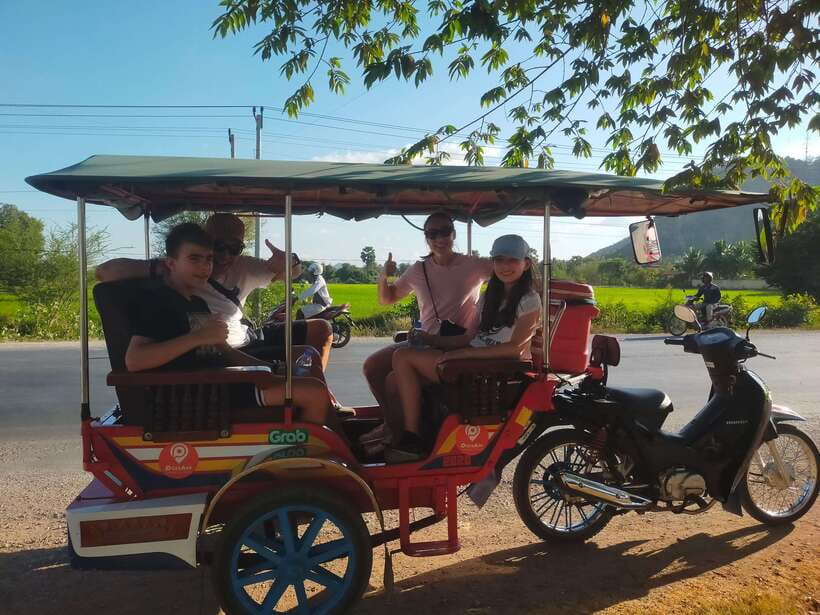
Pickup starts at 7:20 AM from your accommodation or a nearby restaurant. Your ride is a tuk tuk, and the plan includes hotel pickup and drop-off, plus cold bottled water and wet wipes.
The guide is a big part of the value here. The experience is led by an English-speaking, live guide, and in real life you might meet guides like Samol or David. Based on what people highlight, these guides tend to explain in clear, lively ways, and they drive safely without making the ride feel rushed.
Practical tip: wear something you can move in. You will spend time on temple grounds and paths near rural workshops. If you want photos, bring a phone with enough storage, since the day is built around photo opportunities.
Battambang city highlights, from the market to Ta Dambong Kranhoung
The first stretch gives you orientation fast, so the rest of the morning makes more sense. You get stories about Cambodia and Battambang, touching on history, culture, religion, agriculture, and folk tales.
Stops in the city include:
- the central market
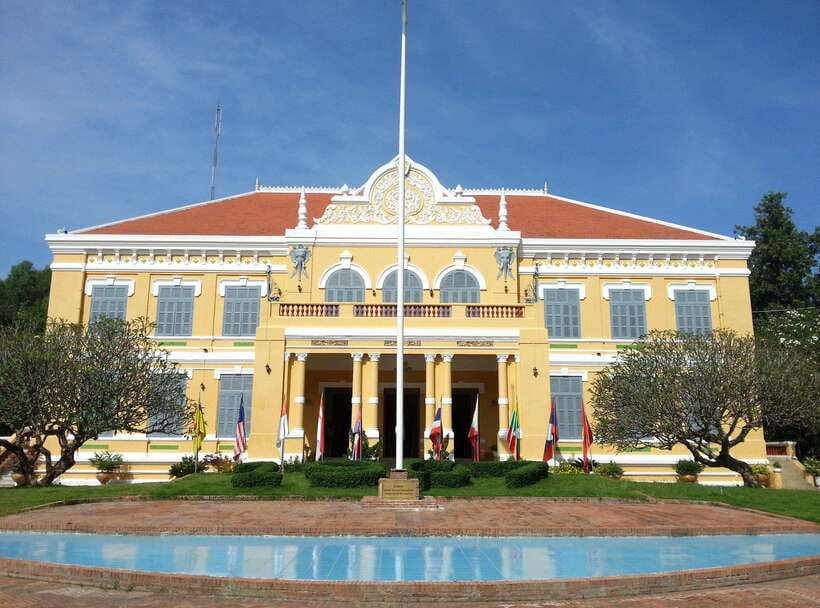
- the provincial hall
- and Battambang’s symbol statue, Ta Dambong Kranhoung
This is not sightseeing for sightseeing sake. The city portion helps you understand how the province feeds itself and how people organize daily life. When you then see rice being processed outside town, it stops feeling random and starts feeling like a chain that began in the market.
If you are the type who likes to get your bearings quickly, this opening portion does that job. If you prefer only temples and countryside, you might find the city stops a little lighter than the craft and temple segments, but they are still useful.
Khmer rice noodle making: watch it happen, then taste
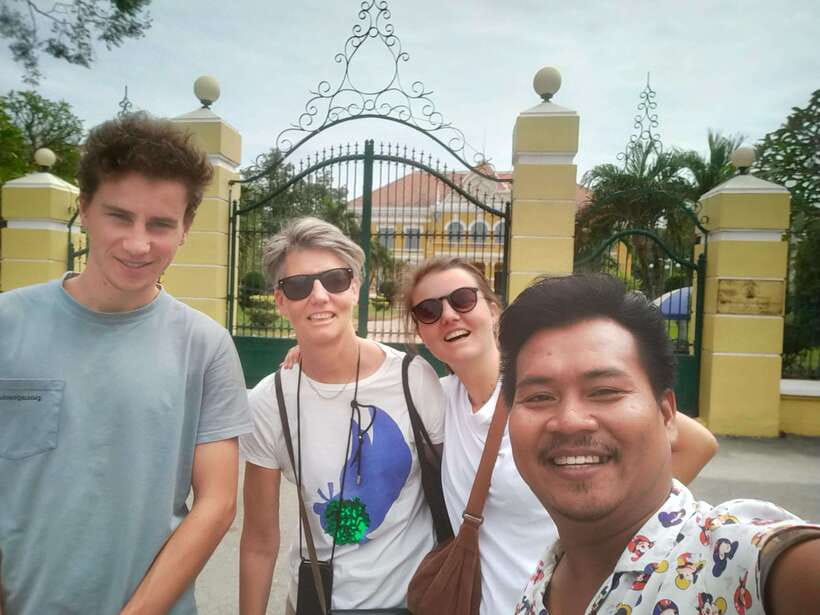
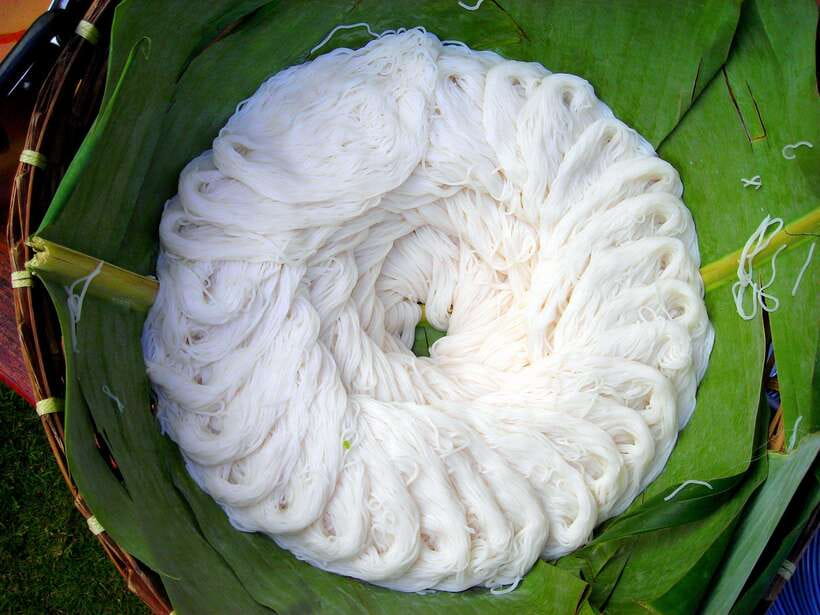
Next comes the Khmer rice noodle factory, where locals make Khmer rice noodles. Khmer rice noodles are a famous food eaten at breakfast, lunch, and dinner, and this stop explains why rice-based comfort food is so central here.
What you should expect:
- watching how rice is turned into noodles
- learning what makes Khmer rice noodles a daily staple
- tasting the noodles you just learned about
This is the kind of stop that rewards attention. Notice how much work is tied to everyday consistency, not just flavor. Noodles and rice cakes look simple on a plate, but the process is what keeps the food reliable and repeatable day after day.
If you love eating your way through a destination, this is one of the best parts of the tour. You are not just hearing about Cambodia, you are seeing how it shows up on a table.
More of Battambang:
- Local Livelihood Half Day Bike Tour in Battambang
★ 5.0 · 287 reviews - Explore Battambang full day tour by Tuk Tuk (start from 9am-6:30pm)
★ 5.0 · 240 reviews - Battambang: Bamboo Train, Bat Cave, Killing Cave by Tuk Tuk
★ 5.0 · 182 reviews - Full Day tour .City tour.Countryside.Bamboo Train.Secret Bat Cave
★ 5.0 · 178 reviews
Bamboo sticky rice production: a sweet snack with real local roots
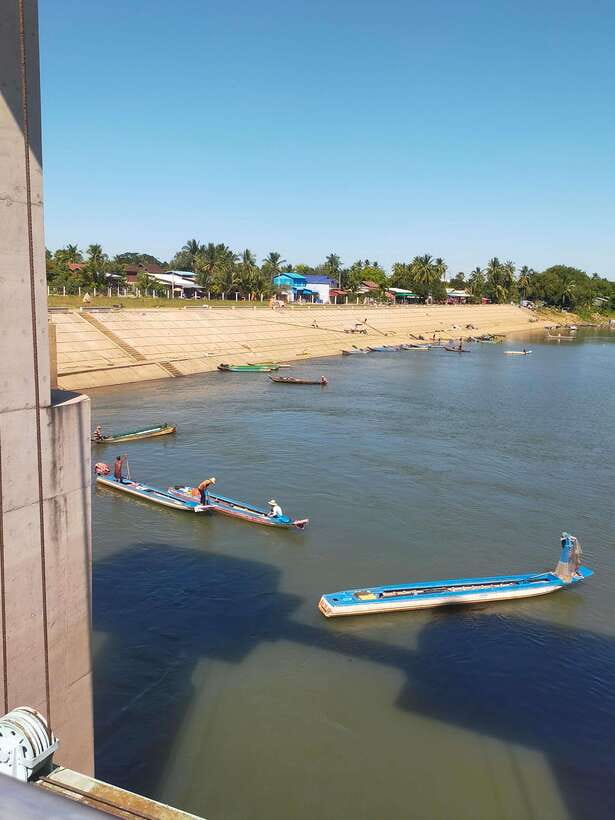
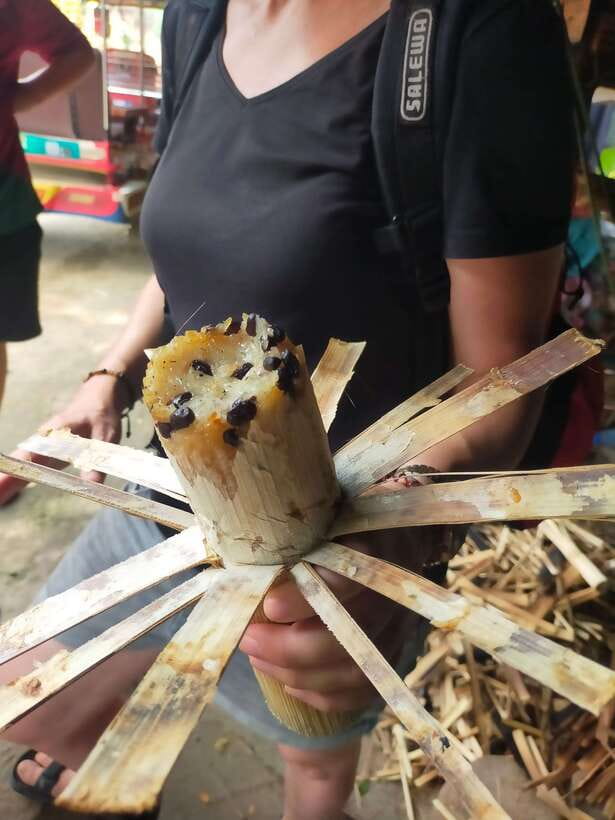
After noodles, the tour shifts into a dessert-style tradition: bamboo sticky rice. You watch locals cook it, and you learn how it is prepared as a sweet snack.
This stop is about more than taste. Bamboo sticky rice tells you how creative food can be when it is made from local materials. The bamboo is part of the method, and that is why it is worth seeing the production process rather than only hearing that bamboo sticky rice exists.
If you have a sweet tooth, this is a strong moment in the morning. If you do not, do not worry. It still helps you understand the broader theme of the day, rice culture beyond just one dish.
Rice paper production: the spring roll skill hidden in plain sight
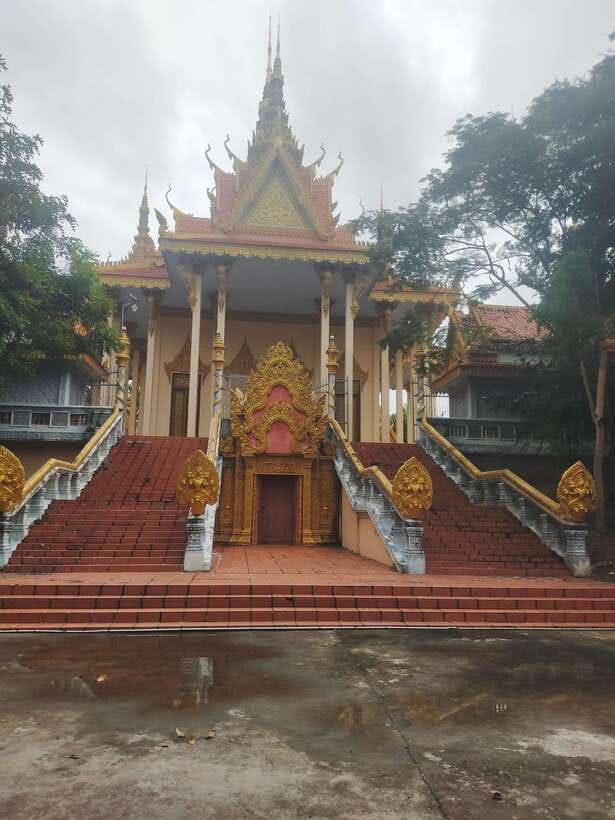
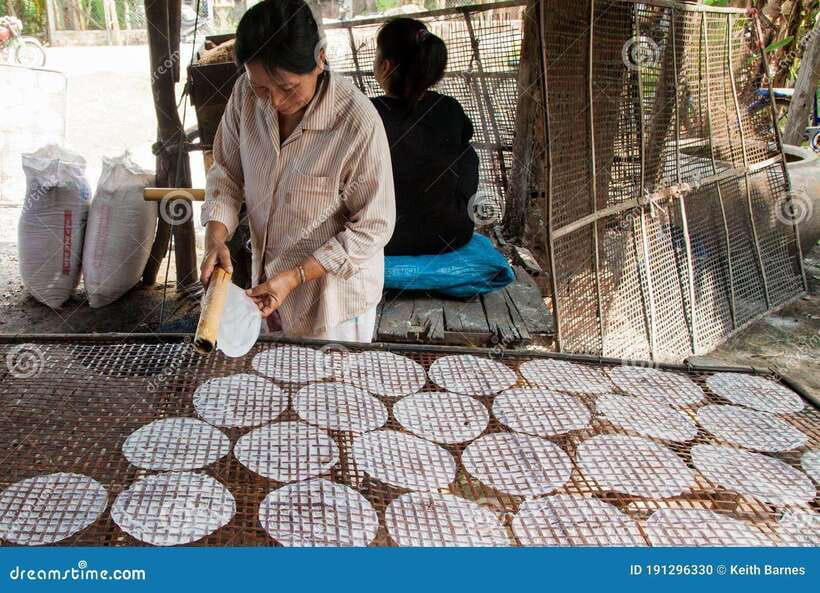
Then you get to rice paper production, where villagers make rice paper for everyday use. You learn how rice paper is used for making spring rolls, and you see the production pace up close.
One detail worth holding onto: the villagers can make at least 1,500 rice paper pieces per day. That number alone gives you a sense of how much output goes into feeding families and small businesses.
What you should watch for:
- how rice paper comes together as a working product
- the method behind spring roll-ready sheets
- the steady, practical rhythm of production
This stop is also a nice bridge between “food as culture” and “food as trade.” Rice paper is not only for a family meal. It supports sales, small kitchens, and the food chain that keeps Batambang running.
Tip: if you are curious about technique, ask your guide what makes their rice paper different, or what they think outsiders usually miss. The English guides you meet on this tour are typically happy to explain.
Rice wine production: a plant-soak and medicine story, then a sample
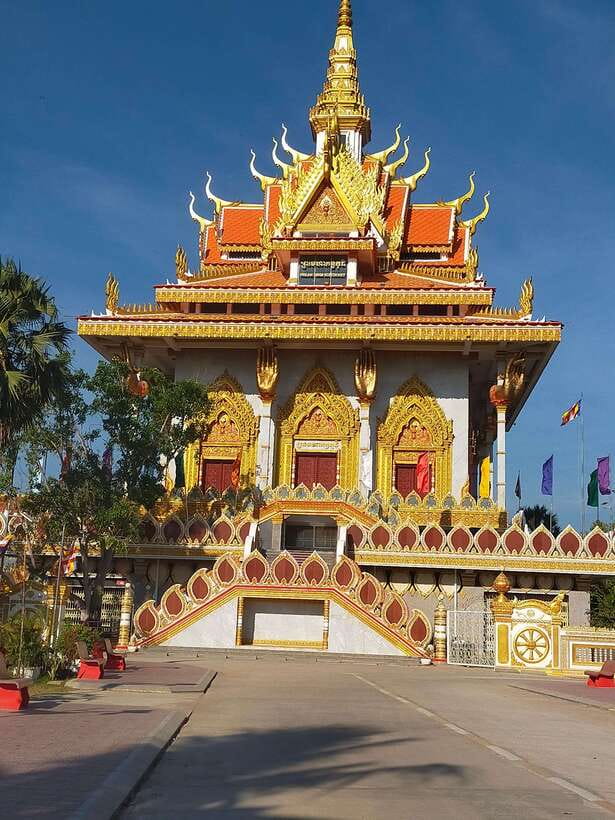
Next up is the rice wine production plant, which has been in use since the 1980s. Here you learn how rice wine is made and, importantly, you sample it.
This stop also covers traditional uses. Rice wine has been used for medication, and it was used to soak plants and fruits. People also used it with poisonous animals like cobras and tarantulas.
That section can feel surprising. It is not presented as a spooky story, it is explained as local practice and local thinking about remedies. Even if you do not plan to drink much, the lesson is the point: you are learning how food and local beverages can be linked to daily health beliefs and household routines.
Wat Samrong Knong: oldest temple, brick stupa, and the killing field
This is the emotionally heavy part of the itinerary, so it deserves a calm read before you go. You visit Wat Samrong Knong, described as the oldest Buddhist temple here, built in 1707. You also see a brick stupa built in 1887.
Then the tour connects the site to Khmer Rouge history. The pagoda area was used to house Khmer Rouge soldiers, and it also served as a detention area for victims. You will see the torture house and the killing field, where approximately 10,008 victims were killed.
How to handle this as a visitor:
- go at your own pace, there is no bonus for rushing
- keep your questions gentle, and let the guide steer the tone
- remember that this is a memorial as much as it is a historical site
If you are sensitive to difficult topics, it is still worth seeing if you want real context, but plan for it to weigh on you. Also, this tour is specifically not suitable for people with high blood pressure, and you want to think about your comfort levels here.
This stop is not about shock. It is about learning what happened and where it happened, in a place that now includes religious landmarks and visible reminders of the past.
Ek Phnom temples: 25m giant Buddha, 1991 temple, and old ruins
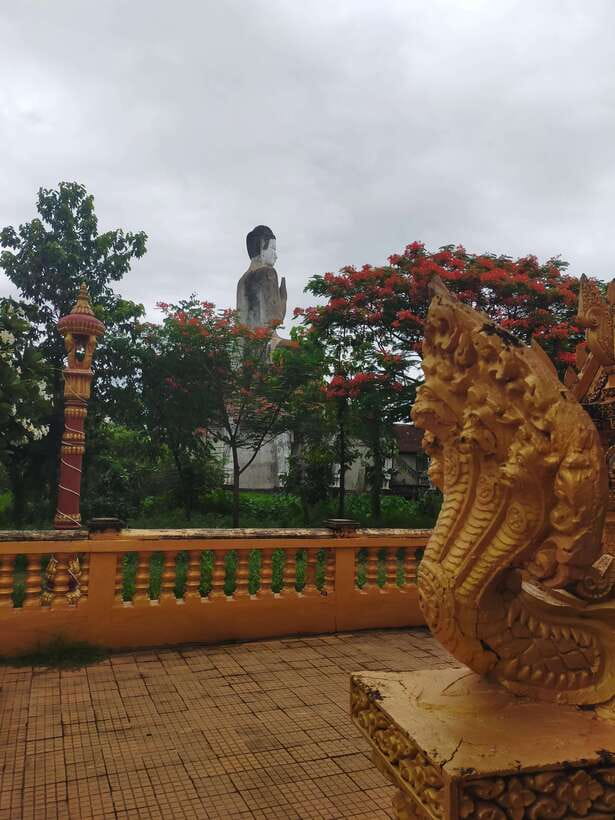
After the heavier stop, the day turns back toward religion and architecture. You go to Ek Phnom temples, including a 25m-high giant Buddha surrounded by standing Buddha statues on either side.
From there, you walk to a Buddhist temple built in 1991. You can go inside and see Buddha’s story on the wall. The site also includes ruins of an Angkorian Hindu temple built in the 11th century under King Suryavarman I.
This combination is why Ek Phnom is such a good visual capstone. You see:
- a large, modern-feeling focal Buddha presence
- Buddhist storytelling in temple interior art
- older, multi-faith layers connected to the Angkorian era
If you like architecture and symbolism, you will probably enjoy how many eras show up in one area. Even if you just want great photos, the 25m Buddha is hard to miss, and the standing statues frame it in a way that works well for pictures from multiple angles.
Battambang return and lunch timing
The tour returns to the city for lunch or you can go straight back to your hotel. Since the total duration is 5 hours, it is easiest to plan your meal right after you are dropped off.
If you are the kind of traveler who likes a relaxed afternoon afterward, you can do that here. You will likely feel mentally full from the history, and physically full from the morning walking and riding.
Price and value: why $20 can actually make sense
Let’s talk money in a practical way. At $20 per person for about 5 hours, this tour includes:
- hotel pickup and drop-off
- a live English guide
- cold bottled water and wet wipes
- snack tastings
- photo opportunities
- all admissions and donations
That is a big bundle for a short morning. You are not only paying for a ride, you are paying for context, interpretation, and access to places you might struggle to organize on your own.
Also, the tastings matter. When a tour includes actual sampling, you are paying for information plus food, not just transport between points on a map. Between the rice noodle tasting, bamboo sticky rice production, rice paper learning, and rice wine sampling, the food side is not an afterthought.
Finally, the guide quality seems to be a consistent strength. The experience has a 4.9 rating from 13 reviews, and the praise is often connected to friendly guidance, safe driving, clear English, and strong storytelling about local life in Battambang.
What to wear, who should go, and comfort notes
A few rules are worth knowing so you do not get stopped at the first temple.
Not allowed:
- baby strollers
- sleeveless shirts
Not suitable for:
- people with high blood pressure
- people over 70 years
Comfort tip: dress modestly for temples. Even if the guide does not say much, covering shoulders and wearing long pants helps you feel more respectful and more comfortable during temple visits.
Also, expect a mix of surfaces: tuk tuk ride parts, workshop steps, and temple walkways. Good grip shoes make a difference. Bring a hat if it is sunny, and use the wet wipes after food stops since you might handle snacks and packaging.
Should you book this Battambang morning tuk tuk tour?
Book it if you want Battambang to feel real, not like a checklist. This is one of the better formats if you care about how people live day to day, because the tour centers on rice-based local production and then pairs it with major cultural and religious sites.
Consider skipping or choosing a different option if you:
- get overwhelmed by heavy history, especially the killing field portion
- have health limits that make short walks and uneven ground difficult
- prefer strictly light, relaxed sightseeing with no memorial elements
If you do book, go in with the right attitude. This tour gives you plenty to look at, but the main value is learning what the sights mean, and why rice, faith, and memory are braided together in Battambang.
FAQ
What time does the tour start and how long is it?
The pickup is at 7:20 AM, and the total duration is 5 hours.
Where is pickup and drop-off?
Pickup and drop-off are provided, but pickup is noted as being 5 km away from Battambang town.
Is an English guide included?
Yes. The tour includes a live English-speaking guide.
What kind of food will I taste during the tour?
There are snack tastings, including Khmer rice noodles tasting, bamboo sticky rice, and rice wine sampling.
Which temples and historical sites are included?
You visit Wat Samrong Knong, Ek Phnom temples, a 25m-high giant Buddha, and you also see ruins of an Angkorian Hindu temple built in the 11th century under King Suryavarman I.
Are there any restrictions on who can join?
The tour is not suitable for people with high blood pressure or people over 70. Baby strollers are not allowed, and sleeveless shirts are not allowed.
Newly listed around Battambang
- Private Taxi Transfer From Siem Reap – Battambang City★ 5.0 · 4 reviews
- Exploring Battambang: A Memorable Tour from Siem Reap★ 5.0 · 7 reviews
- Battambang Day Trip from Siem Reap – Bamboo Train, Killing Cave★ 5.0 · 4 reviews
- Private Battambang Full-Day Guided Tour★ 4.5 · 3 reviews
- Private Transfer : Siem Reap ↔ Battambang★ 5.0 · 31 reviews
- Scenic Boat Journey from Siem Reap to Battambang★ 5.0 · 7 reviews
- Battambang, Bamboo Train, Killing Cave Day Tour From Siem Reap★ 5.0 · 10 reviews
- Battambang Private Day Tour★ 5.0 · 5 reviews
Tuk-Tuks, compared.
Tuk-Tuk, Bamboo Train, Killing/Bat Caves, Sunset
Read our review →
Siem Reap Countryside Bike Tour / E-Bike or Tuk Tuk
Read our review →
Battambang Tuk Tuk tour: Bambootrain, Killing & Bat Caves,Sunset
Read our review →
Phnom Penh Silk Island Bike Tour/ E-Bike or Tuk Tuk
Read our review →
Angkor Wat Private Tuk-Tuk Tour (sunrise Option) & more
Read our review →
Ultimate Phnom Penh Food Tour by Tuk Tuk: 20 Tastings and Drinks
Read our review →Browse the lists this tour appears in