Review · COUNTRYSIDE & VILLAGE TOURS
Kampot Countryside include Pepper farm,Kep crab market beach
One day, three very different Cambodia moments. I love the hands-on salt production stop and the pepper plantation tasting that turns a curiosity into a real skill. The main watch-out is the climb at Phnom Chhngok, which involves 203 steps to the temple entrance.
This is a true countryside day, not just a drive-by. You get a live English-speaking guide, pick-up from Krong Kampot (including the area opposite Epic Art Cafe), plus water and a fresh coconut to keep you comfortable as the day stretches on.
Because it is a private group up to 2 people, the pace feels personal, and your guide can slow down for questions. Just come ready for heat, sun, and a lot of stops packed into one half-day sized adventure.
In This Review
- Key things I’d highlight before you go
- Your day at a glance, and what makes it work
- Pickup, rides, and the reality of an 8-hour loop
- Stop 1 to the salt fields: seeing how a local product is made
- Phnom Chhngok cave temple: the payoff, the stairs, and the views
- Brateak Krola Lake: an artificial lake with a difficult story
- Pepper farm tour and peppercorn testing: where the fun gets specific
- Kep crab market and beach time: eating, swimming, and slowing down
- Price and value: why $50 per group up to 2 can be a good deal
- Who this tour suits best (and who should skip it)
- The small details that help you enjoy it more
- Should you book Kampot Countryside with pepper farm, Kep crab market, and lake stops?
- FAQ
- How long is the Kampot countryside tour?
- What does the tour cost?
- Where does pickup happen?
- What is included in the price?
- Is food included, especially at Kep crab market?
- What should I bring?
- Is the tour suitable for everyone?
Key things I’d highlight before you go
- Salt fields with a guided process: see how salt is made, with explanations built into the visit
- Phnom Chhngok cave temple and 203 steps: great payoff if you are okay with a climb
- Brateak Krola Lake’s Khmer Rouge-era story: a heavy stop that adds context to the landscape you see
- Pepper farm tour plus peppercorn testing: you do not just watch, you taste and compare
- Kep crab market time, plus beach downtime: seafood sampling or lunch followed by a chance to relax
- Private guide experience with patient translation: in the real world, this matters more than you think
Your day at a glance, and what makes it work
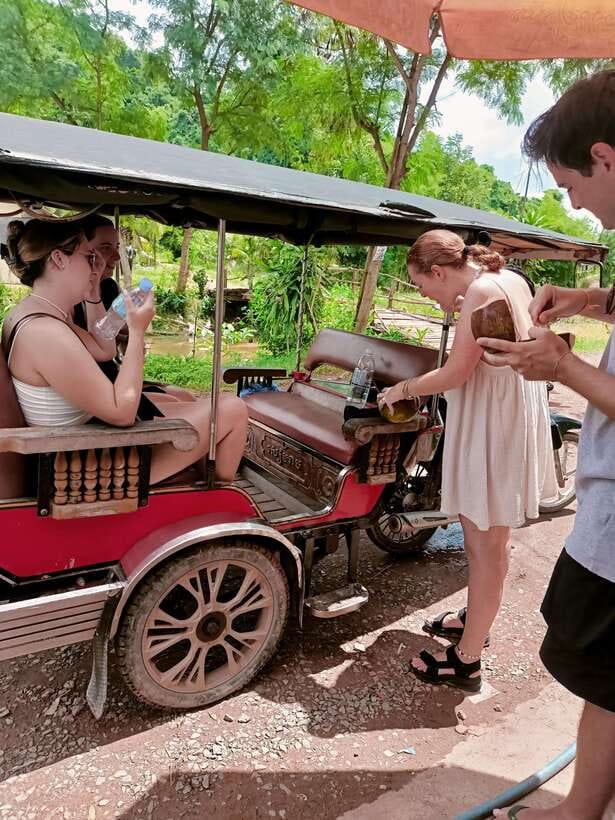
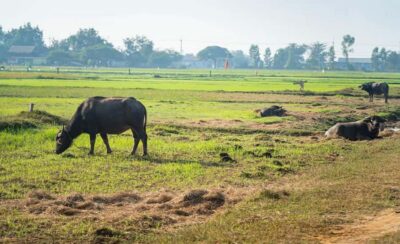
This Kampot countryside route is built around variety. You start with something practical and economic (salt), then shift to a spiritual viewpoint (a cave temple), add a history-heavy pause (an artificial lake tied to the Khmer Rouge), then finish with two of Cambodia’s most recognizable flavors and scenes (pepper and Kep crab market), with beach time at the end.
The reason it feels good is pacing. You do not spend all day on one thing. Instead, each stop has a clear purpose, and your guide ties them together with real explanations, not just a timetable.
It’s also a private group format, so you are not fighting for attention. In one memorable case, the guide Phalla took a full two hours for the pepper farm portion, moving at a pace that made the explanations land, even when language was a hurdle and a translator was needed.
More Countryside & Village Tours in Kampot & Kep
- Kampot: Full-day Countryside Tour with Pepper Farm and Kep
★ 4.9 · 245 reviews - Kampot Countryside include Pepper farm, Salt field & Lake
★ 4.9 · 100 reviews - Kampot’s Countryside & Kayak Tour, Pepper Farm include Lunch
★ 4.8 · 74 reviews
Pickup, rides, and the reality of an 8-hour loop
You meet in Krong Kampot, usually opposite Epic Art Cafe. If you’re staying in a hotel or eating nearby, the operator can also pick up and drop off directly from your location, as long as it is within 3 km of the meeting area.
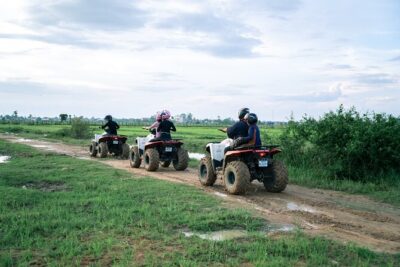
Once you are in the tuk tuk, you will feel the countryside spacing immediately. The rides between stops add up, but they are part of the experience, because you can watch the environment change as you leave Kampot behind.
This is one reason to plan like a local:
- Bring cash, since the activity requires it
- Pack for sun, even if the schedule includes breaks
- Wear shoes that handle uneven ground, especially near temple areas and markets
Also note the limits for comfort and safety. This tour is not suitable for people with high blood pressure, for pregnant women, and for older travelers over 80. It is also not recommended for kids under 2 and it has a weight limit listed over 200 lbs (91 kg). If any of that applies, you’ll want to choose a different style of tour with fewer physical demands.
Stop 1 to the salt fields: seeing how a local product is made
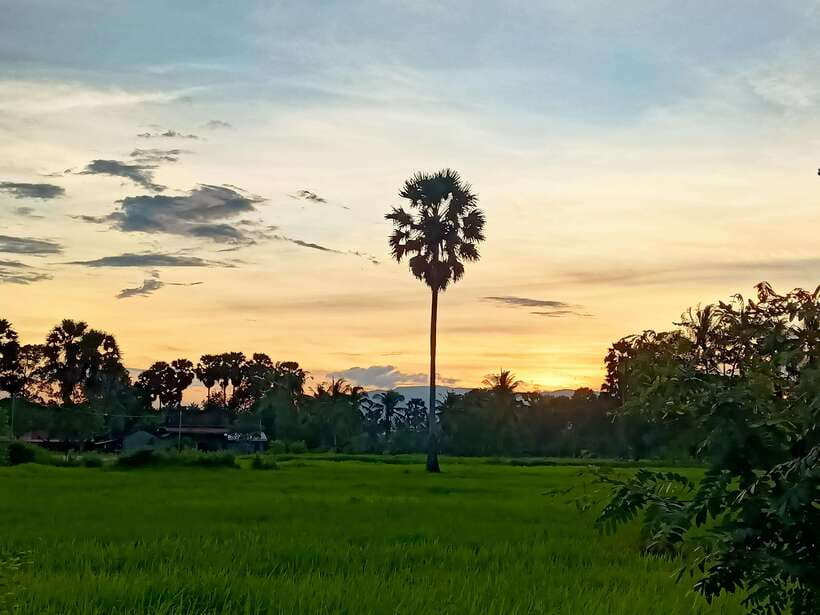
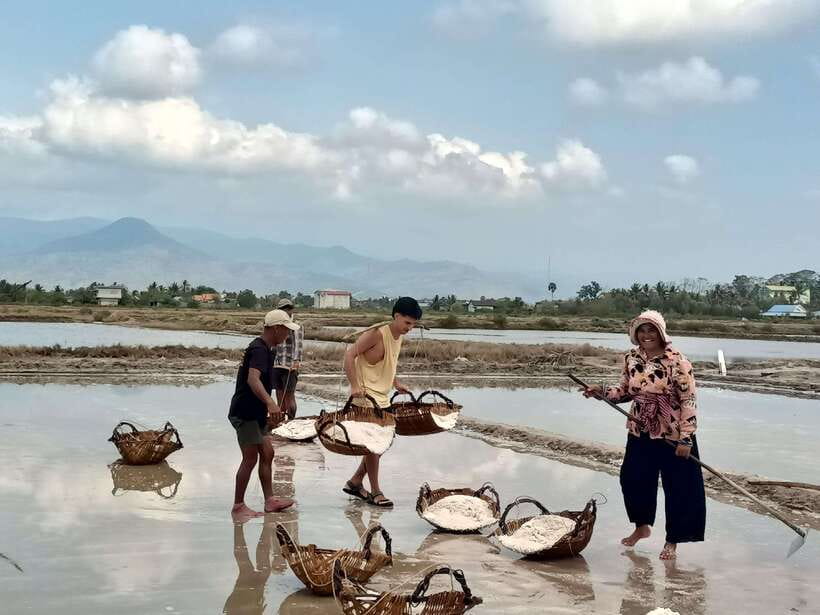
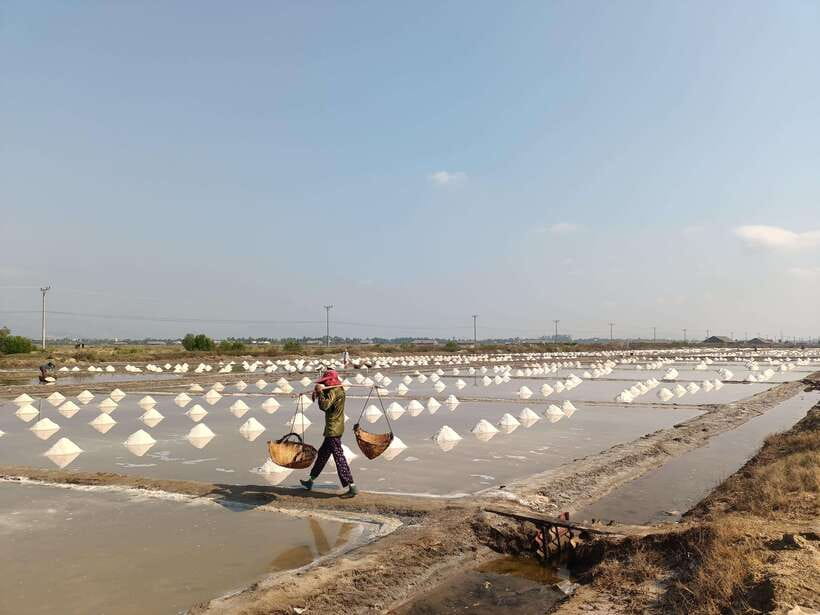
The first major theme is work, not sightseeing. You visit a salt-producing facility on the outskirts of Kampot, and the visit is guided, with attention paid to why salt production matters to the area.
What I like about this kind of stop is how it changes your “tour brain” into “how does this actually function?” mode. Salt is one of those everyday things you usually take for granted. Here, you get a real look at the process steps and the role this production plays locally.
What to expect:
- You’ll learn how the salt-production process works through a guided visit
- There will likely be active sights around production areas, so it helps to have practical clothing and footwear
- The guide’s job is to make the explanation make sense, even if your question list grows mid-visit
A small practical note: salt-related areas can be bright and dry. Even if there are shady moments, plan for sun and glare.
Phnom Chhngok cave temple: the payoff, the stairs, and the views
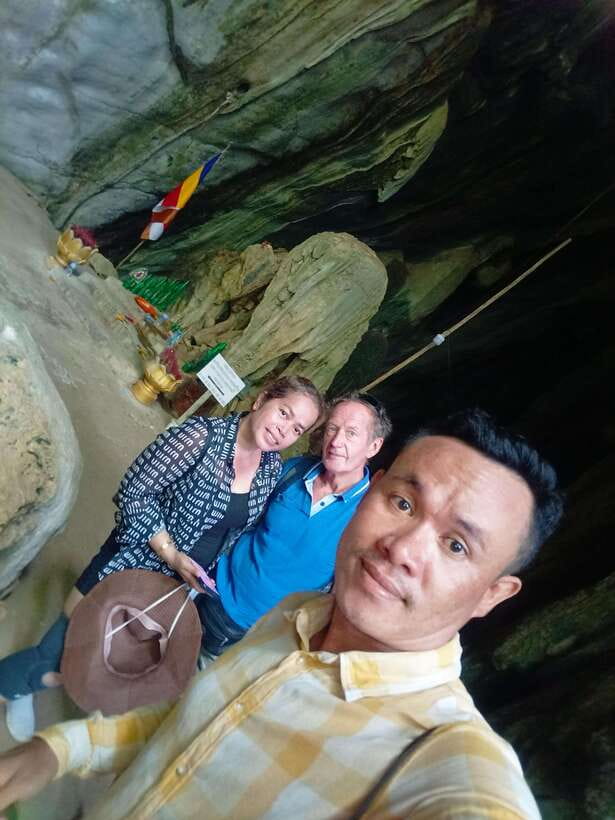
Next comes one of Kampot’s most dramatic viewpoints. Phnom Chhngok is a cave temple reached by 203 steps to the entrance. Inside the main chamber, you’ll find a brick temple connected to the 7th-century Funan-era, dedicated to Shiva.
The real attraction is twofold. First, you get that “cave temple” feeling, the contrast between outside light and interior structure. Second, you climb up to an area where the views are the payoff.
The spiritual site matters because it is not just a decorative stop. Your guide will point out the temple details and connect the setting to what you are seeing from the entrance. That makes the final look out more meaningful than just snapping photos on the way down.
The drawback is simple and you can plan for it: if 203 steps sounds like a lot, this is the section where you will feel it. Take your time. If you need slower pacing, tell your guide early. One thing I appreciate about the best guides here is that they do not rush you just to “hit the next stop.”
More Market Tours in Kampot & Kep
- Kampot: Tuk Tuk Trip to Pepper Farm, Kep, Crab Market & More
★ 4.9 · 143 reviews - KAMPOT TRAVEL-Pepper farm. Cave.Secret lake-Crab market & Salt…
★ 5.0 · 87 reviews - Full day Tour, Countryside, Pepper farm & Kep, crab market…
★ 5.0 · 49 reviews - Kampot/Cambodia pepper farm . Cave. lake. Kep Crab market & more.
★ 5.0 · 27 reviews
Brateak Krola Lake: an artificial lake with a difficult story
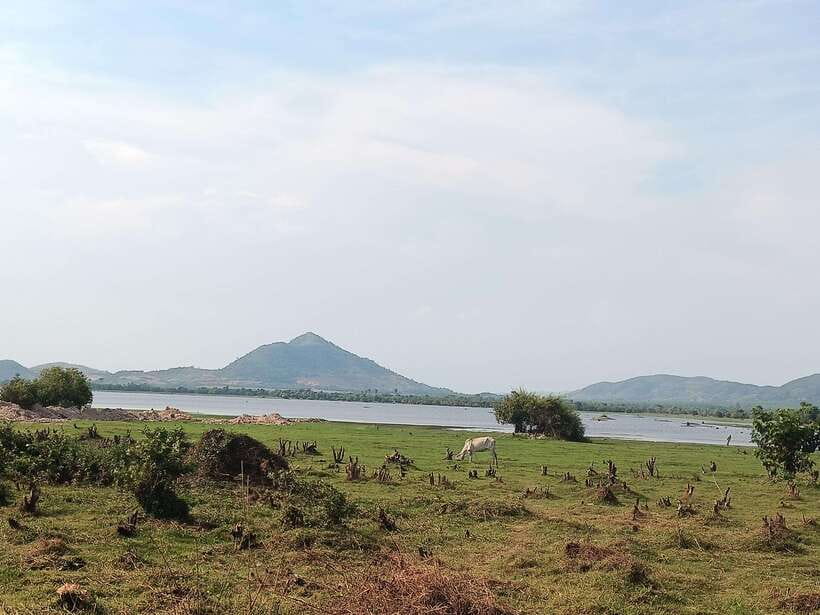
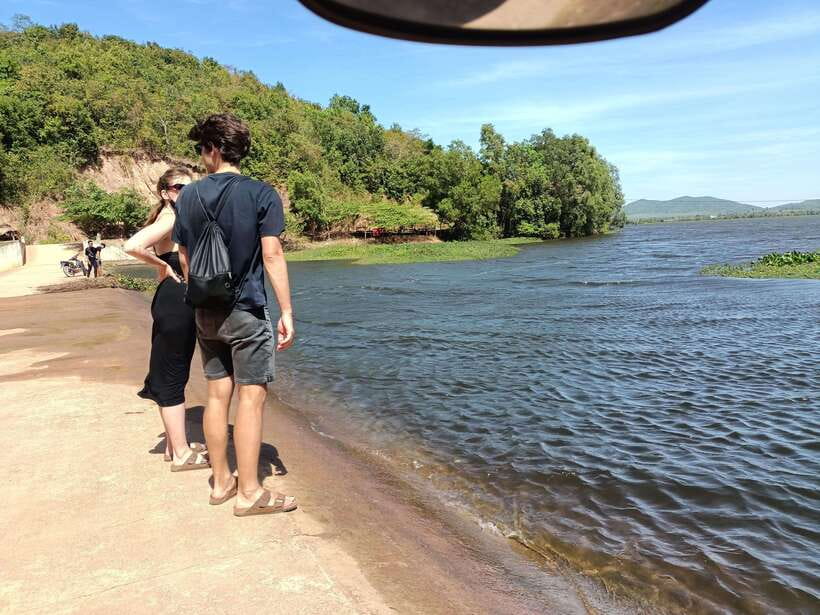
After the cave, you switch into a reflective stop. Brateak Krola Lake is described as an artificial lake built during the time of the Khmer Rouge, with slave labor involved.
This is where the tour adds depth. You might think of Cambodia as a place of temples and food, and it is. But history sits under the surface, and this stop gives you a direct way to understand that reality rather than treating it like distant trivia.
What to expect from this part of the day:
- A guided explanation of what the lake is and how it was constructed
- A quieter tone compared with pepper tasting or market time
- Time to look around and process the setting you’re standing in
I’d suggest bringing a mindset shift here. You do not need to force emotions. Just be ready for the contrast between what a lake looks like today and what it meant during construction.
Pepper farm tour and peppercorn testing: where the fun gets specific
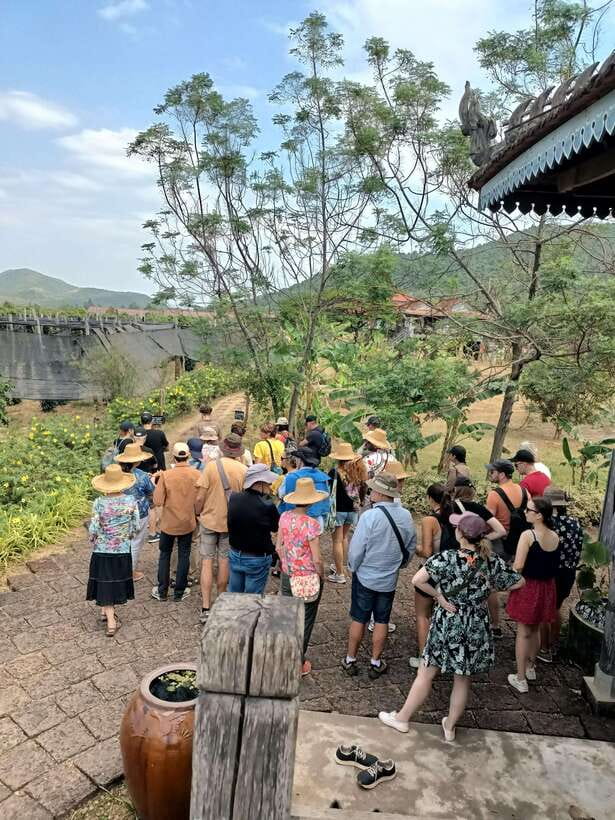
Then comes the most hands-on, fun part for food lovers: a guided visit to a large pepper plantation with peppercorn testing.
I love pepper farm tours when they do one thing well, they turn tasting into learning. Here, you do not just buy souvenirs. You get guided explanations of the pepper production process and you can test the pepper produced onsite.
Peppercorn testing is a small detail that matters. It usually means you can compare flavors and maturity, and that makes the story real. After you’ve tried it, pepper in restaurants stops being a vague concept and becomes something you can describe.
One real-life example that sticks in my mind from similar private days: guide Phalla spent about two hours at the pepper farm with a pair of visitors. He was patient, took time for explanations, and used translation when needed rather than trying to rush through language barriers. That patience is not a luxury on farm visits, it directly affects your understanding.
Practical tips for this portion:
- Wear something you do not mind getting dusty, because farms can be outdoors and uneven
- Ask your guide what to look for when testing, so you learn a simple comparison method instead of just doing a casual taste
- If you plan to take pepper home, ask what forms they recommend, since the tour includes testing but food is not listed as included
Kep crab market and beach time: eating, swimming, and slowing down
Finally, you reach Kep, famous for seafood and the crab market scene. This is where you transition from production and temples to something more relaxed and local.
You will have time for test seafood or lunch at the crab market. Your tour is not listed as including food, so this is your moment to choose your meal style and budget. If you want the most stress-free experience, decide before you arrive if you’re doing a light seafood tasting or a full lunch.
After crab market time, you can swim or relax on the beach before heading back to Kampot. This matters because the first half of the day is active and often hot. Beach time is your reset button.
What I like about ending here is that you finish with options. If you feel like swimming, you can. If you’d rather just sit and cool off, you can do that too.
Price and value: why $50 per group up to 2 can be a good deal
The price is listed as $50 per group, up to 2 people, for an 8-hour tour. That is not just about the number. It is about what you get stacked into one day:
- A private, English-speaking guide
- Entrance fees
- Water plus a fresh coconut
- Pepper tour and tasting included
If you split the cost with a partner, it quickly turns into a value win compared with paying separately for transport, guide time, and each site entrance. Also, this itinerary includes multiple different places that usually cost extra when booked independently.
If you are traveling solo, the same structure can feel less budget-friendly because you are still paying the group price. In that case, it may make sense only if you really want a private guide for the pepper and cave temple parts, not just a ride to the main spots.
Who this tour suits best (and who should skip it)
This is a great fit if you:
- Like real countryside stops, not only monuments
- Want guided explanations at each site, especially for salt production and pepper cultivation
- Enjoy food-focused learning and tasting
- Prefer a private format where your guide can slow down
This is likely not the best fit if you:
- Have mobility concerns about steep or step-heavy areas (the temple includes 203 steps)
- Need to avoid physical activity due to high blood pressure
- Are pregnant, due to the tour’s listed unsuitability
- Are looking for a food-included deal, since food at the crab market is not included
The small details that help you enjoy it more
A few practical points can make the difference between a tiring day and a smooth one.
Bring what matters:
- Cash (this is explicitly required)
- Sunglasses and sunscreen are not included, so add them
- Comfortable shoes for steps and uneven areas
Plan your expectations for food:
- Water and coconut are included
- Food at the Kep crab market is not included, so bring a plan for lunch or seafood tasting
Dress for sun and heat:
- Even with stops, you’ll be outdoors across the day
- A hat and light layer can be a lifesaver during the pepper farm and viewpoints
Finally, use your guide for learning, not just logistics. The best moments here come from asking practical questions about salt production steps, what you are tasting on the peppercorns, and what the lake history means in plain terms.
Should you book Kampot Countryside with pepper farm, Kep crab market, and lake stops?
I’d book this tour if you want one day that mixes hands-on local production, a dramatic temple climb, and a satisfying finish in Kep. The included pepper tour and testing is the kind of activity that turns knowledge into something you can take home with you. The private guide format also pays off, because you can go at a pace that works, including time taken for translation when needed, like what I’ve seen with Phalla.
I would hesitate only if the 203 steps at Phnom Chhngok is a deal-breaker for you, or if you need the day to be very low physical effort. If you can handle stairs and hot outdoor time, this is a strong way to see a real slice of Kampot and Kep in 8 hours without feeling rushed.
FAQ
How long is the Kampot countryside tour?
The duration is listed as 8 hours.
What does the tour cost?
The price is listed as $50 per group up to 2 people.
Where does pickup happen?
Pickup is normally from the meeting point opposite Epic Art Cafe in Krong Kampot, and the operator can also pick up and drop off from your hotel or restaurant if it is within 3 km of the meeting point.
What is included in the price?
Included are entrance fees, bottle of water, fresh coconut, the pepper tour and testing, and a guided tour.
Is food included, especially at Kep crab market?
Food is not included. You can test seafood or have lunch at the crab market, but you should plan to pay for it yourself.
What should I bring?
Bring cash. Sunglasses and sunscreen are not included, so it’s smart to bring them.
Is the tour suitable for everyone?
It is not suitable for children under 2 years, pregnant women, people over 80, people with high blood pressure, or people over 200 lbs (91 kg).
More Shopping Tours in Kampot & Kep
- Kampot Pepper Farm, Salt Fields, Crab Market from Phnom Penh
★ 4.8 · 21 reviews - Kampot Pepper and Salt Field, Secret Lake, Kep &Crab Market
★ 4.9 · 18 reviews - Phnom Penh Kampot Kep Tour “Pepper Farm, Salt Field, Crab Market”
★ 4.5 · 9 reviews - Discover kampot country side full day tour; kep crab market
★ 4.9 · 9 reviews
Newly listed around Kampot & Kep
- Private Taxi Siem Reap – Kampot Overland Transfer★ 5.0 · 8 reviews
- Taxi From Phnom Penh to Kampot or Kep★ 5.0 · 6 reviews
- Phnom Penh Kampot Kep Tour “Pepper Farm, Salt Field, Crab Market”★ 4.5 · 9 reviews
- Private Taxi Phnom Penh – Kampot Overland Transfer★ 5.0 · 3 reviews
- La Plantation Enjoy Pepper Tour & Testing our process 4 free★ 4.8 · 5 reviews
- Khmer Food Culture Cooking Class in Kampot★ 5.0 · 7 reviews
- Kayaking tour around green cathedral★ 4.8 · 38 reviews
- Kampot Pepper Farm Tour: Salt Fields, La Plantation & Cave★ 4.8 · 18 reviews
Countryside & Village Tours, compared.
Kampong Phluk Floating Village Tour with Boat
Read our review →
Siem Reap Countryside Bike Tour / E-Bike or Tuk Tuk
Read our review →
Tonle Sap, Kampong Phluk & Floating Village Tour
Read our review →
Afternoon tour by tuk tuk to bamboo train,bat cave,killing cave,countryside.
Read our review →